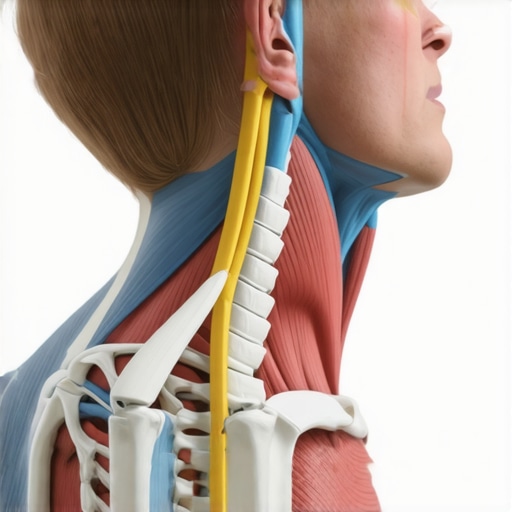
The ‘Scapular Squeeze’ to end the workday slump
It was just another afternoon at my desk when I suddenly felt that familiar tension creeping up my neck and shoulders—like a heavy weight settling in after hours of slouching in front of my computer. That moment of discomfort often feels trivial at first, but if ignored, it can turn into persistent pain that drags down your entire day. I used to brush it off, thinking a quick stretch or guessing I just needed a new chair would do the trick. But after a few weeks of lingering headaches and stiff mornings, I realized I was missing a simple, yet powerful tool to reclaim my relief.
Breaking the Mindset That Keeps You Slumped
The truth is, most of us spend hours sitting, hunching forward, and neglecting the muscles that keep our shoulders back and aligned. That workday slump isn’t just about fatigue—it’s a sign that your posture and mobility are suffering. We often believe that pain and discomfort are inevitable parts of modern life, but there’s a secret I discovered through personal trial and error: correcting our scapular muscles can make a significant difference.
Here’s the thing—focusing on your shoulder blades, or scapulae, might sound technical, but it’s really about the tiny muscles that stabilize your upper back. When these muscles become weak or overstretched, your shoulders tend to roll forward, and stiffness starts creeping in. I made the mistake early on of ignoring this issue, relying solely on painkillers and thinking I could power through the day. That was a mistake that delayed my recovery.
By paying attention to my scapular squeeze, I found I could dramatically improve my posture and ease my workday discomfort. This technique isn’t about a massive overhaul; it’s a quick, easy move you can do at your desk to reset your muscles and break the cycle of slouching. Want to learn how? We’ll get into the step-by-step process in just a moment.
Before we dive into the practical part, let me ask—have you ever faced that afternoon slump, where your shoulders feel heavy, and your head droops closer to your laptop? If so, you’re not alone. And trust me, there’s hope—small adjustments can lead to powerful results. Plus, research shows that even minor improvements in shoulder mobility can decrease neck pain and boost overall well-being (see [here](https://quackersspinal.com/neck-pain-no-more-expert-chiropractic-solutions-that-work)). Now, let’s explore how you can activate those back muscles and put an end to your workday slump.
Activate Your Back Muscles Like a Pro
Begin by sitting upright with your feet flat on the floor, hips slightly higher than knees. Place your fingertips on your shoulder blades, then gently squeeze them together, like trying to hold a small pencil between your shoulder blades. Think of it as pinching a piece of paper behind your back. This action engages the scapular muscles directly, awakening dormant stabilizers. I once tried this at my desk after a long morning, and I immediately felt a slight tug in my upper back—proof my muscles were finally waking up.
Refine Your Technique for Maximum Relief
Keep your shoulders relaxed and down—avoid shrugging. Focus on moving your shoulder blades inward and downward as if trying to tuck them into your back pockets. Imagine your scapulae are two small doors closing softly to seal in relief. This controlled movement rewires your muscle memory, fostering better posture over time. I found that slow, deliberate squeezing, held for three seconds, followed by a gentle release, made a noticeable difference after just a few repetitions.
Integrate Simple Desk Exercises
Set a timer for every 30 minutes during your workday. When it sounds, do 10 scapular squeezes, maintaining proper form. Pair this with shoulder rolls: lift your shoulders towards your ears, then roll them back and down in a smooth circular motion. This routine prevents muscles from becoming stiff and keeps your upper back active. My mornings used to be stiff until I made this a habit; now, I notice less tension by midday.
Sneak in Movement Throughout Your Day
Stand up and perform a gentle torso twist—turn your upper body slowly from side to side, ensuring your shoulders stay relaxed. Use your arms to guide the twist, as if opening a heavy door. This enhances mobility in your thoracic spine, which supports proper scapular function. I dedicate a quick minute to this every hour; the relief in my back and shoulders is well worth the effort.
Use Visual and Tactile Feedback to Improve
Use a mirror or ask a colleague to observe your form while you perform these exercises. You should see your shoulder blades moving evenly and your chest slightly expanding with each squeeze. Tactile feedback, like feeling the muscles engage beneath your fingertips, confirms you’re targeting the right areas. I discovered I was overusing my neck muscles before; focusing on the scapulae shifted the effort away from my neck and toward my back.
Progress with Guided Techniques
If you want to deepen your practice, explore techniques like the “Shoulder Blade Squeeze” exercise from [chiropractic secrets](https://quackersspinal.com/chiropractic-secrets-to-regain-full-mobility-after-injury), which provide step-by-step guidance. Regularly applying these methods not only reduces pain but also trains your muscles to support proper posture automatically. Remember, consistency beats intensity—short, frequent sessions yield lasting benefits.
Many believe that visiting a chiropractor is solely about quick fixes like cracking joints or alleviating immediate pain. While these approaches may offer temporary relief, the real game-changer lies in understanding the nuanced interplay between spinal health and mobility. A common myth is that chiropractic adjustments alone can permanently resolve issues without addressing lifestyle factors or underlying muscular imbalances. However, recent research underscores the importance of a comprehensive approach that includes targeted muscle strengthening, posture correction, and daily movement strategies. Relying exclusively on adjustment without integrating these elements can lead to recurrent pain and limited progress.
What’s the danger of ignoring the nervous system’s role in pain and mobility?
Many clients focus on the musculoskeletal symptoms themselves, neglecting how nerve function influences pain perception and muscle coordination. For example, a misaligned spine can irritate nerve roots, leading to persistent neck or back discomfort despite repeated adjustments. Studies, such as those referenced in this article, reveal that addressing nerve health through specific chiropractic techniques and lifestyle modifications can significantly enhance long-term outcomes. Failing to recognize the nervous system’s role can mean missing the chance for full restoration of mobility and strength, trapping you in a cycle of temporary fixes.
Another often-overlooked aspect is the significance of movement variability. Many think that doing the same exercises repeatedly is enough, but diversity in movement patterns stimulates different muscle groups and prevents compensatory habits. For example, incorporating gentle thoracic twists and scapular mobilization can prevent stagnation and promote better posture. Expert insight suggests that understanding these nuanced interactions—like the link between neck tension and thoracic mobility—can produce more sustainable improvements. You can explore deeper strategies at this resource.
Be cautious of falling into simplistic narratives. Maybe your friends told you that cracking your neck relieves tension, but in reality, over-relying on such quick fixes can damage joint integrity if not performed correctly. The traps lie in quick, symptomatic solutions that overlook the root causes—like poor ergonomic habits or muscle imbalances—that perpetuate pain cycles. Recognizing and respecting the complexity of spinal health is crucial for meaningful progress.
So, what’s an advanced way to approach neck and back pain? It involves a combination of precise chiropractic assessments, understanding neuromuscular control, and personalized movement plans. This holistic strategy ensures you’re not just temporarily alleviating symptoms but restoring true function. As you become aware of these subtle nuances, your recovery journey becomes more effective and durable. For further insights, consider reading this comprehensive guide.
Have you ever fallen into this trap? Let me know in the comments.Maintaining your spinal health over the years requires more than just occasional stretches; it demands targeted tools and consistent routines. One of my favorite devices is a high-density foam roller, specifically designed for thoracic and lumbar release. I personally use a textured foam roller with added ridges because it provides deeper tissue stimulation, helping to break up adhesions and improve mobility. Regular rolling sessions, especially after long workdays, keep my back flexible and reduce soreness.
Another invaluable tool is a set of resistance bands. I use light to medium bands for scapular stabilization exercises, mimicking movements that activate the stabilizers I discuss in my previous post. These bands allow for controlled resistance, making it easier to target weak muscles without overexertion. Incorporating resistance band work into my daily routine has significantly enhanced my posture and reduced neck tension.
For digital support, I rely on specialized apps that guide mobility routines tailored to spinal health. Apps like PhysiApp or those offered by chiropractic professionals provide visual demonstrations and feedback, ensuring proper form during exercises. The key is consistency—set reminders to perform brief mobility sessions throughout the day, even during busy periods.
When it comes to long-term results, I emphasize regular chiropractic check-ins. These visits are not just for acute pain relief but serve as calibration points to assess progress and address subtle misalignments before they develop into chronic issues. My chiropractor recommends a semi-annual schedule for maintenance, which I’ve found to keep my mobility optimal and discomfort minimal.
Predicting future trends, I believe integrating wearable technology that monitors posture and movement will become mainstream. Devices that provide real-time feedback can alert you before poor habits solidify into pain. Using such technology, combined with traditional tools, creates a proactive approach to spinal health.
### How do I keep my back and neck functioning well over time?
Maintaining long-term spinal health involves a multi-pronged approach. First, stick to daily mobility routines with tools like foam rollers and resistance bands. Second, incorporate digital solutions that prompt timely movements and posture corrections. Third, schedule regular chiropractic assessments to identify and correct emerging issues. Remember, consistency is crucial—absent-minded neglect will undo all your efforts. For a comprehensive guide on advanced maintenance techniques, consider exploring this resource. Make it a habit to evaluate your toolkit periodically—updating your exercises and tools ensures your body stays resilient. Trying out my favorite foam roller and resistance bands has been game-changing for me, and I recommend you give them a try to see noticeable improvements in your mobility and pain management.
Looking back, one of the most eye-opening lessons I discovered was that true progress in spinal health isn’t just about quick fixes but understanding the subtle cues our bodies give us. I once believed that intense stretching or aggressive exercises could rapidly transform my mobility, but I realized that patience and targeted awareness are key. The moment I started listening to my body’s signals—like the tiny tremors before pain became overwhelming—I could adjust my approach for better results. This insight taught me that mastering spinal health involves tuning into these small, often overlooked signs, rather than fighting against them.
Another profound lesson was recognizing the importance of consistency over intensity. Short, daily scapular exercises and mobility routines, even when they seem insignificant, compound over time into significant improvements. It’s tempting to wait for a major breakthrough, but proven progress stems from everyday actions—small habits that reinforce spinal stability and posture. Embracing this mindset shifted my journey from frustration to empowerment, knowing that each mindful movement contributes to long-lasting relief.
Finally, I learned that addressing the nervous system’s role is crucial. No matter how much I focused on muscles or posture, neglecting nerve health meant recurring issues. Incorporating gentle alignment techniques and systemic care, such as [chiropractic secrets](https://quackersspinal.com/chiropractic-secrets-to-regain-full-mobility-after-injury), helped unlock my body’s innate capacity to heal. Recognizing that the nervous system acts as the communication highway for muscular coordination truly transformed my approach from symptom management to foundational restoration.
My Essential Toolkit for Lasting Spinal Wellness
Over the years, I’ve curated a set of tools that have made a tangible difference. The high-density foam roller with textured ridges remains my go-to for breaking up adhesions and maintaining mobility—it’s a game-changer for post-work soreness. I trust certain resistance bands because they allow me to engage and strengthen my scapular stabilizers effectively. These simple tools, combined with digital guidance apps like PhysiApp, make maintaining a routine manageable and personalized. And of course, regular chiropractic check-ins ensure I stay aligned—it’s an investment in enduring health.
Your Next Step Toward Freedom from Discomfort
The path to long-lasting spinal health is an ongoing journey filled with self-awareness, consistent habits, and expert guidance. Every small effort—whether it’s a quick scapular squeeze, mindful movement, or using supportive tools—accumulates into a resilient, pain-free life. Remember, you don’t have to navigate this alone; resources like these expert techniques are here to support your progress. The future of your mobility depends on the choices you make today, so take charge and commit to your body’s well-being. After all, lasting relief begins with the decision to start now.