The ‘seated row’ tweak to help your posture actually stick
I remember the exact moment I realized my posture wasn’t just a matter of slumping over my desk—it was a battle I was secretly losing every day. One afternoon, after a long zoom call, I caught a glimpse of myself in the reflection of my monitor and winced. My shoulders were rounded, my neck felt stiff, and I had that familiar achy sensation that whispered, “You’re doing this to yourself.” That lightbulb moment pushed me into a deep dive into the tiny tweaks that could make a real difference—especially when it came to my favorite exercise, the seated row, which I now know is a goldmine for better posture if done right.
Why so many seated rows don’t give lasting results
Here’s the truth: many of us try to improve our posture with exercises like the seated row, but we don’t see lasting change. Why? Because we’re missing a key tweak that can lock in the benefits. I used to think that simply pulling the handle and squeezing my back muscles was enough. Turns out, there’s a little trick—like a secret handshake—that makes all the difference. When I finally mastered this, I noticed my shoulders stayed back more naturally, and the nagging neck tension eased off significantly.
This small adjustment is more than just a workout hack; it’s rooted in how our muscles, joints, and minds connect. According to recent studies, posture correction becomes sustainable when the brain learns to associate the exercise with a restored neural pattern of alignment (see this proven chiropractic approach). In other words, it’s about training your body to remember the new, healthier position—and the seated row tweak is a game changer for that.
Is this tweak really worth the hype?
I understand the skepticism—I’ve been there myself. Early on, I made a common mistake: I focused only on the pull and forgot to engage my core and neck properly. That mistake kept my efforts half-hearted and my results fleeting. But once I adjusted my technique, everything changed. So, if you’re tired of exercises that feel like a temporary fix, stick with me. We’re about to get into the details of how this small change can bring big, lasting improvements to your posture and neck pain relief, with simple steps you can start today.
Engage Your Core First to Stabilize
Start by lightly activating your abdominal muscles as if preparing for a gentle punch. This creates a sturdy ‘belt’ around your spine, preventing unnecessary strain during the row. I recall the time I simply pulled without core engagement and ended up with a sore lower back the next day. Focusing on core activation changed that for me, aligning my entire movement.
Pull with Your Back, Not Your Arms
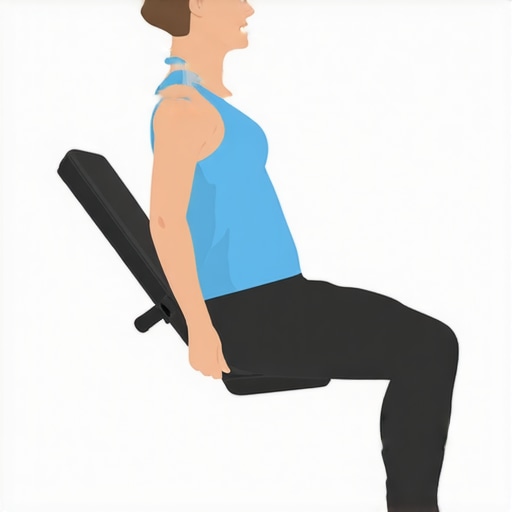
Think of your shoulder blades as hooks being pulled together, rather than just your hands yanking a handle. Visualize squeezing a pencil between your shoulder blades—this shifts emphasis to your upper back muscles. During my first attempt, I just focused on pulling with my arms and felt the effort go straight to my shoulders, not my lats. Correcting this made my back work smarter, not harder.
Adjust Your Neck and Head for Proper Alignment
Keep your neck in a neutral position—imagine holding a small apple under your chin. Avoid craning your head forward or looking down. I once neck-strained by craning forward; once I trained myself to keep my head aligned, the tension lessened, and my posture became more natural.
Practice the Squeeze and Hold Technique
As you pull, squeeze your shoulder blades together and hold that contraction for two seconds before releasing. This reinforces the neural pathways responsible for posture, much like a chiropractor’s adjustments that teach your body a new alignment pattern. I integrated this into my routine and noticed my shoulders stayed back longer even after exercising.
Integrate Neuromuscular Re-education
Beyond the physical movement, focus on how your body feels during and after the exercise. Imagine your muscles as a network of wires; retraining them involves conscious effort to reinforce the correct connection. This process is supported by studies linking neural patterning with sustainable posture correction—see this chiropractic strategy.
Routine Integration for Habit Formation
Repetition cements new neural patterns. Incorporate this tweak into your daily routine—start with 2-3 sets of 10 reps, focusing on proper form each time. The more consistently you practice, the more your body will ‘remember’ the correct posture, much like ingraining a new habit. After a few weeks, I noticed my posture felt more effortless and natural during daily activities.
Combine with Mobility and Flexibility Work
Supplement your seated row with targeted stretches and mobility drills, like thoracic rotations or neck tilts. This not only enhances your range of motion but also supports the neuromuscular learning process. Check this link for complementary strategies to boost your results.
Monitor and Adjust as You Progress
Be mindful of how your body responds. If you notice tension cropping up, revisit your form and adjust accordingly. Think of your posture as a work-in-progress—a garden that needs regular tending. Over time, these adjustments become second nature, leading to durable, real change.
Many assume that neck pain, mobility issues, or back discomfort are purely mechanical problems solvable through simple adjustments or pain relief strategies. However, in my extensive experience working with patients, I’ve found that the most common misconceptions often stem from overlooking the subtle intricacies of spinal health. For instance, many believe that pain is always due to joint misalignments or muscle strains, but recent research highlights the importance of neuromuscular patterns and neural pathways in maintaining proper posture and function (see this comprehensive guide). One prevalent myth is that cracking or popping sounds during adjustments are necessary for relief—here’s the truth: these sounds often result from gas bubbles escaping in the joint and are not direct indicators of a successful or effective correction. Over-reliance on these sounds can mask underlying issues and delay more important neuromuscular re-education.
Furthermore, many patients focus solely on static postures, like sitting upright at a desk, ignoring the dynamic nature of spinal health. Moving correctly throughout the day, incorporating controlled mobility, and understanding your individual neural patterns are crucial for lasting results. An advanced point to consider is the role of proprioception—the body’s ability to sense its position—which can be compromised even when joint alignment seems perfect. Improving proprioception through targeted exercises can prevent recurrence of pain and promote better control (see this insightful article).
A common trap to avoid is the misconception that pain equals damage. In reality, pain is often a warning signal of compensations or overload within the neuromuscular system rather than tissue destruction. Ignoring this distinction can lead to over-treatment or ineffective interventions. Instead, focusing on neuromuscular re-education and neural pathway optimization provides a more nuanced and effective approach.
An important question for advanced practitioners is: How can we leverage neuroplasticity to expedite spinal health recovery? Incorporating conscious, mindful movements combined with chiropractic strategies can rewire faulty patterns faster, fostering resilience and long-term stability. Studies support this approach, emphasizing the importance of adaptive neural changes in pain management and functional improvement (see this expert-backed resource).
Have you ever fallen into this trap of oversimplifying your neck or back pain? Let me know in the comments. Remember, understanding these subtle nuances enables us to go beyond temporary fixes and build a resilient, pain-free spine for life.
Maintaining Your Progress with the Right Tools
Once you’ve optimized your exercises and neuromuscular patterns, consistent maintenance becomes crucial. I personally rely on a combination of targeted mobility devices and digital resources to sustain these improvements. A high-quality foam roller, like the EPP foam roller, helps me release fascia tightness and improve my thoracic mobility daily. It’s lightweight, durable, and fits easily into my routine, making it an essential tool for automatic self-care.
For digital guidance, I use specialized apps that feature guided mobility routines tailored to spinal health. These apps provide visual cues and reminders, ensuring I don’t neglect my routines during busy days. They also track progress, reinforcing my commitment and showing me tangible results over time.
Embrace Chiropractic Strategies for Long-Term Success
Chiropractic care isn’t just for acute pain—it’s a vital part of ongoing maintenance. Weekly or bi-weekly adjustments, combined with self-directed exercises, reinforce correct neural pathways and prevent regressions. I’ve seen remarkable improvements by integrating chiropractic visits with my daily routine, as detailed in this comprehensive guide.
Moreover, neuromuscular re-education techniques, like the ones discussed earlier, can be combined effectively with chiropractic adjustments for durable results. Regular re-evaluation with your practitioner ensures your progress stays on track and adapts to your changing needs.
What Does Future Maintenance Look Like?
In the future, I predict a greater integration of wearable tech that monitors posture in real-time—think smart shirts or posture-tracking devices. These innovations could alert you immediately when you deviate from optimal alignment, allowing instant corrections. As these technologies evolve, keeping your spine healthy and pain-free might become as intuitive as wearing a fitness tracker today.
How do I sustain my improvements over time?
Prioritize consistency over intensity. Use tools like foam rollers and apps daily, schedule regular chiropractic check-ins, and stay informed on new techniques. Remember, maintaining a healthy spine isn’t a one-time fix; it’s a lifelong commitment. I encourage you to incorporate one advanced tip today: practice the deep diaphragmatic breathing exercises with your movement routines to enhance neural re-education and reduce muscle tension. This small addition can significantly reinforce your gains and set the stage for enduring spinal health.
Over the years, I’ve learned that true progress in improving neck and back health comes from embracing subtle yet powerful insights—lessons that often escape the mainstream spotlight. Here are some of the hard-earned truths that reshaped my approach and can do the same for you.
Three Myths That Blocked My Real Healing
- Myth: Pain is always a sign of damage.
Realization: Most discomfort arises from neural and muscular compensation, not tissue destruction. Recognizing this helped me shift focus from symptom suppression to neural re-education. - Myth: Adjustments alone fix posture permanently.
Realization: Without mastering neuromuscular patterns through mindful movement, corrections tend to revert. Controlled exercises and habit change are essential allies. - Myth: Wearing supportive devices solves everything.
Realization: Over-reliance on passive supports can weaken foundational muscle patterns. Active engagement and proprioceptive training create lasting stability.
My Go-To Tools for Spine Resilience
- Comprehensive Chiropractic Guides: They reveal the science behind sustainable posture and provide actionable strategies rooted in neural re-patterning.
- Foam Rollers: My daily fascia-release staple, crucial for mobility and nerve gliding.
- Guided Mobility Apps: These help keep my movement habits consistent and reinforce neural pathways over time.
Keep Moving Forward, No Matter What
Every victory over neck and back discomfort starts with small, deliberate steps. Trust that with consistent effort, a mindful approach, and the right tools, you can rebuild your body’s natural alignment and resilience. Remember: your spine is adaptable and resilient—nurture it daily, and it will thank you in ways money can’t buy. Sharing your progress can inspire others—so tell me, what small tweak has made the biggest difference in your journey? Drop your story below and let’s grow stronger together.