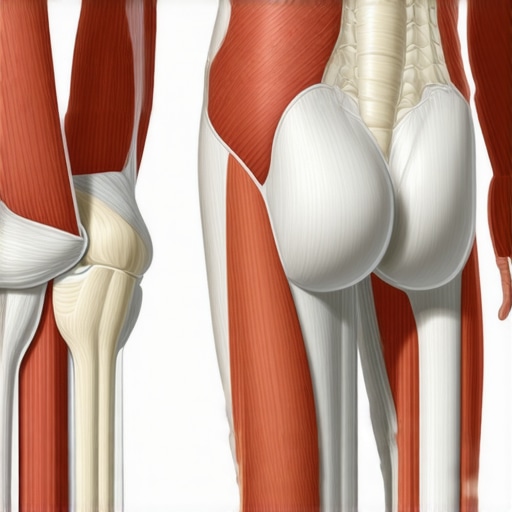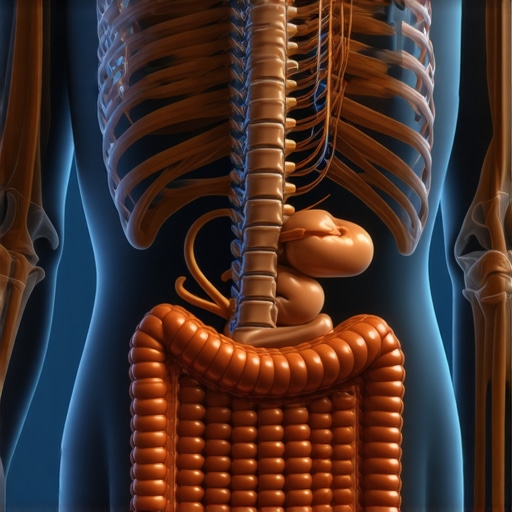
The ‘Seated Twist’ that is actually grinding your vertebrae
I remember the moment vividly—twisting to grab my coffee and feeling that sharp, grinding sensation in my spine. It was as if my vertebrae had turned into tiny cement mixers, and I wondered if I’d just permanently damaged my back. That lightbulb moment revealed a harsh truth: sometimes, what seems like a simple stretch or movement can actually be a warning sign of deeper issues.
The Seated Twist: A Gentle Stretch or a Hidden Culprit?
For years, I believed that doing a seated twist was a quick way to release tension and improve mobility. It looked harmless enough—just a gentle rotation while sitting in my office chair. But gradually, I started noticing that each attempt made things worse. Instead of relief, I felt more discomfort, pinching, and even a grinding sensation that kept me awake at night. It’s frustrating because the seated twist is widely promoted as a beneficial move in many mobility routines, yet for some, it can become a source of pain.
In fact, I learned that this common practice might be inadvertently grinding your vertebrae if done improperly or if your spine isn’t ready for it. Early on, I made the mistake of forcing the move without understanding my own spinal health, which only amplified the problem. Recognizing this was a game-changer. That’s exactly what I want to help you avoid—missteps that can worsen your back issues instead of resolving them.
Today, I’ll share proven strategies to transform your approach, so you can improve mobility without risking more damage. If you’ve ever felt a similar grinding sensation or dismissed your discomfort as just part of aging, this guide is for you. Let’s get into the real deal behind safe spine movement, starting with understanding why some traditional tips might be doing more harm than good.
Will the Seated Twist Actually Worsen Your Back Pain?
One of the biggest misconceptions I fell for early on was thinking that every stretch—especially those that
Eliminate Forced Twisting: Move Smarter, Not Harder
When attempting to enhance your spinal mobility, avoid forcing uncomfortable stretches like the seated twist. Instead, start with gentle movements that respect your current range. For example, sit upright in a chair, place your hands on your thighs, and slowly turn your upper body to the side, stopping if you feel any grinding or sharp pain. A micro-story: I once tried to deepen my twist by twisting further each day, which led to increased discomfort. Realizing the importance of listening to my body prevented future injury. Recognize that forcing movements can grind your vertebrae—think of it like trying to bend a metal rod beyond its limit, risking a snap. For safer techniques, consider exploring chiropractic-backed strategies at Revitalize Your Mobility.
Incorporate Controlled Breathing to Ease Tension
Controlling your breath during movement not only relaxes muscles but also calms your nervous system. Practice inhaling slowly through your nose to prepare your spine for gentle movement, then exhale as you gently rotate or stretch, focusing on relaxing tight muscles. I remember during a session, I used deep breaths to reduce initial resistance, which allowed me to progress without triggering pain. Think of your spine like a tense rope—the softer and more controlled the tension, the less risk of injury. Incorporate breathing techniques regularly—this simple addition can transform your mobility approach and support lasting relief, as discussed in Chiropractic Techniques for Mobility.
Gradually Increase Movement Range
Don’t jump straight into deep twists or stretches. Instead, build your mobility gradually. Begin with small, controlled rotations—like turning your head side to side or gently twisting your torso to the point of mild discomfort, not pain. Over days and weeks, slight increments can dramatically enhance flexibility. I once started with just five degrees of rotation and doubled it over a month, noticing decreased stiffness and a reduction in grinding sensations. Think of it like watering a plant—the slow, consistent watering fosters healthy growth without overwhelming the roots. Regularly revisit the Back Mobility Strategies to keep progress steady and safe.
Optimize Your Posture During Daily Activities
Make conscious adjustments to how you sit, stand, and move throughout the day. For example, avoid slouching in your chair; instead, sit tall with your feet flat on the ground, shoulders relaxed. When lifting objects, bend at your hips rather than your waist, keeping your spine neutral. Small, consistent posture tweaks act as preventative measures, reducing unnecessary strain that can lead to grinding and pain. I learned this the hard way when my habit of slouching caused recurring discomfort; fixing my posture was like giving my back a reset button. For detailed posture improvements, explore Chiropractic-Centered Movement.
Use Proper Support Equipment
Support your spine with ergonomic tools—like lumbar rolls or adjustable desks—to maintain proper alignment. For instance, a lumbar pillow when sitting can prevent excessive flexion that causes vertebral grinding. I incorporated a lumbar roll into my workspace and immediately noticed less fatigue and discomfort. Think of supportive equipment like the scaffolding that stabilizes a building during renovation—essential for long-term health. Regularly assess your setup and make adjustments as needed through resources like Back Health Hacks.
Many individuals assume that pain relief simply involves stretching or popping joints, but the reality is far more nuanced. A common myth is that all back pain originates from poor posture or a weak core, leading to unnecessary exercises that might exacerbate issues. In my experience, pushing for quick fixes often results in frustration or injury because it overlooks foundational spinal health principles. For example, over-reliance on aggressive stretching can grind your vertebrae, as the body’s tissues require a careful, adaptive approach. Recognizing these pitfalls can save you from long-term damage. Experts like Dr. Stuart McGill emphasize that understanding how load, movement, and tissue tolerance interact is crucial for effective treatment (source: McGill, S. “Low Back Disorders”). An advanced mistake many overlook involves ignoring the body’s warning signs—such as grinding or sharp discomfort—that indicate you’re pushing beyond safe limits. Instead, aim for controlled, mindful movements that respect your unique spinal architecture. Have you ever fallen into this trap? Let me know in the comments. For a comprehensive guide to proper mobility practices that prevent grinding and promote lasting relief, check out Revitalize Your Mobility. Remember, gradual progress rooted in expert knowledge is the safest path to health, not shortcuts that could backfire.Maintaining your spinal health over time requires not only awareness but also the right tools and methods. Personally, I rely on a combination of ergonomic accessories and digital resources that genuinely make a difference in my daily routine. A good starting point is investing in a high-quality lumbar support pillow, like the one I use, which helps maintain proper posture during extended sitting sessions and prevents the common slump that leads to neck and back pain. Additionally, I swear by posture-crompting apps such as Upright or Welltory, which remind me to correct my alignment throughout the day, ensuring consistent spinal positioning. These tools are particularly effective because they train your body to develop healthy habits rather than just providing temporary relief.
For more advanced mobility maintenance, I incorporate regularly scheduled chiropractic sessions that focus on personalized adjustments and soft tissue therapy. This professional input not only addresses existing issues but also prevents future problems by improving joint mobility and reducing muscle imbalances. To enhance long-term results, I combine these sessions with targeted home exercises like the Dead Bug drill or hip mobility stretches, which I perform daily. Such routines strengthen the stabilizing muscles around my spine, making me more resilient to daily stresses.
Looking ahead, I predict that the integration of wearable technology with AI-driven feedback systems will become standard practice in spinal health care. Devices embedded with sensors will continuously monitor your posture and movement patterns, providing instant corrective cues before misalignments develop into chronic issues.
How do I maintain my back and neck health over time?
The key is consistency. Use ergonomic tools like lumbar supports consistently, integrate posture apps into your daily routine, and schedule regular chiropractic checkups. Don’t forget to keep your core engaged with simple exercises; they are the foundation of a durable spine. For an immediate boost, try incorporating the Hip-2-Shoulder stretch I learned from a top chiropractor—it’s a game changer for reducing neck tension and preventing grinding sensations. If you’re serious about protecting your mobility, I highly recommend exploring those proven strategies and making them part of your long-term plan. Remember, the right tools and habits today pave the way for pain-free movement tomorrow.
The Hardest Lesson I Learned About back pain,mobility,neck pain,chiropractic
One of the most profound realizations I had was that rushing into aggressive stretches or ignoring my body’s warning signs only deepened my back issues. Patience and mindful movement are key—pushing beyond pain thresholds can cause long-term damage.
3 Myths About back pain,mobility,neck pain,chiropractic That Held Me Back
I used to believe that cracking my neck was always beneficial, or that stiff muscles meant a need for intense stretching. Discovering that some myths, like assuming all pain is due to weakness, can prevent effective healing was a game-changer.
What Experts Won’t Tell You About back pain,mobility,neck pain,chiropractic
Many professionals emphasize the importance of slow, controlled movements over quick fixes. I learned that listening to my body, combined with expert strategies like those shared at Revitalize Your Mobility, yields lasting results.
My Essential Toolkit for back pain,mobility,neck pain,chiropractic
I swear by ergonomic accessories such as lumbar supports and the use of posture apps like Upright. These tools help reinforce healthy habits throughout my day, reducing the risk of grinding and discomfort. Regular chiropractic care combined with targeted exercises like the Dead Bug drill have profoundly improved my resistance to injury.
Where to Go from Here
If you’re serious about maintaining long-term spinal health, integrating these habits—mindful movement, proper support, professional guidance, and consistent routines—can transform your mobility journey. Embrace the small daily choices that reinforce your spine’s resilience and keep pain at bay.
Your Move Toward Lasting Comfort
Now, I invite you to reflect: what small change can you implement today to improve your back and neck health? Remember, progress is a journey, and every mindful step counts. Share your thoughts below—I’d love to hear your experiences or questions on this path to pain-free movement.
,