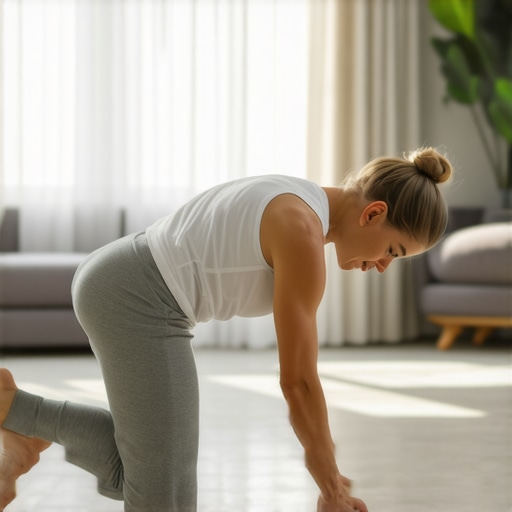
The ‘Frog Stretch’ for stubborn lower back and hip tightness
I remember the exact moment I realized I couldn’t ignore my lower back and hip pain any longer. It hit me during a morning yoga session, when I tried to stretch and felt that sharp, stubborn tightness radiate through my hips and down my lower back. No amount of twisting or bending seemed to loosen it. That uncomfortable awakening pushed me to investigate deeper, and what I discovered was eye-opening.
If you’ve ever felt that persistent ache—like your hips are welded shut or your lower back is a brick wall—you’re not alone. Chronic stubbornness with back and hip tightness can drag down your daily life, making simple tasks feel like a workout. It’s frustrating. I know because I’ve been there. But here’s the good news: you don’t have to rely solely on temporary fixes or expensive therapy. There’s a simple yet powerful movement that transformed my mobility, and I believe it can do the same for you.
Today, I’m going to share my experience and reveal how the Frog Stretch became my secret weapon against that stubborn tension. We’ll go beyond generic stretches and get to the core of proper technique, so you can finally experience relief and regain your freedom of movement.
The Importance of Unlocking Hip and Lower Back Tension
Tight hips and a stiff lower back are more than just discomfort—they’re signposts of underlying mobility issues that, if left unattended, can lead to long-term pain and even injury. When your hips are limited, your body compensates elsewhere, often causing strain in your lower back, knees, or shoulders. Conversely, a stiff lower back can restrict your range of motion, making everyday activities a challenge.
What’s fascinating is that many of us ignore these warning signs until they spiral into chronic problems. A 2022 study emphasizes that improving hip mobility not only alleviates pain but also enhances overall movement quality and reduces the risk of injury (source: https://quackersspinal.com/unlocking-neck-pain-relief-expert-tips-for-lasting-comfort).
So, what does this mean for you? It means that addressing hip and lower back tightness isn’t just about temporary relief; it’s about restoring your body’s natural harmony. And that’s where the Frog Stretch comes into play.
Before you dismiss it as just another trendy move, let me share a rookie mistake I made early on: I tried to force my hips into a stretch without proper form. That only worsened my discomfort, making me feel more hopeless. The key is to learn the right way to perform the Frog Stretch, ensuring safety and effectiveness.
Are you tired of dealing with stubborn back and hip tension that won’t go away? If so, stay tuned. I’m going to walk you through a proven, step-by-step approach to turning this simple stretch into your ultimate mobility booster.
Start with Comfortable Positioning
Lie on your stomach and gently spread your knees apart, keeping your feet in line with your hips. Think of opening a butterfly’s wings slowly, avoiding any sudden movements that might cause discomfort.
Engage Proper Alignment
Ensure your ankles are relaxed and your hips are squared. Imagine your pelvis as a bowl of water; keep it level to prevent any spills that can lead to strain. I recall the first time I tried this, I almost collapsed because I was tensing my hips unintentionally.
Gradually Deepen the Stretch with Controlled Breathing
Inhale deeply through your nose, filling your lungs. As you exhale, gently press your hips downward, feeling the stretch in your hips and lower back. It’s like slowly squeezing a sponge—it needs patience to gradually release tension.
Hold Without Overstretching
Maintain the position for 30 seconds, focusing on relaxing your deep pelvic muscles. I once tried to push myself into a full stretch right away; I ended up with soreness. Remember, incremental progress is key.
Use Supporting Props if Needed
Place a cushion or yoga block under your hips for extra support. This adjustment helps prevent overextension and allows your muscles to adapt gradually, making the stretch sustainable over time.
Incorporate Regular Movement Breaks
Perform this stretch 2-3 times daily, especially if you sit for long periods. Think of it as recalibrating your body’s mobility settings, much like a software update that improves performance.
Progress with Dynamic Variations
Once comfortable, gently sway your hips side to side, mimicking a gentle wave—this promotes dynamic flexibility. I found that adding small movements after initial holding sessions made the stretch more effective and engaging.
Monitor Your Body’s Responses
If you feel any sharp pain, ease out of the stretch immediately. It’s akin to a warning light on your dashboard—ignoring it can lead to bigger issues. Keep a journal of your sensations to track progress and adjust accordingly.
Combine with Complementary Techniques
Use this stretch alongside other mobility exercises like the hip hinge or spinal twists to enhance overall flexibility. Integrating multiple methods creates a comprehensive approach to back health, as outlined in back pain relief strategies.
Stay Consistent and Patient
Consistency outweighs intensity. Like tending a garden, regular care yields the best results—so keep at it, even if progress seems slow at first. Remember, every gentle effort adds up to lasting mobility.
Many people believe that a quick chiropractic adjustment or stretching session can permanently resolve back and neck pain, but this oversimplifies a complex issue. A common misconception is that pain always indicates a structural problem that needs fixing, whereas often, it’s linked to faulty movement patterns and muscle imbalances that require a comprehensive approach. For instance, some assume that visiting a chiropractor regularly will cure their issues; however, without addressing underlying habits, these interventions provide only temporary relief. Advanced mistakes involve ignoring the importance of neuromuscular control and proprioception, which are crucial for sustainable mobility. According to Dr. Stuart McGill, an expert in spine biomechanics, strengthening stabilizer muscles and training proper movement mechanics are far more effective long-term than passive treatments alone.
What About the Myths Surrounding Muscle Tightness and Spinal Alignment?
Many believe that all tightness stems from muscle shortening that needs stretching, but in reality, some tightness is a protective response to improve stability or guard against injury. Overstretching muscles without addressing the root cause can weaken your core and destabilize your spine, increasing injury risk. Additionally, the myth that spinal misalignments are the primary cause of chronic pain neglects the role of the nervous system and muscular control. Evidence suggests that focusing solely on realigning bones overlooks the importance of motor control exercises and movement retraining. For example, incorporating core stability drills and proprioceptive training significantly enhances mobility and pain reduction, as outlined in the comprehensive strategies shared in restoring back mobility. Remember, true progress often requires a multidisciplinary approach that combines manual therapy, targeted exercise, and lifestyle adjustments.
Be cautious of falling into the trap of quick fixes or relying solely on passive treatments like massage or foam rolling. These can sometimes mask symptoms without addressing the underlying dysfunction. Instead, aim for a holistic plan that emphasizes movement quality, stability, and mindful habits. For advanced readers, consider how integrating functional movement assessments and neuromuscular training can unlock your body’s full potential and prevent future problems. Have you ever fallen into this trap? Let me know in the comments.Maintaining optimal mobility and pain relief over time requires more than just occasional stretches or chiropractic visits. It involves a strategic approach using effective tools, consistent habits, and staying informed about evolving techniques. One tool I personally rely on is the foam roller. I opt for a medium-density foam roller because it strikes the perfect balance—firm enough to loosen tight muscles without causing discomfort. Using it daily, especially on my thoracic spine and hip flexors, has significantly improved my postural alignment and reduced chronic stiffness. For targeted neck relief, I use a tennis ball to perform suboccipital releases, which you can learn more about at this guide. Consistently incorporating these tools prevents regressions and supports ongoing mobility progress.
Smart software can also be a game-changer. I recommend using posture correction apps that gently remind you to sit up straight or take movement breaks—apps like Nekoze or Stand Up! are excellent options. These subtle prompts make maintaining correct posture a habit, which is crucial because even slight misalignments, if uncorrected, can lead to long-term discomfort.
In the future, I predict a surge in integrated devices combining biofeedback with AI coaching to personalize mobility routines further. Imagine a wearable that detects muscle tension and automatically suggests stretches or adjustments in real time—advanced, yet immediately accessible.
If you’re serious about sustaining your mobility, how do you maintain your back and neck health over time? A key practice is integrating specific self-treatment techniques with your daily routine. For example, perform rolling exercises with your foam roller a few minutes in the morning and evening, targeting areas where tension accumulates. This routine not only keeps muscles supple but also trains your neuromuscular system to automatically correct posture before issues escalate.
Don’t ignore the importance of consistent maintenance. Whether it’s daily self-myofascial release with a foam roller or using an app to keep your spine aligned, these habits ensure long-term results. I encourage you to try the tennis ball suboccipital release I’ve mentioned—many find it incredibly effective in reducing neck tension. Remember, proactive care today prevents more serious issues tomorrow. For tailored advice or guidance on creating your personalized mobility plan, consider consulting a qualified chiropractor or movement specialist.
The Hardest Lesson I Learned About Back Pain, Mobility, Chiropractic, Neck Pain
One profound realization was that quick fixes and passive treatments only address symptoms temporarily. True recovery demands understanding that your body’s mobility is a reflection of your daily habits and movement quality. Ignoring this led me to overlook the importance of consistent, mindful movement and integrating proper techniques like the Frog Stretch into my routine. These lessons taught me patience and the significance of addressing root causes, not just surface discomforts.
3 Myths About Back Pain, Mobility, Chiropractic, Neck Pain That Held Me Back
- Myth: Stretching alone can fix all mobility issues.
Reality: Without strengthening and proper movement patterns, flexibility gains are limited. - Myth: Spinal misalignments are the primary cause of chronic pain.
Reality: Neuromuscular control and muscular imbalances often play a bigger role. - Myth: Passive treatments are enough.
Reality: Active engagement through exercises like the Frog Stretch and movement retraining is essential for lasting relief.
What Experts Won’t Tell You About Back Pain and Neck Stiffness
Many overlook the importance of neuromuscular control and daily habits in maintaining mobility. Instead of solely seeking adjustments, focusing on movement quality, stability, and core resilience offers sustainable solutions. Developing self-awareness about posture and incorporating targeted tools, like foam rollers or tennis balls, can empower you to manage and prevent discomfort more effectively.
Where to Go from Here
Start small by integrating the Frog Stretch correctly into your daily routine and paying attention to your body’s signals. Combine this with mindful habits, proper ergonomics, and supportive tools to build a resilient and flexible body. For more insights, check out essential chiropractic tips for neck relief or explore proven strategies for back pain relief. Remember, consistent effort and informed choices are your best allies in regaining full mobility and reducing chronic pain.
Embrace Your Journey and Take Action Today
Healing mobility isn’t about overnight miracles but persistent, mindful effort. Trust in the process, celebrate small victories, and prioritize your body’s signals. Your movement matters—let that be the foundation for lasting well-being. How will you start integrating these habits into your daily routine today?