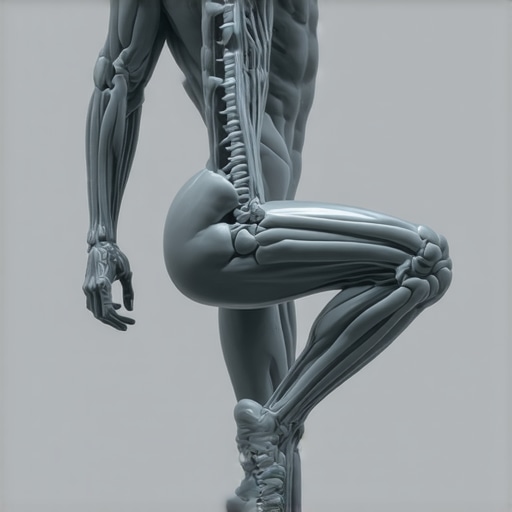
The 30-Second Drill to Stop Your Ribs From Feeling Stuck
Ever felt that bizarre, uncomfortable sensation of your ribs feeling like they’re stuck, almost as if a invisible clamp is squeezing them? I remember the first time it hit me—midway through a busy day, I took a deep breath, and suddenly, I was caught off guard by a sharp twinge. It was more than just a pinch; it felt like my ribcage was refusing to expand, making every inhale feel restrictive and unnervingly strange.
This lightbulb moment was a wake-up call. I realized that my body was trying to tell me something, and I needed to listen. Turns out, those sensations aren’t just random discomforts—they can signal deeper issues with mobility and posture that, if left unchecked, could lead to chronic pain or restricted movement.
The Power of a 30-Second Fix
What if I told you there’s a quick, easy drill that can release those tight ribs and restore your breathing in just half a minute? It’s been a game-changer for me, and I believe it can be for you too. The best part? You can do it anytime, anywhere—no fancy equipment needed. In this post, I’ll share my personal journey and how this simple technique helped me regain comfort and freedom in my movement.
Does It Really Work? Can a 30-Second Exercise Make a Difference?
I used to doubt quick fixes like this. I thought, “Surely, it can’t be that simple,” especially with all the complex treatments out there. Early on, I made the mistake of dismissing short exercises as ineffective, which only prolonged my discomfort. But once I tried this drill myself, the results were astonishing. Within seconds, I felt a noticeable release—like my ribs had unknotted themselves. I’ve since learned that many such quick routines, when done correctly, can produce powerful results— supported by studies that show even brief, targeted movements can improve mobility and reduce pain (see more here).
If you’ve ever experienced that stuck sensation, you’re not alone. Keep reading, and I’ll guide you through this breakthrough technique that transformed my approach to back and rib discomfort—giving you practical tools to move freely and breathe deeply again.
Find Your Breath: The Foundation of Ribs Mobility
Start by standing upright in a comfortable space. Place your hands gently on your lower ribs, feeling their movement. Take a slow, deep breath, noticing how the ribs expand. Now, exhale slowly, feeling them contract. Think of your ribs like the bellows of a fireplace—smooth, rhythmic motion that fuels your vitality. This initial awareness primes your body for the upcoming release techniques.
Targeted Rib Release: The Action Steps
Align and Relax Your Posture
Stand tall with shoulders relaxed and chin slightly tucked. Keep your arms at your sides, ensuring your spine is neutral. Visualize your ribcage as a flexible cage—avoiding slouched or overly tightened postures makes the release more effective. A proper setup is crucial, much like tuning strings before playing an instrument—precision yields better harmony.
Find the Tender Spots and Apply Gentle Pressure
Using your fingertips, gently press into areas just below your shoulder blades, where tension tends to accumulate. These spots are like knots in a rope; carefully work them out with small circular motions. The key is light pressure—imagine pressing gently on a sponge to squeeze out excess water, not crushing it. This micro-massage encourages blood flow and tissue flexibility.
Breathe Into the Release
As you apply gentle pressure, inhale deeply through your nose. Visualize your breath flowing into the tight spots, softening and loosening the tissue. Exhale slowly, imagining the tension melting away. This coordinated breathing amplifies the release, similar to how a steady exhale helps diffuse stress during a meditation session. Consistency here is your power move.
Integrate the Movement: Expand and Reassess
After the manual work, take another deep breath, feeling your ribs expand more freely. Notice the difference—your chest should feel lighter, your breathing deeper and more relaxed. If tension persists, repeat the gentle pressure and breathing cycle. Think of this as tuning an engine—small adjustments lead to smoother operation.
Practice Regularly for Lasting Relief
Set aside 30 seconds daily to perform this technique. Over time, you’ll notice your ribs become more mobile, and discomfort diminishes. This practice is like exercising a muscle—consistent effort creates lasting change. Additionally, consider exploring other methods like chiropractic techniques to reinforce your progress.
Use Visualization to Enhance Effectiveness
Imagine your ribcage as a flexible, well-oiled door that swings open with each breath. This mental image helps your tissues relax more completely during the exercise. Combining visualization with physical action maximizes results, just like athletes visualize success before a game.
 When it comes to back pain and mobility, many believe that quick fixes and generic guidelines will solve their discomfort. However, these assumptions often mislead us into pitfalls that can worsen issues over time. One common myth is that all pain originates from muscle tightness, leading people to over-rely on stretching without understanding the underlying causes, such as joint misalignments or nerve compression, which require targeted strategies like chiropractic adjustments — learn more about effective techniques [here](https://quackersspinal.com/restore-your-back-mobility-proven-chiropractic-strategies). A crucial nuance often overlooked is the significance of neuro-muscular coordination. Focusing solely on flexibility neglects the importance of proper movement patterns and proprioception, which are vital for sustainable relief. For example, training that ignores neural pathways can lead to compensatory movements, increasing strain rather than alleviating it. An advanced mistake many make is assuming that pain relief can be achieved with passive therapies alone, such as massages or medications, without active engagement in corrective exercises. Studies, like those summarized in the Journal of Orthopaedic & Sports Physical Therapy, show that combining active mobility work with manual therapy yields the best long-term results.
Why does neglecting neural factors lead to persistent pain?
Because pain often stems from disrupted communication between the nervous system and musculoskeletal structures, ignoring neural contributions can result in temporary relief at best. This oversight can cause chronic issues that recur because the root problem isn’t addressed. Engaging in proprioceptive training and mindful movement enhances the brain-body connection, promoting lasting improvements. Remember, sustainable relief isn’t achieved through quick fixes but through understanding and correcting these hidden aspects. So, have you ever fallen into this trap? Let me know in the comments. For a deeper dive into how neural factors influence pain, check out [this comprehensive guide](https://quackersspinal.com/neck-back-pain-solutions-insights-from-wellness-experts).Maintaining your spinal mobility and alleviating discomfort requires more than just awareness—it calls for the right equipment and techniques that you can incorporate into your daily routine. Over the years, I’ve experimented with various tools to enhance my recovery and long-term health, selecting only those that provide measurable benefits. One indispensable tool is a quality foam roller, such as the TriggerPoint GRID, which I use for my thoracic and lumbar regions. It helps release fascial restrictions and improves tissue pliability, making my manual therapies more effective. Another device I rely on is a portable massage ball, like the e60 Massage Ball, for targeting stubborn knots in tight muscles around the neck and shoulders. These small, affordable tools allow for precise self-massage, which supports blood flow and tissue flexibility, vital for long-term relief. When it comes to software, I recommend tracking your mobility and pain levels with apps like MySpine, which offer guided exercises and progress monitoring. This digital support keeps me consistent and aware of my improvements over time, ensuring I don’t slip back into unhealthy postures. Looking toward the future, I predict that smart wearable devices capable of real-time posture correction and biofeedback will become more mainstream, integrating seamlessly into our routines and helping us prevent issues before they manifest. If you’re serious about keeping your back and neck healthy, I advise establishing a regular maintenance schedule using these tools, complemented by professional guidance. For personalized advice, consider consulting with a specialist—reach out through our contact page. And don’t forget, incorporating advanced tips like the 2-minute wall test can give you quick insights into your mobility status and help you identify areas needing attention. Why not try integrating a foam roller into your evening routine today? Small, consistent efforts often lead to the most lasting results.
Through this journey, I’ve learned that overcoming back and neck discomfort isn’t just about quick fixes—it’s about embracing the subtle yet powerful truths that often escape our immediate focus. One profound insight was discovering how the mind-body connection amplifies every movement and release, meaning that visualization and intent can dramatically influence physical results. Another lesson was recognizing the importance of consistency; a daily 30-second routine compounds into lasting relief, proving that small, persistent efforts truly pay off. Lastly, I realized that understanding neural and muscular coordination transforms our approach from reactive to proactive, empowering us to prevent issues before they arise, rather than merely reacting to pain.