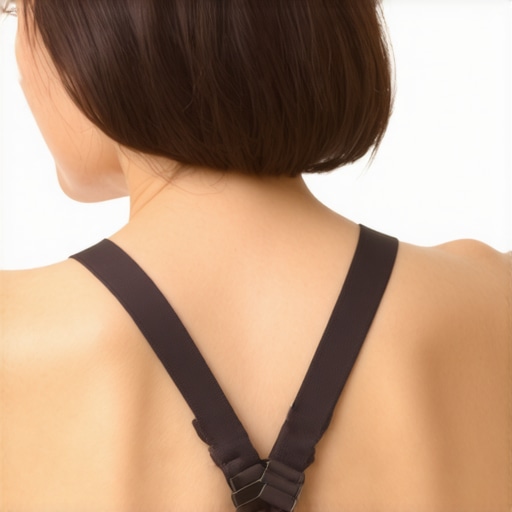
Why your bra strap might be causing mid-back pain
Have you ever woken up with a sharp twinge in your mid-back after a long day, only to realize that your bra strap might be the culprit? I used to dismiss discomfort around my shoulders and upper back as just part of busy life, until the pain became a daily unwelcome visitor. It was an eye-opening moment when I finally connected the dots — a simple piece of clothing, something I wore every day, was unknowingly contributing to my discomfort.
How Something So Small Can Cause Big Pain
It turns out that the fit and positioning of your bra strap can have a surprising impact on your spinal health. When straps are too tight, they can pull on delicate muscles and ligaments in your shoulders and upper back, causing tension that radiates down into the mid-back region. Over time, this constant strain can lead to chronic discomfort, reduced mobility, and even posture issues. And the worst part? Most women don’t even realize their favorite, trusted bra might be doing more harm than good.
Ever Wondered if Your Bra Is Making It Worse?
One mistake I made early on was wearing bras with straps that looked pretty but weren’t supportive or well-fitted. I thought a snug fit was necessary for a good shape, but in reality, it was aggravating my back pain. After some trial and error, I discovered that not all straps are created equal, and finding the right fit can transform your comfort level.
If you’ve been experiencing persistent mid-back pain, especially after a long day or workout, it’s worth examining your undergarments — they might be the hidden cause. But don’t worry, I’m here to guide you through understanding the why and how so you can reclaim your comfort and mobility.
Why Your Bra Strap Might Be the Hidden Culprit
While it may sound surprising, the connection between your clothing choices and spinal health is more significant than many realize. Constant pressure from poorly fitted straps can lead to muscular strain, misalignment, and even contribute to posture problems over time. According to a study published in the National Institutes of Health, prolonged uneven pressure on muscles can cause discomfort that cascades into more serious issues if left unchecked.
Addressing this often-overlooked factor starts with a simple step: ensuring your bras fit properly. It’s a small change with the potential for a big impact on your overall back health. Next, I’ll share practical tips to select the right fit and avoid common pitfalls. Are you ready to finally put an end to that lingering mid-back ache? Let’s dive in.
If this sounds familiar, I’d love to hear about your experiences. Have you noticed how your clothing choices affect your pain levels? Share your story or ask questions — I’m here to help you find lasting relief and improve your overall well-being.
For more tips on improving posture and pain relief, check out this guide on neck pain solutions or explore these expert methods for back discomfort.
Assess Your Current Bra Fit
Start by measuring your band and cup size accurately. Use a soft measuring tape around your ribcage just below your breasts and around the fullest part of your bust. When I did this myself, I realized my usual size was too tight, which contributed to shoulder tension. Knowing your true size helps you select supportive, well-fitting bras that don’t pull or dig.
Identify Signs of Improper Fit
Look for signs such as straps digging into your shoulders, bands riding up your back, or gaps in the cups. In my experience, wearing a bra with straps that are too tight causes muscles in my shoulders to tense, exacerbating mid-back discomfort. Addressing these issues is crucial for relief.
Choose the Right Supportive Bra
Opt for bras with adjustable straps, wide bands, and proper cup support. When I changed to a bra with wider straps and a snug yet comfortable band, I immediately felt less strain in my back. Make sure the band feels firm but not constrictive, and hooks comfortably on the tightest setting for future adjustments.
Test the Fit Correctly
Fasten the bra and rotate your arms; the band should stay in place without riding up, and straps shouldn’t leave marks. I found that doing this test in front of a mirror helped confirm the fit. If adjustments are needed, try different styles or sizes until you find a snug but comfortable fit.
Adjust Your Strap Length Properly
Set straps so they stay in place without pulling excessively on your shoulders. When I loosened my straps slightly, I noticed immediate relief from neck and upper back tension. Remember, straps are meant to support, not to tighten and pull muscles.
Use Supportive Accessories if Necessary
Consider adding shoulder pads or switching to bras with wider straps, especially if you have a longer torso or carry heavy breasts. These accessories distribute weight more evenly, alleviating pressure on your mid-back. I tried a padded shoulder strap, which made a noticeable difference in comfort.
Monitor and Maintain Your Fit
Reassess your bra fit every 6-12 months, especially after weight changes or if you notice new discomforts. Regularly refreshing your fit prevents issues from developing unnoticed. Incorporate this check into your routine to uphold good posture and spinal health.
Applying these steps transformed my daily comfort. No more constant tension, and my mid-back pain significantly decreased. Properly fitted bras aren’t just about aesthetics—they’re vital for supporting your back and maintaining mobility. For additional guidance on back health or other mobility tips, explore chiropractic strategies to enhance movement.
Many believe that neck pain and limited mobility are simply the result of aging or minor injuries, but as an expert in spinal health, I can tell you there’s often more beneath the surface. A common misconception is that quick chiropractic adjustments are a one-stop fix for chronic issues. While adjustments can provide relief, relying solely on them without addressing underlying habits may lead to recurring pain. In fact, some practitioners promote intense manipulations that can inadvertently cause microtrauma if not performed correctly, which might worsen the problem over time. It’s essential to understand the nuance—that consistent, gentle, and personalized care often yields better long-term results than aggressive, cookie-cutter treatments.
Are You Falling for the Simplistic Solution? An Advanced Look at Neck and Back Care
A critical nuance that many overlook is the importance of addressing neurological and muscular imbalances that contribute to pain. For example, research published in the Journal of Manipulative Physiological Therapeutics emphasizes that targeted neuro-muscular exercises complement chiropractic care by retraining the brain-to-muscle pathways, leading to more lasting relief. Moreover, misconceptions about posture often lead people to think that holding perfect alignment constantly is necessary, when in reality, focusing on movement variability and resilience-building is more effective. Avoid the trap of obsessing over static positions; instead, aim for dynamic stability, which enhances overall mobility and reduces strain during everyday activities. Remember, the goal isn’t just temporary relief but fostering a resilient spine capable of withstanding daily stresses. If you want to maximize your progress, consider exploring expert strategies like those detailed in our guide on [restoring full mobility after injury](https://quackersspinal.com/chiropractic-secrets-to-regain-full-mobility-after-injury). Are you guilty of oversimplifying your treatment plan? Drop a comment below—I’d love to hear your experience. For additional insights on managing neck and back pain effectively, review our comprehensive resource on [neck pain solutions](https://quackersspinal.com/neck-pain-no-more-expert-chiropractic-solutions-that-work). Remember, lasting change involves a multidimensional approach, not just treating symptoms but addressing root causes.
Maintaining spinal health doesn’t rely solely on periodic chiropractic visits or quick fixes. Instead, having the right tools and routines in place can make a profound difference in preserving mobility and preventing pain over time. As someone deeply involved in spinal health, I recommend specific equipment and methods that I personally use daily to stay aligned and active.
Quality Foam Rollers for Deep Tissue Release
Using a foam roller correctly can unlock tight muscles and improve circulation, which is essential for long-term back health. My favorite is the Supernova Foam Roller, because its varied surface texture targets different muscle layers without causing microtrauma. I spend five minutes rolling my thoracic and lumbar regions every morning, which helps prevent stiffness and enhances mobility. Regular use keeps my muscles supple, reducing the risk of compensatory habits that lead to pain.
Smart Posture-Tracking Technology
Staying mindful of your posture throughout the day is challenging, especially during long work sessions. That’s where wearable technology like the Nudgify Posture Alarm comes into play. I wear it during computer work; it alerts me instantly when I slump or tilt excessively, encouraging immediate correction. Over weeks, this helps retrain my brain to maintain healthier postures naturally, diminishing strain on the neck and back muscles.
Electrical Stimulation Devices for Muscle Activation
Incorporating electrical stimulation, such as the Compex Stimulator, can enhance muscle strength and endurance around the spine. I use it for 20 minutes after workouts, targeting key back muscles to sustain activation and delay fatigue. This preventative strategy ensures my core remains stable, supporting proper alignment and reducing long-term degeneration risk.
Progressive Resistance Bands for Mobility Maintenance
Maintaining range of motion is crucial. My go-to is the TheraBand Clutch Resistance Band. I perform gentle dorsal and lateral stretches with it, especially focusing on thoracic rotation. This allows me to keep my spine flexible and counteract the natural tendency to stiffen with age or inactivity, making daily movements smoother and less painful.
In the continual pursuit of spinal wellness, I predict a growing trend towards personalized, tech-enabled approaches. Wearable sensors combined with app-guided routines are streamlining mobility maintenance. To start integrating some of these practices, try using a foam roller or a posture sensor today—small steps that yield lasting benefits. Remember, the key is consistency. For more comprehensive strategies, explore this resource on regaining full mobility.
How do I maintain my mobility tools over time?
Regular inspection and replacement of equipment ensure their effectiveness. For example, foam rollers can degrade or lose their firmness after frequent use, diminishing their ability to release tight muscles. I schedule a quick check every six months: feeling for cracks or flattening and replacing them as needed. Electronic devices require updating firmware and proper charging to function optimally. Incorporating daily or weekly routines with these tools, along with periodic assessments, guarantees they serve your spinal health long-term. Maintaining a consistent schedule, much like regular chiropractic visits, underpins lasting mobility and pain prevention. Want to explore more advanced techniques? Dive into how chiropractic enhances movement and make your mobility tools work effectively for years to come.
The Unexpected Wisdom Behind My Back Pain Awakening
One of the most profound lessons I learned was how small, often overlooked habits, like the fit of my bra, could be silently sabotaging my spinal health. It taught me that genuine wellness requires attention to all aspects of daily life, not just major treatments or exercises. Recognizing this shifted my perspective from reactive to proactive, emphasizing the importance of mindful choices in maintaining mobility and comfort.
My Go-To Tools for Lasting Back Relief
Over time, I discovered that integrating thoughtful equipment and routines into my daily schedule made a significant difference. A quality foam roller like the Supernova Foam Roller became essential in my self-care arsenal, helping prevent muscle tension before it starts. Wearable tech such as the Nudgify Posture Alarm serves as a gentle, constant reminder to stay aligned. Combining these tools with targeted exercises and regular assessments creates a personalized framework for sustainable spinal health.
Embrace the Change and Step Into a Pain-Free Future
Taking action may feel daunting, but every small step you undertake toward better posture, supportive clothing, and consistent movement habits can dramatically improve your quality of life. Remember, your journey with neck pain, mobility, and back health is uniquely yours—embrace the process, celebrate the victories, and stay committed to making continuous progress. The path to lasting relief is within your reach, and each mindful choice brings you closer to a stronger, more resilient spine.
What’s your next move in reclaiming spinal health? Share your thoughts or questions below—I’d love to hear about your journey to a pain-free life.
,