How to carry a baby without throwing out your back
Last week, I nearly toppled over when lugging a screaming toddler out of the park because my back gave out just as I was reaching the car. That moment of helplessness hit me hard—how could something so natural turn into a debilitating pain so quickly?
As a parent, carrying your little one is as inevitable as sunrise. But what shouldn’t be inevitable is suffering from back pain that steals your joy and limits your ability to care for your family. Over the years, I’ve learned that managing this pain isn’t about enduring discomfort but understanding how to carry your baby safely and comfortably.
Today, I promise to share practical, experience-based strategies to help you carry your baby without throwing out your back. No gimmicks—just real tips that work for busy parents like you.
Why Proper Baby Carrying Is a Game-Changer for Your Back
Carrying a baby seems simple—cradle, support, lift. But every time you pick up your child, your spine bears the brunt of your effort. Poor technique or just plain fatigue can quickly turn into chronic pain, sciatica, or worse. It’s easy to overlook small mistakes early on, but these accumulate, leading to long-term damage.
Early in my parenting journey, I made a rookie mistake: I always carried my baby on my hip. At first, it felt natural—until I started experiencing persistent lower back soreness. That’s when I discovered that combining proper lifting techniques with mindful posture could prevent a lot of unnecessary pain. It’s a lesson I wish I had learned sooner.
Every parent faces this challenge. If you’ve ever wondered whether your carrying style could be causing the nagging aches, you’re not alone. Fortunately, simple adjustments can make a huge difference. To learn how to protect your back while still holding your child close, I’ll walk you through easy, effective tips inspired by chiropractic insights and expert advice.
Before we dive into the practical steps, let me address some common fears. Many parents worry that reducing the way they carry their kid might feel unnatural or leave their little one less secure. Rest assured, these methods are all about creating a balanced approach that prioritizes both your comfort and your baby’s safety.
And if you’ve ever thought, ‘Is this just a phase? Will my back ever get better?’, know that with the right strategies, you can—and should—find relief. For more in-depth insights into how spinal health impacts your overall well-being, explore this [article on neck and back pain solutions](https://quackersspinal.com/neck-back-pain-solutions-insights-from-wellness-experts).
Now, let’s explore how you can make your baby-carrying routine both pain-free and enjoyable.
Master Your Lifting Technique
Always bend your hips and knees to squat down, keeping your back straight as if you’re closing a car door. When lifting, engage your core muscles—think of tightening a corset—to provide stability. I vividly recall a day I practiced this during grocery shopping; the difference was immediate—my back didn’t strain, and I felt much more balanced.
Maintain Proper Posture During and After Carrying
Keep your shoulders pulled back and chest open, avoiding slouching or leaning forward—it’s akin to adjusting a puppet string to keep everything aligned. After carrying your baby, take a moment to stand tall and reset your posture, preventing muscles from becoming overworked.
Use Supportive Baby Carriers Correctly
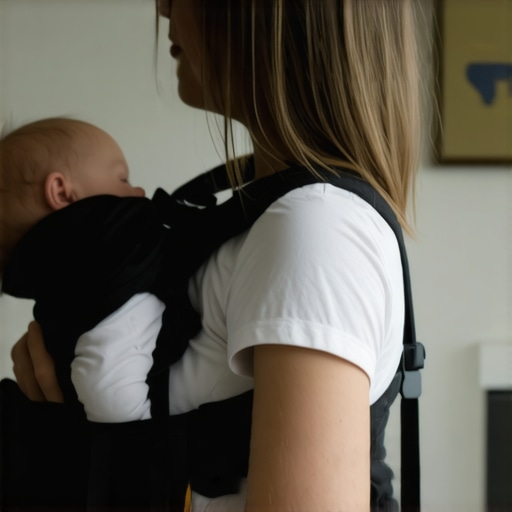
Select a carrier that distributes weight evenly across your hips and shoulders. Ensure the baby’s position is close to your body, with their hips in a healthy ‘M’ position—knees higher than hips. Remember to adjust straps to avoid leaning forward or backward excessively. In my experience, a well-fitting carrier significantly reduces spinal strain, making outings more enjoyable.
Incorporate Strengthening Exercises
Focus on core stability exercises like planks and bridges—imagine building a natural corset around your abdomen. Regularly practicing these can fortify muscles that support your spine, reducing injury risk. I started with a simple plank routine; within weeks, I noticed improved endurance during lengthy carrying sessions.
Optimize Your Environment for Better Posture
Arrange your home in a way that minimizes the need for awkward movements—place frequently used items at waist level. When setting up your workspace, ensure your computer monitor is at eye level, and your chair supports lumbar curvature. These small adjustments can prevent cumulative strain—think of them as the foundation of a good building.
Many people believe that persistent back and neck pain stem solely from injury or poor posture, but the reality is far more complex. One common myth is that all pain heals with rest or simple stretching; however, this can sometimes exacerbate underlying issues. For example, many overlook the significance of spinal alignment and muscle balance, which are critical for long-term relief and mobility. Incorrectly assuming that pain is purely a structural problem may lead you to unnecessary surgeries or ineffective treatments, while chiropractic adjustments and targeted therapies can address root causes more effectively.
Why do some individuals remain in pain despite following standard advice?
Scientific studies, such as those discussed on [quackersspinal.com](https://quackersspinal.com/neck-back-pain-solutions-insights-from-wellness-experts), indicate that pain often comes from subtle imbalances or nerve irritations that aren’t visible on scans. Advanced techniques like neuro-musculoskeletal assessments help identify these hidden issues, enabling personalized treatment plans. It’s a mistake to rely solely on generic routines because they can mask deeper problems, potentially leading to chronic discomfort. Recognizing these nuances allows practitioners to craft strategies that restore true function rather than just temporarily alleviating symptoms.
Moreover, be wary of the trap where patients think pain is inevitable with aging. In fact, aging-related degeneration is often exaggerated, and many cases improve dramatically with proactive chiropractic care aimed at maintaining mobility and spinal health. Preventive adjustments, along with strengthening exercises, can delay or reverse degenerative processes. For instance, experts highlight in [this comprehensive article](https://quackersspinal.com/additional-resource-link) how early intervention preserves range of motion and reduces pain severity.
Understanding these subtle factors underscores why personalized approaches outperform one-size-fits-all solutions. If you’re still attributing pain solely to injuries or wear and tear, it’s time to reconsider. A deeper assessment by a skilled chiropractor can reveal imbalances or hidden nerve constrictions that perpetuate pain cycles.
Don’t fall into the trap of thinking that pain management is a straightforward path. Instead, see it as a puzzle where each piece—muscular, neurological, structural—must fit perfectly for long-lasting relief. For advanced insights, I recommend exploring detailed guides on [mobility mastery](https://quackersspinal.com/mobility-mastery-expert-tips-for-back-pain-prevention-and-recovery) and [restoring spinal health](https://quackersspinal.com/back-pain-recovery-how-chiropractic-care-transforms-lives). These resources can help you understand the nuances that might be overlooked in common treatments.
Have you ever fallen into this trap? Let me know in the comments.
Keeping Your Back and Neck in Peak Condition with Effective Tools
Maintaining spinal health over time requires more than just awareness; it demands the right equipment and consistent methods. A pivotal tool I personally recommend is the use of a high-quality lumbar roll. I rely on the TheraBand Lumbar Support Roll during long periods of sitting, especially when working at a desk. Its ergonomic design helps maintain the natural curve of my lower back, preventing strain and discomfort. Using a lumbar roll correctly involves placing it just above your belt line, ensuring your pelvis remains in a neutral position, which is crucial for long-term spinal health.
Another invaluable addition to my routine is the Foam Roller. I use a 36-inch dense foam roller to perform my daily thoracic extensions. This simple yet effective tool helps release tightness in the mid-back, promoting better posture and mobility. Regularly rolling out the upper back can significantly reduce neck and shoulder tension, as detailed in this guide on chiropractic techniques.
Complementing physical tools, I utilize Spinal Alignment Apps such as SpinalTouch or Posture](https://quackersspinal.com/maintaining-healthy-posture-digital-tools-and-tricks). These apps provide real-time feedback and reminders to correct your posture, especially during extended sitting periods. They integrate sensor data to offer personalized tips, ensuring your spinal health is not left to chance.
As for exercises, I swear by the Bird Dog and Glute Bridge, which strengthen key stabilizing muscles. Performing these with proper form—engaging your core and avoiding compensations—can dramatically improve your resilience against injuries. The chiropractic insights stress the importance of consistent stabilization work for long-term mobility.
How do I maintain spinal health and mobility over time?
The answer lies in integrating these tools into your daily routine. Regularly rolling out tense muscles, supporting your lumbar spine during prolonged sitting, and monitoring your posture via digital aids can create a resilient spine that ages gracefully. I encourage you to try incorporating a daily thoracic foam rolling session or using a lumbar support pillow during work hours. These investments in your health pay dividends over years, delaying degenerative changes and ensuring you stay active and pain-free.
Looking ahead, I believe advancements in wearable technology will offer even more tailored feedback, making maintenance easier. Devices that track your spinal alignment and posture in real time are already emerging, hinting at a future where personalized back care becomes as routine as brushing your teeth.
To deepen your understanding of how these tools can help, check out this comprehensive chiropractic guide. Take action today—start with a simple thoracic foam roll or a lumbar support pillow and notice the difference in your daily comfort and mobility.

Throughout my journey helping parents and individuals improve spinal health, I’ve uncovered profound insights that often go unnoticed. One of the most eye-opening lessons is that addressing symptoms without understanding underlying patterns can lead to repeated struggles and frustration. It’s not just about quick fixes but about embracing a comprehensive mindset that prioritizes long-term wellness. Recognizing the importance of personalized assessments over generic advice has transformed how I approach treatment, empowering clients to retain mobility and comfort as they age.
Another revelation is how small daily habits—like the way you sit, lift, or carry—compound over time. Small tweaks, such as integrating targeted core exercises or using ergonomic tools consistently, create ripple effects enhancing overall spinal resilience. The key is consistency and a willingness to adapt routines based on feedback from your body, which our modern technology now allows us to do more intuitively than ever before.
Perhaps most inspiring is understanding that age is just a number when it comes to spinal health. With proactive care, proper movement, and mindful habits, you can defy expectations and enjoy a vibrant, pain-free life well into later years. This mindset shift—believing in the possibility of sustained mobility—has motivated countless clients to take action and reclaim their quality of life.
My biggest piece of advice is to see your back and neck health as a dynamic, ongoing journey rather than a one-time fix. Embrace the tools, techniques, and expert insights available, and watch how your body responds with strength and resilience. Continuous learning and self-awareness are your best allies in this process. For further guidance on these strategies, explore resources like this article on expert insights.
My Must-Have Items for Staying Pain-Free and Mobile
Over the years, I’ve built a personalized toolkit that supports spinal health daily. Among my essentials is the TheraBand Lumbar Support Roll, which I use to maintain proper lumbar curvature during extended sitting sessions. It’s simple yet effective in preventing that familiar ache that creeps in after hours at a desk. I also swear by a quality foam roller for thoracic release; it helps me stay flexible and reduces muscular tightness that can escalate into pain if neglected.
Digital aids like posture-monitoring apps—such as SpinalTouch—offer real-time feedback that keeps me mindful throughout the day. These tools aren’t just gadgets; they’re active partners in maintaining healthy alignment, especially during long workdays or travel. Additionally, dedicated exercises like the Bird Dog and Glute Bridge form the core of my stability routine, strengthening muscles that support the spine and prevent injuries. Trusting these tools and exercises has made a tangible difference in my longevity and vitality.
To deepen your own spinal resilience, explore comprehensive guides on proven chiropractic strategies and techniques for mobility and pain relief. Investing in the right equipment and routine will pay dividends later, helping you stay active and pain-free longer than you ever imagined.
Keep Moving Forward With Confidence
Choosing to prioritize your back and neck health today is an act of self-respect that sets the stage for a future filled with vitality. Remember, every small step—whether adopting better lifting techniques, integrating supportive tools, or committing to regular exercises—contributes to a stronger, more resilient you. The journey toward lasting relief is ongoing, but with dedication and the right knowledge, it’s absolutely achievable.
Are there specific moving or lifting habits you’ve struggled with? Share your experiences in the comments below and let’s support each other in building healthier, pain-free lives.