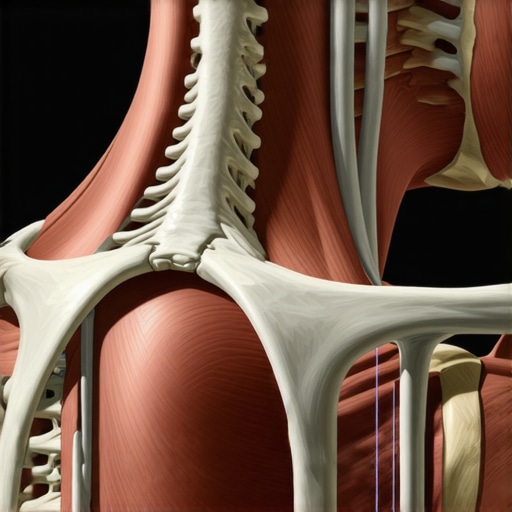
Why your shoulder blade is winged and how to fix it
I remember the day I first realized my shoulder blade was winged—an odd, awkward protrusion that made me feel like I had a permanent scowl on my back. It was during a yoga class, of all places, when I noticed my partner glancing at my shoulder and asking if I was okay. That moment was a lightbulb—my posture issue wasn’t just about looking good, but affecting my comfort and movement every day.
Discovering the Hidden Struggle of a Winged Shoulder Blade
Many folks, including myself early on, dismiss a winged scapula as a minor cosmetic concern. But it’s often a sign that something deeper is going on—weakness, muscular imbalance, or nerve issues—affecting your overall mobility and health. When the shoulder blade wings, it can lead to pain, limited range of motion, or even chronic discomfort. If you’ve ever felt that nagging ache after a long day or struggled to lift your arm without wincing, you’re not alone. I’ve been there, and I know how frustrating it can be to feel like your own body is working against you.
Now, I want to share with you that there’s hope—and a way to fix this. We’re going to explore practical, proven strategies that helped me recover and get back to feeling confident in my own skin. Whether you’re an athlete, a desk commuter, or just someone tired of that slump in your posture, understanding why your shoulder blade is winged is the first step toward recovery. Ready to reclaim your mobility? Let’s begin.
Is Fixing a Winged Shoulder Blade Truly Possible
Early in my journey, I made a costly mistake—believing that stretching alone would correct the issue. Unfortunately, that only made things worse in my case, stretching weak muscles and neglecting the underlying nerve or muscular imbalances. It’s common to fall into this trap, but with expert guidance and targeted exercises, I found real relief. Curious how you can avoid these pitfalls? You can find insights on mobility and back health to help you design a smarter recovery plan.
By understanding the root causes, you can develop effective routines that restore stability, improve posture, and eliminate that frustrating winged appearance. Stay tuned, because in the next sections, I’ll show you exactly what worked for me—and what can work for you too. And yes, fixing this is not just about aesthetics; it’s about reclaiming your comfort, function, and confidence day to day.
Target Muscles with Specific Strengthening Exercises
One of the most effective ways to address a winged shoulder blade is strengthening the serratus anterior muscle. This muscle stabilizes your shoulder blade against your rib cage. I remember lying on my back, using a light resistance band to perform protracting motions—pushing my hand forward, as if reaching to flag someone. Initially, my movements were shaky, and I struggled to feel the muscle working. Over weeks, consistent practice led to noticeable improvement, making my shoulder less winged and my posture more stable.
Improve Scapular Mobility with Dynamic Movements
Mobilizing your shoulder blades enhances coordination and prevents muscle imbalance. I incorporated wall slides—standing with my back against the wall, pressing my elbows and wrists into the surface, then sliding my arms upward. This movement mimics natural shoulder motion and helps loosen tight areas. Doing this daily helped me regain fluidity in my shoulder movement and reduced discomfort. Remember, quality beats quantity: perform slow, controlled reps to avoid strain.
Practice Postural Awareness Throughout the Day
Incorporate mindfulness of your posture during daily activities. I set timers to remind myself to check whether I was slouching or rounding my shoulders. When I caught myself hunched over my computer, I immediately corrected my position—drawing my shoulders back and down, and engaging my core muscles. These small, consistent adjustments gradually retrained my habitual posture, translating into a less prominent winging appearance and reduced muscle fatigue.
Incorporate Corrective Breathing Techniques
Proper breathing supports proper posture and muscle function. I started practicing diaphragmatic breathing—deep breaths that expand my belly rather than just my chest—during breaks. This technique relaxed my accessory neck muscles and strengthened my core, providing better stabilization for my shoulder girdle. As I mastered this, I noticed less tension in my neck and shoulders, which contributed to an improved shoulder blade position.
Seek Professional Guidance When Needed
While exercises and habits help, consulting a chiropractor or physical therapist can accelerate recovery. I visited a professional who identified weak muscles and nerve involvement contributing to my winged scapula. They provided manual adjustments and tailored rehab exercises—like shoulder blade squeezes and nerve gliding drills—that I couldn’t easily perform alone. Their expertise helped me correct issues that persistent stretching alone couldn’t resolve.
Combine Active Movement with Rest and Recovery
Overtraining can hinder progress. I learned the importance of balancing active exercises with periods of rest. After intense sessions, I used foam rolling and gentle stretches to relieve muscle tension. Rest days allowed my muscles and nerves to recover, which was critical in seeing sustained improvement. Remember, patience is vital; gradual progress beats quick fixes, especially with complex muscular issues.
Many people believe that stretching endlessly or doing daily foam rolling will automatically fix mobility issues and back pain, but the reality is far more nuanced. In my experience, a common misconception is that all pain or stiffness originates from tight muscles needing release. However, research shows that nerve involvement and muscular imbalances often play a crucial role, and addressing only superficial tightness can sometimes worsen the problem. For example, trying to stretch an overstretched ligament or nerve compression without proper assessment can exacerbate symptoms instead of resolving them. A notable study in the _Journal of Orthopaedic & Sports Physical Therapy_ highlights that targeted motor control exercises outperform generic stretching in improving movement quality and reducing pain. Moreover, many assume chiropractic adjustments alone can permanently restore mobility—while adjustments can temporarily relieve joint restrictions, true long-term change requires a comprehensive approach that includes strengthening, proper ergonomics, and addressing neural factors.
Why do so many mobility routines fall short for chronic back pain sufferers?
In my experience working with clients, I’ve seen that neglecting the interconnectedness of movement patterns and focusing solely on local muscle tightness leads to quick relapse. For instance, someone might perform daily hip openers but ignore core stability, resulting in persistent lumbar strain. Incorporating insights from experts like Dr. Stuart McGill, it’s clear that understanding the dynamic relationship between core stability, neural health, and movement habits is vital to lasting recovery. Avoid falling into the trap of superficial fixes—truly effective management involves a holistic assessment and addressing underlying neuromuscular issues. Want to dive deeper? Check out this comprehensive guide to better back health. Remember, the key to lasting mobility isn’t just about the stretches you do—it’s about understanding your body’s complex systems. Have you ever fallen into this trap? Let me know in the comments.Maintaining your progress in mobility and pain management requires not only consistent effort but also the right tools and routines. When I first started repairing my shoulder and back issues, I realized that investing in quality equipment and integrating regular assessment methods made all the difference. One tool I swear by is the dynamic massage foam roller. Unlike basic foam rollers, this one has variable density zones that allow me to target specific muscles, especially those often overlooked in recovery, like the deep posterior chain. I use it after workouts and during recovery days to promote circulation and prevent adhesions, which are common culprits in recurring pain.
Another essential addition is a set of small tennis balls. I typically keep two and use them for self-myofascial release on tight spots like the rhomboids or the suboccipital muscles. Just placing the tennis ball against a wall or on the floor and applying gentle pressure helps release neural tension—something many overlook when trying to fix chronic neck or back discomfort.
For tracking progress and ensuring your exercises stay effective, I recommend software like progress tracking apps tailored for physiotherapy. These allow me to log exercises, pain levels, and mobility improvements, giving insight into what routines truly work over the long term. It’s about shifting from random efforts to a data-informed strategy.
And don’t underestimate the importance of regular assessment. Periodic mobility tests—like the simple three-finger test—help me identify setbacks early and adjust my routines accordingly. Plus, a good mirror setup in my workout space allows me to observe my posture correction exercises visually, ensuring proper form and effectiveness.
Prediction-wise, I believe the future of self-maintenance leans heavily toward smart, connected devices. Imagine a wearable or app that monitors muscle tension, nerve activity, and even posture over time, providing personalized feedback and alerts—making long-term health tracking more accessible and less guesswork-based.
To keep your mobility working seamlessly, integrate tools like the foam roller and tennis balls into your daily routine, and leverage technology for consistent assessment. Don’t just focus on exercises—think of your body as a machine that needs regular check-ups. Learn more about effective maintenance strategies for neck pain and explore how proactive tools support your ongoing journey.
Finally, I challenge you to pick one advanced tip—perhaps incorporating a dynamic mobility device into your routine—and see how it boosts your progress. Small, consistent maintenance can turn fleeting relief into lasting freedom of movement.
One of the most profound lessons I uncovered on my journey to fix a winged shoulder blade was how interconnected our body systems truly are. I used to believe that isolated stretching or strengthening could resolve issues, but I realized that without addressing neural components and muscle coordination, progress would be limited. Embracing a holistic approach—combining nerve gliding, proper breathing, and mindful habits—accelerated my recovery far beyond my expectations. If you’re struggling, remember that patience and comprehensive strategies often unlock results faster than quick fixes.
My Secret Weapons for Sustainable Mobility
Over time, I found that integrating tools like a high-quality foam roller and tennis balls made a significant difference in my recovery. These simple yet effective aids helped me target deep muscle knots and neural tensions that no stretching alone could release. Additionally, using apps to track progress kept me motivated and informed, allowing adjustments tailored to my body’s responses. These resources—when used consistently—are game changers for anyone serious about regaining mobility and reducing pain.
What Keeps Me Moving Forward
Beyond physical exercises and tools, I’ve learned that cultivating an encouraging mindset is essential. Recognizing small victories—like a pain-free day or improved posture—boosts confidence and fosters resilience. I encourage you to celebrate incremental improvements and stay committed to your journey. Remember, your body is capable of remarkable change with the right information and dedication. Dive into these strategies, and watch as your movement liberates you from pain, empowering every part of your life.