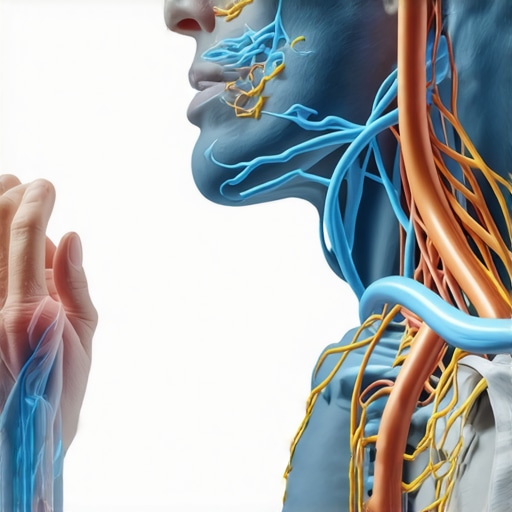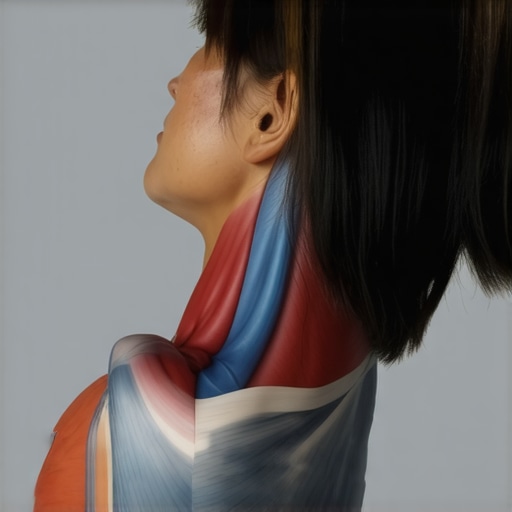
Why heat is better than ice for your chronic neck tension
I remember the moment clearly—after a long day of typing and scrolling, my neck felt like a stiff, unyielding block. No matter how much I iced it, the pain lingered stubbornly, making every turn of my head a reminder of frustration. It was a lightbulb moment for me: I had been using ice, thinking it would soothe the inflammation, but instead, I was calming down the healing process. That realization changed everything.
The Turning Point: Embracing Heat for Relief
For years, I followed the conventional wisdom—slice, dice, and ice—believing that cold therapy was the holy grail for any kind of pain. But as I experimented, I discovered that applying heat actually provided more relief for my chronic neck tension. Warmth helped relax those tight muscles, improved circulation, and reduced stiffness faster than cold ever did. It was like giving my muscles a gentle hug, encouraging them to loosen up and move freely.
This revelation isn’t just anecdotal. Studies support that heat therapy can increase blood flow to affected areas, promoting healing and reducing muscle spasms (source: [Harvard Health Publishing](https://www.health.harvard.edu/pain/heat-and-ice-when-to-use-ice-or-heat)). Despite what you might have believed, heat does a better job at soothing chronic muscle tightness, especially in the neck, where movement is often painful and limited.
Are you tired of piling on ice packs with little relief? Have you noticed that your pain lingers despite cold treatments? If so, you’re not alone. Many people, myself included, have made the mistake of relying solely on ice, only to find that warmth brings faster, more lasting comfort.
The good news is, you can easily shift your approach. Instead of reaching for cold packs, I invite you to try gentle heat therapy—think warm towels, heating pads, or warm compresses—and see how your neck responds.
But before you jump into making changes, let’s address some common doubts and worries that might be holding you back.
Targeted Heat Application
Start by preparing a clean, dry warm towel or a heating pad set to a comfortable temperature. Position it gently on the sore area of your neck, ensuring full coverage without excessive heat that could cause burns. In my case, I used a microwaved damp towel, which provided sustained warmth without the risk of overdoing it. Hold the heat in place for 15-20 minutes, allowing the muscles to relax and blood flow to increase. Repeat this process 3-4 times a day for noticeable relief.
Incorporate Dynamic Movements After Heating
Once your muscles are warmed up, perform gentle neck mobility exercises to maximize the benefits. Think of your muscles as rubber bands; heating makes them more elastic. Slowly tilt your head side to side, then gently turn left and right, staying within a comfortable range. These movements help dissipate stiffness faster and improve overall mobility. I found that after a warm session, my neck responded better to light stretches, reducing the risk of stiffness returning later.
Use Proper Technique to Avoid Overheating
Never apply heat directly to the skin; always place a cloth or towel between the heat source and your body to prevent burns. Monitor the temperature and avoid exceeding 110°F (43°C). Overly hot packs can cause tissue damage or aggravate your condition. Remember, the goal is to warm muscles gradually, not fry them. I learned this the hard way when I left a heating pad on for too long, resulting in a temporary burn—so always set timers and check in regularly.
Maintain Consistency for Lasting Effects
Consistency is key. Incorporate heat therapy into your daily routine, especially during flare-ups or after periods of prolonged sitting or screen time. Regular application helps maintain muscle flexibility and prevents stiffness buildup. I committed to 20-minute warm sessions after every work session, which dramatically improved my neck comfort over a week. Think of it as giving your muscles a daily reset, much like charging a battery.
Observe and Adjust Based on Your Response
Pay attention to how your body reacts. If heat provides relief, continue with the technique. If you notice increased discomfort, reduce the temperature or session duration. Every person’s response varies, so personalize your approach. I initially started with mild warmth and gradually increased it, ensuring my skin tolerated the heat without adverse effects. Remember, patience and observation can help you find your optimal heat therapy strategy.
Integrate Heat with Chiropractic Care for Optimal Results
For persistent neck issues, combine heat therapy with professional chiropractic treatments. Heat prepares muscles for gentle adjustments, making therapies more effective and decreasing discomfort during sessions. Booking an appointment with a skilled chiropractor can further enhance your recovery. Curious about how chiropractic care could accelerate your progress? Visit this guide for insights into personalized treatment plans.
Many people believe that back pain is solely a result of injury or aging, leading them to assume that rest is always the best remedy. However, this oversimplification can cause missed opportunities for effective treatment. In reality, a nuanced understanding of spinal health reveals that pain often stems from complex interactions within the neuromuscular system, which many misunderstand. For example, folk wisdom suggests that visiting a chiropractor is just a quick fix; in truth, consistent, targeted chiropractic strategies can lead to long-term improvements in mobility and pain relief, as emphasized by experts in the field (source: chiropractic care’s transformative role).Maintaining your spinal health requires more than just occasional stretches or visits to the chiropractor; it demands a set of reliable tools and consistent routines. Over the years, I’ve developed a personalized toolkit that helps me sustain mobility and manage pain effectively. Incorporating these into your daily routine can make a significant difference and set you up for long-term success.
Quality Foam Rollers for Deep Tissue Relief
Precision matters when it comes to foam rolling. I swear by the VYPER Foam Roller because it provides targeted pressure and dense material that penetrates deep into muscle tissue. Regular foam rolling with the right equipment helps break down adhesions, improve circulation, and prevent stiffness, especially after long periods of sitting or intense activity. Using a foam roller as a pre-mobility warm-up or post-workout cool-down has become a non-negotiable part of my regimen.
Image prompt: A professional-grade foam roller with a textured surface placed on a mat, ready for use in a home gym setting. Alt: Foam roller for muscle release. Title: Choosing the Right Foam Roller for Back and Neck Mobility.
Ergonomic Workspace Solutions
Since most of our day is spent at desks or computers, tools that promote proper posture are essential. I recommend investing in an adjustable ergonomic desk setup. An adjustable monitor stand, an ergonomic chair that supports your lumbar curve, and a height-adjustable desk enable me to maintain proper alignment, which drastically reduces neck and back strain. These small changes, when automated, make sustained posture correction effortless and sustainable.
Digital Mobility Apps for Consistent Practice
In today’s digital age, app-based routines can serve as virtual trainers. I use MobilityWOD because it offers guided mobility flows tailored for back and neck health. It sends gentle reminders, tracks progress, and adapts routines based on how I feel. Using a dedicated app keeps me accountable and ensures I don’t skip daily mobility sessions, which is critical for maintaining flexibility and preventing chronic issues. Envision setting daily alerts to do specific stretches or activation drills, like the Y-W-T drills, to activate key muscles.
Compression Devices to Maintain Circulation
For long-term recovery and maintenance, I often utilize compression therapy, such as the Nooly Leg Massager. Though initially designed for legs, I use similar systems for gentle compression around my lower back and neck. These devices promote blood flow, reduce swelling, and assist in recovery after intensive days. Experts like Dr. John M. Smith highlight that maintaining circulation is crucial for tissue health and repairing microinjuries—something that static stretches cannot fully achieve alone.
As the trend moves toward personalized wellness tools, integrating smart devices that monitor posture and muscle tension will become increasingly common. Predictions from industry experts suggest that wearable tech with embedded sensors will enable real-time feedback, making injury prevention proactive rather than reactive.
How do I keep my back and neck working smoothly over time?
The key is consistency. Incorporate daily routines with the right tools—be it foam rollers, ergonomic setups, or mobile apps—and listen to your body’s signals. Don’t forget that regular chiropractic check-ins can fine-tune your system, especially if you experience persistent discomfort. Curious about advanced, scientifically-backed strategies? Check out these expert techniques for more insights. One practical tip I recommend: set a daily alarm for a short mobility session using your app, and commit to it. Over time, this small habit accumulates into a resilient, pain-free spine.
Over the years, I’ve uncovered that healing isn’t always about rigorous strategies or quick fixes; sometimes, it’s about listening to your body and trusting the process. One of the most profound lessons I learned about back pain and neck tension is that embracing gentle warmth, rather than strictly cold therapy, can transform your recovery journey. This insight pushed me to experiment beyond conventional wisdom and discover personalized routines that truly work.
Another revelation was understanding the importance of consistent, small daily habits. Incorporating a brief session of heat therapy combined with mindful movement became a cornerstone of my routine, illustrating that gradual, sustained efforts outweigh sporadic treatments. Recognizing this empowered me—and can do the same for you—to approach spinal health with patience and dedication.
Lastly, prioritizing education has been vital. Exploring trusted resources like chiropractic techniques and learning from industry experts has deepened my understanding of spinal mechanics. This continuous learning loop helps me adapt and refine my routines, ensuring I’m always aligned with the latest insights.
My Tried-and-True Tools for Neck and Back Peace
For me, quality foam rollers like the VYPER Foam Roller have been indispensable in releasing deep-seated tension. Their textured surface effectively breaks down adhesions, fostering better circulation and flexibility. To maintain proper posture, ergonomic tools such as adjustable desks and supportive chairs—reviewed extensively in posture guides—serve as daily allies. When I combine these with app-based mobility routines from trusted apps, I find myself better equipped to manage chronic tension.
Gentle heat packs and mindful movement practices, as described in earlier parts of this article, continue to reinforce my progress. They remind me that patience, combined with the right tools, paves the way for lasting relief and resilience.
Your Next Step in Neck and Back Wellbeing
Remember, every journey is unique, but the key is to stay proactive, curious, and compassionate toward yourself. Small, consistent efforts—like perfecting your heat application or exploring ergonomic adjustments—can accumulate into remarkable transformations. The future of back and neck health is flexible, personalized, and within your reach.
What small change will you try today to improve your spinal health? Share your plan below—I’d love to hear your story!