Why your flat feet are making your hips tilt forward
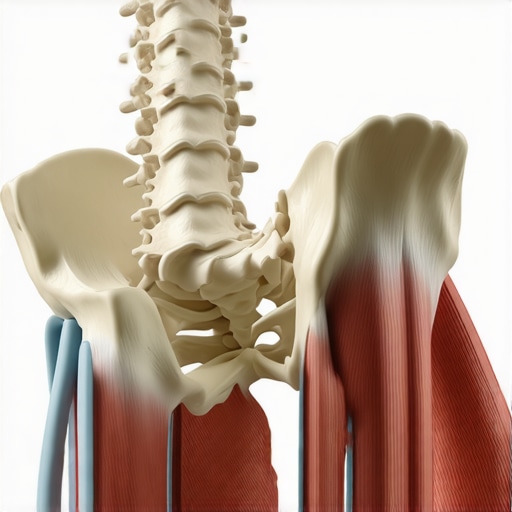
I vividly remember the moment I finally connected the dots. I was standing in front of the mirror, wincing as I tried to stretch out my lower back. That dull ache? It wasn’t just from sitting too long or dodging workouts. It was my flat feet—the unassuming foundation of my body—that silently hijacked my entire posture. My hips tilted forward, pulling my spine out of alignment, and suddenly, everything hurt more than it should have.
Discovering the Hidden Link Between Flat Feet and Hip Alignment
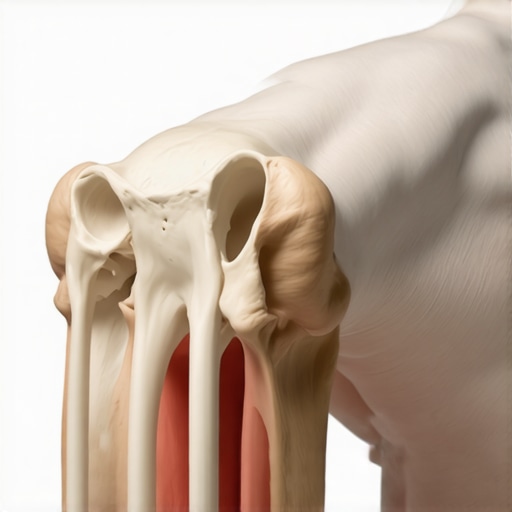
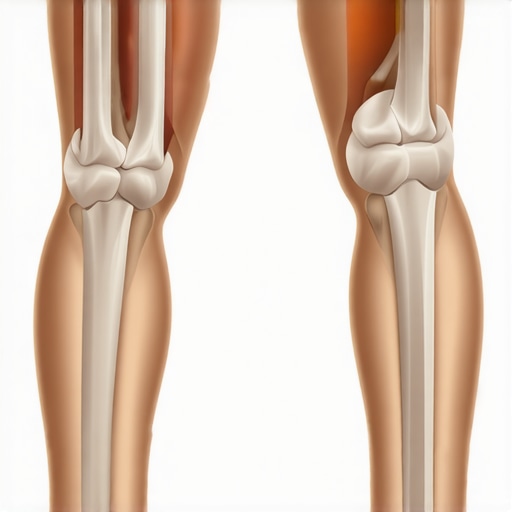
If you’ve ever experienced unexplained hip tightness, lower back pain, or a persistent sense that your body isn’t quite right, you’re not alone. For years, I overlooked the role my feet played in my overall posture. It wasn’t until I started paying attention to my foot arch support and biomechanics that I noticed a real change. Flat feet, or fallen arches, can cause your ankles to roll inward, which in turn affects how your hips sit and move. Over time, this misalignment can make your hips tilt forward—a subtle shift that wreaks havoc on your entire body’s balance and comfort.
Is It Really Worth the Hype to Fix Your Flat Feet?
Initially, I was skeptical. I thought, “My feet are just flat; it’s not a big deal.” But I made a critical mistake early on— I ignored the importance of proper foot support, thinking it was only a matter of comfort rather than an integral part of my musculoskeletal health. That oversight delayed my recovery and exacerbated my pain. If I had started addressing my flat feet sooner, I might have prevented years of unnecessary discomfort. Learning from my mistake, I now know that even minor imbalances at the feet can have cascading effects up your entire spine and hips.
Research supports this interconnectedness. A 2022 study published in Spine Journal found that biomechanical issues at the foot level can significantly influence hip stability and lower back health. Recognizing this link was a turning point for me—and it could be for you too.
So, if you’ve faced persistent hip or back pain and are wondering why your body feels off, this course is just the beginning. Together, we’ll explore practical steps to realign your hips, address flat feet, and reclaim your mobility. Ready to take that first step? Let’s dive in.
Assessing Your Foot Arch and Identifying Imbalances
Start by examining your feet. Sit with your feet flat on the ground and look for excessive flattening or lack of arch. Use a mirror or take a photo of your foot’s underside to compare with standard arch structures. I recall testing this myself on a quiet weekend afternoon, noticing how my arches visibly collapsed when I was barefoot—an eye-opener that prompted immediate action. Recognizing your specific foot structure will guide your support choices and targeted exercises.
Implement Foot-Support Strategies for Alignment
Choose the Right Shoe Inserts
Invest in custom or over-the-counter orthotics designed to support fallen arches. Think of these as the foundation shims that realign the entire house—your body in this case. I once trialed cheap insoles and noticed slight relief, but switching to a professionally fitted orthotic provided stable support that translated into better hip posture and reduced back discomfort over a few weeks.
Incorporate Foot Strengthening Exercises
Strengthen your intrinsic foot muscles with exercises like toe curls, towel scrunches, or marble pickups. These movements are akin to training the roots of a tree—strong roots lead to a healthier trunk. I dedicated just five minutes daily to toe exercises, and over a month, I observed an increase in foot stability which positively influenced my hip tilt and overall mobility.
Align Your Body Through Targeted Mobility Drills
Mobilize the hips and ankles to facilitate better biomechanics. Implement the ankle dorsiflexion stretch—think of your ankle as a hinge that needs lubrication—and hip openers like the 90-90 stretch. During one session, I performed ankle mobility drills after noticing my knees were inward during squats, which reflected poor foot arch support. The result? Smoother movement patterns and less strain on my lower back.
Establish Consistent Posture and Gait Habits
Pay attention to standing, walking, and sitting posture. Use cues like slightly engaging your core or leveling your pelvis during daily activities. I consciously adjusted my posture after noticing subtle hip tilting, which reduced my back pain. Small, mindful corrections can prevent chronic misalignment and reinforce the benefits gained from exercises and supportive gear.
Schedule Regular Chiropractic Check-ins to Reinforce Progress
Consult a chiropractor experienced in gait and posture correction. They can assess your biomechanics and provide manual adjustments to support realignment. I booked a session that complemented my exercise routine, resulting in improved hip symmetry and decreased discomfort. Regular visits can help ensure proper healing and adaptation over time, making your efforts more effective.
Remember, aligning your hips starts from the ground up. Your feet influence every step you take, and correcting flat arches can ripple through your entire musculoskeletal system. Consistency in these steps—support, exercises, mobility drills, habit adjustments, and professional guidance—creates a comprehensive approach to better posture and pain-free movement.
Many people assume that back pain is always caused by a recent injury or that merely popping a few pills will solve the issue. While these beliefs are widespread, they overlook the complex interplay of spinal mechanics, muscular balance, and neural pathways. In reality, persistent back pain often stems from subtle, chronic misalignments or movement deficiencies that aren’t immediately obvious. For instance, some clinicians might recommend bed rest during acute episodes, but emerging evidence suggests that gentle movement and proper spinal mobilization can accelerate recovery and prevent future episodes (see how chiropractic restores mobility).Maintaining your back and neck health over time requires more than just occasional exercises; it involves investing in quality tools and establishing routines that sustain mobility and alignment. One of my personal favorites is the use of a **Lumbar Roll**—a simple, portable device that you can place in your chair to support the natural curve of your lumbar spine. I keep mine at all times, especially during long work hours, because it reminds me to sit with proper posture and prevents my lower back from slumping, which is a common pitfall. Additionally, I rely heavily on **foam rollers** for self-myofascial release, targeting tight muscles that contribute to imbalance and pain. My go-to is a dense, 36-inch foam roller that allows me to perform thoracic extensions and piriformis releases, which directly improve movement quality. For tracking progress and adherence, I use the **Peloton App’s mobility routines**—they are well-structured, easy to follow, and incorporate modifications for different fitness levels. This ensures I stay consistent in my practice, preventing small issues from becoming chronic problems. Looking ahead, the trend in back health tools leans toward smart technology: wearable sensors and AI-driven apps that provide real-time feedback on posture and movement. Companies like Upright Tech are pioneering these innovations, making it easier to correct habits before they lead to pain. If you’re serious about long-term results, I recommend integrating a **posture correction device** that syncs with your smartphone—this keeps you mindful during daily activities. To keep everything functioning smoothly, I schedule regular check-ins with my chiropractor, focusing not just on adjustments but on reviewing my tool-use routine and making adjustments as needed. Have you tried using a lumbar support or foam roller regularly? Incorporate them into your daily routine and observe how your mobility improves over a few weeks. Remember, consistent maintenance tools are the cornerstone of avoiding flare-ups and building resilience. Want to amplify your efforts? Consider exploring **advanced mobility drills** like the *90-90 hip switch*—a proven exercise to unlock hidden restrictions and restore freedom of movement. For comprehensive guidance, check out our detailed articles on [restore your back mobility](https://quackersspinal.com/restore-your-back-mobility-proven-chiropractic-strategies). Keep these tools in play, stay committed, and your back will thank you for years to come.
Throughout my journey to better back health, one lesson continually stood out: the smallest adjustments can lead to the most profound changes. I learned that addressing flat feet isn’t just about comfort—it’s about rewriting the blueprint of your body’s alignment. When I finally embraced targeted support and consistent mobility routines, my pain faded into the background, replaced by newfound freedom of movement. Remember, the path to enduring back relief often starts where we least expect—at the foundation, your feet. By prioritizing this crucial link, you’re not just patching symptoms but empowering your entire musculoskeletal system to thrive.