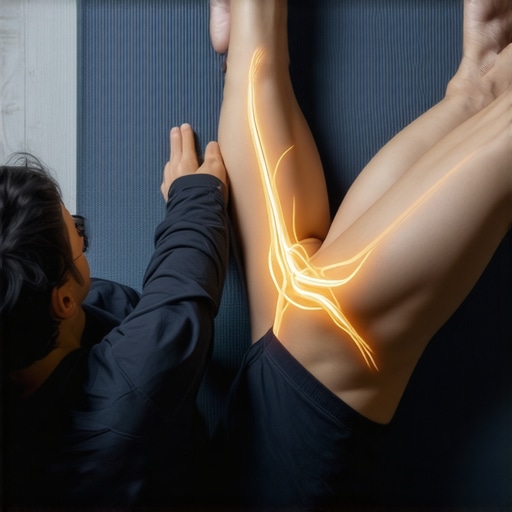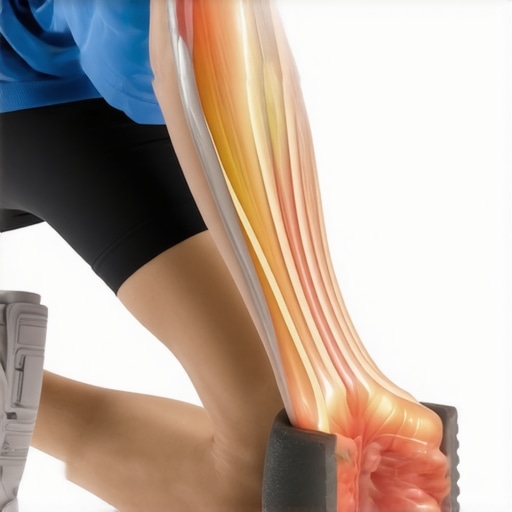
The ‘Plank’ variation that actually protects your lower back
I remember the moment clearly — I was doing my usual workout, feeling confident, when suddenly a sharp pain shot through my lower back. It was as if my spine had betrayed me. That lightbulb moment made me realize how many of us blindly follow exercise routines that, instead of helping, can actually worsen our back woes. For years, I believed that the classic plank was a miracle move for core strength, but I overlooked a critical detail: not all planks are created equal, especially when it comes to protecting your lower back.
Finding the Balance Between Strength and Safety
In my journey to healthier, pain-free mobility, I stumbled upon a game-changing variation of the traditional plank. This version emphasizes spinal stability in a way that supports your natural curves instead of forcing them into uncomfortable positions. After experimenting, I discovered that by tweaking my form and adopting this specific movement, I could strengthen my core without risking future back pain. Trust me, it’s a relief to work on your strength without constantly worrying about re-injury or added discomfort.
Is The Plank Variation Actually Worth the Hype?
Many beginners make the mistake of rushing into planks without understanding their body’s signals. I used to hold my breath, not realizing that tight muscles and poor alignment could lead to more harm than good. That mistake nearly sidelined me for weeks. Now, with the right approach, I feel more confident in my workouts. If you want to avoid the common pitfalls and get the benefits without the pain, stay with me. I’ll guide you through the essentials to make your core work both effective and safe.
For further insights on how improper exercise can impact your overall spinal health, you might find this article helpful: Neck and Back Pain Solutions from Wellness Experts. Ready to discover the secret to a stronger, happier back? Let’s dive into the details that can change how you exercise and feel every day.
Engage Your Core With Precision
Focus on activating your deep abdominal muscles by imagining drawing your belly button toward your spine without holding your breath. The key is control, not speed. During my messy first attempt, I kept my shoulders relaxed and avoided arching my back, which helped me feel the engagement in the right muscles and prevented strain, exemplifying how proper focus transforms practice into progress.
Find the Right Position and Alignment
Set up on your forearms and knees or with your toes tucked, depending on your fitness level. Keep your neck in line with your spine—imagine a string gently pulling your head upward. I once skipped this and ended up looking down, causing neck tension; correcting my posture instantly eased discomfort and improved stability—details worth every rep.
Practice Controlled Movements
Instead of holding a plank for as long as possible, begin with small, controlled lifts—such as just tightening your core muscles while maintaining normal breathing. Think of it like tuning a tightrope—steady, deliberate movements build strength safely. I initially tried to hold my breath, which made my back feel unstable; once I learned to breathe naturally, stability improved markedly.
Maintain Neutral Spinal Curves
A common mistake is overextending or flattening the lumbar spine. Visualize your spine like a gentle wave or the natural curve of a water slide. During my early days, I accidentally hyperextended my lower back, leading to pain; learning to keep a neutral spine prevented this and created a more effective core workout.
Incorporate Micro-Adjustments for Safety
Small tweaks can make a big difference. Adjust your pelvis tilt by imagining tucking or slightly tilting your hips forward. These micro-movements keep your back safe and strengthen your muscles evenly. For instance, I found shifting my pelvis slightly forward during exercises reduced lower back pressure, making the routine more comfortable and sustainable—visit this resource for more back-saving tweaks.
Many people believe that stretching is the quick fix for back pain or stiffness, but in my experience, this common misconception can actually slow down recovery if not approached correctly. Stretching without understanding your body’s unique movement patterns may lead to overstretching minor injuries or reinforcing poor movement habits. For instance, overly aggressive hamstring stretching in someone with posterior chain imbalances can exacerbate lower back issues rather than alleviate them. Remember, the goal isn’t just flexibility but restoring proper movement mechanics. Furthermore, a frequent myth is that chiropractic adjustments provide immediate, lasting relief without addressing underlying movement dysfunctions. While adjustments can be beneficial, relying solely on them without strengthening and neuromuscular training may cause the problem to recur. A key nuance many overlook is the importance of personalized, integrated approaches that consider your specific movement deficits and spinal health. For example, a 2022 study published in the Journal of Orthopaedic & Sports Physical Therapy emphasizes that combining chiropractic care with targeted mobility exercises significantly improves long-term outcomes compared to passive treatments alone. This highlights why understanding your unique biomechanics is vital for lasting relief.
Are You Overlooking the Role of Movement Patterns in Your Pain?
A common trap is focusing only on pain suppression techniques, such as icing or medication, instead of addressing core movement dysfunctions. Correcting these patterns through professional assessment and tailored exercises leads to sustainable improvements. So, next time you seek relief, ask yourself: am I treating my symptoms or fixing the underlying cause? If you’re interested in deepening your understanding, check out how expert methods can guide you toward smarter mobility strategies. Remember, true progress involves precision, patience, and a personalized plan. Have you ever fallen into this trap? Let me know in the comments.Maintaining your spinal health and mobility over the long term requires more than just occasional stretches or exercises; it involves integrating specific tools and consistent routines that support your progress. One of my go-to tools is a high-quality foam roller, like the 36-inch textured version, which I use daily to release tight fascia and prevent muscle knots that can restrict movement and cause pain. I personally find that dedicating five minutes each morning rolling out my back and hips sets a positive tone for the day, keeping my tissues supple and my joints mobile. Additionally, mobility sticks or massage bars help target hard-to-reach areas that tend to tighten up as we age—using these items enhances my tissue flexibility and keeps chronic stiffness at bay.
Incorporating smart software solutions can elevate your long-term mobility strategies. For example, apps like Physiapp or MoveWell offer guided mobility routines tailored to specific needs, reminding me to perform corrective exercises even on busy days. These platforms often include detailed tutorials and progress tracking, empowering you to see your improvements and stay motivated.
Looking ahead, I predict that personal digital coaching combined with wearable tech—such as motion sensors or posture trackers—will become standard in spinal health management. These devices will provide real-time feedback on your movement quality and help you adjust instantly, reducing injury risk and optimizing recovery.
How do I maintain mobility improvements over time?
Consistency is everything. To sustain gains, I recommend setting aside dedicated time daily, whether it’s a quick five-minute mobility drill in the morning or a post-work session on the foam roller. Regularly updating your routine to include new stretches, strengthening exercises, and tools like resistance bands ensures your body adapts and improves steadily. I also make it a point to consult resources like this article to stay informed about evolving techniques and avoid plateaus. Remember, even the most effective tools are only as good as your commitment to using them consistently. I challenge you to incorporate a new piece of equipment—perhaps a mobility stick—this week and observe how your flexibility improves. The key to lasting results lies in integrating these practices seamlessly into your daily life, creating a maintenance routine that becomes second nature.
3 Surprising Lessons Learned From My Mobility Journey
Over time, I realized that genuine progress in spinal health isn’t about quick fixes but about understanding your body’s subtle signals and embracing tailored movements that honor your unique anatomy. One lightbulb moment was recognizing that relentless stretching without addressing core stability can backfire. Instead, focusing on micro-adjustments and controlled exercises transformed my approach and yielded sustainable results.
Secondly, I learned that consistency trumps intensity. A brief daily routine, when done mindfully, outweighs sporadic intense sessions. Small tweaks, like mindful pelvic tilts or precise breathing during exercises, made a huge difference in preventing setbacks. Lastly, I discovered that education matters immensely—equipping yourself with knowledge from reputable sources accelerates healing and helps you avoid common pitfalls that slow progress.
Tools and Resources That Truly Make a Difference
My go-to resource has been expert-recommended mobility techniques that emphasize spinal stability and gentle progression. I also swear by my foam roller, which I use daily to release fascia tightness, and apps like Physiapp that guide me through personalized routines. For deeper insights, proven back pain strategies have been invaluable for maintaining long-term mobility and pain-free living.
Believe in Your Power to Heal and Move Forward
Remember, your journey toward a healthier back and neck begins with a single step. Embrace consistent, mindful movements and leverage trusted tools to build resilience and flexibility. Progress may seem slow at times, but persistence and patience are your best allies. You have the strength to create lasting change—so take action today and prioritize your spinal health. What small, mindful move will you commit to tomorrow to support your mobility goals? Share your plan below, and let’s grow stronger together.