The real benefit of a side-sleeping pillow for your neck
I remember waking up one morning with a throbbing neck that didn’t just fade away after a quick stretch. It was like my pillow had betrayed me overnight, leaving me stiff, achy, and frustrated. That lightbulb moment made me realize how much I had underestimated the importance of proper neck support during sleep. Since then, I’ve dived deep into the world of sleep ergonomics and discovered a game-changer: the side-sleeping pillow.
Why Your Neck Needs More Than Just a Soft Pillow
Proper sleep posture isn’t just about comfort—it’s about health. When you toss and turn at night, your neck and spine take a beating. Poor alignment can lead to chronic pain, stiffness, and even headaches. I used to think that any pillow would do, but I quickly learned that the right support makes all the difference. A side-sleeping pillow specifically designed to keep your neck aligned helps prevent those knotted muscles and achy mornings. According to a study in the Journal of Chiropractic Medicine, maintaining proper spinal alignment during sleep significantly reduces neck pain and improves overall quality of rest. If you’re tired of waking up feeling worse than when you went to bed, it’s probably time to reevaluate your pillow choice. I made the mistake early on of sticking with a pillow that’s too soft or too flat, thinking it would cushion my neck better. Turns out, firmness and contour are crucial for supporting the natural curve of your neck. Choosing the right pillow is a small change with a massive impact—and that’s exactly what we’ll explore today. Are you tired of waking up with stiffness? Do you feel like you’ve tried everything but nothing works? You’re not alone, and I’ve been there too. Let’s dive into how a simple pillow upgrade can transform your mornings and your overall neck health. Next, we’ll cover what to look for and how to find the perfect support for your sleeping style, so stay tuned.
Position Your Head and Neck Correctly
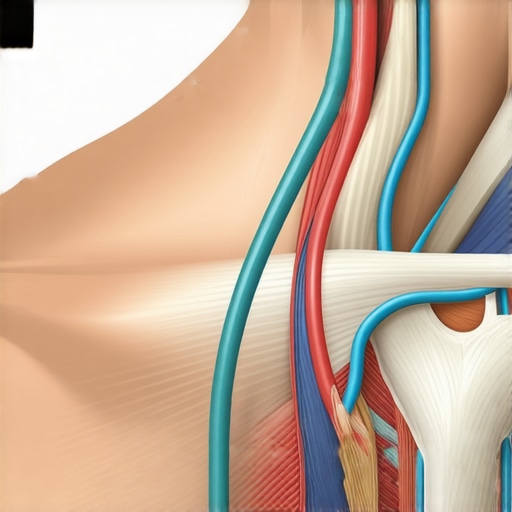
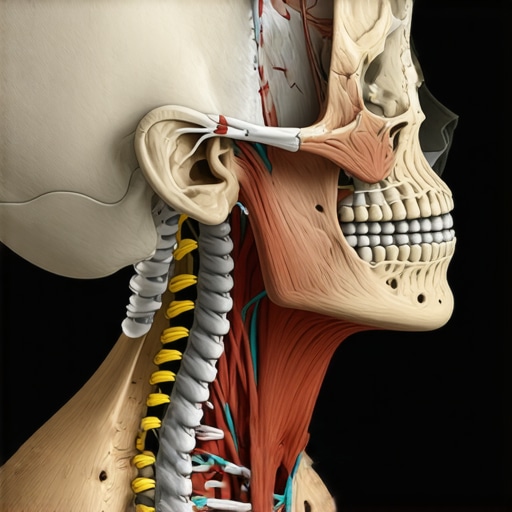
Start by setting your pillow height so that your head aligns with your spine. Think of your neck as the hinge of a door—if the hinge is crooked, the door doesn’t close properly. Use a pillow designed for side sleepers that conforms to your neck’s natural curve, providing consistent support throughout the night. I once tried stacking extra pillows to elevate my head, but it only caused more strain. Instead, I switched to a contour pillow recommended for side sleepers, which kept my neck in a neutral position and reduced morning stiffness.
Learn Proper Sleep Posture
Sleeping positions significantly influence neck health. Sleeping on your side with a supportive pillow maintains spinal alignment, much like a well-designed bridge supporting a heavy load. Avoid stomach sleeping, as it twists your neck and can lead to chronic tension. I had an uncomfortable habit of sleeping face down, but once I transitioned to my side with the right pillow, I noticed a reduction in neck pain. For guidance on best practices, check out expert tips on neck pain relief.
Incorporate Bedtime Mobility Routines
Gentle neck stretches before bed can loosen tight muscles, much like warming up before exercise. For example, slowly tilt your head side to side, hold for 15 seconds, and repeat. This routine improves blood flow and prepares your muscles for restful sleep. I found that doing this routine nightly made mornings less stiff and more refreshing. Remember, avoid harsh or rapid movements to prevent aggravating existing issues. Discover more effective neck mobility techniques at expert methods for neck and back relief.
Monitor Your Sleep Environment
Ensure your mattress provides adequate support; a sagging bed shifts your spine out of alignment, much like a building with a cracked foundation. Replace or add a firm mattress topper if needed, and keep your sleeping space dark and cool for optimal muscle relaxation. I once tried sleeping on an old mattress, which worsened my neck stiffness. Switching to a firmer, supportive surface dramatically improved my sleep quality. For more tips on creating a sleep-friendly environment, visit sleep environment optimization.
Validate and Adjust Support Regularly
Your neck’s needs may change over time—what works now might not in a few months. Pay attention to signs like persistent soreness or stiffness and adjust your pillow height or support accordingly. Think of it like tuning a musical instrument; small tweaks can lead to harmony. I noticed my pillow felt too flat after a year, so I replaced it with one that better supported my current cervical curvature. Regularly reassess your setup to maintain proper alignment and prevent discomfort. Learn more about maintaining spinal health at spinal health insights.
Many individuals believe that chiropractic adjustments alone are the magic fix for persistent neck and back pain. However, this oversimplification ignores critical nuances that differentiate effective care from temporary relief. One common myth is that spinal manipulations instantly resolve chronic issues without addressing underlying habits or postural habits. In reality, studies have shown that combining chiropractic techniques with targeted mobility exercises leads to more sustainable outcomes. For example, research published in the Journal of Manipulative and Physiological Therapeutics highlights that integrating active movement routines significantly enhances recovery and reduces recurrence rates.
Why does focusing solely on adjustments fall short in long-term management?
Relying exclusively on manual therapy without understanding mobility’s role neglects the importance of restoring natural movement patterns. For instance, tight hip flexors or weak core muscles often perpetuate neck and back discomfort, yet many practitioners overlook these contributing factors. This oversight can cause patients to develop a dependency on adjustments, creating a trap of temporary fixations rather than long-lasting improvements. To truly optimize spinal health, it’s essential to combine hands-on care with proper mobility training and ergonomic modifications. Learn more about this integrated approach at chiropractic secrets to boost neck comfort.
Another misconception is that pain is always an indicator of damage needing aggressive intervention. This falls under the common ‘pain equals harm’ myth. In many cases, pain signals dysfunction or irritation, not necessarily structural damage. This misconception can lead to aggressive treatments that exacerbate the problem or cause new issues. Recognizing this is vital; gentle mobilization and controlled movements often facilitate healing more effectively than forceful adjustments. Techniques like functional mobility drills help restore proper movement and prevent future injury, as discussed in restoring back mobility.
Be wary of the trap of neglecting postural education, especially in our digital age. Poor habits like prolonged sitting with improper ergonomics compound spinal strain over time. Advanced practitioners know that addressing these habits is as crucial as the adjustments themselves. For example, correcting screen height or integrating micro-movements during work can drastically reduce neck and back strain. This layered approach emphasizes prevention, reducing the need for frequent interventions.
In essence, effective management of neck and back pain demands more than just quick fixes. It requires an understanding of the complex interplay between chiropractic care, mobility, ergonomics, and lifestyle habits. Failing to recognize these nuances often results in recurring pain and frustration. If you’re serious about making lasting changes, explore comprehensive strategies that combine hands-on techniques with lifestyle adjustments. Discover more about how to unlock sustained relief at the right tips for long-term relief.
Have you ever fallen into this trap? Let me know in the comments.Achieving and sustaining good neck and back health isn’t a one-time effort; it requires consistent maintenance and the right tools. Personally, I rely on a combination of targeted equipment and strategic routines to keep my spine functioning optimally. For example, I swear by the use of high-density foam rollers, like the TriggerPoint GRID Foam Roller, which I use daily to perform my thoracic releases. This tool helps me break up fascial restrictions that can lead to stiffness and pain, especially after long periods of sitting. The key is not just using any foam roller but choosing one with a firm, textured surface that mimics hands-on therapy, allowing deeper tissue work without causing discomfort.
Another essential tool in my regimen is the use of a tennis ball for self-myofascial release. I often place a tennis ball between my back and a wall, targeting specific trigger points in my upper and lower back. This method is superb for alleviating tension in deep muscles and preventing knots that could develop into chronic issues. The beauty of this technique is its simplicity and affordability, yet when done correctly, it’s incredibly effective. You can find detailed guides on how to implement this at expert methods for neck and back relief.
In terms of ongoing mobility, I incorporate resistance bands like the TheraBand Resistance Bands for home exercises. These allow me to perform safe, controlled movements that improve joint range of motion and strengthen supporting musculature. Regular use of resistance bands helps me maintain flexibility in my shoulders and hips, which is fundamental for proper spinal alignment. What’s compelling about them is their versatility—you can mimic many gym-based stretches and strengthening routines at home.
Looking ahead, I predict that wearable technology—like smart posture correctors and biofeedback devices—will play an increasingly vital role in maintaining long-term spinal health. These tools can provide real-time feedback, helping you develop better habits and catch misalignments early. For instance, wearing a device like Upright GO can subtly train you to maintain better posture throughout the day, reducing strain and discomfort.
Have you tried any of these tools before? Which ones have made the biggest difference for you? Don’t hesitate to reach out via our contact page to discuss personalized strategies or get advice on advanced techniques that suit your specific needs.
The Hardest Lesson I Learned About Chiropractic, Mobility, Neck Pain, Back Pain
One of the most eye-opening lessons was realizing that quick fixes like adjustments alone won’t bring lasting relief. True healing requires addressing habits, posture, and lifestyle. I once believed that visiting the chiropractor regularly was enough, but I learned that empowering myself with mobility routines and ergonomic awareness made a world of difference.
3 Myths About Neck Pain and Support That Held Me Back
Many think that firmness equals support, or that a softer pillow is always better. The truth is, support is about alignment, not just sensation. I used to avoid supportive pillows, fearing they were uncomfortable, but switching to a contour pillow tailored for side sleepers transformed my mornings and reduced stiffness. Challenging these myths helped me discover personalized solutions that truly work.
What No One Tells You About Sustaining Spinal Health
Maintaining neck health isn’t about occasional treatments; it’s about consistent habits. Regular mobility exercises, mindful ergonomics, and attentive self-care are your best allies. I found that integrating small movements into my daily routine prevented old discomfort from creeping back. Remember, spinal health is a journey, not a destination—embrace the ongoing process for true, lasting relief.
Curated Tools That Elevated My Recovery
For me, the TriggerPoint GRID Foam Roller became indispensable for releasing tension—its textured surface mimics skilled hands and deep tissue work. I also rely on a tennis ball for targeted myofascial release, finding pinpoint relief quickly. Resistance bands like TheraBand help me strengthen supporting muscles and improve flexibility. Lastly, wearable posture devices, such as Upright GO, provide real-time feedback, helping me develop better habits throughout the day. These tools have empowered me to take control of my neck health beyond the clinic.
Your Next Step Toward Chronic Neck Freedom
Every small effort towards better posture, mobility, and ergonomic awareness compounds into significant progress. Remember, your journey to lasting neck relief is uniquely yours. Embrace the tools, routines, and mindset needed to make sustainable change. If you’re ready to deepen your understanding and optimize your efforts, explore comprehensive strategies and expert insights at this resource. Your future pain-free mornings start today—are you prepared to take that first step?