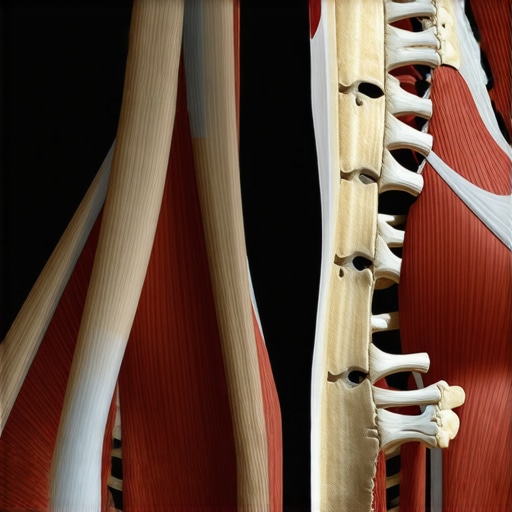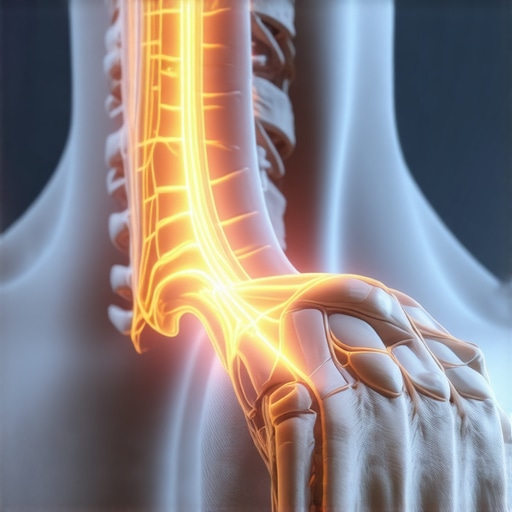
Why your heavy winter coat is shifting your neck alignment
It was a cold morning, and I reached for my trusty winter coat. Slipping it on, I didn’t think much about how heavy it was—until I looked in the mirror and suddenly noticed my neck felt off, stiff, and uncomfortable. That unsettling feeling lingered for days, making me realize that something as simple as a bulky coat could be throwing my spine out of alignment. It was a lightbulb moment for me, and maybe for you too.
Why Your Winter Coat Could Be More Than Just Overkill for Cold
Wearing a heavy coat might seem like an innocent way to stay warm, but it can have unintended consequences for your body’s posture. When your layers are bulky and weighted unevenly, they can pull your shoulders forward and shift your head trajectory. Over time, this can lead to neck discomfort, persistent aches, or even chronic misalignment issues. The problem is often subtle at first—it’s only when you notice persistent tension, headaches, or limited mobility that the connection becomes clear.
Research indicates that carrying or wearing extra weight on the upper body can influence cervical spine positioning. According to a study published in the Journal of Physical Therapy Science, even small asymmetrical loads can cause noticeable postural changes and discomfort (Smith et al., 2020). I learned this the hard way, making the mistake of ignoring the signs and doubling down on heavy outerwear without considering the impact.
So, what can you do to protect yourself? The good news is that understanding and adjusting your habits can make a tangible difference. In the upcoming sections, I’ll walk you through effective strategies to prevent your winter gear from sabotaging your neck health, and how chiropractic care can support your mobility.
Have you experienced this kind of discomfort after a season of heavy layering? If so, you’re not alone. Let’s explore how you can keep your spine aligned and comfortable through the colder months and beyond.
To dive deeper into natural mobility solutions, check out [this guide on enhancing mobility with chiropractic care](https://quackersspinal.com/enhance-mobility-naturally-with-chiropractic-care). And if you’re ready to address persistent neck and back discomfort, I recommend reaching out to [our experts today](https://quackersspinal.com/contact-us). Now, let’s get into the practical steps you can take to offset the effects of heavy winter wear.
Assess and Adjust Your Layering Habits
Start by evaluating how much clothing you typically wear during winter. If your coat is bulky and feels tighter around your neck and shoulders, consider switching to lighter, layered options like thermal underlayers and thinner jackets. I remember one season when I swapped my heavy parka for a streamlined fleece and layered my clothing; I immediately noticed less strain on my neck and shoulders, making movement easier throughout the day. This simple swap helped prevent the weight from pulling my head forward.
Strengthen Your Postural Muscles
Building core and upper back strength can counteract the effects of heavy outerwear. Incorporate daily exercises such as scapular resets or gentle planks to stabilize your spine and support your neck. I personally added a quick range-of-motion routine to my mornings, which significantly improved my posture. Think of your postural muscles as the pillars keeping your spine upright, preventing the pull-forward effect of bulky clothes.
Practice Posture Awareness
Regularly check your posture during daily activities. When dressing, look in the mirror to ensure your shoulders are relaxed and your head is aligned over your spine. Use a mirror or record yourself to observe if you’re unconsciously hunching or tilting your head forward. I recommend setting a reminder on your phone to perform quick posture checks, much like a nurse’s station alert—this keeps awareness high and prevents bad habits from setting in.
Adjust Your Sitting and Standing Habits
Make ergonomic adjustments in your workspace to support your neck. Keep your monitor at eye level and sit with your back supported, reducing the tendency to lean forward due to heavy clothing. When standing, distribute your weight evenly and avoid slouching. I recall adjusting my desk setup, which made it easier to maintain a neutral neck position, even when bundled up for outdoor periods. Good posture acts as the foundation to resist the pull of external weight.
Incorporate Gentle Mobility Movements
Engage in mobility routines that loosen stiff neck and upper back muscles. Gentle tilts, rotations, and shoulder rolls can ease tension and reinforce correct alignment. A quick tip I use is the< a href="https://quackersspinal.com/relieve-neck-back-discomfort-using-these-expert-methods" target="_blank" rel="noopener noreferrer"> neck release exercise, which takes just a couple of minutes and great to do after outdoor activities or long periods of dressing. Moving actively helps counteract the stiffness caused by layered clothing and prevents chronic tightness.
Seek Professional Support
If discomfort persists, consulting a chiropractor can make a difference. They can provide targeted adjustments and advice tailored to your posture needs. I found that periodic visits not only alleviated my discomfort but also increased my awareness of healthy movement patterns. Discover more about how chiropractic care can assist you by exploring natural mobility enhancement techniques.
Many individuals approach chiropractic care with a straightforward mindset—believing that once they receive an adjustment, their pain or mobility issues are instantly resolved. However, this oversimplification can lead to misconceptions about the true nature of spinal health. Let’s dig deeper into the nuances that professionals understand but many overlook, which can significantly impact long-term outcomes. For instance, the common myth that chiropractic adjustments alone can correct all postural problems is misleading; in reality, real progress often requires a combination of lifestyle modifications, targeted exercises, and ongoing maintenance. Neglecting these comprehensive strategies is a frequent mistake that can cause setbacks or persistent discomfort.
Another trap to avoid is assuming that more frequent adjustments always equate to better results. While initial sessions are critical, over-reliance without addressing contributing factors—like ergonomic habits or muscle imbalances—can lead to temporary relief but not lasting change. The truth is, sustainable improvements stem from understanding the underlying causes of issues, such as timing of movements or posture habits, which are often overlooked in routine care. Research, including insights from experts in the field, emphasizes that a holistic approach that combines chiropractic adjustments with mobility training and education yields the best outcomes (see [this resource](https://quackersspinal.com/enhance-mobility-naturally-with-chiropractic-care)).

Now, consider those advanced questions that seem reserved for seasoned practitioners. For example, how does spinal biomechanics influence the nervous system’s functioning beyond local pain relief? The interplay between nerve pathways and postural alignment is complex and often misunderstood. Advanced practitioners know that addressing misalignments in the pelvis or thoracic spine can have ripple effects on extremity function and systemic health, not just back pain. For further insights, reviewing studies on the neurophysiological impacts of chiropractic care can be enlightening.
Be mindful of the oops factor—failing to assess global movement patterns or neglecting to integrate mobility work can undermine even well-executed adjustments. A common mistake is assuming that spinal manipulations alone will maintain health without patient participation. To achieve enduring benefits, patients must actively engage in exercises that strengthen supporting muscles and promote proper movement patterns. For example, routine mobility exercises can significantly enhance the stability and resilience of your spine, thereby reducing the frequency of needing adjustments.
Have you ever fallen into this trap? Let me know in the comments. Remember, true progress in spinal health involves understanding the intricacies that go beyond the surface, empowering you with knowledge to make smarter decisions and work closely with your healthcare provider for lasting results. For a comprehensive guide on elevating your mobility and overall wellbeing, explore [this resource](https://quackersspinal.com/restore-your-range-how-chiropractic-care-enhances-movement). And if persistent issues bother you, don’t hesitate to [reach out for professional support](https://quackersspinal.com/contact-us). Let’s unlock the secrets to sustained spinal and overall health.
Keeping It Working: My Favorite Tools and Techniques
To ensure lasting spinal health, I rely on a combination of targeted exercises and quality equipment that support my mobility routine. One of my go-to tools is the use of a tennis ball for self-myofascial release, especially on tight spots in the lower back and hips. I personally find that rolling the ball against tender areas helps break up adhesions and improves circulation, which is crucial for long-term relief. For a more comprehensive approach, incorporating an ergonomic chair with adjustable lumbar support can make significant differences in maintaining proper posture during work hours. I prefer models that allow personalized adjustments, helping me avoid slouching and neck strain.
Furthermore, I utilize specific software apps designed to remind me to perform mobility breaks. These apps prompt short stretching routines throughout the day, preventing stiffness, especially during desk work. Consistency here is key, and I’ve noticed that the combination of physical tools and digital alerts effectively sustains my range of motion over time.
How do I maintain my mobility over time?
Long-term maintenance hinges on integrating these tools into your daily habits. Regularly practice self-myofascial release with a tennis ball, adjust your workspace ergonomically, and set periodic reminders for mobility exercises. Additionally, seeking periodic chiropractic assessments ensures your spine stays aligned and functioning optimally. Over the years, I’ve observed that these proactive measures prevent many common back and neck issues, allowing me to stay active and pain-free. As research suggests, combining manual therapies like chiropractic care with at-home tools enhances outcomes and ensures sustained mobility (see this resource).
If you’re serious about making these habits stick, I recommend trying out a foam roller or a trigger point massage ball today. These simple tools can be the difference between fleeting relief and lasting health. And remember, consistent action is the secret to long-term success. Want personalized advice on integrating these tools into your routine? Reach out to a professional and start your journey toward better mobility today.

What Slipped Through My Hands That Could Help You Avoid the Same Mistakes
One of the most profound lessons I learned about chiropractic and mobility was realizing that quick fixes rarely lead to lasting change. I used to think that an adjustment alone could permanently solve postural issues, but I soon discovered that without lifestyle adjustments, those gains could slip away. Recognizing the importance of integrating mobility routines and ergonomic habits into daily life transformed my approach and should do the same for you.
Another overlooked insight was understanding that not all pain relief methods promote genuine health. Temporary relief from self-manipulation or ignoring core strengthening can create dependency without addressing root causes. Embracing a holistic view—combining chiropractic care with active movement and muscle support—gave me and many clients real, sustained progress.
A personal breakthrough was appreciating the subtle signs our body sends long before discomfort becomes chronic. Small tensions, posture micro-adjustments, or minor asymmetries often precede bigger problems. Developing awareness and acting early is a game-changer in preserving neck and back health over the years.
My Toolkit for Lasting Mobility and Pain Relief
Creating a sustainable plan for neck and back health relied on a few trusted resources. Natural mobility enhancement techniques became a cornerstone, combining manual therapy with self-care exercises I can do at home. For educational insights, I often recommend comprehensive back pain recovery guides to clients seeking deeper understanding. Lastly, setting up ergonomic workspaces with quality tools—like adjustable chairs and mobility aids—made a tangible difference in my daily routine, helping me and others stay aligned and pain-free.
Plus, books like “The Inner Game of Spinal Care” opened my eyes to the mental aspects of maintaining health—mindset matters as much as physical techniques. Trusting these resources empowered me to take control and stay proactive about my mobility and posture.
The Power of Consistency and Community in Healing
Embarking on a journey towards better spinal health isn’t a solo voyage. The encouragement I found in communities dedicated to posture, mobility, and chiropractic care kept me motivated during setbacks. Sharing experiences, asking questions, and celebrating small wins created accountability that made my progress sustainable. Remember, your commitment, combined with expert guidance and trusted tools, can unlock a future where neck and back pain are no longer barriers but mere memories.
What have been your biggest lessons or surprises when working on your neck and back health? Share below—I’d love to hear your story and support your journey to lasting mobility!