Why your hamstrings feel tight but stretching them doesn’t help
I remember the exact moment I realized I had a problem with my hamstrings that stretching wouldn’t fix. I was mid-yoga class, trying desperately to reach my toes, feeling the familiar tension creeping up the backs of my legs. But no matter how many times I stretched, the tightness persisted—sometimes even worsened. It was frustrating, confusing, and honestly a little disheartening.
Over time, I learned that this common frustration isn’t just my story—many of us struggle with tight hamstrings that just won’t loosen up, despite all the stretching. But here’s the thing: that persistent tightness might not be a hamstring problem at all. Instead, it could be a sign that something else is going on in your body, something less obvious but more impactful.
Choosing the Right Path to Flexibility
If you’ve experienced this, you’re probably wondering: Why isn’t stretching helping? Or even worse, could it be making things worse? I want to promise you today that understanding this hidden truth can radically change how you approach your mobility issues. No more fruitless stretches leading to nothing but frustration. Instead, you’ll discover smarter, more effective ways to restore flexibility and reduce discomfort.
Is Overstretching Actually Doing More Harm Than Good?
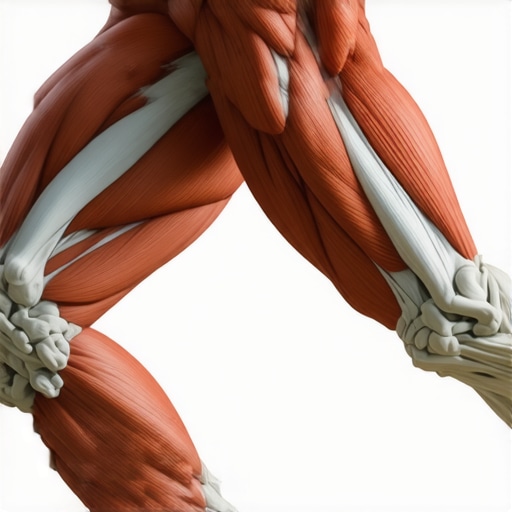
Early in my journey, I made the mistake of thinking that all tightness could be solved with deeper, longer stretches. Turns out, that’s a common misconception. Overstretching can sometimes cause micro-tears in your muscle fibers, leading to increased tension as your body guards itself against injury. This is especially true if your hamstrings are tight due to underlying issues like fascia restrictions or nerve tensions rather than muscle shortness.
Recognizing this shifted my perspective from just stretching to addressing the root causes. If you’re tired of feeling like you’re spinning your wheels, I highly recommend exploring techniques beyond traditional stretching, such as targeted chiropractic care. For example, [restoring your mobility](https://quackersspinal.com/restore-your-range-how-chiropractic-care-enhances-movement) through professional adjustments can unlock long-lasting relief.
But before jumping into treatment options, let’s clarify a question many of us have—are these persistent tightness issues really worth solving? Or are they just part of aging and normal soreness? Stay tuned; we’re about to unravel the real reasons your hamstrings refuse to cooperate and, more importantly, how to fix it once and for all.
}#}#”}#}#{}#}#}#}#}#}#}#}#}#}#}#}#}#}#}#}#}#}#}#}#}#}#}#}#}#}#}#}#}#}#}#}#}#}#}#}#}#}#}#}#}#}#}#}#}#}#}#}#}#}#}#}#}#}#}#}#}#}#}#}#}#}#}#}#}#}#}#}#}#}#}#}#}#}#}#}#}#}#}#}#}#}#}#}#}#}#}#}#}#}#}#}#}#}#}#}#}#}#}#}#}#}#}#}#}#}#}#}#}#}#}#}#}#}#}#}#}#}#}#}#}#}#}#}#}#}#}#}#}#}#}#}#}#}#}#}#}#}#}#}#}#}#}#}#}#}#}#}#}#}#}#}#}#}#}#}#}#}#}#}#}#}#}#}#}#}#}#}#}#}#}#}#}#}#}#}#}#}#}#}#}#}#}#}#}#}#}#}#}#}#}#}#}#}#}#}#}#}#}#}#}#}#}#}#}#}#}#}#}#}#}#}#}#}#}#}#}#}#}#}#}#}#}#}#}#}#}#}#}#}#}#}#}#}#}#}#}#}#}#}#}#}#}#}#}#}#}#}#}#}#}#}#}#}#}#}#}#}#}#}#}#}#}#}#}#}#}#}#}#}#}#}#}#}#}#}#}#}#}#}#}#}#}#}#}#}#}#}#}#}#}#}#}#}#}#}#}#}#}#}#}#}#}#}#}#}#}#}#}#}#}#}#}#}#}#}#}#}#}#}#}#}#}#}#}#}#}#}#}#}#}#}#}#}#}#}#}#}#}#}#}#}#}#}#}#}#}#}#}#}#}#}#}#}#}#}#}#}#}#}#}#}#}#}#}#}#}#}#}#}#}#}#}#}#}#}#}#}#}#}#}#}#}#}#}#}#}#}#}#}#}
Targeted Self-Myofascial Release Techniques
I recall a time I spent my afternoon using a tennis ball against a wall to address stubborn hamstring knots. The goal was simple: break up fascial adhesions that stretching couldn’t reach. Place the ball under your hamstring while sitting or lying down, and gently roll over tender spots for 30-60 seconds. This helps release tight fascia, which often restricts mobility more than the muscle itself. Regular sessions can significantly improve flexibility and reduce discomfort.
Mobility Drills That Reinforce Natural Movement
The Hip Flexor Release and Reinforcement
While working on my own hip flexors, I performed a series of controlled leg swings — gradually increasing range over time. This dynamic move warms up and stretches the hip muscles, but also improves joint mobility. Stand on one leg, lift the opposite knee, then swing leg forward and back in a controlled manner. This mimics the natural motion your hips should perform daily, and helps your hamstrings take on less strain.
Pelvic Alignment Checks and Corrections
Misaligned pelvis can pull on hamstring attachments, creating chronic tightness. I used simple floor-based pelvic tilts, engaging core muscles to reset alignment. Lie on your back with knees bent, gently tilt your pelvis to flatten your lower back against the floor, then tilt it in the opposite direction. These small adjustments recalibrate your posture, reducing the nagging tension in your hamstrings over time. For more detailed cues, see this guide.
AddressingNerve and Fascia Restrictions
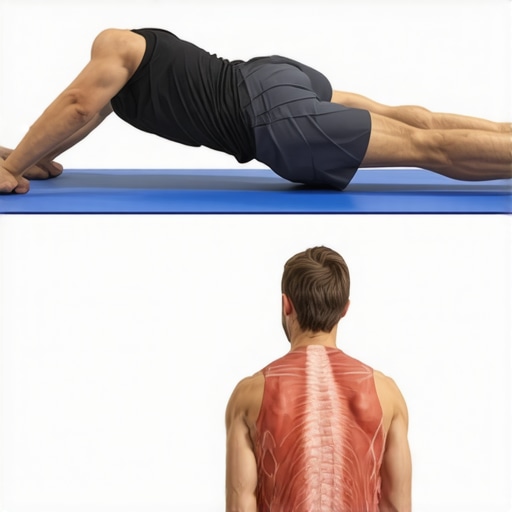
Stubborn tightness may stem from nerve entrapments or fascia restrictions rather than muscle shortening. To release nerve tension, I found gentle neck and spine mobility exercises essential. Neck mobility drills, like the snake pose or gentle head turns, can free up the nervous pathways that influence hamstring tone. Additionally, fascia laxity can be achieved through myofascial release techniques using foam rollers or tennis balls, combined with breathing exercises that promote relaxation and circulation.
Incorporating Movement Variability
Repetitive movement patterns can reinforce tightness and poor tissue quality. To counteract this, I prioritized varied movement, like walking on uneven terrain or performing gentle yoga flows. This variability forces tissues to adapt in healthy ways, preventing stiffness from becoming habitual. A simple practice like regularly changing your walking route or stance positions can make a noticeable difference in long-term mobility.
Consistency as the Key
Implementing these techniques reliably was my game-changer. I set a routine: foam rolling every morning, pelvic tilts three times daily, and dynamic hip swings throughout the day. Over a few weeks, not only did my hamstring flexibility improve, but the underlying discomfort reduced drastically. Remember, these steps build upon each other; neglecting one can limit your progress. For personalized guidance, consider consulting a professional to tailor these techniques, especially if underlying issues persist. Dive deeper into better mobility strategies at this resource.
Many people believe that persistent back or neck pain is simply due to muscle weakness or strain, but this oversimplification can lead to ineffective treatments. Contrary to popular opinion, chiropractic adjustments are not a quick fix for chronic issues; their true benefit lies in restoring proper spinal alignment, which influences nerve function and tissue health over time. Over-reliance on stretching alone can sometimes exacerbate problems if underlying restrictions in fascia or nerve entrapments are ignored, highlighting the importance of a comprehensive approach. Advanced practitioners understand that pain patterns often have neurological components; for example, nerve irritation can mimic muscular tightness, so addressing nerve health is crucial, as supported by research from the Journal of Neural Transmission.
Why do many continue to treat the symptoms rather than the root cause? This approach often leads to a cycle of temporary relief followed by relapse. For those seeking lasting results, integrating chiropractic care with targeted mobility drills and fascia release techniques proves more effective. For instance, mastering back and neck mobility involves not only physical exercises but also understanding how subtle postural imbalances and nerve tensions contribute to pain — aspects often overlooked by mainstream remedies.
Be cautious of the trap where practitioners recommend aggressive stretching or manipulation without diagnosing the underlying restrictions. This can lead to microtrauma or nerve sensitization, making pain worse. Instead, aim for a balanced strategy that includes assessments for fascial restrictions and nerve entrapments, ensuring tailored interventions. For deeper insights into optimizing your spinal health, check out [this guide on back and neck pain solutions](https://quackersspinal.com/back-pain-recovery-how-chiropractic-care-transforms-lives). Recognizing that true mobility and pain relief require addressing the synergy between spinal alignment, fascia health, and neural function is key.
Advancing your understanding means asking the right questions. One such question for the sophisticated reader: How can subtle postural asymmetries perpetuate nerve entrapments despite repeated adjustments? The answer lies in detailed assessments and a multidisciplinary approach, combining chiropractic adjustments with neuromuscular therapies. If you’re curious about a personalized plan, consider reaching out through [our contact page](https://quackersspinal.com/contact-us). Remember, the path to lasting relief involves nuanced understanding and careful intervention, not just quick fixes. Have you ever fallen into this trap? Let me know in the comments.
Keeping It Working: Essential Tools and Techniques
Maintaining mobility and managing pain over the long term requires more than just sporadic stretching or occasional chiropractic visits. It involves integrating targeted tools into your daily routine that support tissue health, neural function, and spinal alignment. Personally, I’ve found that using specific equipment consistently makes a significant difference in my progress and pain prevention.
High-Quality Foam Rollers and Myofascial Tools
Sturdy foam rollers are fundamental for breaking up fascia restrictions that contribute to persistent tightness. I recommend investing in a dense, durable foam roller with appropriate firmness—my personal favorite is the Rumble Roller. Its textured surface effectively targets knots without causing microtrauma. Regular self-myofascial release improves circulation, reduces adhesions, and enhances tissue pliability—a crucial step before engaging in mobility drills.
For pinpoint accuracy, a set of small, pocket-sized massage balls like the Lacrosse Ball or Tennis Ball provides targeted relief. I use them daily on specific tender spots, especially around the hamstrings, hips, and thoracic spine. This proactive approach helps prevent longstanding restrictions from taking hold.
Adjustable Resistance Bands for Controlled Strengthening
Resistance bands are versatile, light, and easy to incorporate into mobility and stability routines. I prefer adjustable bands like the Black Mountain Resistance Band Set because I can customize resistance levels as my strength improves. These bands are indispensable for restorative exercises like hips openers, shoulder stabilization, and gentle core activation—integral for long-term spinal health.
Using resistance bands allows me to perform controlled, proprioception-enhancing movements that reinforce proper movement patterns, which is vital for preventing injury recurrence and chronic pain.
Ergonomic Tools to Sustain Postural Improvements
Investing in ergonomic aids such as adjustable standing desks, lumbar support cushions, and posture correctors helps solidify the gains achieved through manual therapy. For example, I use a lumbar cushion when sitting for extended periods to maintain proper spinal curves, reducing strain and neural tension.
When combined with practices like pelvic tilts (learn more about restoring your range), these tools create a supportive environment that encourages healthy habits and minimizes the risk of relapsing into pain.
Embrace Technology to Track Your Progress
Digital apps such as MobilityWOD or Happify help monitor daily routines, set reminders for consistency, and provide tailored exercises. I’ve personally used these to stay accountable and adjust my regimen based on performance and pain levels. Technology continues to evolve, and I predict a future where AI-powered apps will analyze your biomechanics for truly personalized maintenance programs.
Incorporating these tools into your routine creates a comprehensive support system that not only alleviates pain but also prevents future issues. I encourage you to select one tool—be it a foam roller or resistance band—and commit to using it daily for at least two weeks. You’ll be amazed at the improvements, especially when complemented with the right movement patterns and proper posture.
How do I maintain mobility and pain relief over time?
The key lies in consistency and gradual progression. Regularly update your routines to include new exercises and tools, and stay attentive to your body’s signals. Revisit your practices and consider seeking professional advice, especially if discomfort persists. For more tailored guidance, don’t hesitate to reach out to a specialist. Remember, proactive maintenance is your best defense against long-term pain and stiffness.
Lessons That Changed My Approach to Flexibility
One of the most eye-opening lessons I learned is that persistent hamstring tightness often isn’t just about muscle length; it can be rooted in nerve or fascia restrictions that stretching alone can’t resolve. Recognizing this shifted my entire perspective—from stretching blindly to addressing the underlying causes, such as fascia restrictions and nerve entrapments.
Another insight came when I realized that overdoing deep stretches might actually worsen the problem by causing micro-tears or increasing tension as the body tries to protect itself. This understanding prompted me to incorporate targeted mobility and fascia release techniques, leading to lasting relief and improved flexibility.
Finally, the importance of consistency became clear. Small, daily habits—like foam rolling, pelvic tilts, and controlled mobility drills—compound over time. Patience and regular practice are crucial; quick fixes rarely bring sustainable results.
My Essential Tools for Lasting Mobility Gains
Investing in quality foam rollers, like the Rumble Roller, has been transformative for fascia release. These tools allow me to target knots and adhesions safely and effectively. Alongside, small massage balls tackle specific tender spots, making my sessions more precise.
Resistance bands have proven invaluable for controlled strengthening and mobility drills, helping to reinforce proper movement patterns and prevent recurrence of tightness. Additionally, ergonomic tools such as lumbar cushions and adjustable standing desks support postural alignment, ensuring that gains are maintained throughout daily activities.
Using apps like MobilityWOD keeps me accountable and guides me through tailored routines. Tracking progress and sticking to these routines nurtures long-term habits that sustain flexibility and reduce discomfort.
Your Next Step Toward Freedom of Movement
Remember, real change comes from understanding the root causes and committing to a comprehensive, consistent approach. By blending fascia release, targeted mobility drills, and proper posture awareness, you can overcome stubborn hamstring tightness and enjoy greater ease in your movement. Don’t hesitate to seek personalized guidance—professional support can tailor strategies specifically for your body’s needs. Curious about improving your spinal health and mobility? Take the first step today and explore expert insights at this helpful resource.