The real cause of the ‘bump’ at the base of your neck
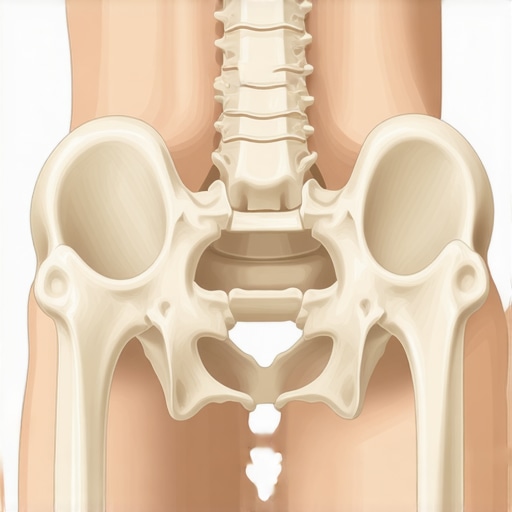
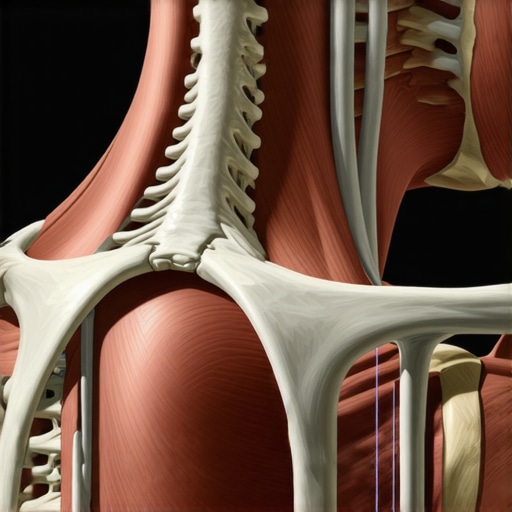
It was a morning like any other, but as I turned my head to check my rearview mirror, I felt a strange, firm bump at the base of my neck. Suddenly, my daily drive became awkward, and I couldn’t ignore the nagging worry: what was this thing? After months of discomfort and a growing sense of frustration, I finally realized I wasn’t alone. Many people overlook this small but persistent bump, dismissing it as just another sign of aging or a minor muscle knot. But in my experience—and in the stories I’ve gathered from countless others—this bump can reveal deeper issues with your spinal health.
If you’ve ever felt a similar lump and wondered whether it’s harmless or something to worry about, you’re in the right place. Today, I promise to share the real cause of that bump and how you can address it naturally. I’ll walk you through my personal journey and the proven strategies that helped me regain my comfort and mobility.
Why That Little Bump Might Be More Than Just a Nuisance
At first, I thought the bump was simply a swollen lymph node or an odd muscle knot, common and usually benign. However, I soon learned that it often signals issues with the alignment and health of your cervical spine. It turns out that what appears as a small protuberance could be the body’s way of compensating for underlying postural imbalances or joint misalignments.
Persistent neck discomfort and restricted mobility are other signs that shouldn’t be ignored. Research shows that improper spinal alignment can lead to chronic pain and even nerve irritation if left untreated. I remember early on making the mistake of ignoring the problem, thinking it would go away. Sorry to say, it only got worse until I sought the right kind of help. To better understand what was happening, I turned to expert insights and a holistic approach, which ultimately transformed my health.
If you’re tired of popping pain pills or feeling limited by your own body, I encourage you to continue reading. We’ll explore the root causes, how to identify your specific issue, and, most importantly, ways to resolve it—no drastic surgeries needed. Curious to get back your range of motion? Check out proven strategies at https://quackersspinal.com/restore-your-back-mobility-proven-chiropractic-strategies and discover how targeted chiropractic care can be your game changer.
Find Your Postural Habits and Correct Them
Reflect on how you usually sit and sleep. I noticed that slouching at my desk worsened my bump. To fix this, I set up my workspace ergonomically, adjusting my chair height and monitor position. Use a chair that supports your lower back and keep your feet flat on the floor. Consult this guide for detailed posture corrections.
Incorporate Targeted Stretching to Release Tension
Gentle stretches can realign muscles pulling on your cervical spine. I started with simple neck mobility exercises—the Y-W-T drill—repeating it daily. Place your arms in positions resembling these letters and hold for 10 seconds each. The goal is to loosen tight muscles and promote proper alignment. For a step-by-step routine, see this resource.
Strengthen Your Core for Better Support
A strong core stabilizes your spine, reducing strain and preventing future lumps. I added planks, starting with 15 seconds, gradually increasing duration. Ensuring proper form is key—engage your abs and avoid sagging hips. This move alleviates pressure on your neck and shoulders. Find more effective core exercises in this article.
Practice Proper Lifting Techniques
A common cause of spinal misalignment is improper lifting. I learned to bend at my hips and knees, keeping my back straight when picking up heavy objects. Imagine your spine as a stack of blocks—keep it aligned to avoid putting undue stress on one area. To master safe lifting, review this guide.
Utilize Self-Myofascial Release for Muscle Relief
Myofascial release with a tennis ball helped target stubborn knots in my neck and shoulders. I pressed the ball against tender spots and rolled gently for a few minutes. Like ironing out wrinkles in fabric, this method smooths tight fascia. Be cautious not to overdo it—start softly and increase pressure gradually. Learn proper techniques through this resource.
Maintain Consistency and Monitor Progress
Consistency was critical. I dedicated 10 minutes daily to these habits, noticing gradual improvements in alignment and pain reduction. Keep a journal of your sensations and posture adjustments. If your bump persists or worsens, consider consulting a chiropractor for personalized care. For more advanced strategies, explore this comprehensive approach.
Many believe that chiropractic adjustments alone can swiftly resolve back and neck pain, but this oversimplification often leads to overlooked nuances. In reality, relying solely on quick fixes can create more harm than good. For instance, a common myth is that once your pain diminishes, no further action is needed, yet studies show that without addressing underlying postural habits and muscle imbalances, pain is likely to recur. An advanced mistake is overlooking the importance of comprehensive care—chiropractic is most effective when integrated into a holistic approach that includes lifestyle modifications and targeted exercises. According to leading experts, neglecting these facets can hinder long-term recovery and mobility restoration. For example, focusing solely on spinal adjustments without correcting foundational issues like core weakness or poor ergonomics diminishes the effectiveness of treatment. This is a trap I fell into early in my journey; I thought one adjustment would fix everything, but the pain returned, prompting me to explore deeper strategies. To truly enhance your spinal health, consider adopting a multi-layered plan that addresses both symptoms and root causes, such as improving your posture habits or strengthening specific muscle groups. Curious how to implement this? Check out https://quackersspinal.com/restore-your-back-mobility-proven-chiropractic-strategies for proven techniques.
Have you ever fallen into this trap? Let me know in the comments.
Understanding the complexity of back and neck pain requires more than surface-level treatment. The misconception that chiropractic alone can quickly solve chronic issues neglects the nuanced interplay between muscular support, nerve pathways, and postural habits. For example, muscle imbalances—particularly in the deep stabilizers—can undermine adjustments and sustain pain cycles. Incorporating advanced assessments helps identify these hidden contributors. A recent study published in the Journal of Manipulative and Physiological Therapeutics emphasizes that personalized, multifaceted treatment plans outperform isolated adjustments in restoring mobility and reducing pain long-term. Neglecting these nuances might give you temporary relief but fail to produce lasting results, which is why a comprehensive approach is crucial. My experience aligns with this insight—initial quick fixes didn’t hold until I addressed daily habits and targeted strengthening exercises. For strategies that go beyond the adjustment table, explore https://quackersspinal.com/chiropractic-secrets-to-regain-full-mobility-after-injury and learn how integrated care enhances healing.
Remember, true spinal health involves understanding and correcting the underlying factors—think of chiropractic as part of the puzzle rather than the entire picture. Your journey toward lasting mobility starts with recognizing these common oversights and taking deliberate action. Want to learn how to refine your approach? Dive into https://quackersspinal.com/revitalize-your-mobility-proven-strategies-for-back-pain-relief and start transforming your recovery today.Maintaining your spinal health over the long term requires more than just occasional adjustments; it demands targeted tools and consistent habits. One of my personal favorites is the use of a premium foam roller, specifically the Molift Foam Roller, which I incorporate into my daily routine to release tension in my back and hips. Its dense surface provides the right amount of pressure, helping to break down fascia restrictions that contribute to chronic pain and mobility issues. I also swear by the Theragun G3PRO percussive massage device, which allows me to precisely target hard-to-reach knots, such as those in my neck and shoulder area, promoting circulation and faster recovery. The key is not just owning these tools but knowing how to use them effectively—there are specific techniques I learned from credible sources like this resource that maximize benefits and prevent overuse injuries.
What I Wish I Knew Before Ignoring That Lump
The first lesson I learned was that small, persistent bumps often hide bigger issues related to posture and spinal alignment, which many overlook. I used to dismiss my neck bump as a benign knot, but neglecting it delayed my recovery and worsened my discomfort, teaching me that early intervention is crucial. Another surprise was how deeply our daily habits—like slouching at the desk—contribute to these localized signs, emphasizing the importance of ergonomics. Lastly, I realized that combining targeted exercises with mindful movement accelerates healing, a remedy I wish I’d embraced sooner before resorting to temporary solutions that didn’t address the root cause.
My Go-To Tools for Lasting Spinal Comfort
Over time, I’ve curated a set of effective tools that keep my back and neck in check. The Molift Foam Roller has been essential for releasing fascia tightness, especially in the upper back and hips, grounding my mobility. The Theragun G3PRO offers precise muscle relief for stubborn knots, saving me from unnecessary pain. Additionally, I trust top-quality stretching guides such as those I found in this resource, which provide expert instruction on maximizing my self-care routines. These tools aren’t just gadgets—they’re integral to maintaining resilience and preventing setbacks in my spinal health journey.
Seize Your Path to Flexibility and Strength
Your spinal health is within reach, and every small step counts. Embrace consistent habits like correct posture, daily gentle stretching, and mindful lifting—it’s not just about avoiding pain but fostering a vibrant, active life. Remember, the journey to sustained mobility is personal, but you don’t have to do it alone. Take that first step today by exploring detailed, proven strategies at this comprehensive resource, and start transforming your back and neck health now. What’s one small change you’re willing to make today to support your spinal wellbeing?