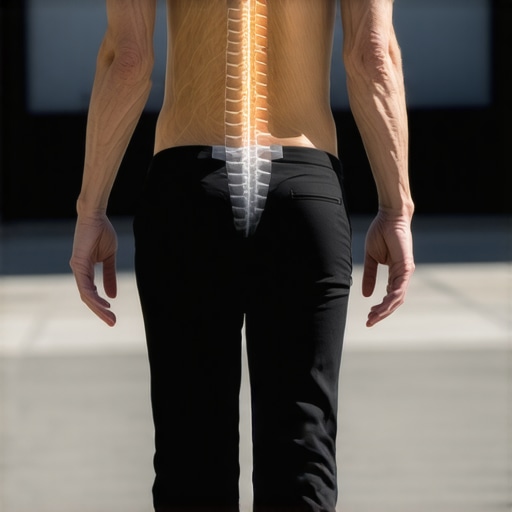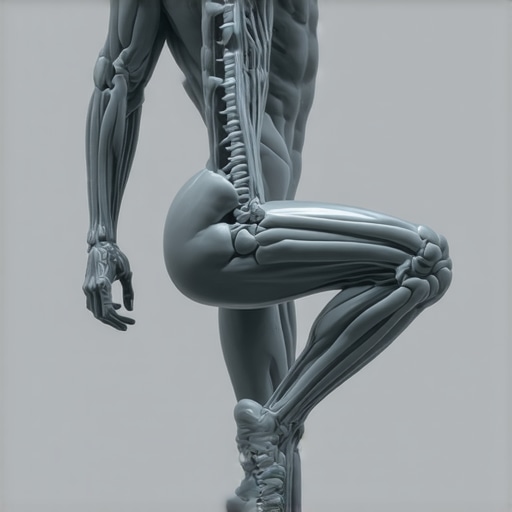
How to squat without your lower back rounding at the bottom
It was a frustrating Saturday at the gym, and I remember feeling that familiar twinge in my lower back as I struggled to perfect my squat. I’d read all the tips, watched countless tutorials, and still, I kept ending up with my lower back rounding at the bottom—and let’s be honest, that’s a red flag waiting to happen. It wasn’t just about aesthetics; I was risking serious injury every time I loaded the bar. That lightbulb moment hit me hard: I realized my form needed a complete overhaul, not just temporary fixes.
Why Your Squat Rounds Your Lower Back and How to Fix It
Many of us miss this crucial piece of the puzzle—understanding why that rounding occurs in the first place. It’s often due to tight hip flexors, weak core muscles, or poor mobility in the ankles and hips. If left uncorrected, it can lead to chronic back pain or even herniated discs. What baffled me early on was how simple adjustments could make such a significant difference. I learned that strengthening my core, improving my hip mobility, and paying attention to fundamental movement patterns was the key. Did you know that according to recent studies, poor squat form is one of the leading causes of lower back injuries among weightlifters (source: [quackersspinal.com](https://quackersspinal.com/chiropractic-secrets-to-regain-full-mobility-after-injury))?
Have you ever experienced that moment where you feel your back collapsing at the bottom of a squat? If so, you’re not alone. But the good news is, correcting this is more accessible than you might think, and I’m here to guide you through the process.
Is Better Technique Worth the Effort or Just Hype?
Early in my journey, I made the mistake of ignoring the importance of proper form. I thought pushing harder would eventually fix my rounding issue—that’s a mistake I don’t want you to make. Investing time in learning correct biomechanics and engaging in mobility routines profoundly changed my lifting game. For more insights on improving your back and neck health, check out [chiropractic secrets for neck and back pain solutions](https://quackersspinal.com/neck-back-pain-solutions-insights-from-wellness-experts). Now, I want to share what I’ve discovered so you can avoid years of struggle and stay injury-free.
Ready to start transforming your squat? Let’s dive into the practical steps that helped me, and will help you, keep your lower back safe and strong during every lift.
Strengthen Your Core for a Stable Base
Start with a simple plank variation. I remember practicing the side plank daily, holding for 20 seconds, gradually increasing as I felt more stable. This builds the deep abdominal muscles that support your spine and prevents your back from collapsing under load. Without core strength, your lower back is like a tent with weak poles—prone to collapse. Consistency is key; integrate this into your routine every morning.
Improve Hip Mobility with Targeted Stretches
Tight hips are often the culprit behind the rounding. To loosen them, perform the pigeon stretch. I once struggled with this, trying to hold the stretch for only 30 seconds, but in reality, holding for a minute or more significantly increased my flexibility. Think of your hips as door hinges; if they’re jammed, your knees and spine compensate, causing rounding. Dedicate 10 minutes after your workouts to hip-openers to see real change.
Build Ankle Flexibility to Enhance Balance
Limited ankle dorsiflexion forces your knees and hips into compensatory patterns. I used to jam my heel into the ground during squats, but a simple wall ankle stretch helped me. Stand facing a wall, place your toes a few inches away, and gently push your knee forward without lifting the heel. It’s like loosening a stubborn door hinge—smooth movement prevents the chain reaction that leads to back rounding. Practice this daily, especially before lifting.
Use Correct Technique to Reinforce Good Habits
Focus on maintaining a neutral spine throughout your squat. I caught myself leaning forward and rounding my back during a session, which prompted me to record my form. Watching the video revealed how not engaging my core and over-leaning caused instability. Think of your spine as a tightrope—every movement should be controlled and balanced. Incorporate cues like “chest up” and “brace your core” to reinforce proper positioning. Keep practicing with a light weight until the form becomes second nature.
Incorporate Mobility Drills Before Lifting
Warm-up with dynamic moves like the 90/90 hip switch. I found that spending five minutes on these drills increased my joint readiness and reduced the tendency to round my back. Think of your joints as hinges; greasing them with movement minimizes friction and improves movement quality. Make this a pre-lift ritual to set the stage for safer, more effective squats.
Seek Expert Guidance for Lasting Results
If consistent practice doesn’t solve the issue, consider consulting a professional. A chiropractor can assess your mobility and identify hidden restrictions. I visited a local clinic and received tailored mobility exercises that targeted my unique imbalances. For more insights into restoring safe motion and preventing injuries, explore chiropractic tips for full mobility recovery. Personalized guidance can make the difference between temporary fixes and permanent improvements.

}When it comes to mobility and spinal health, many of us operate under misconceptions that can sabotage our progress. A common myth is that stiffness always equates to a need for more stretching. In reality, sometimes the issue stems from joint hypomobility or neurogenic restrictions, meaning the muscles are strong but the nerves or joints themselves aren’t moving freely. Overstretching healthy tissues can actually exacerbate tightness and cause pain, making this a trap many fall into—so be cautious with aggressive flexibility routines. Studies suggest that targeted chiropractic interventions can address these specific restrictions more effectively than generic stretching alone, especially when combined with neurodynamic techniques. Curious about advanced approaches? Check out [how chiropractic care enhances mobility naturally](https://quackersspinal.com/enhance-mobility-naturally-with-chiropractic-care). Another nuance is that neck pain isn’t always about the cervical muscles; often, thoracic and upper lumbar restrictions influence neck mechanics through fascial and nerve pathways. For example, restrictions in the thoracic spine can lead to compensatory neck movements that cause chronic discomfort. This interconnectedness is why a holistic assessment is essential—don’t isolate the region you’re feeling pain in. Moreover, many believe pain is purely a symptom of injury—yet, persistent pain can be due to central sensitization or subtle nerve entrapments that aren’t visible on imaging. Addressing these requires a nuanced approach involving both soft tissue work and nervous system modulation, which is often overlooked in quick-fix treatments. Be mindful of the ‘wait-and-see’ approach some adopt, assuming pain will resolve on its own, but evidence indicates that early, targeted intervention prevents chronicity. For deeper insights, explore [comprehensive chiropractic strategies to restore movement](https://quackersspinal.com/restore-your-range-how-chiropractic-care-enhances-movement). I invite you to examine your own practices and question what routines or beliefs might be holding you back from optimal mobility and pain-free living. Have you ever fallen into this trap? Let me know in the comments.Maintaining spinal mobility and addressing neck and back pain over the long term requires more than just sporadic stretches or visits to the chiropractor. It’s about integrating the right tools and habits into your daily routine to ensure lasting results. One of my favorite devices is the **foam roller**. I use it nightly to release tension in my thoracic and lumbar regions, which helps prevent stiffness and promotes better posture. Specifically, I recommend the **mid-back foam roller** for its effectiveness in breaking up adhesions and encouraging spinal alignment, as described in [how to use a foam roller for mid-back relief correctly](https://quackersspinal.com/how-to-use-a-foam-roller-for-mid-back-relief-correctly).
What I Wish I Knew About Mobility and Injury Prevention
One of the most eye-opening lessons I learned was that improving mobility is not a one-size-fits-all solution. I used to think stretching everything endlessly would solve my back pain, but I soon realized that addressing nerve restrictions and joint hypomobility was far more effective. It taught me to listen to my body’s unique signals and trust professional assessments over generic routines.
Another insight was understanding the importance of consistency. Even the best mobility drills may seem insignificant if not practiced regularly. I found that integrating small habits, like daily hip openers or core routines, created compounded benefits that dramatically reduced my injury risk over time.
Finally, I discovered that recovery isn’t just about fixing the problem but preventing future issues. Regular check-ins with a chiropractor, along with maintaining mobility work, became essential components of my long-term strategy. This proactive approach keeps me pain-free and confident in my movement every day.
Tools and Resources That Transformed My Approach
My go-to resource has been the comprehensive guides and expert tips from chiropractic specialists. Their insights on joint function and neurodynamic care shifted my perspective from symptom management to root cause treatment.
The mobility routines from mobility experts provided practical, science-backed drills that I could incorporate daily. These routines improved my flexibility and spine stability, making my workouts safer and more effective.
Additionally, I trusted the knowledge shared in self-myofascial release techniques. Using tools like foam rollers and tennis balls helped me address tension and adhesions that contributed to my poor posture and discomfort.
Finally, ongoing education from top chiropractic blogs keeps me informed about innovative, holistic approaches to spinal health, empowering me to stay ahead of potential issues.