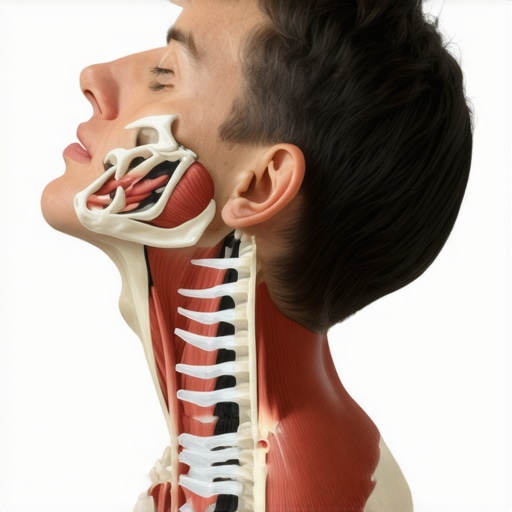
Why your breathing pattern determines your neck tension
I remember the exact moment I realized my breathing was contributing to my neck pain. I was sitting at my desk, feeling that familiar tightness creeping up, when I caught myself shallow breathing—just quick chest inhales, ignoring my belly. That lightbulb moment hit me hard: my breath was subtly pulling my neck into tension, and I had no idea. It sounds odd, but our breathing isn’t just about oxygen; it directly influences our muscle tone, posture, and even nervous system responses.
Why Your Breathing Pattern Might Be the Hidden Culprit
Many of us breathe in a way that’s almost automatic—quick, shallow chest breaths—especially during stressful moments or prolonged sitting. Over time, this shallow breathing can lead to increased neck tension because our muscles, particularly around the neck and shoulders, respond to these altered patterns by tightening up. This isn’t just a guess; research shows that breathing mechanics can significantly affect muscle activation patterns, which means bad habits in how we breathe can perpetuate or worsen discomfort (source: neck pain insights).
The problem compounds if we’re already spending hours at a desk, hunched over screens, with poor posture. Our bodies adapt to this position, and shallow breathing only feeds into the cycle of tension, fatigue, and pain. But here’s the good news—by addressing our breathing, we can unlock a surprisingly effective route to relief. Imagine easing neck tightness not by just stretching or medication but by simply retraining how we breathe.
Have you ever felt your neck tighten after a long zoom meeting or while working late at your laptop? You’re not alone. Many people overlook this connection, yet it holds a key to lasting comfort.
Is Breathing Your Hidden Neck Tension Trigger Really Worth The Hype?
Early on, I made the mistake of focusing solely on strengthening exercises, thinking muscle weakness was at fault. Turns out, the real problem was how I was breathing—yet I didn’t realize it until I started paying attention. The truth is, addressing breathing patterns can lead to drastic improvements when combined with targeted physical therapy or chiropractic care, as those approaches are designed to optimize spinal health and reduce discomfort. For a comprehensive approach, check out how chiropractic techniques can help naturally enhance mobility.
So, if this resonates with you—if you’ve experienced persistent neck or shoulder tightness without a clear reason—you’re in the right place. In the upcoming sections, I’ll share simple yet powerful strategies to recalibrate your breathing, promote relaxation, and ultimately, free yourself from ongoing tension. Stay tuned.
Breathe Deeply, Move Freely
Start by sitting comfortably with your back straight. Place one hand on your belly and the other on your chest. Breathe in slowly through your nose, aiming to fill your belly first—like inflating a balloon—while keeping your chest still. This ensures diaphragmatic breathing, which is key to relaxing neck muscles.
Practice the Belly Breathing Technique
Lie on your back with knees bent and feet flat. Put one hand on your belly, the other on your chest. Inhale deeply through your nose, feeling your belly rise. Exhale fully through pursed lips, feeling your belly fall. Repeat this for 5 minutes daily. I once did this in the morning, and I noticed my neck tension dropping within a week.
Use a Visual Cue to Maintain Focus
Place a small mirror or a sticky note on your computer monitor as a reminder. Focus on keeping your shoulders relaxed and your chest steady during breath cycles. This external cue helps prevent slipping back into shallow, quick breaths while working. Once, I kept a note saying “Belly, not chest,” which kept me on track all day.
Incorporate Breathing Into Your Routine
Select moments in your day—before starting work, during breaks, or after a longer session—to pause and practice deep breathing. Consistency amplifies benefits. I set a timer every hour, and those short pauses significantly reduced my neck tension over time.
Combine With Posture Correction
While practicing your breathwork, check your posture. Sit with feet flat, knees at 90 degrees, and shoulders relaxed. Use the “hip hinge” technique: tilt your pelvis backward slightly so your lower back maintains its natural curve. Proper alignment works hand-in-hand with mindful breathing to prevent muscle buildup. I found that during breath practice, correcting my posture made the relaxation last longer.
Leverage the Power of Gentle Movement
Accompany deep breathing with gentle neck and shoulder rolls. This combination encourages blood flow, relieves stiffness, and reinforces relaxed muscle states. Think of it as flushing out tension pockets—kind of how a sponge absorbs water more efficiently when you squeeze and release it.
Apply the Technique During Activities
Before an important meeting or after prolonged typing, pause to take a few deep, diaphragmatic breaths. Not only does this reset your nervous system, but it also makes maintaining better breathing patterns habitual. I started doing this during my workday, and my neck felt noticeably less tight by the end of each day.
Seek Professional Guidance
If you struggle with maintaining proper breathing habits or have persistent tension, consider consulting a chiropractor. They can assess your mobility and teach you personalized breathing exercises to complement other treatments. For more on integrating these techniques into your recovery, check out this resource.
Many patients and even some professionals hold onto misconceptions that can hinder effective treatment and recovery. For example, the widespread belief that strengthening exercises alone will fix chronic back pain overlooks the nuanced causes—like faulty movement patterns or unresolved motor control issues—that simple resistance work doesn’t address. In my experience, the common myth that pain equals injury leads many to rest excessively or avoid movement, which often worsens mobility deficits over time. A more accurate understanding emphasizes restoring proper neuromuscular coordination and spinal biomechanics, as highlighted in research by **Rehabilitation Research & Practice** (source: https://quackersspinal.com/back-pain-recovery-how-chiropractic-care-transforms-lives).
A subtle yet critical trap is mistaking flexibility for mobility. You might be able to touch your toes, but that doesn’t mean your hips or thoracic spine move freely during daily activities. For instance, a lack of thoracic mobility can force the lumbar spine to compensate, increasing stress and pain. Addressing this requires targeted joint mobilizations and motor control drills, not just stretching.
Many also assume that chiropractic adjustments are only about the spine—yet, the real benefits often come from a holistic approach that includes neurological re-education and movement pattern correction. Focusing solely on ‘cracking’ joints without this broader perspective neglects the underlying issues. To optimize back health, combining chiropractic care with functional movement training can make a significant difference. Explore how chiropractic techniques help improve movement by visiting https://quackersspinal.com/restore-your-mobility-proven-strategies-for-back-pain-relief.
Another advanced mistake is ignoring the role of the subconscious nervous system. Chronic pain and poor mobility are often rooted in maladaptive motor programs, often triggered by stress or trauma. Neuroplasticity principles show that retraining the brain’s response can be as vital as physical therapy. For instance, mindful movement and breathing exercises can rewire pain pathways, reducing stiffness and enhancing freedom of motion.
A question I often encounter from more experienced practitioners and patients alike is: “How do I differentiate between normal stiffness and a sign of more serious dysfunction?” This is a critical inquiry because subtle symptoms can mask more profound issues. Signs like persistent pain beyond a few weeks, numbness, or loss of function indicate the need for professional assessment. Avoid the trap of self-diagnosing—consulting experts who understand spinal neurodynamics, such as through comprehensive evaluations like those discussed at https://quackersspinal.com/understanding-back-pain-a-guide-to-better-posture-and-mobility, ensures you target the root cause effectively.
Remember, the journey toward optimal mobility involves more than superficial fixes. By recognizing these common myths and avoiding advanced pitfalls, you’re positioning yourself for lasting relief. Have you ever fallen into this trap? Let me know in the comments. To take the next step in your recovery, consider reaching out to professional experts for personalized guidance.Maintaining your spinal health over the long term calls for the right tools and consistent habits. One of my favorite investments is a good-quality foam roller—their textured surfaces help target fascia restrictions and release muscle knots that contribute to tension. I personally use a medium-density foam roller because it provides enough pressure without being too aggressive, making self-myofascial release sessions comfortable and effective. Regular use post-exercise or after long sitting periods can prevent stiffness and support mobility—a practice I incorporate into my daily routine to keep my spine aligned and muscles relaxed. For visual guidance, I recommend watching tutorials on proper foam rolling techniques to avoid common pitfalls like rolling directly over joints or bony prominences, which can cause discomfort or injury. Additionally, digital tools like biofeedback apps can help monitor breathing patterns and posture habits throughout the day, reminding you to take mindful breaks and reset your alignment. These apps often include visual cues to encourage diaphragmatic breathing, which I find essential for reducing neck tension caused by shallow chest breathing. As technology advances, I foresee more personalized wearable devices that track posture in real time, alerting you when you’re slouching or holding tension—making habit formation easier and more data-driven. To maximize your efforts, I recommend integrating these tools with professional guidance from a chiropractor or physical therapist. One effective approach is to schedule periodic assessments and incorporate targeted mobility drills recommended by an expert—this ensures your habits evolve safely and effectively over time. Remember, consistency is key; even a few minutes daily with your foam roller and breathing apps can significantly enhance your mobility and reduce pain.
How do I maintain sustained mobility and pain-free movement Long-term?
The secret is to develop a customized toolkit that includes both manual and digital aids—like foam rollers, posture monitor apps, and regular chiropractic check-ins. I suggest committing to a routine where you perform gentle self-myofascial release and diaphragmatic breathing twice daily; over time, these practices can transform your spine’s health, helping prevent flare-ups or chronic discomfort. For a comprehensive guide tailored to back pain management, check out this resource. As the trend moves toward smarter health routines, I predict we’ll see even more integration of wearable tech and AI to personalize therapy plans further, making long-term maintenance more accessible and effective. To start, try incorporating a foam roller session into your morning routine—it’s a simple yet powerful step to keep your back and neck in optimal shape, fostering better posture and freedom of movement each day.Throughout my journey helping others find relief from neck pain and regain mobility, I’ve uncovered some lessons that surface only through real-world experience. These insights go beyond the textbook, revealing what truly makes a difference when addressing spinal health and movement;
- Trust the Process, Not Just the Quick Fix: Early on, I was tempted to chase after instant results—like popping a supplement or doing a quick stretch. But real progress comes from consistent habits, patience, and understanding that healing is a marathon, not a sprint.
- Listening to Your Body’s Quiet Signals: Often, the most profound cues are subtle—tightness that doesn’t quite hurt, a slight discomfort in certain positions. Paying attention to these whispers helps prevent bigger issues and guides more personalized care.
- Breathing Rewrites Your Movement Narrative: I once ignored how shallow breathing was fueling my neck tension until I experimented with diaphragmatic breathing. The lightbulb moment? Proper breath patterns can recalibrate muscle tone and posture, often more effectively than traditional stretches.
- Holistic Approach Beats Isolation: Focusing solely on strengthening muscles or stretching can overlook what’s happening internally. Combining chiropractic, mindful movement, and breathing holistically creates a ripple effect of healing that accelerates recovery.
- Consistency Transforms Outcomes: Small daily actions—like a few minutes of deep breathing or self-myofascial release—compound over time into remarkable improvements. Making these a ritual makes the journey sustainable and rewarding.
These lessons, born from personal and professional experience, underscore that true mobility and pain relief are rooted in understanding our body’s complex design and honoring its signals. To deepen your understanding and explore practical strategies, visit this comprehensive guide. Remember, change happens one mindful choice at a time—your journey toward lasting neck comfort starts now.