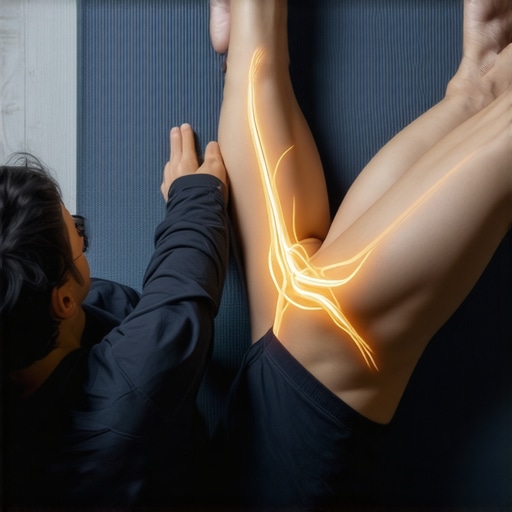
How to stop your knees from caving in during your morning run
It was a chilly morning, and I was lacing up my running shoes, feeling that familiar surge of enthusiasm. Suddenly, halfway through my first mile, I noticed it — my knees were wobbling inward with each stride, like they were trying to turn my run into a twisted dance I didn’t sign up for. That lightbulb moment hit me hard: if I didn’t fix this, I risked serious injury, or worse, losing the joy of running altogether.
Struggling with Knee Caving? You’re Not Alone
Many runners, just like you and me, face the frustrating issue of their knees collapsing inward during a run. It feels unnatural, uncomfortable, and downright scary. Maybe you’ve noticed it worsening over time or felt that strange wobble when ascending hills or tackling speed work. Believe me, I’ve been there, and it’s a common problem that can significantly impact your performance and health.
The good news? This is a fixable issue. Today, I promise to share the insights and strategies that helped me regain proper form and keep my knees steady on every run. We’ll explore the main causes behind this misalignment, and I’ll guide you through practical steps to strengthen and stabilize your knees—so your runs become more enjoyable and less risky.
Question: Is Fixing Your Knee Cave a Worthwhile Goal?
You might be skeptical, wondering if this is just another fitness fad or if investing time and effort will pay off. Trust me, early on I made the mistake of skipping professional advice and trying random exercises, which only made things worse. Turning to expert guidance — like consulting with a chiropractor who understands biomechanics — can be transformative. For trusted solutions and the science behind improving movement, you might want to check out how chiropractic care can revolutionize back and knee health.
Now that we’ve established why this problem matters, let’s dive into the root causes and what you can do right now to keep your knees stable and strong during your next run.
Strengthen Your Hip and Thigh Muscles
Start with targeted exercises like lateral band walks and clamshells. These movements activate the glutes and hip abductors, which are crucial for knee stability. I remember my first attempt—my hips felt shaky, but gradually, the activation improved, giving my knees the support they needed.
Practice Proper Running Form
Focus on landing softly with your feet underneath your hips, avoiding overstriding. Keep your core engaged to maintain balance. During a rough run, I consciously thought about my foot placement, which initially slowed me down but ultimately reduced that inward knee wobble.
Engage Your Core for Stability
A strong core acts like a central pillar holding your entire structure upright. Incorporate planks and dead bugs into your routine. I added a 30-second plank after each workout—at first, I wobbled like a weeble, but consistency paid off and my knees stayed aligned.
Incorporate Mobility Drills
Flexibility in the calves and hips prevents compensatory patterns. Use dynamic stretches like leg swings and hip circles before runs. I noticed that a quick hip rotation routine loosened tightness and improved my alignment.
Address Muscle Imbalances
Perform assessments to identify weak or tight muscles. Use foam rolling on tight quads and stretching your hip flexors. An exercise I swear by is the pigeon stretch; it opens up the hips and realigns your lower limbs, reducing knee collapse.
Add Stability Exercises to Your Routine
Incorporate balance drills such as single-leg stands and wobble board exercises to improve proprioception. While doing a single-leg deadlift, I felt my knee wobble less over time, signaling better muscular control.
Modify Your Running Surfaces and Footwear
Run on softer surfaces when possible and ensure your shoes provide adequate support. I swapped to cushioned shoes after noticing my old trainers contributed to instability. This realignment of support translated into steadier knees during my runs.
Seek Professional Guidance
Consult a physical therapist or chiropractor to analyze your gait and identify specific issues. They may suggest custom orthotics or manual therapy. I scheduled a session and received tailored advice that accelerated my recovery process, making my runs smoother and safer.
By systematically applying these steps—strengthening key muscles, refining your form, improving mobility, addressing imbalances, stabilizing your core, optimizing footwear and surfaces, and consulting experts—you can effectively correct knee cave during running. Remember, consistency is key, and small improvements compound into lasting change.
Many people believe that chiropractic care is primarily about quick-fix adjustments or that pain relief is solely about cracking bones. While these misconceptions are widespread, they overlook the profound nuances that make chiropractic an advanced, individualized science. In reality, the most effective treatments involve understanding the intricate relationship between spinal alignment, muscular stability, and neurological function. For instance, some think that crackling the spine is the main goal, but experts know that restoring proper movement and addressing muscle imbalances are what lead to lasting relief. Rushing into adjustments without proper assessment can even do more harm than good, trapping patients in a cycle of temporary fixes. This is why seeking a practitioner who emphasizes functional restoration over just symptom suppression is crucial. Studies have shown that targeted soft tissue therapy combined with mobility exercises yields better long-term results than spinal manipulation alone, which is discussed in detail by [wellness experts](https://quackersspinal.com/back-pain-recovery-how-chiropractic-care-transforms-lives).
Are We Overlooking the Body’s Complex Systems in Pain Treatment?
Most individuals don’t realize that back or neck pain often involves a network of interconnected issues rather than isolated problems. Tackle just the symptom—say, a stiff neck—and you might miss underlying causes like poor posture, shoulder dysfunction, or even foot misalignment. This oversight can lead to stubborn, recurring pain. Advanced practitioners understand that a comprehensive approach addressing mobility limitations, fascial restrictions, and even breathing patterns is necessary. For example, neglecting mobility exercises like those found in [mobility strategies](https://quackersspinal.com/revitalize-your-mobility-proven-strategies-for-back-pain-relief) can prolong discomfort. Also, myths perpetuate the idea that pain always indicates injury needing rest, but sometimes movement and specific chiropractic techniques accelerate recovery by stimulating circulation and joint health. Keep this in mind: treating symptoms without examining the whole biomechanical system can prevent true healing.

Exploring these nuances and avoiding common pitfalls can dramatically improve your progress. Remember, effective pain management isn’t about instant fixes but about mastering your body’s complex dynamics. Have you ever fallen into this trap? Let me know in the comments!Maintaining your progress in chiropractic care, mobility exercises, and pain management requires more than just casual commitment; it calls for the right tools and a strategic approach. Personally, I rely on a combination of high-quality equipment and smart techniques to ensure long-term results and seamless scaling of my routines. For example, I swear by a sturdy wobble board, which challenges my balance and engages stabilizer muscles in ways traditional exercises can’t, helping prevent future setbacks and maintaining spinal stability. Additionally, incorporating foam rollers after workouts allows me to address fascial restrictions and muscle tightness proactively, reinforcing my mobility foundation. These tools aren’t just for immediate relief—they act as preventative measures that keep my body resilient over time. Looking ahead, I predict the integration of smart wearable tech—like biofeedback devices—to monitor muscle activation and posture in real-time will revolutionize how we sustain wellness routines, making personalization and adjustments more accessible than ever.
How do I maintain my mobility and spinal health as I age?
It’s about consistency and leveraging technology. Using apps that guide mobility drills, such as those outlined in proven strategies for back pain relief, keeps me accountable and ensures I don’t slip into neglect. I schedule regular check-ins with my chiropractor, who utilizes advanced assessments to tailor my care, aligning with insights from how chiropractic care can transform your back health. Embracing these tools and methods not only sustains results but also prepares me to scale my routines as my needs evolve. I encourage you to experiment with a comprehensive mobility kit—including a foam roller, a balance board, and a resistance band—and pair it with digital guidance. This combination amplifies your capacity for self-maintenance and minimizes reliance on reactive treatments. Start applying these tools today to build a solid foundation that supports your movement and pain-free living for years to come.
3 Lessons That Changed How I Approach Back and Neck Care
One of the most eye-opening insights I uncovered is that true mobility and pain relief require a holistic mindset—focusing not just on isolated symptoms but on the interconnected system of muscles, joints, and neural pathways. I realized that quick fixes often only mask symptoms; sustainable recovery demands understanding the root causes and addressing them with patience and consistency. Additionally, I learned that investing in quality tools like foam rollers and balance boards isn’t vanity—it’s essential for maintaining gains long-term. Lastly, embracing ongoing education from trusted sources like proven mobility strategies transformed my approach from reactive to proactive, empowering me to stay ahead of discomfort. These lessons prove that continuous learning and strategic self-care can unlock the full potential of your body’s healing capacity.
My Go-To Resources for Mastering Back and Neck Health
First, I rely heavily on comprehensive chiropractic insights to understand the science behind spinal health and personalized adjustments. Second, mobility training guides have become my daily companions—they’re practical, effective, and easy to incorporate. Third, I trust well-reviewed books like “The Spine-Healthy Lifestyle” for deep dives into posture, ergonomics, and longevity. Lastly, staying connected to expert blogs and online communities helps me stay motivated and current—knowing I’m part of a vibrant network focused on true wellness keeps me committed to ongoing self-improvement.
Keep Moving Toward a Pain-Free Future
If you’re ready to gain control over your back and neck health, remember that every small step counts. By integrating tailored exercises, staying consistent with mobility routines, and seeking expert guidance when needed, you’ll pave the way for lasting relief and increased vitality. Your journey may have its ups and downs, but embracing a proactive, informed approach to chiropractic and mobility care is the best investment you can make. So, what’s the first small change you’ll try today to improve your spinal health? Share your plans below—I’d love to hear how you’re taking charge of your wellness journey.