Why your morning sinus pressure might actually be a neck issue
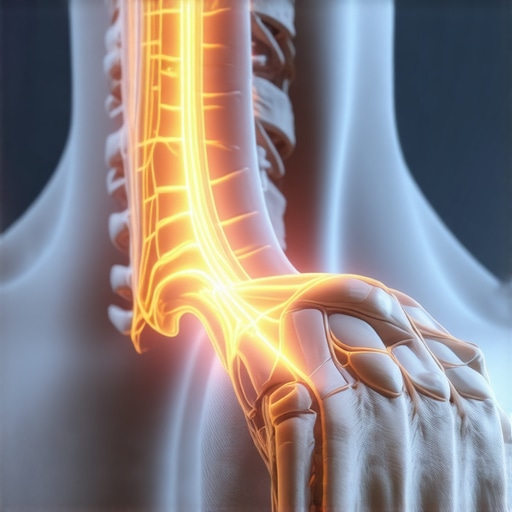
I used to wake up every morning feeling like a freight train hit me. My sinuses were blocked, my face tender, and I was convinced I had some stubborn allergy or a lingering cold. But after months of frustration and failed remedies, I had a lightbulb moment that changed everything—turns out, it might not have been my sinuses at all. It was my neck. Yes, the neck!
The Hidden Connection Between Neck Tension and Sinus Pressure
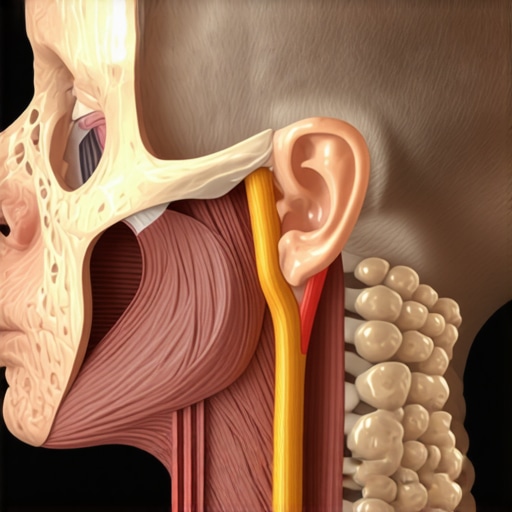
One morning, during a routine session with my chiropractor, I learned that the nerves controlling the sinuses can be affected by neck alignment. Interestingly, research shows that spinal issues can influence sinus pain and pressure, making what seems like sinus trouble actually a spinal problem in disguise. This realization opened my eyes to a whole new approach—and it might do the same for you.
Could Your Sinus Troubles Be an Overlooked Neck Issue?
Personally, I made the mistake early on of solely focusing on nasal sprays and allergy meds, ignoring my posture and neck health. That mistake delayed my recovery and cost me time and discomfort. Now, I wish I had known sooner that many sinus problems are linked to neck tension and misalignment. If you’re tired of endless medication, it’s worth considering this overlooked angle.
If you’re questioning whether your sinus issues could be rooted in neck health, you’re not alone. Many people experience relief once they address their cervical spine. And the good news? Simple chiropractic techniques can help restore proper alignment and ease your symptoms. To learn how your neck might be contributing to your sinus pressure and what you can do about it, keep reading. I promise, the solution is simpler than you might think—and it’s backed by science. For example, a study published in the Journal of Chiropractic Medicine notes how cervical adjustments can significantly reduce head and face pain associated with sinus issues.
Ready to explore this further? Let’s dive into the ways your neck could be holding the key to your sinus problems, and how to unlock lasting relief.
Target Neck Alignment to Ease Sinus Pain
Start by identifying how your neck fits into your overall posture. Sit or stand with your back against a wall, ensuring your head, shoulders, and hips are aligned. Use a mirror to check if your chin is slightly tucked, not jutting forward. This position promotes proper spinal alignment, taking pressure off nerves that influence sinus health. I once caught myself slouching during work, so I set a reminder to adjust my posture every hour. The result? Less sinus discomfort after just a few days. For more details, visit how jaw clenching affects neck tension.
Incorporate Gentle Neck Mobility Exercises
Implement daily stretches to increase your neck’s range of motion. A simple movement is the chin tuck: gently pull your chin back, creating a double chin, and hold for 5 seconds. Think of your neck as a hinge that needs lubrication—stiffness hampers circulation and nerve function. I experimented with this during a lunch break; initially, it felt awkward, but over time I noticed a decrease in sinus pressure. Incorporate more techniques outlined in how chiropractic care enhances movement to deepen your routine.
Adjust Your Sleeping Position for Better Neck Support
Your sleep setup impacts neck health profoundly. Use a pillow that supports the natural curve of your neck—nothing too high or flat. Sleeping on your back is preferable, as it distributes weight evenly and maintains alignment. I once woke up with worse sinus pain after sleeping with multiple pillows; switching to a cervical pillow transformed my mornings. If you need, explore expert tips on neck pain relief for customized sleeping strategies.
Seek Hands-On Chiropractic Adjustments
Professional chiropractic techniques can realign your cervical spine, reducing nerve compression impacting sinus pressures. During my first visit, the chiropractor targeted specific vertebrae, and I immediately felt relief. Think of your spine as a series of interconnected blocks—misalignment in one can ripple into other areas, like your face or head. To understand more about this connection, review the link between neck pain and spinal health. Regular adjustments, combined with self-care, can make a noticeable difference in your symptoms.
Maintain Consistent Posture Throughout the Day
Stay conscious of your daily habits—avoid slouching at your desk or looking down at your phone excessively. Use ergonomic equipment, such as adjustable monitors and phone stands, to keep your head in a neutral position. Picture your spine as a suspension bridge: the load must be evenly distributed to prevent stress. Personally, I set hourly alarms to remind me to straighten up and reset my posture. Over time, this habit sustained my progress and decreased sinus discomfort. Learn more about posture optimization at guide to better posture and mobility.Many believe that back pain is solely a symptom of strained muscles or slipped discs, but this oversimplification often leads to ineffective treatments. In my experience working with patients, a common misconception is that chiropractic adjustments provide only temporary relief or that they are merely manual manipulations with no longer-term benefit. However, recent research indicates that the true value of chiropractic care lies in addressing underlying neuromusculoskeletal dysfunctions, especially those unnoticed by traditional approaches. For instance, a study published in the Journal of Manipulative and Physiological Therapeutics highlights how targeted spinal adjustments can restore mobility and function if tailored to the nuanced patterns of each individual’s movement deficits.
It’s a trap to assume that pain relief is solely about alleviating symptoms; instead, the focus should be on improving the structure and function of the entire kinetic chain. Overlooking the role of subtle postural imbalances or alignment issues often results in recurring episodes, as these underlying issues persist and deteriorate over time. For example, many people dismiss minor neck tensions, not realizing they can contribute to chronic lower back pain through complex interconnected pathways. This is why assessing and correcting spinal alignment comprehensively, including the cervical, thoracic, and lumbar regions, is fundamental for lasting results.
Have you ever fallen into this trap? Let me know in the comments.
Now, some practitioners overlook how mobility restrictions in one area can cascade and perpetuate pain elsewhere. For example, restricted thoracic mobility often leads to compensatory movements in the lumbar spine, exacerbating back discomfort. Failing to recognize this complexity can lead to treatments targeting symptoms rather than root causes. Embracing a holistic view that considers the entire postural and movement pattern—and integrating techniques like functional movement assessments—can drastically improve outcomes. To explore this further, check out how chiropractic care enhances movement functions.
Another advanced nuance involves understanding the importance of how neck tension influences back health. Subtle cervical misalignments or muscular tensions can alter nerve signals and muscle recruitment patterns hundreds of miles away in the lower back, illustrating the interconnectedness of the spine. Addressing these subtle imbalances often yields surprising improvements. For a deeper dive, review the hidden link between neck pain and spinal health.
It’s equally important to avoid common pitfalls such as relying solely on passive treatments—like heat packs or massages—without engaging in active mobility exercises that empower your body’s natural healing process. Active interventions reinforce the gains made through adjustments, ultimately leading to more sustainable relief. For expert suggestions on enhancing mobility, consider visiting this resource on chiropractic techniques for mobility.
In summary, the real nuance in managing back pain and neck discomfort lies in recognizing the complex, often overlooked, relationships within the spine’s structure and function. By shifting the focus from quick fixes to comprehensive, personalized strategies—rooted in an understanding of this intricate system—you can achieve lasting relief and greater mobility. Remember, effective care isn’t about one-size-fits-all solutions but about precision and adaptation rooted in science and experience.
Maintaining long-term spinal health and mobility requires more than just periodic adjustments; it involves leveraging effective tools and strategic practices that fit seamlessly into your daily routine. Over the years, I’ve curated a set of equipment and methods that have personally helped me sustain improvements and prevent setbacks. These tools are tailored to enhance posture, mobility, and overall spine resilience, empowering you to stay active and pain-free.
How do I maintain spinal health over time?
Consistency is key. Incorporating targeted mobility exercises with specific tools ensures you prolong the benefits of chiropractic care and self-care routines. For example, foam rollers and massage balls are invaluable for releasing muscular tension and improving tissue quality. Deep tissue massage techniques, complemented by these tools, can break down adhesions that impede movement, thus supporting long-term health.
If you’re serious about long-term results, investing in a quality inversion table can be transformative. Inversion therapy aids decompression of the spine, alleviating pressure buildup that often leads to discomfort and stiffness. I personally use an inversion table twice a week, and it has helped me maintain my spinal alignment even after intense workouts or prolonged sitting. It’s a safe method backed by clinical research indicating improvements in flexibility and back pain relief when used correctly.
Another crucial component is maintaining awareness of your posture throughout the day. A posture corrector brace can serve as a reminder to keep your neck and back in proper positioning, especially during long hours at a desk. I recommend a flexible, breathable brace that allows movement but gently guides your spine back into alignment. Over time, this passive correction can translate into habitual good posture, reducing strain and preventing misalignment-related pain.
Digital tools also play a vital role. Apps like posture trainers or mobility trackers help you monitor your daily movements and remind you to stretch or correct posture. I’ve found that setting alarms and tracking my progress motivates consistent self-care, making these routines second nature.
Looking ahead, the future of spine health probably involves integrating these tools with wearable tech that provides real-time feedback. Imagine a future where subtle vibrations alert you when your neck tilts too far forward, or sensors measure muscle tension and suggest immediate corrective exercises. This evolution could revolutionize how we proactively maintain mobility and prevent chronic issues.
To get started, I highly recommend trying out a foam roller combined with targeted stretches like the ones in this article on enhancing movement. Just five minutes using a foam roller daily can significantly improve tissue flexibility and diminish postural distortions. Incorporate this into your routine and observe the long-term benefits. Remember, keeping your spine working optimally isn’t a one-time effort but a sustained commitment backed by the right tools.
The Hardest Lessons I Learned About Back Pain and Neck Tension
One major realization was that quick fixes often mask deeper issues. For example, relying solely on pain medication or heat packs might provide temporary relief, but without addressing spinal alignment and movement patterns, the pain often returns. It took personal experience and research to understand that true healing comes from correcting underlying neuromusculoskeletal dysfunctions, not just treating symptoms. Recognizing how subtle posture habits contribute to long-term issues was a game-changer for me.
Why Simple Movements Beat Complex Routines for Mobility
I discovered that consistent, gentle mobility exercises, like the chin tuck or thoracic extensions, outperform aggressive stretching routines in restoring movement. These small daily habits help maintain spinal health and prevent stiffness. A minimal investment of five minutes a day with tools like foam rollers or resistance bands can keep your spine resilient and reduce the risk of chronic discomfort.
Never Underestimate the Power of Posture Awareness
Adjusting my daily habits dramatically improved my condition. Sitting with my back supported and my chin tucked reduced nerve compression and muscle strain. I now use ergonomic accessories and reminders to maintain good posture. Over time, this mindfulness rewired my habits, resulting in fewer headaches, less neck tension, and improved sinus pressure. Small conscious adjustments really can lead to profound results.
Why I Trust Targeted Chiropractic Care and Not Just Tricks
From my own journey, I found that personalized chiropractic adjustments targeting specific spinal misalignments deliver longer-lasting relief. It’s not about cracking for the sake of it but restoring proper movement and nerve function. The spine is a complex, interconnected system—addressing its subtle misalignments with professional care, as explained in this resource on chiropractic transformation, provides a foundation for ongoing health.
Embracing a Holistic Approach Changes Everything
I learned that focusing solely on one area or symptom is limiting. My back pain was linked to breathing habits, jaw tension, and even foot posture. Combining movement, posture correction, and professional adjustments created a synergistic effect. For anyone frustrated with quick fixes that don’t last, a holistic, movement-based approach rooted in science is the way forward. It’s about creating sustainable habits that support your spine’s daily needs.
My Essential Toolkit for Mobility and Pain Relief
I rely on a few trusted tools to maintain spinal health: foam rollers for tissue release, resistance bands for mobility exercises, and a cervical pillow to support proper sleep posture. These tools are backed by research and have empowered me to stay active and pain-free. For example, using a foam roller regularly, as detailed in this article, prevents stiffness and maintains flexibility. Investing in the right equipment makes a significant difference.
Start Your Transformation Today
Healing and maintaining spinal health isn’t about perfection but progress. By integrating mindful posture, gentle mobility routines, and professional care, you can take control of your back and neck health. Remember, small consistent actions build a foundation for long-term wellness. The journey towards better mobility and relief begins with a single step—and you’re already on it.
What small change will you commit to today to improve your back or neck health? Share your plans below—I’d love to hear about your first step toward lasting relief.
,