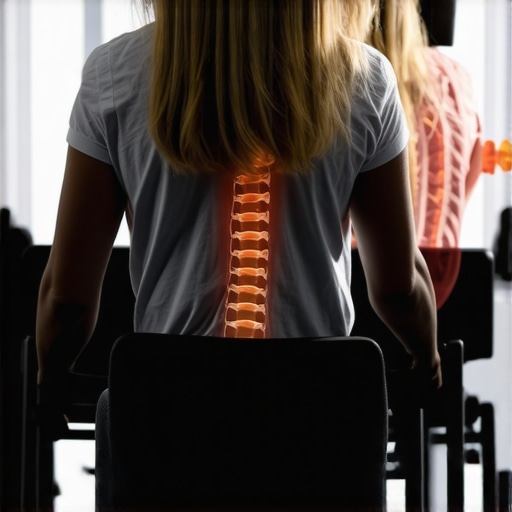
The truth about ‘text neck’ and how to reverse it without gadgets
Few things are as frustrating as that dull, persistent ache in your neck after a long day of scrolling, typing, or streaming. I remember the exact moment I realized my posture was betraying me—standing tall in front of the mirror, only to see my neck subtly leaning forward, as if reaching out to grab the next notification. That lightbulb moment made me question—how did I let this happen? And more importantly, can I fix it without resorting to gadgets or expensive therapy?
The Real Cost of Text Neck
As someone who’s dealt with stubborn neck tightness and occasional headaches, I know how easy it is to dismiss these signals as temporary discomfort. But the truth is, repeated poor posture from looking down at our phones or hunched over a laptop can lead to long-term issues, including chronic pain, decreased mobility, and even spinal misalignments. A recent study suggests that the average adult spends over 3 hours a day on their devices, significantly increasing the risk of developing this modern ailment. That’s a lot of time your neck is fighting gravity—and losing.
Early in my journey, I made a mistake that many beginners do—over-relying on quick fixes like neck braces or massagers, hoping for instant relief. But these only masked the symptoms, while the root causes remained unaddressed. Trust me, I learned the hard way that sustainable progress requires understanding the problem deeply and committing to real movement-based solutions.
Could Simple Changes Really Make a Difference?
Absolutely. And today, I’m here to share my experience and guide you through proven techniques that helped me regain natural neck alignment without gadgets. You’ll discover how mindful habits, gentle stretching, and strengthening exercises can transform your comfort and mobility for good.
So, if you’ve ever caught yourself craning at your screen or waking up with that familiar ache, you’re not alone. Stay with me—because these practical steps could be the game-changer you need.
Why Posture Matters More Than You Think
Align Your Mind and Body
Start by becoming aware of your daily habits. Set a timer to remind you to check your posture every 30 minutes. When you notice your head jutting forward, consciously draw your chin back as if trying to create a double chin. This simple mental cue trains your muscles to maintain a healthier position, much like resetting a misaligned picture frame.
Integrate Gentle Neck Stretches
Gentle stretching can release tension accumulated from poor posture. One effective move is the neck tilt, where you slowly tilt your head toward your shoulder and hold for 15 seconds. I once did this after hours of working at my desk, and I felt a noticeable loosening around the cervical muscles. Remember, avoid forcing the stretch; gentle movement keeps the tissues healthy and responsive.
Strengthen Supporting Muscles
Weak neck and upper back muscles often contribute to poor alignment. Incorporate isometric exercises like the chin tuck, where you press the back of your head into your palm while resisting movement. Over time, these strengthen your deep neck flexors, acting like the foundation of a sturdy building—supporting everything on top. Regularly practicing this improved my posture significantly, reducing my headaches.
Optimize Your Work Environment
Adjust your workstation so that your monitor is at eye level, and your keyboard and mouse are within easy reach. Think of this like setting up a cockpit—everything should be within your natural line of sight and arm reach, minimizing strain. I replaced my monitor stand and noticed instant relief, especially during long editing sessions. If you’d like more detailed guidance on ergonomic setups, explore these expert methods.
Consistent Micro-Exercises for Lasting Benefits
Short bursts of mobility exercises throughout the day keep your tissues flexible and responsive. The ‘Wall Angel’ is a favorite: stand with your back against a wall, raise your arms to form a goalpost, and slowly move them up and down, maintaining contact with the wall. During a busy week, I did this every hour, which helped cement better posture patterns. Regular execution prevents muscles from tightening and supports spinal health overall. For deeper insights into staying injury-free, see these chiropractic solutions.
Practice Conscious Breathing
Deep, diaphragmatic breathing relaxes tense neck muscles and reduces overall stress that can lead to poor posture. Place your hand on your belly, inhale slowly through your nose, and feel your stomach rise. Exhale fully, feeling the muscles relax. I found this particularly helpful during stressful moments, as it immediately eased my neck tension. For a holistic approach, consider exploring chiropractic strategies for chronic discomfort.
Track Progress and Stay Committed
Keep a simple journal noting each posture correction, stretch, or exercise you perform. This accountability helps you see your improvements clearly, much like tracking miles on a journey. Over a few weeks, I noticed that small, consistent efforts led to a significant reduction in my neck pain. Remember, lasting change requires patience and persistence.
By integrating these concrete steps into your routine, you’ll train your muscles, realign your posture, and alleviate discomfort. The key is consistency—gradually, these actions become second nature, turning good habits into long-term health benefits. If you need assistance tailoring these steps further, consider consulting professionals or exploring resources like chiropractic secrets for neck comfort.
Many assume that mobility issues and neck or back pain are solely about muscle tightness or simple posture fixes. However, a common misconception is that pushing harder or stretching more aggressively yields better results, which isn’t always true. In fact, overdoing mobility exercises without understanding the underlying mechanics can lead to further injury or chronic problems. Experts emphasize that the quality of movement matters more than quantity, and that dysfunctional movement patterns often stem from deeper neuromuscular issues rather than just flexibility deficits. For instance, just stretching tight hamstrings won’t improve your lower back if you haven’t addressed the pelvis tilt or core stability issues that contribute to overall alignment. This nuance is often overlooked by those seeking quick fixes online.
Are we really restoring true mobility or just temporary relief?
In many cases, repetitive mobilizations or self-manipulations mask symptoms without fixing the root cause. A study published in the Journal of Physiotherapy highlighted that passive stretching alone isn’t effective for long-term mobility gains unless integrated with active control and strength training of stabilizing muscles. Relying solely on passive techniques can create a dependency that hampers natural movement patterns and spinal health. Mastering proper mobility involves understanding the complex interaction between joint structures, muscles, and the nervous system—something that novices often miss.
Another trap many fall into is believing that chiropractic adjustments alone are enough to maintain spine health. While adjustments can provide immediate relief, they aren’t a substitute for functional training. Proper movement patterns and strengthening exercises are essential for lasting improvements. As I advise in these expert methods, combining manual therapies with neuromuscular re-education leads to more comprehensive outcomes.
Furthermore, the myth that pain is always an indicator of damage is misleading. Pain can sometimes be a protective response from the nervous system indicating that certain movement patterns are not optimal. Ignoring this feedback and pushing through pain can entrench faulty patterns or cause tissue irritation. Instead, learning to interpret these signals correctly and working with professionals who understand the nuances of neuromuscular control makes a difference.
Why does addressing mobility require a layered approach?
Because the body adapts to habits and postures over years, unresolved poor mechanics become ingrained. Simply stretching or adjusting without retraining movement quality is akin to repainting a wall with the same cracks. An effective strategy involves assessing the entire kinetic chain—feet, hips, core, and shoulders—and integrating stability exercises that support correct movement. Moving beyond superficial treatments to address these
Building Your Own Maintenance Toolkit for Longer-Lasting Results
Maintaining optimal mobility and pain-free function requires more than just sporadic exercises—it demands a consistent approach backed by the right tools. My personal experience has shown that investing in specific equipment and adopting targeted routines can dramatically prolong the benefits of chiropractic care and movement therapies. These tools aren’t just gadgets; they’re essential allies in your journey toward sustained health.
One of my staples is the foam roller. I prefer a medium-density roller, which I use daily to target my thoracic spine and hips. Regular rolling helps break down adhesions, improve circulation, and maintain tissue elasticity—factors crucial for preventing stiffness and back pain. Unlike basic massage, foam rolling activates my nervous system to support better movement patterns. To maximize benefits, I recommend performing rolling sessions at least once daily, especially after prolonged sitting or activity.
Another indispensable device is the suboccipital release ball. I keep a pair of tennis balls taped together, creating a focused tool for gentle release of tension in the upper neck. These allow precise pressure application on trigger points, easing headaches and neck tightness. Incorporating this release into my morning routine has been transformative, significantly reducing my reliance on constant stretching.
For digital health management, I use specialized software like movement tracking apps. By logging my posture corrections, exercises, and pain levels, I can identify patterns and fine-tune my routine. I’ve found that visual feedback and data-driven insights help sustain discipline and motivate progress over the long term.
Complementing physical tools, I rely on ergonomic accessories—an adjustable sit-stand desk and an ergonomic chair. These have revolutionized my workspace, reducing strain and enabling frequent posture shifts. It’s remarkable how small ergonomic tweaks, when maintained consistently, can stave off degeneration and discomfort.
Looking ahead, technology will continue to evolve with smarter wearables and AI-guided movement programs. These innovations promise real-time feedback that automatically corrects your posture before pain manifests, making maintenance more seamless than ever. Staying ahead of the curve means integrating these advancements into your routine as they mature.
How can I keep my progress intact for years to come?
Maintaining long-term mobility means embracing an integrated system of self-care. Regularly updating your toolkit with new tools—like vibration massage devices or portable posture sensors—ensures you remain proactive. Additionally, scheduling periodic check-ins with a chiropractor or physiotherapist can identify emerging issues early. Think of it as regular tune-ups for your vehicle—preventive care saves money and pain in the long run. To get started, I recommend trying the advanced tip: incorporate daily foam rolling in combination with targeted trigger point releases. This dual approach sustains flexibility and reduces flare-ups, empowering you to take charge of your health.
Throughout my journey with neck health, one lesson stood out more than any other: small, consistent changes outperform quick fixes every time. I once believed that a few stretches or a quick adjustment would keep my neck pain at bay, but I learned that true progress demands a deeper commitment to lifestyle habits. Patience is key. It’s not about instant results but about cultivating a culture of mindful movement and proactive care that becomes second nature. Recognizing the subtle cues my body sent and responding before discomfort escalated was an eye-opening moment—that’s when lasting change started to take root.
My Go-To Tools That Keep My Neck Happy
Over time, I’ve curated a set of trusted tools that support my mobility and reduce pain. The foam roller has been indispensable for releasing tight tissues along my upper back and neck, preventing stiffness from creeping back in. I also swear by the suboccipital release balls to gently ease tension in my upper cervical area—it’s both affordable and effective. For tracking my progress, I rely on apps that monitor posture and movement. These tools keep me accountable and motivated, proving that investing in the right equipment can make a real difference. My ergonomic desk setup, including adjustable stands and supportive chairs, also plays a vital role in maintaining good neck alignment during long working hours. Combining these tools with consistent movement routines ensures I stay ahead of pain and stiffness.
Taking Action Beyond Today
The future of neck health hinges on the choices you make right now. Every mindful movement, every ergonomic tweak, and every habit you build today creates a ripple effect into tomorrow. Don’t wait for pain to become unmanageable—start integrating these habits into your daily life now. Remember, sustained mobility is a marathon, not a sprint. Keep exploring what works for your unique body, and don’t hesitate to seek professional advice when needed. Your journey to lasting neck comfort is entirely within your control, and each small step brings you closer to a pain-free life. Ready to commit to your mobility mastery? The next step is yours to take.