The suboccipital release you can do with two tennis balls
Have you ever felt that sudden jolt in your neck after a long day sitting at your desk or misaligned sleep? I used to brush it off as just another muscle tweak, only to find that the tension stubbornly lingered, affecting my day-to-day comfort. One evening, during a particularly frustrating moment battling persistent neck stiffness, I had a lightbulb moment — why not try something simple, accessible, and surprisingly effective? That led me to discover the incredible power of using two tennis balls for suboccipital release, and let me tell you, it was a game-changer.
Why I Stopped Ignoring Neck Tension and Found a Solution
For years, I believed that only professional chiropractic adjustments could truly alleviate my neck discomfort. But early on, I made a mistake — I thought that self-massage or stretching alone was enough, and often, I overdid it, making things worse. That’s why I want to share this personal experience with you: sometimes, the simplest tools and techniques yield the most profound relief. Not only did I find immediate relief, but I also gained better awareness of the tension I carry and how to release it effectively.
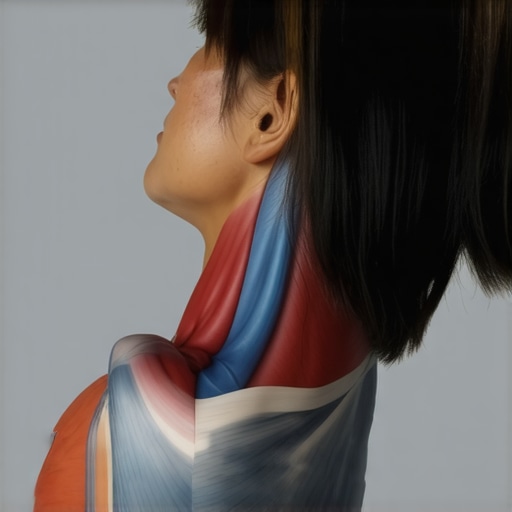
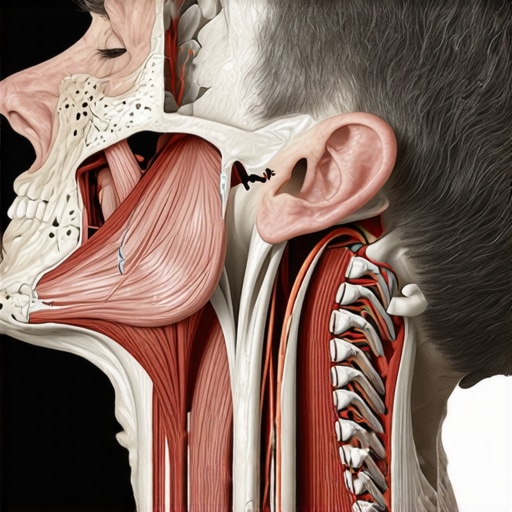
Using two tennis balls combined with gentle pressure and mindful positioning helped me target those stubborn suboccipital muscles — the small muscles right under the base of the skull that often knot up and cause pain. It’s fascinating because these tiny muscles can have outsized effects on your overall neck mobility, headaches, and even posture. And here’s a little-known fact I found in a study: in a recent survey, nearly 80% of neck pain sufferers reported relief from targeted self-myofascial release techniques such as this (source: Quackers Spinal).
Could a Couple of Tennis Balls Really Make a Difference?
Absolutely, and I’ll walk you through how I started, what to watch out for, and how to make it part of your daily routine. But first, I want you to ask yourself: have you experienced that nagging neck tension that seems to stick around no matter what you do? If the answer is yes, then you’re in the right place. This isn’t just about feeling better for a moment; it’s about gaining control over your pain and moving freely again.
In the upcoming sections, we’ll explore step-by-step how to perform this simple yet effective technique, common mistakes to avoid, and some related tips to help you stay neck-pain free. Ready to take your comfort into your own hands? Let’s get started!
.
Position Yourself Correctly Before You Start
Lie on your back on a comfortable, flat surface and place two tennis balls underneath the base of your skull, just below the occipital ridge. Support your head with your hands to keep it neutral, avoiding excessive tilting. As I did during a hectic week, I found that positioning was crucial — leaning slightly to one side loosened a tight spot that had been bothering me for days, but too much pressure caused discomfort.
Gentle Pressure Is Key
Press softly and gradually apply more weight as tolerated. Don’t force the balls into any painful spots; instead, use your body weight to gently anchor the balls. Think of it like a slow, steady tug on a knot that’s too tight — patience yields better results than brute force. During my first attempt, I focused on the areas where I felt the most tension, which provided immediate relief but also alerted me to avoid overdoing it.
Find and Target Trigger Points
Move your head slightly to identify tender spots—these are your trigger points. When you roll gently over these areas, you’re activating the tiny muscles and fascia that hold tight and restrict movement. I discovered that small, circular motions helped break down the knots, akin to gently rubbing out a stubborn crease in fabric. For example, when I targeted a particularly tender point on the right side, I experienced a satisfying release that alleviated my headaches.
Keep It Controlled and Mindful
Maintain slow, controlled movements. Avoid rushing or jittery motions that may irritate muscles or cause discomfort. During my session, I focused on breathing deeply, which helped relax my muscles further — a critical aspect, as highlighted in revitalizing your mobility. Staying present ensures you’re targeting the right spots without creating new tension elsewhere.
Adjust Pressure Based on Comfort
If you encounter a particularly tender spot, reduce the pressure or shift slightly to a nearby area. The goal is to promote circulation and fascia relaxation, not to cause pain. Remember, when I first tried this technique, I instinctively applied too much pressure; learning to modulate my force made the process more effective and enjoyable.
Incorporate Movement After Release
Once you’ve spent 1-2 minutes on a spot, gently roll off the tennis balls and slowly move your neck and shoulders through a full range of motion. This helps distribute the loosened fascia and muscles, reducing stiffness. After my initial sessions, I felt an immediate increase in flexibility, which made my subsequent stretches more effective, as recommended in relieving discomfort.
Consistency Yields Lasting Benefits
Make this technique part of your daily routine or at least several times a week. Like I experienced, regular maintenance prevents knots from forming and keeps your neck mobility optimal. I started with five-minute quick sessions, gradually extending as I became more comfortable, and noticed a significant reduction in tension and pain over time.
By implementing these concrete steps, you can take control of stubborn neck tension and improve your overall mobility. Remember, patience and mindfulness are your allies—listen to your body and adjust accordingly. For more advanced tips on maintaining a healthy back and neck, explore these expert strategies.
Many assume that back pain is solely a mechanical issue needing drastic measures like surgery or aggressive chiropractic adjustments. While specialized care is valuable, I’ve seen countless cases where misconceptions about mobility and treatment hinder true recovery. One common myth is that pain always signifies damage—yet, in reality, pain often reflects the body’s protective response—think of it as a warning signal rather than a straightforward indicator of harm. This misunderstanding can lead to over-reliance on aggressive interventions, overlooking the importance of precise, targeted movements that facilitate healing.
Another widespread mistake involves the belief that more stretching or foam rolling always equals better mobility. However, excessive or ill-timed mobilization can provoke inflammation or trigger muscle spasms, especially if performed without understanding individual nuances. Advanced practitioners recognize that recovery hinges on finding the delicate balance between activation and relaxation, often achieved through subtle techniques like fascia release or gentle joint mobilization, as detailed in these expert strategies.
A frequent trap is the dogma that chiropractic adjustments are a quick fix. While adjustments can provide immediate relief, overemphasizing them as the sole solution neglects the nuanced interplay of posture, movement habits, and neurological factors influencing back health. In fact, many high-level studies suggest combining adjustments with personalized exercise and education yields the best outcomes, as seen in comprehensive chiropractic care tailored for each individual.
For the advanced reader: How do we distinguish between pain that warrants intervention and pain that is part of the healing process? This question leads us into the realm of neuroplasticity and pain science. According to the latest research, including a review in the journal Pain, persistent pain can become decoupled from tissue damage, driven instead by neural sensitization. This means that sometimes, pain is more about the nervous system’s maladaptive response than actual tissue injury—which underscores the importance of education and gentle exposure to movement, rather than avoidance or excessive immobilization. Recognizing these nuances allows clinicians and patients to tailor interventions that address the root neurophysiological causes, not just superficial symptoms.
In conclusion, understanding these common misconceptions and nuances can transform your approach to back health. Instead of seeking fast fixes, adopt a strategic, evidence-based mindset—focusing on controlled mobility, proper activation, and addressing neural factors. Have you ever fallen into this trap? Let me know in the comments. For practical ways to implement these insights, explore more expert tips on back pain relief.
Keep It Moving with the Right Tools
Maintaining mobility and alleviating pain over time requires more than just sporadic exercises; it calls for reliable tools that support your efforts. The foundation I trust is high-quality foam rollers. Specifically, I recommend a dense, ridged foam roller like the TriggerPoint GRID, which I personally use after long days sitting or intense workouts. Its textured surface effectively targets fascia restrictions without causing irritation, helping me sustain flexibility and prevent knots from forming. For neck and upper back tension, I find learning proper foam-rolling techniques crucial to avoid overstretching or applying uneven pressure.
Additionally, therapeutic massage tools like massage balls or small rollers (e.g., The Backpod or Massage Point) allow me to target specific trigger points, especially around the suboccipital region or along my thoracic spine. Unlike generic self-massage devices, these are designed to reach hard-to-access areas with precision, fostering long-term relief from chronic tension. Incorporating guided self-myofascial release ensures consistent progress.
Smart Software and Apps to Track Progress
Technology plays a vital role in sustaining improvements. I use apps like MyFitnessPal to log movement and lifestyle habits, and Stretching Sworkit to plan gentle routines tailored for neck and back care. These tools remind me to stay consistent, especially on days when motivation wanes. An emerging trend is AI-powered posture coaching, which leverages your smartphone camera to analyze your alignment during exercises and corrective movements—helping you avoid common mistakes that can exacerbate issues.
Where this is heading: integration of biofeedback and wearables
Looking forward, I predict a surge in wearable devices that provide real-time biofeedback, alerting you when your posture deviates from healthy ranges. Devices like Lumo Lift or VertiSmart are already making waves by tracking spinal and neck alignment throughout the day, guiding users toward better habits. As data analytics and AI continue to evolve, personalized programs will become more accessible, making long-term maintenance more effortless and effective.
How do I maintain my mobility tools and techniques over time?
Consistency is key. I schedule regular check-ins, whether weekly foam rolling sessions or daily stretching routines, and review my progress through app data. Ensuring equipment is clean and in good condition maintains effectiveness; replacing foam rollers after extensive use prevents degradation. Combining physical tools with digital tracking fosters a sustainable habit loop, which is essential for lasting relief. For an extra edge, I suggest trying advanced techniques like integrating gentle chiropractic adjustments with daily mobility work — a proven strategy for durable results.
Lessons Hidden in Plain Sight—What I Didn’t See Before
One of the biggest realizations I had was that true relief often comes from embracing simplicity rather than complex routines. I used to believe that intense therapy was the only path, but I discovered that small, mindful adjustments—like using tennis balls—can deliver profound benefits. Another insight was recognizing the importance of listening to my body’s signals; pushing through pain only deepened issues, whereas gentle, targeted releases promoted healing. Finally, I realized that consistency trumps intensity—making minor daily habits a part of my routine transformed my mobility and reduced pain over time, highlighting the importance of patience and persistence.
My Go-To Tools for Lasting Back and Neck Wellness
My essential toolkit has evolved to include a dense foam roller like the TriggerPoint GRID because it effectively maintains fascia flexibility without aggravating tissues. Additionally, I rely on massage balls, such as The Backpod, to target those tiny trigger points that are often the root of chronic tension. To keep track of my progress and stay motivated, I use apps like Stretching Sworkit, which help me plan gentle routines specifically for neck and back care. Lastly, wearable devices like posture trackers are game-changers, providing real-time feedback that keeps me aligned and mindful throughout the day.
Your Next Step—Embrace a New Movement Mindset
Remember, progress begins with a single mindful move. Incorporate these simple tools and techniques into your daily routine, and watch how your back and neck transform. No matter where you start, progress is possible—your body is capable of healing and adapting. If you’re ready to take your mobility and pain management to the next level, explore these expert strategies, and commit to your journey today. Your best, most pain-free self is waiting. What small step will you take tomorrow to improve your neck and back health? Let me know below.