Why we adjust the pelvis to fix ‘unrelated’ shoulder tension
Imagine this: you’re at your desk, feeling that nagging tension in your shoulders that just won’t go away, no matter how many stretches or massages you try. You finally think, maybe I should see a chiropractor. But then, during the exam, your chiropractor points out something unexpected: your pelvis is out of alignment. Suddenly, it clicks—could this be linked to the shoulder pain I thought was unrelated?
Why Fixing Your Pelvis Might Be the Key to Shoulder Relief
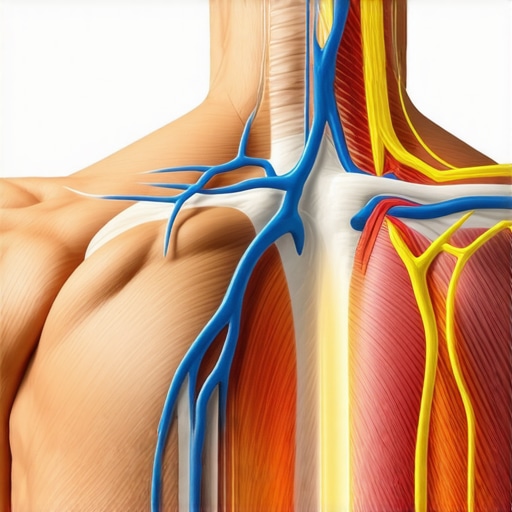
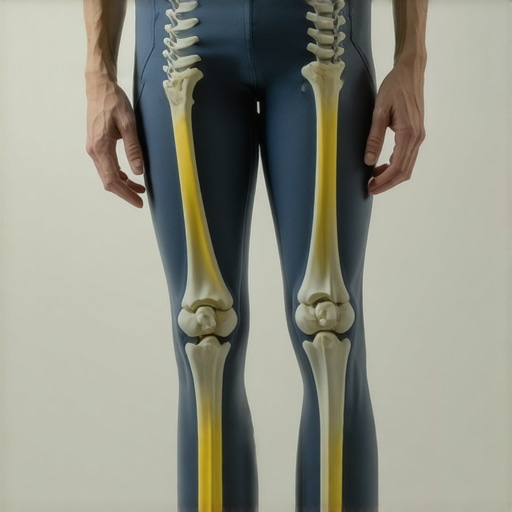
For years, I used to believe that shoulder tension was solely a problem of the upper body—tight muscles, poor posture, or repetitive strain. But I kept hitting a wall—no amount of shoulder-focused adjustments seemed to offer lasting relief. That was until I uncovered the profound connection between pelvic alignment and shoulder health. It’s a game-changer. When your pelvis is misaligned, it throws off your entire spinal posture, which can cause compensatory tension all the way up to your shoulders. Think of it as a domino effect—tweak one piece, and the whole system responds.
This realization transformed the way I approach mobility and pain management. And research supports it: a study in the Journal of Bodywork and Movement Therapies highlighted how pelvic imbalances can influence upper body function. Early in my journey, I made the mistake of focusing solely on shoulder exercises and neglecting the pelvis. The result? Persistent discomfort. It’s a mistake I see many make—think about how many people try to stretch their shoulders endlessly without addressing root causes like pelvic stability.
If you’ve been frustrated with stubborn shoulder tension, it’s worth considering the harmony of your entire posture. I promise that by understanding and addressing pelvic alignment first, you might finally find the relief you need. Ready to dive into how this works and what steps you can take? Let’s explore how correcting the pelvis can unlock a new level of mobility—and say goodbye to ‘unrelated’ shoulder pain.
Is Pelvic Adjustment Really Worth It? Here’s the Truth
Early on, I was skeptical. My training taught me to focus on the pain site, not the root. I remember a failed attempt at just stretching the shoulders, thinking I was doing enough. It wasn’t until I realized that my own posture was compensating for underlying pelvic misalignments that I understood the importance of holistic correction. Today, I can confidently say that addressing the pelvis isn’t just a theoretical idea—it’s a practical solution that I’ve seen change lives. If you’re tired of temporary relief and want a real fix, exploring how your pelvis impacts your entire spinal health is a must.
Identify Your Postural Imbalances
Start by assessing your posture in a mirror or with a partner, noting any visible tilts or rotations in your pelvis. I remember the first time I did this—my pelvis was noticeably shifted to one side, which explained my persistent shoulder tension. Recognizing this imbalance is crucial, as it sets the foundation for effective correction. For a comprehensive self-assessment, consider consulting a chiropractor trained in mobility correction, or check out our proven strategies for further guidance.
Mobilize the Pelvic Area
Before static exercises, loosen tight muscles around your pelvis with gentle mobilizations. One effective move is the pelvic tilting exercise: lie on your back with knees bent, then gently tilt your pelvis to flatten your lower back into the floor, and then arch slightly. Perform 10 repetitions, focusing on controlled, smooth movements. I once spent a morning practicing these tilts and noticed my pelvis felt more responsive, reducing strain in my shoulders afterward. Regularly integrating mobilizations like this helps your pelvis become more adaptable, preventing compensatory patterns.
Use External Aids for Support
In some cases, using a mirror or a proprioception-based tool can enhance awareness of pelvic position. For example, placing your hands on your hips during exercises can help maintain alignment. Proper support during exercises ensures you don’t reinforce faulty patterns—think of it as the training wheels on a bike. When I first tried this, I felt clumsy, but over time, my awareness sharpened, leading to better control.
Strengthen Your Core and Hip Stabilizers
Focused strengthening of muscles like the transverse abdominis, glutes, and hip abductors is essential. I recommend exercises such as the glute bridge, which target the posterior chain, and side-lying leg lifts for hip stability. Perform 2-3 sets of 10-15 reps, emphasizing quality over quantity. Remember, a weak core allows pelvic tilt to persist. I spent a few weeks doing these exercises daily, and the shift in both my pelvic and shoulder posture was noticeable—reduction in tension and discomfort became constant benefits.
Correct Pelvic Position During Daily Activities
Integrate pelvic awareness into your movements. When sitting, ensure your pelvis tilts slightly forward, maintaining natural lumbar curve. When standing, avoid locking your knees or shifting weight unevenly. I caught myself slouching at work, reminding myself to engage my core and realign using breath control. Over time, these small adjustments became second nature, drastically reducing neck and back pain. For persistent issues, consider a professional consultation or visit our contact page for personalized advice.
Many believe that chiropractor adjustments are a quick fix for pain, but in reality, there’s a nuanced layer often overlooked. One common myth is that all chiropractors focus solely on the area of pain, aiming to crack the joints to provide relief. However, true expertise involves addressing the root causes, like neuromuscular patterns and postural imbalances—especially in complex cases of neck or back pain. For instance, research shows that comprehensive care that includes soft tissue work and movement education leads to more sustainable results (see how chiropractic care can enhance movement).
An advanced mistake many make is assuming that mobility exercises are just about stretching tight muscles. But without understanding the neurological component—like proprioception and motor control—they may not yield long-term improvements. Strengthening stabilizers and improving neural pathways are crucial for lasting mobility and pain relief. Avoid the trap of static stretching alone; instead, integrate dynamic and neuromuscular training for better outcomes (learn more about mobility mastery).
When it comes to neck or back pain, many believe that frequent chiropractic visits are necessary indefinitely. This can foster dependency rather than empowerment. The goal should be to equip yourself with self-management strategies, like targeted exercises and postural adjustments, for independent improvement. Staying dependent on continuous adjustments might indicate a deeper issue—such as poor movement habits or chronic muscle imbalances—that require comprehensive correction (discover expert methods for relief).
Is Chiropractic Just About Cracking Joints, or Is There More?
Advanced practitioners understand that the value lies beyond the audible click. Chiropractic care, especially when combined with movement retraining, helps restore the integrity of your nervous system and improves your body’s ability to stabilize itself. Don’t fall into the trap of thinking a quick adjustment will permanently solve your issues; instead, view it as part of a holistic process. For holistic mobility, balancing soft tissues, joints, and neural pathways is essential (boost neck comfort and function).
Have you ever fallen into this trap? Let me know in the comments.Maintaining your spinal mobility and pain relief results over time calls for deliberate strategies and the right tools. One of my go-to methods involves integrating proprioceptive devices, such as a balance pad or stability cushion, into daily exercises. These tools challenge your body’s sense of position, helping reinforce neuromuscular control, which is vital for long-term stability.
For instance, I personally use the Dynair Ballkissen. Its textured surface and unstable platform motivate me to engage core muscles actively while performing simple movements like pelvic tilts or bridge exercises. This not only enhances stabilization but also trains my body to respond better during daily activities, reducing the risk of re-injury or persistent discomfort.
Supplementing with software-based guided mobility routines has transformed my approach. I rely on apps like MobilityMaster (specialized fitness app), which provides dynamically adjusting programs based on my progress. These programs integrate feedback and progress tracking, making it easier to stay consistent. Regularly updating your routine with such digital tools is crucial because, as research indicates, progressive overload and variation prevent plateaus and encourage continued gains (learn more about mobility strategies).
Predicting future trends, I believe integration of wearable technology, like motion sensors embedded in clothing or insoles, will become commonplace for personalized feedback, enabling even more precise and scalable mobility corrections.
How do I keep my mobility improvements consistent over the years?
The key lies in establishing a routine that combines physical tools—like stability devices—with digital tracking and professional guidance when needed. Making small adjustments, such as setting reminders to perform mobility drills or periodically consulting a chiropractor, ensures that habits stick and progress continues. Remember, long-term success doesn’t happen overnight, but through consistent, informed effort.
If you’re serious about cementing your gains, I recommend trying the dynamic stabilization exercises with proprioceptive tools. These techniques help retrain your nervous system for better control, which is the cornerstone of enduring mobility and pain relief.
Hidden Lessons From My Journey with Pelvic and Shoulder Health
One of the most surprising lessons I learned was that addressing the pelvis can dramatically change shoulder tension, reminding me that true mobility is a whole-body pursuit. I realized that neglecting foundational issues often leads to endless frustration, and sometimes, a simple pelvic realignment can unlock years of discomfort. This insight taught me to listen more attentively to how interconnected our bodies truly are.
Another lightbulb moment was discovering how neurological control plays a vital role in mobility. Beyond stretching and strengthening, enhancing neural pathways through proprioceptive exercises made a noticeable difference. It’s not just about moving muscles—it’s about retraining your nervous system to support better posture and pain-free movement.
Finally, I understood that long-term change comes from consistency and mindful habits. Incorporating daily pelvic and core stabilization routines, supported by the right tools, creates a resilient body that maintains mobility and reduces pain over time. This holistic approach has transformed my outlook and effectiveness in managing musculoskeletal health.
Tools That Elevated My Path to Better Movement
For anyone serious about improving their pelvic and shoulder health, I recommend exploring chiropractic strategies that enhance movement. Using proprioceptive devices like the Dynair Ballkissen helped me develop awareness and stability, making my exercises more effective. Additionally, apps like MobilityMaster provided structured routines that adapted as I progressed, ensuring I stayed motivated and challenged. Lastly, reading resources such as expert tips for back and neck relief armed me with knowledge to make better daily choices and corrections.
Your Next Step Lies in Action
Remember, achieving lasting mobility and pain relief isn’t just about one-off exercises—it’s about making deliberate changes rooted in understanding your unique body. Small daily habits, supported by the right tools, can create profound and lasting improvements. Whether you’re a seasoned mover or just starting, embracing this holistic view can open doors to freedom from discomfort. Your journey toward better movement begins today—take that first step with confidence and curiosity.
What small change will you try today to improve your pelvic or shoulder health? Let me know below!