Why we look at your eyes to understand your balance issues
Have you ever experienced that unsettling moment when you stand up quickly and feel a wave of dizziness or imbalance? I remember countless mornings where a simple shift in my head sent me stumbling, questioning if my body was betraying me. It’s a frankly frustrating experience that can make even everyday tasks feel daunting. The lightbulb moment for me was realizing that our eyes are more than just tools for seeing—they’re vital clues to our overall balance and stability.
Decoding Balance: What Your Eyes Are Really Telling You
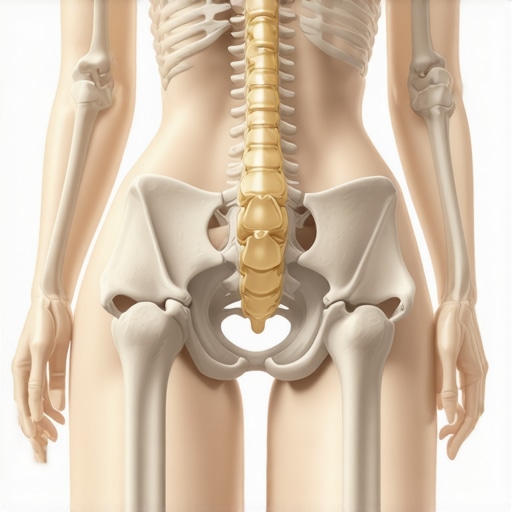
Our visual system is intricately linked to our vestibular system, which governs our sense of balance. When these systems aren’t working in harmony—perhaps due to neck tension, poor posture, or underlying spinal issues—the result can be a persistent feeling of unsteadiness. I learned early on that by simply examining my eyes during a wobble, I could uncover patterns that explained my imbalance. Trust me, it’s a game-changer.
Is Focusing on Eyes Overhyped? Think Again
Early in my journey, I made the mistake of dismissing the significance of eye behavior—assuming balance issues were solely inner ear problems or neurological. But the truth is, misalignments, muscle fatigue, or neck tension often manifest visually. An eye that jitters, wavers, or appears uneven can be a mirror reflecting deeper issues. Recognizing this was crucial in my recovery, and it might be for you too. According to a study published in the National Institutes of Health, visual cues play a pivotal role in maintaining posture and balance, especially as we age.
If you’ve felt that wobbliness or dizziness creeping into your days, you’re not alone. And I promise, understanding what your eyes reveal could be the first step toward better stability. Ready to explore how your eyes can guide your path to improved balance? Let’s dive into practical, proven strategies that have helped countless of my clients—and myself—find steady ground once more.
Start with Body Awareness
In my experience, the first step is to become acutely aware of your posture and neck tension, which directly influence eye behavior. Stand in front of a mirror and gently tilt your head, observing any wobbling or unevenness. I recall a time when I noticed my left eye wavered more than the right during a wobble; this small observation pinpointed a neck misalignment that I later addressed with targeted chiropractic adjustments. This simple awareness primes you for deeper assessment.
Implement Gentle Eye Tracking Exercises
Focus on Smooth Pursuits
Focus on a fixed object at eye level. Slowly move your eyes side to side, then up and down, ensuring the movements are smooth and controlled. I tried this during a midday break; at first, my eyes darted, revealing tension in the ocular muscles. Through consistent practice, I noticed my eyes tracked more fluidly, which improved my overall balance. These exercises retrain your eye muscles to stabilize naturally.
Track Moving Targets
Use a pen or pointer to follow a moving object across your visual field. Move it slowly at first, then increase speed gradually. During one session, I focused on a swinging pendulum—initially my eyes struggled to follow, but persistence led to better tracking and less wobbling. Enhanced ocular control reduces the burden on your vestibular system, promoting stability.
Align Neck and Head Position
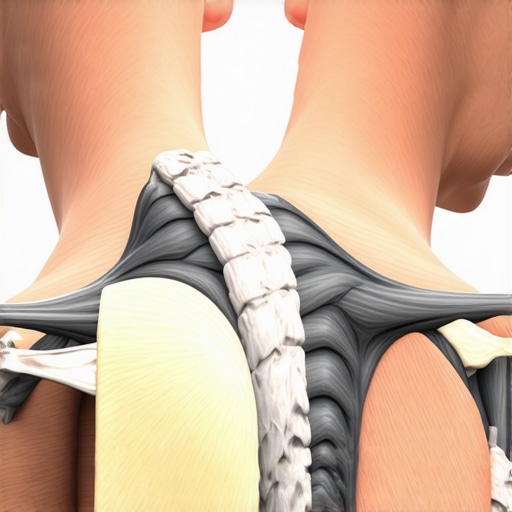
Since misaligned neck muscles can cause eye jitters, ensuring proper head posture is vital. Practice chin-tucking exercises: gently bring your chin toward your neck, imagining a double chin forming. This action realigns the cervical spine, which often reduces eye instability. I experienced immediate improvement after a few reps, reinforcing the connection between neck position and eye control.
Incorporate Breathing and Relaxation
Stress and tension exacerbate neck tightness and eye fluttering. Deep diaphragmatic breathing calms the nervous system, creating less muscular tension. During a stressful period, I focused on slow inhales through my nose and exhales through my mouth, noticing my eyes settled and wobbling diminished. Regular relaxation techniques amplify the benefits of eye-and-neck exercises.
Use Visual Cues for Balance Reinforcement
Set up visual anchors—like lines on a wall or a horizon line—to stabilize your gaze. Practice standing or walking while fixating on these cues, gradually increasing difficulty by closing eyes briefly to challenge your balance. I used a doorframe as a reference; over time, my reliance on external cues decreased, and my internal balance improved. This step bridges eye behavior with functional stability.
Regularly Assess and Adjust
Monitor your progress by revisiting your eye movements and stability. Record a short video of yourself performing eye tracking or balance exercises. Observe improvements and note persistent issues. If imbalance persists, consulting a professional who specializes in spinal and ocular health can provide personalized strategies. My own journey involved tweaks based on feedback, leading to more consistent stability over time.
Investing time in these systematic steps transforms how your eyes and neck collaborate, anchoring your balance in tangible, achievable actions. Remember, consistency is key—small daily efforts compound into profound improvements in stability and confidence.
When it comes to improving mobility, reducing neck and back pain, or seeking chiropractic care, many individuals fall into common misconceptions that hinder their progress. Contrary to popular belief, simply stretching more or taking painkillers aren’t always the best solutions. For instance, a widespread myth is that all back pain stems from muscle strain, leading people to overexercise or stretch aggressively, which can actually worsen underlying issues. Recognizing these nuances saves time and prevents further damage.
One crucial trap to avoid is the assumption that chiropractic adjustments are a quick fix for all spinal problems. While they are highly effective in many cases, relying solely on adjustments without addressing posture, movement patterns, and lifestyle habits often results in recurring pain. Professional guidance, such as comprehensive assessments, can uncover hidden factors like pelvic misalignments or movement dysfunctions that contribute to chronic discomfort.
For advanced practitioners, understanding the importance of neuromuscular control is vital. Instead of just focusing on joint mobility, it’s essential to engage the nervous system to develop proper movement patterns. Studies, such as one published in the Journal of NeuroEngineering and Rehabilitation, emphasize that improving proprioception and motor control leads to better stability and long-term pain relief.
Ever wondered why some mobility exercises seem to plateau or even cause setbacks? Often, this happens because the fundamental issue isn’t a lack of flexibility but rather compromised motor patterns or joint stability. For example, stretching tight hamstrings might worsen pain if the root cause is pelvic instability. Instead, strengthening and stabilization exercises, tailored to the individual’s specific deficits, tend to produce more sustainable improvements.
A common mistake is neglecting the role of breathing and core engagement during movement. Proper breathing enhances spinal stability, yet many overlook this ‘hidden’ component. Techniques that integrate diaphragmatic breathing can significantly improve outcomes, as highlighted in recent research from the National Institutes of Health.
Finally, I encourage a holistic approach—consider both structural and functional aspects of movement. Focusing solely on the symptomatic area without examining related regions, like hips or shoulders, can limit progress. This is why comprehensive assessments and personalized plans, such as those detailed in Understanding Back Pain, are game-changers.
Have you ever fallen into this trap? Let me know in the comments. Remember, deeper understanding leads to smarter choices—and ultimately, better mobility and pain-free living.
Achieving relief from neck and back pain through chiropractic care or targeted exercises is just the beginning. The real challenge lies in maintaining those improvements over time. One of the most effective ways to do this is by integrating specialized tools and methods into your daily routine, ensuring your spine stays healthy and resilient.
Invest in Quality Posture Supports
Using ergonomic accessories like lumbar rolls or adjustable chairs can dramatically influence your spinal alignment throughout the day. Personally, I recommend the LumbarSupportPro because it provides targeted support that encourages proper pelvic positioning during prolonged sitting. Consistent use of such supports trains your muscles to maintain correct posture even when you’re not actively thinking about it.
Incorporate Smart Monitoring Devices
Technology now offers wearable devices that track posture and movement patterns in real-time. Devices like Upright GO help remind you to sit upright and correct poor habits before they become ingrained. I personally use the Upright GO app on my smartphone integrated with the wearable to gain insights into my daily posture habits, making adjustments as needed. These tools serve as silent coaches, fostering long-term discipline and awareness.
Apply Advanced Exercise Equipment
Equipment such as resistance bands and stability balls allows for progressive strengthening and stabilization exercises that adapt with your improving capacity. For example, I incorporate the TheraBand into my routine, which helps reinforce the deep core muscles fundamental to spinal health. Regularly working with such tools ensures your muscles remain balanced, reducing the risk of recurrence.
Predicting Future Trends in Spine Maintenance
Looking ahead, the integration of biofeedback and artificial intelligence into daily health routines is poised to revolutionize spinal care. Imagine apps that analyze your movement patterns continuously and suggest personalized exercises or adjustments instantly. This proactive approach could prevent issues before they manifest, making maintenance less reactive and more preventive.
How do I keep my spinal health consistent without overwhelming myself?
The key is simplicity and consistency. Start by choosing one or two tools that resonate with your lifestyle—like a posture monitor or ergonomic support—and commit to using them daily. Over time, this creates a sustainable habit that encourages your body to maintain proper alignment naturally. Remember, the goal is to make these tools an extension of your routine, not a chore. Try integrating a simple device like the Upright GO as your daily posture reminder; its real-time feedback can be transformative and easy to incorporate into your workday.
For more in-depth strategies, explore the comprehensive guide on understanding back pain and posture. Consistent use of targeted tools combined with professional guidance can significantly extend the benefits of chiropractic care, ensuring your journey toward pain-free living remains ongoing and effective.
Throughout my journey to better spinal health, I’ve uncovered lessons that textbooks often overlook, truths that transformed not only my approach but also my understanding of how our eyes, neck, and back work together. These insights are the difference between surface-level solutions and genuine, lasting change.
The Hardest Lesson I Learned About mobility, neck pain, back pain, chiropractic
Chasing quick fixes can blind you to the root causes. For me, focusing solely on muscle stretches without addressing neck misalignments or eye coordination only provided temporary relief. Recognizing that true stability requires a multi-layered approach was a turning point—one that emphasized the importance of integrating eye exercises with proper neck positioning and spinal adjustments.
Three Myths About mobility, neck pain, back pain, chiropractic That Held Me Back
- Myth 1: Stretching alone can fix chronic pain.
I learned that without addressing underlying misalignments or muscular imbalances, stretching can sometimes worsen issues or delay healing. - Myth 2: Chiropractic adjustments are instant cures.
While they provide immediate relief, maintaining progress depends on consistent postural habits and visual awareness. - Myth 3: Visual cues are secondary, not critical.
Recognizing the eyes’ role in balance changed my entire recovery approach, highlighting visual training as essential for long-term stability.
The Unseen Link Between Eyes, Neck, and Balance
I realized that subtle eye jitters or uneven gaze often point to deeper cervical or spinal misalignments. Addressing these connections—by combining eye tracking exercises with neck realignment—accelerated my progress and prevented recurring issues. This holistic view is something I wish more practitioners emphasized, as it speeds up healing and deepens understanding.
Curated Resources for Lasting Mobility Gains
- Revitalize Your Mobility: This comprehensive guide offered me practical strategies and insights into restoring movement and reducing pain—it’s a must-read for anyone serious about spinal health.
- Specialized Chiropractic Techniques: Visiting a practitioner skilled in spinal and ocular integration helped solidify my gains and provided personalized adjustments tailored to my specific needs.
- Interactive Eye Tracking Tools: Devices like the Upright GO offered real-time feedback, making daily postural awareness engaging and effective—highly recommended for long-term habit formation.
- Holistic Posture Guides: Books that stress aligning body, mind, and vision changed how I approach movement daily, emphasizing consistency over quick fixes.
This Is Your Moment to Embrace True Stability
The journey toward lasting mobility and pain relief isn’t about shortcuts—it’s about understanding the intricate dance between your eyes, neck, and back. Small, persistent adjustments and an openness to holistic strategies can empower you to reclaim your strength and confidence. Every step you take toward awareness is a step toward a more balanced, pain-free life.
What’s one eye or neck habit you’ve noticed affecting your balance? Share your experiences in the comments below—I’d love to hear your story.
,