The 30-second toe-touch test for spinal aging
It was a morning just like any other, but as I bent down to tie my shoelaces, a sharp twinge in my lower back made me freeze mid-knot. I realized that my once-flexible body was beginning to resist simple movements I took for granted. That uncomfortable feeling sparked a lightbulb moment—what if there was a quick way to gauge my spinal health without expensive tests or invasive procedures?
Why Your Spine’s Age Might Surprise You
Over the years, I learned that many people, including myself at times, overlook the subtle signs of spinal aging that creep up slowly. Small posture changes, stiffness, or occasional discomfort might seem insignificant but could signal underlying issues that, if unnoticed, lead to chronic pain or mobility loss. Interestingly, research shows that spinal degeneration can begin in our 20s, often unnoticed until it causes real problems (source).
Fortunately, there are simple ways to stay ahead of these changes. The 30-second toe-touch test became a game-changer for me—an easy at-home check that sheds light on my spinal integrity and mobility. And yes, it’s as straightforward as it sounds: stand up, bend down, and see how far you can reach. If you struggle or can’t touch your toes, it might be time to explore other strategies for maintaining or improving your spine’s health.
Wondering if this little test can really tell you anything valuable? You’re not alone. I made a mistake early on—thinking that flexibility in my youth meant I was invincible. Spoiler: it’s not. Your body gives warning signs, and recognizing them early can make all the difference. That’s why I want to share what I’ve learned and help you take control before discomfort turns into chronic pain.
In our upcoming sections, we’ll dive into how to perform the test correctly, interpret your results, and explore simple steps to boost your spinal health naturally. Are you ready to discover the secrets to lasting mobility and pain-free living? Let’s get started!
.
Perform the Toe-Touch Test Correctly for Accurate Results
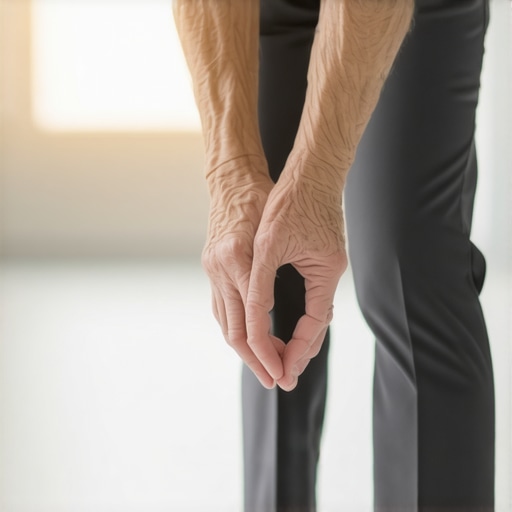
When I first tried this test, I simply bent down quickly and hoped for the best. That led to a misleading assessment, as rushing skews the results. To get an honest reading, stand with feet shoulder-width apart, keep your knees straight, and gently bend at the hips, reaching toward your toes. Don’t force it; breathe naturally and note how far you can go. I remember attempting this after a long day of sitting at my desk, and admittedly, I looked pretty stiff—touching only my shins. Every time I do the test now, I pay attention to my form, which makes the results more reliable and guides my next steps towards better mobility.
Identify Your Limits to Chart a Course Forward
Once you’ve performed the test, compare your reach to your height or previous measurements. Struggling to touch your toes isn’t a failure—it’s a wake-up call. For instance, I struggled to reach halfway to my knees initially, which pointed to tight hamstrings and a stiff lower back. Recognizing this allowed me to focus on specific stretches and strengthen my core. If your results are significantly below your expectations, don’t panic. It simply indicates areas where targeted work can improve flexibility and mobility. Remember, the goal isn’t perfection but gradual progress.
Introduce Mobility Exercises That Make a Difference
Start with gentle stretches like the simple towel stretch to loosen tight muscles. I incorporate this after sitting for long periods—it’s like oiling your joints to keep movement smooth. Lie on your back, hold a towel behind your knees, and gently pull your knees toward your chest, feeling the stretch in your hamstrings and lower back. I found that doing this for just five minutes daily enhanced my flexibility over a few weeks, making daily movements pain-free and easier. Consistency is key, and even small daily efforts yield noticeable improvements.
Utilize Self-Myofascial Release Techniques
Ball massage is a game-changer for tackling stubborn knots. I lie on my back with a tennis ball placed against sore spots in my lower back or hips. Gently rolling over the area releases tension — much like pressing a reset button. Initially, I was surprised at how uncomfortable it was, but the relief afterward was worth it. Be careful to avoid applying excessive pressure, and if the pain persists, consider consulting a professional, such as a chiropractor. This method helps break up fascial adhesions, promoting better mobility and less pain.
Adopt Correct Posture Habits During Daily Activities
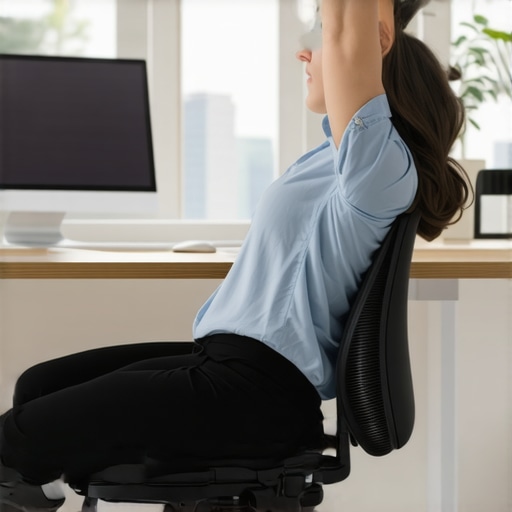
Think of your body as a building—posture is its foundation. I used to slouch while working on my laptop, which exaggerated discomfort. Now, I set my workspace ergonomically—raising my screen to eye level, using a lumbar support pillow, and keeping my feet flat. Every hour, I take quick breaks to stand, stretch, or walk around. The little adjustments made a big difference; they prevent muscle imbalances and protect the spine. Remember, maintaining good posture isn’t about rigid rules but cultivating habits that support natural spine curves.
Schedule Regular Check-Ins With Professionals
In my journey, periodic visits to a chiropractor provided personalized insights that self-care couldn’t offer alone. It’s akin to having a coach review your form—detecting issues before they worsen. Professionals can identify misalignments and guide targeted adjustments, boosting your progress. If you’re unsure how to start, consider reaching out for a consultation—many clinics offer initial assessments that clarify your next steps. Regular check-ins ensure your efforts stay aligned with your goals, keeping your spine healthy and pain-free.
By integrating these concrete steps—proper testing, targeted exercises, self-massage, good habits, and professional support—you take proactive control of your spinal health. The key is consistency and listening to your body’s signals, steadily building mobility and resilience with each effort.
Many people believe that neck and back pain stem solely from muscle strains or improper posture, but this oversimplification can lead to costly missteps in management. Contrary to common advice, not all pain originates from local tissue damage; often, it results from complex neuromuscular and structural issues that require a nuanced approach. For example, a pervasive myth is that chiropractic adjustments instantly cure all spinal problems, yet research indicates that lasting relief often depends on addressing underlying movement patterns and biomechanical imbalances (source). Beware of the trap of seeking quick fixes; many individuals are misled by superficial treatments or unqualified practitioners who focus on symptom suppression rather than root causes. The real expert moves involve comprehensive assessments—examining spinal curves, joint mobility, and neuromuscular coordination—to craft personalized rehab strategies. A critical nuance many overlook is the significance of the cervical and lumbar spine’s natural curves, which play a vital role in distributed load bearing and shock absorption. Flattening or reversing these curves—commonly due to poor posture or trauma—can amplify pain and decrease mobility over time.
What advanced signs suggest your pain might be linked to structural misalignments rather than just muscle tightness?
Typically, persistent pain that worsens with specific movements, numbness, or weakness hints at nerve involvement rather than mere muscular strain. For instance, a study published in the *Journal of Orthopaedic & Sports Physical Therapy* emphasizes that addressing such neurological signs through targeted chiropractic care, combined with movement correction, yields superior outcomes (source). Recognizing these subtleties can prevent unnecessary imaging or invasive procedures, steering treatment toward natural, movement-based solutions. So, next time you experience neck or back pain, consider whether your issue is purely muscular or if deeper structural patterns are at play. Engaging with a professional who understands these complexities can be transformative. Want to learn more about how to identify subtle signs of misalignment? Visit our contact page and schedule an assessment. Remember, uncovering the hidden nuance is the first step toward lasting relief. Have you ever fallen into this trap? Let me know in the comments.
Keep It Working: Essential Tools for Lasting Spinal Health
Maintaining a healthy spine over the years requires more than just exercises and good posture—it demands the right tools to support your efforts consistently. One of my personal favorites is the Fascial Ball, a tennis or lacrosse ball that I use daily for self-myofascial release. Unlike foam rollers, which can be too broad, my ball targets specific knots in tight muscles, especially in my lower back and hips. I find that spending just five minutes rolling out stubborn areas helps prevent pain and improves mobility, making it an indispensable part of my routine. For those seeking more precise control, I recommend a massage stick. I use it to gently stretch and activate key muscle groups before deep stretches—think of it as a warm-up that boosts flexibility and reduces trigger points.
Beyond physical tools, I rely on chiropractic care apps to track my progress and prompt me with reminders for daily mobility exercises, ensuring consistency even during busy weeks. Digital tools that integrate movement tracking, like wearable fitness devices, also play a role by providing real-time feedback on posture during daily activities. They alert me when I’m slouching at my desk or leaning too much to one side, which is crucial for long-term health.
How do I maintain my mobility tools over time?
Regular cleaning and inspection are key. For example, I wash my fascia ball with warm water and mild soap every few weeks, inspecting for wear or damage that could reduce effectiveness. Replacing tools when they show signs of deterioration ensures I’m always using the most effective equipment. Additionally, I keep my massage stick in a case to prevent surface wear, which can diminish its glide and pressure control. Software apps require periodic updates to benefit from new features and security enhancements. Keeping your digital tools current ensures you never miss a reminder or health insight.
Looking ahead, I predict that integration between physical tools and digital tracking will continue to evolve, creating personalized, adaptive programs that respond to your progress automatically. Imagine a smart device that adjusts its recommendations based on your mobility improvements or setbacks—making long-term management more seamless and effective.
If you’re serious about maintaining your mobility and preventing setbacks, I encourage you to try using a fascia ball regularly. Just a few minutes daily can make a significant difference in your spinal resilience. Curious about how to incorporate these tools into your routine? Reach out through our contact page for personalized advice or more resource recommendations. Remember, consistency with these simple yet effective tools is your best bet for a pain-free, mobile future.

What I Wish I Knew When starting My Journey to Spinal Wellness
- My biggest wake-up call was realizing that quick fixes don’t lead to lasting relief. Genuine improvement requires understanding your body’s nuanced signals and committing to consistent care.
- Over-relying on passive treatments like constant massages or instant remedies can mask deeper issues that need active engagement and targeted exercises.
- My misconception that age equals inevitable decline prevented me from exploring proactive strategies early on. The truth is, with mindful habits, we can slow or even reverse some signs of spinal aging.
- Recognizing the importance of proper testing, like the toe-touch flexibility check, helped me stay attuned to subtle changes that signal my body’s mobility status.
Tools and Resources That Transformed My Approach
- Expert-guided exercises and self-myofascial release techniques – Trusted because they are practical, evidence-based, and easy to incorporate into daily routines.
- Chiropractic care – I’ve found personalized adjustments essential to addressing structural imbalances that self-care alone can’t resolve.
- Mobility tracking devices – They keep me accountable and aware, reminding me to maintain posture and movement habits.
- Educational resources and books – Continually expanding my understanding helps me make informed choices and avoid common pitfalls.
Your Next Step Towards a Pain-Free Future
Taking control of neck and back health isn’t about perfection—it’s about progress and persistence. Small daily adjustments, informed by reliable tools and expert insights, can lead to transformative results. I encourage you to listen deeply to your body’s subtle cues and invest in proactive care. Remember, lasting mobility begins with the courage to start, then consistency to continue. Are you ready to embrace these habits and reshape your spinal health journey? Feel free to share your thoughts or experiences below—your story might inspire someone else to take that first step.