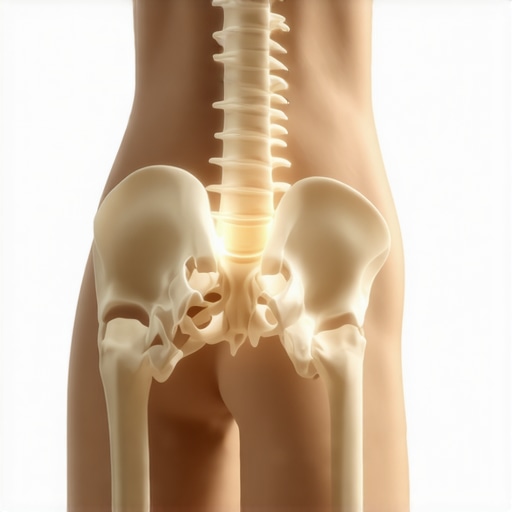
How to pick up your pet without straining your sacroiliac joint
It was just another afternoon, I bent down to lift my beloved Labrador, Max. In that split second, an intense pain shot through my lower back—something I wouldn’t wish on anyone. I’d ignored the warning signs before, thinking I just overdid it at the gym or slept in a weird position. But that day, I realized I was unknowingly messing up the way I handled my pet, and it was taking a serious toll on my sacroiliac joint. That lightbulb moment led me down a path of discovery, and I want to share what I’ve learned so you can avoid the same mistakes.
Why Rethinking Pet-Lifting Is a Game-Changer for Your Back
Pets are family, and we naturally want to care for them—whether it’s picking them up, cuddling, or just playing fetch. However, many of us tend to ignore how these everyday actions can silently contribute to chronic back issues or sacroiliac discomfort. The sacroiliac joint, often overlooked, is responsible for transferring weight from the upper body to the legs. When strained repeatedly—like during improper pet handling—it can lead to persistent pain and mobility limitations.
Early in my journey, I made a common mistake: I thought that lifting Max the same way I’d lift a box of groceries, leaning forward with my back instead of my hips. It felt natural at the time, but I paid the price. According to top experts, incorrect lifting techniques overload the sacroiliac joint, causing inflammation and long-term issues (source). The good news? With the right approach, you can prevent this from happening and preserve your mobility.
Have You Faced This Problem?
If you’ve noticed niggling pain after picking up your pet or experienced a sudden strain that lingered, you’re not alone. Many pet owners underestimate the impact of their lifting habits. But don’t worry—your back is resilient, and with some simple adjustments, you can protect it without sacrificing your bond with your furry friend. Let’s explore how to do this safely and effectively in the next sections, starting with understanding the mechanics of proper lifting techniques and posture optimization.
,
Get Your Hips Into the Action
Instead of bending your lumbar spine like you’re folding a paper, focus on hinging at your hips, like opening a gate. I recall bending forward to lift Max and feeling a sudden pull—next time, I kept my back straight and used my hips, which was messier initially but effective in sparing my spine. To do this, stand close to your pet, place your feet shoulder-width apart, and push your hips back as if you’re closing a gate. Then engage your core and lift by straightening your hips, not your back. This move distributes the load properly, preventing sacroiliac strain and keeping your back happy.
Align Your Shoulders and Knees
Think of your body as a crane: shoulders over hips, hips over knees. When I was rushing, I’d twist slightly, putting uneven stress on my joints. Instead, lock your shoulders over your hips, keep your arms close to your sides, and bend your knees if you need to get lower. This alignment creates a stable base of support. When I applied this, I noticed less wobbling and more control—and my back remained stable through the lift.
Engage Your Core Like a Natural Belt
My core is the powerhouse—think of it as a built-in corset. When I neglected this during my lifts, I felt the strain in my sacroiliac joint. To activate it, take a deep breath, expand your abdomen (not your chest), and tighten your lower belly muscles. Holding this engagement during the lift helps transfer the weight smoothly and reduces undue stress on the lumbar and sacroiliac joints. Practice this by doing gentle abdominal bracing exercises regularly, so it becomes second nature when lifting your pet.
Maintain a Neutral Spine Throughout
The worst mistake I made initially was arching or rounding my back mid-lift, as if trying to fit into a small space. Instead, keep your neck, back, and pelvis aligned in a neutral position—like a sturdy column. Imagine your spine as a stack of coins—balanced and straight. During lifting, look straight ahead, avoid craning your neck, and keep your shoulders level. This keeps the discs and joints in optimal position, reducing pain and injury risk.
Use Smooth, Controlled Movements
I used to jerk Max up because I thought faster was better, but this often caused micro-adjustments that strained my lower back. The key is to lift slowly and deliberately, paying attention to every movement. Turn your hips and peel your pet off the ground, rather than pulling with your arms or torso. This controlled approach minimizes momentum and distributes effort across larger muscle groups, decreasing the chance of sacroiliac overload.
Many believe that persistent neck or back pain is solely a result of strained muscles or spinal misalignments that can be remedied with simple stretches or adjustments. However, for those seeking a true breakthrough, understanding the nuanced mechanics behind these issues is essential. A common misconception is that pain always indicates a direct problem in the area where it’s felt. In reality, pain can be a symptom of dysfunctional patterns elsewhere, such as improper breathing or subtle postural habits that silently influence spinal health. Experts highlight that overlooking these underlying factors can lead to ineffective treatments and recurrent discomfort (source).
Why Do We Keep Falling for Surface-Level Fixes?
One trap I often see is the fixation on quick fixes like foam rolling or generic neck stretches, which might provide temporary relief but fail to address the root causes of chronic pain. For instance, focusing solely on the cervical muscles while ignoring thoracic mobility or diaphragm function can leave the real problem unaddressed. This oversight often results in a cycle of temporary relief followed by recurring symptoms. In fact, research indicates that holistic approaches, which consider posture, breathing, and movement patterns, produce more sustainable results (source).
Similarly, a frequent mistake is neglecting the importance of movement variability. Repeating the same motion or maintaining poor ergonomics over years can lead to adaptive restrictions, which many fail to recognize until pain becomes debilitating. Being aware of these subtle changes allows for strategic interventions, such as targeted chiropractic strategies that restore proper mobility and function (source).
Now, a question that often stumps even seasoned practitioners is: What advanced assessment techniques reveal hidden dysfunctions in neck and back pain? Diagnostic tools like motion analysis, nerve conduction studies, and posture mapping uncover issues that static exams might miss. They help differentiate between structural anomalies, muscular imbalances, or integrative issues like vision or vestibular dysfunction affecting posture. Recognizing these nuances can significantly refine treatment plans, leading to faster and longer-lasting relief. For instance, knowing that a subtle pelvis tilt influences cervical tension can inform both chiropractic adjustments and targeted exercises, ensuring comprehensive care (note on nuanced diagnosis).
Are we prioritizing understanding over mere symptom suppression? As I’ve learned through my journey, embracing this advanced perspective can vastly improve outcomes. Ultimately, the key lies in seeing beyond the obvious, challenging myths, and employing precise strategies tailored to the individual’s complex biomechanical web. Have you ever fallen into this trap? Let me know in the comments, and share your experience with those elusive solutions that truly made a difference.Maintaining spinal health over time requires more than just occasional stretching or adjustments; it calls for a strategic approach supported by effective tools and techniques. One of my favorite pieces of equipment is the **balance board**. I personally use it daily because it engages the core and improves proprioception, which are vital for preventing long-term back pain. Incorporating balance challenges helps retrain the brain and body, leading to more durable improvements in stability and posture.
Another game-changer I recommend is **digital posture training software** like Upright or Lumo Lift. These devices gently monitor your posture throughout the day, alerting you when you start to slump or adopt harmful positions. I’ve found that real-time feedback significantly enhances my awareness, enabling me to correct habits that contribute to chronic issues. These tools serve as an extension of your self-awareness in maintaining optimal spinal alignment.
**Myofascial release tools** such as therapy balls or massage sticks are also indispensable. For example, I keep a tennis ball in my desk drawer—rolling it against tight spots triggers instant relief. Regular self-myofascial release helps break down adhesions, improving mobility and reducing muscle imbalances that can lead to pain.
When it comes to software, I leverage chiropractic-specific mobility apps that guide me through daily routines. The **mobility progression programs** available online, like the ones discussed in our mobility mastery posts, assist in creating a personalized regimen. They integrate with my schedule, ensuring consistency and accountability.
Looking ahead, I predict wearable technology integrated with AI will revolutionize how we maintain spinal health. Imagine sensors that adapt your therapy based on real-time data, preventing issues before they manifest fully. As this trend develops, staying ahead with current tools will be crucial—so I encourage you to test out a balance trainer or posture monitor today.
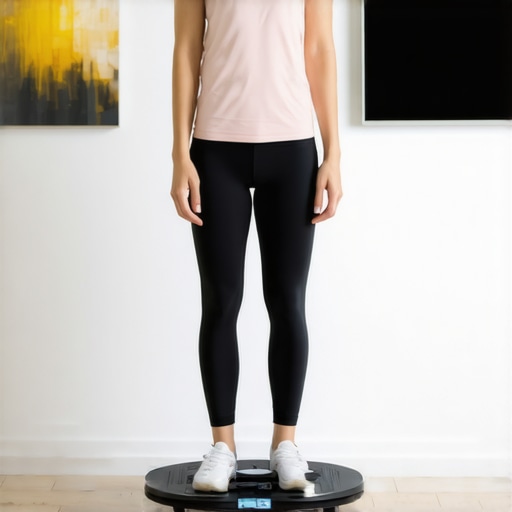
Imagine an image of a person using a balance board in a home gym with correctional posture sensors attached. Alt: Person balancing on a board with posture sensors for spinal health; Title: Enhancing Stability with Balance Training for Long-Term Back Health.
**How do I keep my back working well over the years?** Regularly using advanced tools like posture monitors or balance boards can make a noticeable difference. For an in-depth guide on managing neck pain with effective techniques, check out our comprehensive neck pain management guide.
Most importantly, integrate these tools into your daily routine and stay consistent. Remember, small, persistent efforts yield the best long-term results. I challenge you to try out a balance exercise or a posture alert app this week and observe the difference in your mobility and comfort.
What I Wish I Knew About Lasting Mobility
One of the most profound lessons I’ve learned is that recovery isn’t just about fixing the pain—it’s about changing how I approach movement daily. Relying solely on quick fixes or passive treatments can create a cycle of relief and relapse, but embracing proactive habits and understanding the deeper mechanics of spinal health truly transformed my journey. It made me realize that patience and consistent effort outweigh sporadic interventions, paving the way for sustainable mobility.
Another insight was the importance of listening to my body’s subtle cues. Small discomforts often signal misalignments or unhealthy patterns that, if addressed early, prevent chronic issues. Developing awareness through mindful movement and proper technique became my secret weapon—saving me from future setbacks while deepening my connection with my body’s needs.
I also discovered that integrating everyday tools like posture monitors and balance exercises can have outsized benefits. These strategies reinforce proper habits and build resilience over time. What initially seemed like minor adjustments gradually cultivated a stronger, more stable back and neck—proof that small, consistent steps lead to lasting change.
Lastly, understanding that underlying issues—like breathing patterns and core activation—play a vital role in spinal health was eye-opening. Addressing these often-overlooked factors allowed me to resolve problems at their root, rather than just managing symptoms temporarily. This holistic perspective turned my approach into a full-spectrum strategy for lifelong wellness.
Tools That Keep My Back in Action
Over the years, I’ve relied on a handful of trusted resources that truly make a difference. For comprehensive guidance, I recommend reviewing our neck pain management guide, which distills effective techniques for lasting relief. For assessing movement patterns, tools like posture correction software, such as Upright or Lumo Lift, have been invaluable in maintaining awareness and early correction.
My favorite physical tools include a sturdy balance board—it’s fantastic for engaging the core and improving proprioception. Self-myofascial release with therapy balls or massage sticks, like a tennis ball, helps me manage tight spots and prevent adhesions. These simple yet effective devices keep my mobility on track and can be seamlessly integrated into daily routines.
Beyond physical tools, embracing innovative software like chiropractic-guided mobility apps offers guided routines tailored to individual needs. As wearable tech advances, I look forward to AI-powered sensors that anticipate issues before they manifest. Staying current with these technologies ensures I remain proactive in my spinal health—and I encourage you to explore such tools to discover what works best for you.
Keep Moving Forward and Embrace Change
Your journey to a healthier back and neck is uniquely yours, and every small step counts. As I’ve experienced, adopting new habits, leveraging smart tools, and staying curious about your body’s signals can lead to a resilient, pain-free life. The future of spinal health lies in personalized, proactive care—so don’t wait for discomfort to become limiting. Instead, take action today with the tools and knowledge available, and watch your mobility flourish.
What new habit or tool are you excited to try in your quest for lasting relief? Share your thoughts below—your story might inspire someone else to start their own journey toward better spinal health!