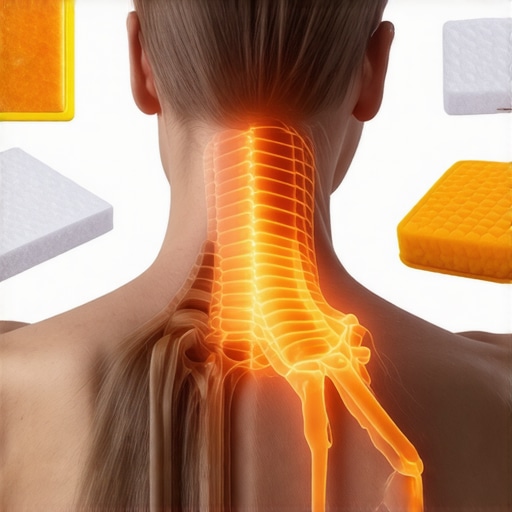
How a Tight Jaw Leads to Chronic Tension Headaches
I remember the exact moment I realized my recurring headaches weren’t just about stress or long hours at the computer. I was sitting in my favorite chair, feeling the dull thump behind my eyes, when I suddenly clenched my jaw without even thinking. That immediate tension in my jaw seemed to ripple upward, intensifying the pounding in my head. It was a lightbulb moment—what if my jaw was actually the culprit all along?
Unlocking the Hidden Link Between Your Jaw and Headaches
Many people overlook how interconnected our body parts truly are. A tight jaw, often caused by grinding or clenching, can lead to what many of us experience as chronic tension headaches. It’s a cycle of tension and pain that sneaks up silently, almost unnoticed, until it becomes a persistent issue. In my case, addressing jaw tightness transformed my approach to headache relief, and today, I want to share that journey with you.
Understanding this connection is crucial because it sheds light on a common yet often overlooked cause of headaches. If you’ve tried multiple remedies without lasting relief, your jaw might be an unsung hero in your pain story. The good news is, resolving this can be simpler than you think, and it often involves addressing jaw tension directly. Along the way, I discovered that many early missteps, like neglecting to consider jaw health, only prolonged my frustration. I want to help you avoid those pitfalls and guide you toward a solution that really works.
Could Your Jaw Be Triggering Those Persistent Headaches?
It’s understandable to be skeptical—after all, how could something as small as your jaw influence headaches of this magnitude? Well, the muscles involved in jaw movement are closely connected to the muscles at the base of your skull. When these muscles are tight or overused, they can irritate nerves and create referred pain, leading to the headaches you’re experiencing. Interestingly, research shows that temporomandibular joint (TMJ) dysfunction is linked with tension-type headaches in many sufferers.^1
Earlier in my journey, I made the mistake of focusing solely on head and neck exercises, dismissing the role of jaw tension. That oversight kept my headaches going longer than necessary. Once I started paying attention to my jaw—using techniques recommended by chiropractic experts—I noticed a significant difference. If you’ve been battling headaches that refuse to relent, it might be time to consider whether your jaw is involved, and a good place to start is by consulting a specialist who understands the whole-body approach.
Are you ready to explore how jaw relaxation and mobility exercises can help you find lasting relief? Keep reading—I’ll walk you through practical steps to address jaw tightness and break free from this cycle of pain, empowering you to regain control of your day-to-day comfort.
,
Start with Gentle Jaw Relaxation Techniques
Begin by consciously relaxing your jaw muscles. Sit comfortably, gently open and close your mouth, and perform slow, controlled movements. Focus on releasing tension in your jaw, as if you’re melting the tightness away. I once applied this during a particularly tense afternoon, and within minutes, I noticed a decrease in the throbbing in my temples. Repeating these gentle exercises daily can gradually loosen stiff jaw muscles and reduce referred headache pain.
Implement Targeted Mobility Exercises
Next, incorporate specific mobility drills that target the temporomandibular joint (TMJ). One effective move involves gently opening your jaw as wide as comfortably possible, holding for five seconds, then slowly closing it. Repeat this 10 times, ensuring smooth and controlled motion. Supplement this with lateral movements—shifting your jaw side to side—to enhance joint flexibility. In my experience, dedicating a few minutes twice a day made a noticeable difference in jaw ease and headache frequency.
Use Proper Posture to Avoid Compounding Tension
Maintaining good posture is critical because poor alignment can increase jaw and neck strain. Imagine your spine as a strong, upright tree; leaning forward or slouching can bend your branches, intensifying tension elsewhere. When I caught myself leaning over my phone, I noticed my jaw clenching more during the day. Awareness and adjustments—like keeping your screen at eye level—prevent unnecessary muscle overuse and further headaches.
Tackle Muscular Imbalances with Specific Strengthening
Strengthening weak neck and shoulder muscles can alleviate the burden on your jaw. Focus on exercises that activate the deep neck flexors and upper back muscles. For example, gentle chin tucks—where you draw your chin inward—help reinforce proper neck alignment. I integrated these into my routine after reading about their benefits, and over time, they supported better posture, easing tension on my jaw and reducing headache episodes.
Incorporate Regular Breaks and Mindful Habits
Break the cycle of clenching and grinding by scheduling regular relaxation periods. During work or screen time, set alarms to remind yourself to shake out jaw tension and adjust your posture. Additionally, become mindful of habits like nail-biting or teeth grinding, which often happen subconsciously during stressful moments. Wearing a mouthguard at night can help prevent grinding that contributes to morning headaches. Taking these steps transformed my daily experience, making pain less predictable and more manageable.