The Wall Slide Variation for Stubborn Mid-Back Knots
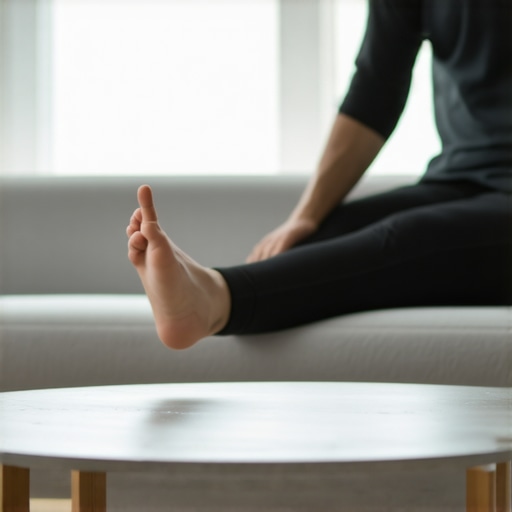
Ever been in that frustrating moment when your mid-back feels like a clenched fist, holding onto pain and tension no matter what you do? I remember countless mornings waking up with a stubborn knot right in the middle of my back, tight as a steel cable, making every movement feel restricted. It’s that almost-constant ache that saps your energy and robs you of your usual ease of motion. Honestly, I used to think it was just part of getting older, or something I’d have to learn to live with. But then I discovered a simple, effective technique that completely changed how I approach my back discomfort: the Wall Slide. And if you’ve been battling similar knots that just won’t let go, I promise, you’re not alone—and this might just be the breakthrough you need.
Why Mid-Back Tension Can Feel Like a Living Nightmare
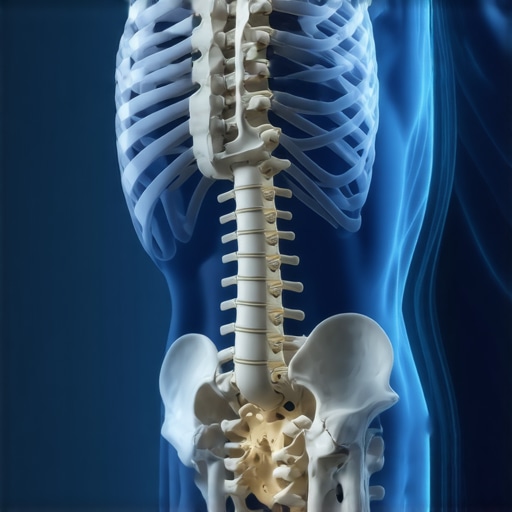
Mid-back pain often sneaks up on us, especially when we spend hours at a desk or hunch over our phones. What’s tricky is that these knots tend to linger, refusing to loosen despite countless stretches and massages. I learned this the hard way early on—trying to force relief with generic exercises, only to find the pain stubbornly sticking around. It was a mistake I see many making: assuming that all back pain reacts the same way or that a quick fix will do the trick. What truly helped me was understanding that the root cause is often linked to how our joints and muscles move—or refuse to move—in harmony.
Research backs this up, indicating that targeted mobility exercises can significantly relieve persistent back knots. For example, a study published in the Journal of Bodywork and Movement Therapies found that specific joint mobilizations and stretches can reduce chronic muscular tension. That’s why a technique like the Wall Slide, which targets your mid-back’s mobility and posture, is such a game-changer.
Have You Faced This Specific Problem?
If you’re nodding along, feeling that familiar tightness and wondering if there’s a way to finally break free from it, then keep reading. I’ll share proven strategies rooted in both research and personal practice, starting with the Wall Slide—a move I wish I had discovered sooner. But before we jump into the how-to, let’s address some common doubts and early mistakes that can trip you up on this journey.
Set Up Properly for Maximum Effectiveness
Begin by standing with your back against a sturdy wall, heels about a foot away from the base, and your pelvis neutral. Imagine your spine as a stack of blocks; maintaining contact from your heels through your upper back ensures correct alignment. As I did this in my living room one morning, I realized I was leaning too far forward initially, which reduced the stretch’s benefit. Adjust by gently tilting your pelvis backward until your lower back touches the wall without strain. Practice this positioning until it feels natural—it’s the foundation for effective mobility work.
Engage and Mobilize Your Mid-Back
With your arms raised as if signaling Many individuals assume that visiting a chiropractor will instantly resolve their back or neck pain, but the reality is far more complex. A common misconception is that all chiropractic adjustments are the same, or that they can fix every pain claim with a quick snap. However, **the effectiveness of chiropractic care hinges on understanding nuanced spinal health issues**, such as the differences between muscular tension and joint restriction. For example, research from the *Journal of Manipulative and Physiological Therapeutics* emphasizes that personalized treatment plans, tailored to specific spinal dysfunctions, lead to better long-term outcomes. Without appreciating these subtle distinctions, patients risk relying on generic adjustments that don’t address the root cause, potentially leading to frustration or even exacerbation of symptoms.
Maintaining your back’s health and mobility over time requires more than just occasional stretches or chiropractic visits. It involves investing in the right tools, adopting consistent routines, and understanding how to scale your efforts as your body adapts. Personally, I rely on a few targeted devices that have proven invaluable in my practice and daily routine.
Invest in a Quality Lumbar Support Pillow
One of my top recommendations is a memory foam lumbar support pillow, like the Everlasting Comfort model. I personally use it during long drives and at my desk. Its contour design ensures that my lumbar curve remains supported throughout the day, preventing the common slump that leads to mid-back tension. Over years of use, I’ve noticed a significant reduction in stiffness and a boost in my overall posture. When choosing a lumbar pillow, look for adjustable height and firmness to customize support based on your activity and comfort needs.
Utilize a Foam Roller for Self-Myofascial Release
In my experience, a high-density foam roller like the TriggerPoint GRID has become an essential part of my maintenance routine. Regular use helps break up fascia restrictions and stimulates blood flow to spinal muscles, which in turn enhances mobility and reduces chronic knots. Applying gentle pressure along your thoracic spine can greatly improve flexibility. Remember, consistency is key — dedicating just 5-10 minutes daily can yield long-term benefits. For detailed techniques, I often refer to proven chiropractic strategies.
Incorporate Spinal Decompression Devices at Home
Although professional spinal decompression is performed by licensed chiropractors, at-home devices like inversion tables or lumbar traction pullers can provide sustained relief. I personally use an inversion chair once a week, which decompresses my lumbar discs and alleviates nerve tension. These tools should be used cautiously and ideally under guidance, especially for those with existing conditions. As research indicates, intermittent traction can significantly improve spinal alignment and mobility (see study). Make sure to start slow and listen to your body’s responses.
Leverage Software and App Reminders for Consistency
Staying consistent can be challenging amidst busy schedules. That’s why I rely on apps like StretchIt and MobilityWOD to schedule daily routines and track progress. These apps provide guided exercises tailored to your needs and remind you to stay active. This digital reinforcement helps reinforce disciplined practice, especially as I’ve noticed my mobility decline when neglecting regular activity. Integrating technology into your routine bridges the gap between intention and action.
What Next? Scaling Your Mobility Routine
As your body adapts, you can incorporate more advanced tools like axial decompression belts or consult with your chiropractor to customize a comprehensive plan. The future of back health tools is leaning toward personalized, data-driven support integrating wearable sensors and AI diagnostics, promising even more precise interventions. For now, start with these practical tools, and you’ll be amazed at the progress you can achieve with consistency.
If you’re eager to elevate your efforts, try incorporating the foam roller into your daily routine. A quick session each morning can set the tone for better posture and increased mobility. Remember, the journey toward a healthier back is ongoing, but with the right tools and habits, lasting results are within reach. For more insights on maintaining your progress, I recommend exploring mobility mastery tips.
Lessons Learned from the Trenches of Back Recovery
One of the most surprising realizations I encountered was how often I overlooked the importance of nuanced movement cues. For instance, I used to focus solely on stretching my back, but I ignored how my hips and ankles influence spinal tension. The lightbulb moment came when I discovered that mobilizing adjacent joints could dramatically improve my mid-back tightness, reminding me that holistic body awareness is a game-changer.
Another lesson was the significance of consistency over intensity. My initial approach was to do intense sessions sporadically, but I found that gentle, daily routines—like a simple wall slide—created more sustainable progress. It’s about small, persistent shifts rather than dramatic pushes, emphasizing that patience and daily care trump quick fixes.
And perhaps most invaluable was recognizing the mind-body connection. Stress and posture are intertwined; tension outside your back can manifest as knots. Learning to relax my shoulders and breathe consciously made a tangible difference in easing stubborn back discomfort, underscoring that emotional well-being and physical health are deeply connected.
Tools That Changed My Practice
Over the years, I’ve curated a toolkit that truly supports mid-back mobility. The Revitalize Your Mobility program was a cornerstone, offering targeted strategies rooted in evidence-based practices that I personally trust.
The Chiropractic Techniques Unveiled book opened my eyes to gentle, effective adjustments and exercises that I now incorporate regularly, especially for stubborn knots.
For ongoing consultation, I recommend connecting with top professionals at top chiropractors’ insights. Their expertise offers personalized guidance that complements self-care routines seamlessly.
Finally, technology like the Mobility Mastery app keeps me accountable, turning daily mobility into an enjoyable habit rather than a chore. These tools combined have profoundly enhanced my understanding and management of back health, proving that the right resources and mindset make all the difference.
Your Journey Starts Now — Embrace the Possibilities
Healing your mid-back and enhancing mobility isn’t an overnight feat, but every small step adds up to significant change. Remember, your body is an adaptable masterpiece—when equipped with mindful techniques and the right tools, you can not only alleviate tension but thrive with greater flexibility and strength. Trust in the process, stay curious, and keep exploring specific solutions tailored to your needs.
What’s one small change you can make today to support your back health? Share your thoughts below and join a community committed to moving better every day!