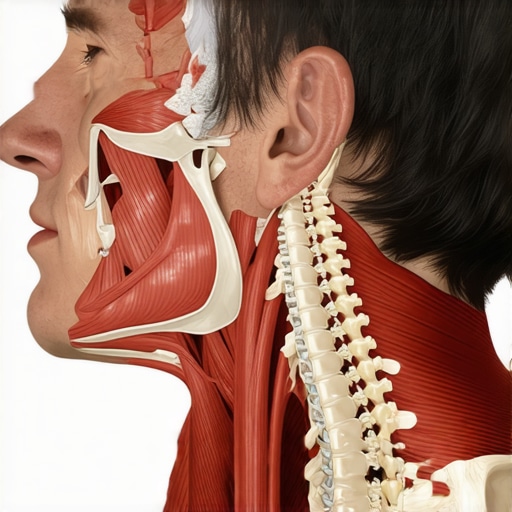
How to Read in Bed Without Destroying Your Neck
Have you ever been curled up in bed with your favorite book, only to wake up with that familiar nagging pain in your neck? I sure have. There was a time when I thought pain was just part of relaxing—something I had to tolerate if I wanted to wind down after a long day. But one morning, I couldn’t turn my head without wincing. That was my lightbulb moment: I was damaging my neck every time I settled in for a read session in bed.
Why Your Bedtime Reading Could Be Sabotaging Your Neck Health
If you’re like me, you cherish your nightly reading ritual. But here’s the thing—without proper support and positioning, those cozy moments can turn into the start of chronic neck issues. The tricky part is, it’s not just about the discomfort; poor posture in bed can contribute to longer-term problems like decreased mobility and even spine misalignment. The good news? Small changes can make a huge difference, and you don’t have to sacrifice your relaxation time.
Is It Really Possible to Read Comfortably Without Wrecking Your Neck?
Early on, I made the mistake of thinking I could just prop my book on my pillow and hope for the best. Nope. That led to my neck constantly twisting to see the pages, which only made things worse. I’ll admit, I was skeptical about how much a few adjustments could help—until I experienced relief after experimenting with a few simple tricks. If you’re worried that changing your habits might require super-special equipment or a complete overhaul of your bedtime routine, trust me—small, practical tweaks can yield big results.
Did you know that consistent poor neck posture can even influence your overall spinal health? According to recent studies, improper positioning during daily activities can be a hidden contributor to back and neck pain (source: Quackers Spinal). That’s why understanding how to read in bed safely is so important. So, if you’ve ever woken up with a stiff, sore neck or felt that twinge creeping up after a long reading session, you’re not alone—and there’s hope.
In this article, I’ll share the exact strategies I’ve used to read comfortably, avoid neck pain, and maintain mobility. Whether you’re a bookworm or just love scrolling on your device before bed, these tips will help you enjoy your favorite pastime without the dreaded side effects. Ready to turn your nightly routine into one that promotes, rather than hinders, your spinal and neck health? Let’s dive into the simple, effective steps that can transform your bedtime habits.
.
Set Up Your Reading Spot Properly
Start by transforming your bed into a supportive reading environment. Use a firm pillow or a bolster behind your back to keep your spine aligned. Place your book at eye level on a small riser or stack of pillows so you’re not craning your neck forward. I experimented with this last week—initially, I just leaned on my pillow and looked down, which led to a stiff neck the next morning. After switching to a sturdy book holder at eye height, I noticed immediate relief and could read longer without discomfort.
Position Your Body Intentionally
Maintain Neutral Neck Alignment
Keep your neck in a neutral position—neither tilted up, down, nor excessively turned. Imagine your spine as a straight rod; any excessive curve puts strain on muscles and joints. When I read, I adjust my pillow so my head sits comfortably straight, similar to how a chiropractor aligns the spine for optimal function. Regularly check your posture, and if your neck starts to tilt or turn, reset your position.
Engage Your Core and Support Your Back
Using your abdominal muscles to support your upper body reduces load on your neck. Think of your core as the foundation of a house; a stable core keeps everything else balanced. I tie this into my routine by reminding myself to sit up straight and avoid slouching—a habit I caught myself doing during long reading marathons. If your back starts to bend or your shoulders hunch, pause, shift your position, and add extra support with a lumbar pillow.
Take Regular Breaks to Reset
Long periods in one position cause muscles to fatigue and increase strain. Set a timer to remind yourself to pause every 15-20 minutes. During these breaks, do quick neck rolls, shoulder shrugs, or stand up and stretch. I included a quick ‘neck swivel’ exercise, slowly turning my head side to side, to loosen tight muscles. Remember, a little movement goes a long way in preventing stiffness and pain, much like how a chiropractor recommends regular movement for spinal health.
Incorporate Micro-Adjustments Throughout the Session
Pay attention to subtle shifts—small adjustments in head position, pillow height, or sitting angle can make a big difference. For example, I noticed my neck felt strained after leaning forward slightly; readjusting my angle provided immediate relief. Practicing these micro-corrections ensures you maintain comfort without conscious effort, similar to fine-tuning equipment for optimal performance.
Use Supportive Tech or Accessories Wisely
Sometimes, a supportive pillow or a reading stand can be game-changers. Look for ergonomic accessories that promote proper alignment. I tried a portable tablet stand, which elevated my device to eye level, drastically reducing neck strain. Avoid gadgets that encourage looking down or twisting your neck into awkward positions. Mastering these small adaptations can significantly improve your reading comfort and protect your neck over time.
Adjusting your approach in these practical ways turns your nightly reading from a potential pain trigger into a nurturing habit. Remember, consistency is key; small daily changes compound into lasting relief. For more tips on managing neck discomfort, check out these expert tips that dive deeper into effective strategies.
Many believe that back pain and mobility issues are simply the result of muscle strain or aging, but this oversimplification often leads to missed opportunities for effective treatment. A common misconception is that you need aggressive interventions like surgery or opioid medication to find relief. In reality, focusing solely on symptoms without understanding spinal health nuances can be a costly mistake. For instance, some assume that chiropractic adjustments are a quick fix; however, without addressing underlying movement patterns and postural habits, relief may be temporary, or symptoms may return. According to expert insights from chiropractic specialists, true progress hinges on integrating structural correction with functional improvements, which many overlook.
An often-overlooked nuance is the importance of sequence and timing in treatment. Jumping straight into passive therapies like massages or adjustments without improving movement habits can hinder long-term success. Its vital to recognize that muscles don’t operate in isolation; they are part of a complex system involving nervous system regulation, biomechanical patterns, and even breathing mechanics. Ignoring these interconnected factors leads to ongoing issues despite symptom relief. For example, inadequate breathing patterns can perpetuate neck and back tension, a link explored in specialized assessments.
Now, let’s address a common myth: that pain directly correlates with injury severity. This simplistic view often causes unnecessary anxiety or premature termination of beneficial activity. Research demonstrates that pain perception involves the brain’s interpretation of signals, influenced by emotional and cognitive factors. Therefore, some individuals experience significant discomfort without severe structural problems, while others have serious issues but minimal pain. Navigating this complexity requires a nuanced approach that combines structural evaluation with psychological awareness.
### How can advanced chiropractors help bridge this gap?
An expert-level strategy involves personalized assessments that go beyond surface symptoms. Techniques like targeted mobilization combined with neuromuscular training can restore optimal movement patterns, reducing reliance on passive care alone. For example, restoring mobility involves identifying and correcting dysfunctional movement sequences ingrained over years, which is a nuanced process often missed in traditional care. Integrating these methods ensures lasting improvements rather than temporary relief.
Finally, beware the trap of oversimplification. Relying solely on generic advice—such as “stretch more” or “lift correctly”—without a comprehensive understanding of spinal biomechanics and individual variances can exacerbate issues. Think of back and neck pain as symptoms of a deeper system imbalance, akin to a symphony where one discordant instrument affects the entire harmony. Addressing this requires an adaptive, layered approach, combining structural, functional, and emotional considerations.
Have you ever fallen into this trap? Let me know in the comments how you’ve navigated these nuances in your journey toward pain relief.
Maintaining your spinal health over time requires more than just occasional adjustments or exercises. It involves integrating effective tools and routines that reinforce good habits daily. One personal favorite is a high-quality ergonomic chair, which I personally use during work hours. It provides continuous lumbar support and encourages proper posture, reducing stress on my back and neck structures. An adjustable lumbar pillow is another game-changer; it adapts to different chairs and seating positions, ensuring consistent spinal alignment, especially during long periods of sitting. For my neck, I rely on a cervical roll or a specialized neck pillow that keeps my cervical spine in a neutral position, preventing the tendency to slide into poor posture, which can lead to chronic discomfort (see more on neck pain management).
Technological tools also play a significant role. I recommend using posture-tracking apps like Upright or Lumo Lift. These devices gently vibrate when you slouch, reinforcing awareness and encouraging micro-corrections throughout the day. Additionally, regular micro-breaks with guided movement routines, such as the ones outlined in chiropractic hacks, help prevent stiffness and maintain mobility, especially in our increasingly sedentary lifestyles.
Looking ahead, I believe the trend will shift towards intelligent, AI-powered ergonomic assessments that adapt to your body’s needs over time, offering personalized suggestions to optimize posture and movement. Imagine a virtual coach that learns your habits and guides you in real-time, almost like having a chiropractor on call 24/7.
How do I maintain mobility and prevent setbacks as I age?
Consistency is key. Incorporate daily-use tools like the foam roller or a small massage ball to release muscle tightness and improve circulation. Regularly scheduled chiropractic check-ins, either in person or through telehealth programs, ensure your habits remain aligned with your body’s evolving needs. Remember, the small investments in your tools and routines today lay the foundation for a pain-free and mobile tomorrow. For a comprehensive approach, explore how chiropractic care enhances mobility and blends seamlessly with your ongoing efforts.
What I Wish I Knew About Neck and Back Habits Early On
One of the most eye-opening lessons I learned is that small daily habits have a profound impact on spinal health. I used to believe that discomfort was just part of aging or a temporary setback, but I realized that intentional support and posture adjustments could significantly slow down or even reverse issues. A key insight was understanding how subtle micro-adjustments in my sleeping and reading positions saved me from chronic pain down the line.
Another lesson was the importance of listening to my body—when I felt tension building, I paused and corrected my position rather than pushing through. This proactive approach prevented minor discomfort from developing into serious issues. It’s empowering to realize that your everyday choices, from pillow height to device placement, are powerful tools for spinal wellness.
I also discovered that integrating supportive technology like posture-tracking apps can create habits that stick. These tools serve as gentle reminders, helping me maintain neutral neck alignment and avoid slouching—especially during those long reading nights. The cumulative effect of these practices has transformed my relationship with bed and reading, turning what was once a pain into a comfortable, health-enhancing routine.
My Go-To Tools and Resources for Sustainable Comfort
For anyone serious about protecting their neck and back during nightly routines, I recommend starting with an ergonomic reading stand. As I explained in my article on neck pain relief, elevating devices to eye level is transformative. Additionally, a good lumbar support pillow, like the ones discussed in chiropractic hacks, can make a significant difference in maintaining spinal alignment.
Investing in a quality cervical pillow or a supportive travel pillow, which I personally use, helps keep my neck in a neutral position even when I’m tired. These tools are simple but effective, and combining them with mindfulness about posture encourages lasting change. Lastly, exploring comprehensive guides like expert-backed techniques can deepen your understanding and reinforce healthy habits.
Your Next Step Towards Pain-Free Nights
Taking control of your bedtime posture and habits is within your reach, and the benefits extend beyond just avoiding neck pain. Improved mobility, better sleep quality, and fewer headaches all follow. Remember, consistency is your best friend in this journey—small adjustments every night compound into long-term wellness. I encourage you to experiment with the tips shared here, and don’t hesitate to reach out for personalized advice. Your neck and back deserve this kind of dedicated care; start today, and watch your quality of life improve step by step.
What small change will you implement tonight to support your neck and back health? Share your plan or ask questions below—your journey to comfort begins with a single step!
,