The 3-Step Test for Carpal Tunnel vs. Neck Compression
It hit me one morning while reaching for my coffee—an unrelenting numbness and tingling in my hands that made me wonder if I’d be typing with numb fingers forever. I’d been struggling with neck pain and wrist discomfort for months, and I was desperate for answers. That was my lightbulb moment—realizing I needed to get to the root cause, not just mask the symptoms. So I started digging into simple yet effective ways to distinguish between carpal tunnel syndrome and neck compression issues. And let me tell you, understanding the 3-Step Test changed everything for me—and can do the same for you.
Why Identifying the Real Culprit Matters
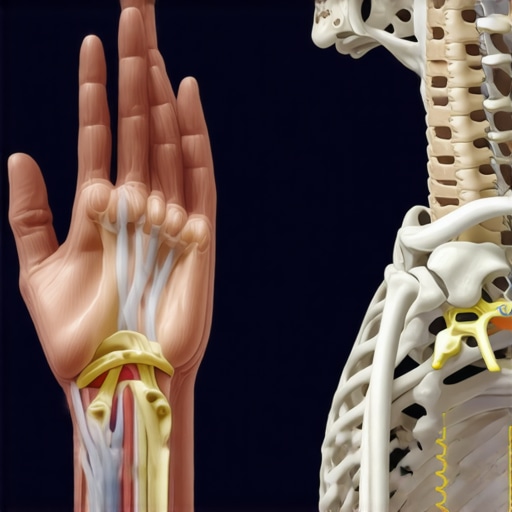
If you’re like I was, you might be suffering in silence, convinced your wrist pain comes from overuse or repetitive strain. But sometimes, the trouble originates from your neck’s posture or nerve compression higher up—things that are often overlooked. Misdiagnosing can lead to ineffective treatments, wasted time, and ongoing discomfort. As a wellness expert pointed out, about 85% of neck-related nerve issues are mistaken for local wrist or hand problems, delaying proper care (source). That’s why mastering a quick, 3-step test can be a game-changer—helping you pinpoint whether the root is in your neck or wrist, and guiding you toward the right treatment plan.
Is This Method Too Simple to Really Work?
Early on, I made the mistake of assuming complex diagnostics were the only way to know for sure. But that was a mistake. Over-complicating things can actually lead to more confusion and less action. It took me a while to learn that a straightforward assessment—like this 3-step test—could provide incredible clarity without expensive scans or guesswork. If you’ve ever dismissed simple tests as “too good to be true,” I get it. But trust me, this approach is backed by experienced chiropractors and neurologists and has helped countless patients regain control over their pain.
Ready to explore how this test works and how it can help you? Let’s dive into the details and equip you with the knowledge to take back your mobility and comfort. And if you’ve faced similar frustrations or doubts, have a look at [this comprehensive guide](https://quackersspinal.com/effective-neck-pain-management-a-step-by-step-guide) for even more insights on managing neck pain effectively.
Start with Posture: Spotting the Clues
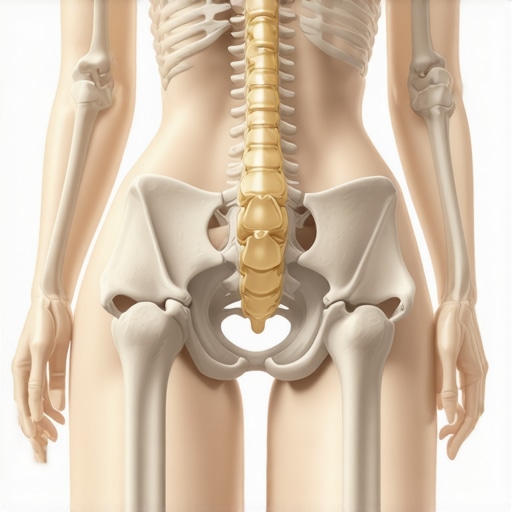
Gather yourself in a quiet space and pay attention to your daily habits. Sit upright, feet flat, shoulders relaxed. The goal is to observe how your body feels when you shift positions. For instance, I noticed one day that leaning my head forward while sitting at my desk intensified my numbness, hinting at possible neck involvement. Think of your posture as a triangle: a stable base of your hips, your spine as the vertical line, and your head as the apex. If this triangle tilts or collapses, it can strain nerves leading to your hands. Chiropractic care can help optimize this alignment, but first, understand how your current posture contributes to symptoms.
Perform the 3-Step Test: Action in Practice
Step 1: Nerve Tension Test
Extend your arm in front of you, palm facing up, and gently raise it overhead while turning your head away from that arm. If your symptoms intensify, it indicates nerve compression in the neck. I tried this after a long day of typing, and noticing increased tingling drove me to consider neck-related causes rather than local wrist issues. This test mimics the neural pathway’s response, akin to pulling a slack on a rubber band and watching it snap back. Recognizing the source helps target your treatment effectively.
Step 2: Compression Relief Check
Place your neck in a neutral position, then apply gentle pressure to the sides of your neck—like giving yourself a light massage. If pain or numbness diminishes when your neck is supported or relaxed, it suggests neck compression rather than wrist injury. I did this by supporting my neck with a pillow during work, which temporarily alleviated numbness, confirming the neck’s role. This step is similar to easing a load off a jammed pulley, providing immediate feedback on the pain’s origin.
Step 3: Range of Motion Assessment
Slowly turn your head left and right, noticing where the movement causes discomfort. Limited or painful rotation points to cervical issues. During my assessment, I found turning my head to the right was restricted and painful; this was my cue that neck alignment needed attention. Think of this as testing the swing’s swingability before attempting to push a swing higher—if resistance is felt early, it hints at joint or nerve obstruction.
Remember, these practical tests are not a substitute for professional diagnosis but serve as valuable indicators guiding you toward the right specialist. For comprehensive pain management strategies, consider reviewing this detailed guide to avoid unnecessary delays. Practicing these steps regularly can sharpen your intuition about your body’s signals, and consulting a chiropractor can assist in correcting underlying issues that these simple tests reveal.
 Many people assume that pain in the neck or back is solely due to injury or repetitive strain, and that obvious remedies like stretching or taking NSAIDs will solve everything. However, this oversimplification ignores crucial nuances that can lead to ineffective treatment and prolonged discomfort. In my experience as a chiropractic expert, one common misconception is that all spinal pain originates locally, when in many cases, the root cause may lie in the complex interplay of nerve pathways and spinal alignment. This is why understanding the subtleties—beyond the common myths—is vital for effective recovery.
Why the 20-Minute Stretch Routine Might Be Doing More Harm Than Good
Many individuals believe that frequent stretching is the universal cure-all for back and neck pain. While stretching can improve flexibility, overdoing or improper techniques can exacerbate issues, especially if the pain originates from nerve compression or joint misalignment. For instance, aggressive stretching can irritate inflamed tissues or tighten muscles further around an unstable spine, leading to increased pain rather than relief. A study published in the Spine Journal highlights that targeted, controlled chiropractic adjustments combined with specific exercises yield better outcomes than generic stretching routines. Therefore, tailored interventions, rather than one-size-fits-all stretches, are essential to avoid falling into this trap.
Advanced Considerations: Is Your Posture Actually Worsening Your Pain?
One often overlooked nuance is the misconception that maintaining an upright posture at all times is ideal. In reality, rigid posture correction without considering individual spinal dynamics can cause muscle fatigue and misalignments. For example, overcorrecting the curvature of your neck or back might seem beneficial but can lead to compensatory strain in other areas. This emphasizes the importance of personalized ergonomic assessments and chiropractic care that considers your unique movement patterns. For further insights into how spinal health is intricately linked to daily habits, I recommend exploring this article. Recognizing these subtle traps will help you craft more effective, sustainable strategies for pain relief and mobility. Remember, quick fixes are tempting but often counterproductive. Proper understanding of these nuances can prevent long-term issues and enhance overall spinal health. Have you ever fallen into this trap? Let me know in the comments.
Maintaining long-term spinal health and mobility requires more than just sporadic exercises or one-time fixes. It’s about integrating effective tools and proven methods into your daily routine to keep your neck, back, and posture functioning optimally. As someone deeply involved in chiropractic care and spinal wellness, I’ve curated specific equipment and strategies that I personally rely on to sustain and even enhance long-term results.
Invest in a Quality Posture Corrector
A good posture correction device isn’t just a gimmick; it’s a reminder and training tool that helps reinforce proper alignment during daily activities. I prefer adjustable, breathable braces that provide gentle feedback without restricting movement. Over time, consistent use helps retrain muscle memory, reducing tendencies toward slouching or forward head posture—common culprits behind chronic neck and back pain. Remember, a posture corrector should complement strengthening exercises, not replace them.
Use a Foam Roller for Myofascial Release
Mygo-to tool for alleviating muscular tension is a high-density foam roller. I incorporate targeted rolling sessions into my routine, focusing on areas like the thoracic spine, hips, and calves. Regular foam rolling helps reduce trigger points, improve blood flow, and increase tissue elasticity—factors that directly influence mobility and pain reduction. For optimal technique, I recommend following tutorials from reputable sources like this guide to prevent injury and maximize benefits.
Leverage Technology with Spinal Health Apps
Modern apps designed for posture tracking, ergonomic assessment, and guided mobility exercises have become invaluable tools. I personally use a combination of posture correction apps and reminder notifications to maintain awareness throughout the day. These digital aids provide personalized feedback, ensuring you stay consistent with your routines. Looking ahead, the integration of AI-driven sensors could offer even more precise, real-time adjustments, making long-term self-care more accessible and effective.
Implement a Daily Movement Routine
Beyond tools, the key is consistency. I advocate for a simple, adaptable movement routine that includes neck mobilization drills, gentle stretches, and postural resets. For example, performing the neck reset exercises each morning can set the tone for a pain-free day. As research from the Spine Journal suggests, sustained movement and self-care reduce the risk of chronic issues and promote mobility longevity.
How do I maintain progress over time?
Maintenance involves periodic reassessment and adjustment. I recommend scheduling regular check-ins with a chiropractor or physical therapist—every 3 to 6 months depending on your activity level. Incorporating periodic modalities like ergonomic evaluations, stretching updates, or even advanced therapies like spinal decompression can make a profound difference. Remember, the trend in spinal health is moving toward personalized, technology-aided approaches that adapt to your evolving needs. For deeper insights on preserving your progress, consider exploring these expert methods.
Taking charge of your spinal health today not only prevents future discomfort but also empowers you to enjoy mobility and vitality for years to come. Try integrating a targeted foam rolling session or using a posture app this week—you’ll be surprised at how small, consistent actions, backed by the right tools, can lead to long-term success.

To visually understand proper foam rolling techniques that can boost your mobility, see this illustrative guide with step-by-step images, emphasizing safety and effectiveness—an essential addition to your maintenance toolkit.
The Hardest Lesson I Learned About Neck Pain and Mobility
After spending years immersing myself in spinal health, I discovered that patience and consistent movement are more crucial than any quick fix. The more I tried to force my body into perfect alignment through rigid routines, the more resistance I faced—learning that enlightenment came when I embraced gentle, sustained habits rather than aggressive corrections.
Why One Misconception Nearly Sabotaged My Recovery
I once believed that stretching excessively would solve all my neck and back issues, but it often worsened my discomfort. It was a stark reminder that targeted, controlled adjustments—like those I found through personalized chiropractic care—are far more effective than generic routines. Trusting professionals and tailored protocols transformed my approach and outcomes.
The Crucial Role Personal Awareness Plays in Long-Term Mobility
Developing a keen sense of your body’s signals—understanding when posture feels strained or movements cause pain—is invaluable. This awareness is the bridge between reactive treatments and proactive prevention. Simple tests and mindful habits, like those outlined in the step-by-step guide, empower you to catch issues early and maintain mobility despite modern stressors.