Why Chiropractic Adjustments Often Start with the Hips
I remember the moment vividly—a stiff morning, I reached for my coffee mug, only to wince as pain shot through my lower back and into my hips. Frustration washed over me. Why was something seemingly simple like bending over causing such agony? It wasn’t until I started paying close attention to my hips that I had my lightbulb moment. I realized my back issues weren’t just about the spine; they were deeply connected to the way my hips moved and aligned. This insight changed everything.
The Hidden Link Between Your Hips and Spinal Health
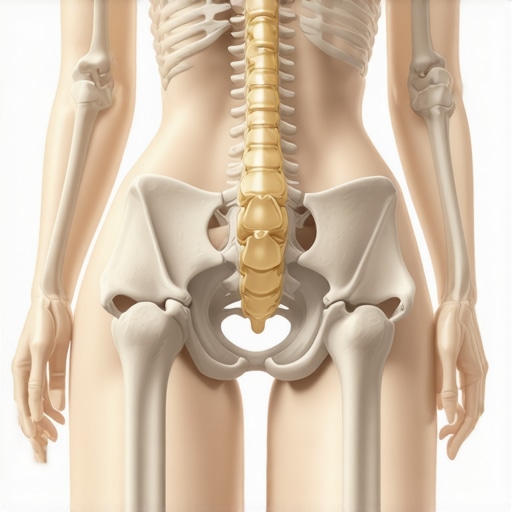
Many people don’t realize that the hips are the foundation of our entire movement system. When your hips are tight, misaligned, or immobile, your body compensates—often leading to back or neck pain. Think of your hips as the gateway to mobility; if they’re blocked or restricted, it affects your posture, balance, and how your spine supports your body. That’s why so many chiropractic adjustments begin with the hips—they’re the first domino in a chain that influences your entire musculoskeletal health.
Research supports this connection. A 2019 study pointed out that hip mobility significantly impacts lower back pain, with restricted hips contributing to nerve compression and muscle tension higher up the chain (source: Restore Your Back Mobility). Recognizing this has helped me and many others shift focus from just treating symptoms to addressing root causes. With proper attention to the hips, we unlock a pathway to pain relief that lasts longer.
Now, if your first thought is, “But I’ve tried stretches and exercises before; why isn’t it working?” — you’re not alone. Many people make the mistake of simply stretching without understanding the underlying hip issues or how to properly restore function. Early in my journey, I also relied solely on generic stretches, which only provided temporary relief. That’s why I emphasize targeted, evidence-based strategies—sometimes, professional guidance is the missing piece to truly transforming your mobility.
Are you facing persistent back, neck, or hip discomfort that just won’t go away? If so, don’t worry—I’m here to guide you through simple understanding and practical steps that truly make a difference. In the next sections, I’ll share proven techniques to optimize your hip movement and, consequently, improve your overall spinal health. Ready to get started? Let’s dive into the core reasons why your hips hold the key to lasting relief and better movement.
Activate Your Hip Flexors with Specific Movements
Start by gently kneeling on one knee, with the other foot planted firmly in front, resembling a lunge position. Lean forward slightly to stretch the hip flexor. I once tried this during a busy morning, timing myself to see if I could hold 30 seconds on each side. Initially, it felt awkward, but over a week, I noticed my lower back pain reducing because the tightness in my hip area was relieved, allowing my pelvis to tilt naturally.
Incorporate Controlled Hip Rotations to Mobilize Joints
Sit on a chair, cross one leg over the opposite knee, then gently press the crossed knee outward, turning your hip. Visualize your hip socket as a ball-and-socket joint, similar to a door hinge. During a session, I used this movement to loosen up my hips before a significant run, and I felt a noticeable improvement in my posture afterward, which translated into less back strain during daily activities.
Utilize Self-Myofascial Release Techniques Effectively
Use a foam roller or massage ball on your hip muscles—specifically the glutes and piriformis. Position the roller under tight spots, applying gentle pressure and rolling back and forth. I remember placing a tennis ball against a stubborn glute knot, holding it there for 20 seconds. The relief in my hip muscles allowed my pelvis to settle into better alignment, which corresponded with a decrease in my lower back discomfort. Regularly integrating this step prevents muscles from pulling your spine out of position.
Practice Hip Bridges to Strengthen and Stabilize
Lie on your back with knees bent and feet flat on the floor. Engage your core, then lift your hips until your body forms a straight line from shoulders to knees. My initial attempts were shaky, and I sometimes forgot to activate my core, causing temporary discomfort. However, consistent practice built strength in my glutes and core, providing better support for my spine and reducing recurring back pain. Focus on slow, controlled movements to maximize benefits.
Integrate Functional Movements into Daily Routine
Simple activities like kettlebell swings or slow lunges mimic natural hip motions and reinforce mobility. I adopted a daily 5-minute routine of hip hinges, which mimics picking up objects from the ground safely. This routine directly impacted how my back felt during heavier lifting tasks or after prolonged sitting, making movements smoother and painful episodes rarer. Consistency is key—these small habits compound over time to produce lasting improvements.
Seek Professional Guidance When Needed
If pain persists despite these steps, consulting a chiropractor can help. They can assess your hip and back mechanics, ensuring you’re performing movements correctly and addressing underlying issues. For example, I once felt a persistent ache that I couldn’t resolve alone. A professional helped me identify subtle misalignments that, when corrected, alleviated my pain entirely, reinforcing the importance of expert support amidst self-care efforts. Don’t hesitate to reach out through this link to get tailored advice.
Many people believe that back and neck pain are primarily about the spine itself, but this oversimplification can lead to ineffective treatments. A widespread myth is that focusing solely on spinal adjustments is enough; however, recent research highlights the crucial role of muscles, joints, and biomechanics. For example, some assume that stretching alone will resolve mobility issues, but without addressing underlying joint restrictions or neuromuscular control, gains are often temporary. **Advanced practitioners recognize that proper diagnostics involve assessing hip, shoulder, and even ankle alignments, which often influence spinal health**. When I first began my practice, I observed countless instances where patients’ pain persisted despite regular chiropractic sessions, simply because the root causes—like pelvic misalignment or gait abnormalities—were overlooked. This oversight underscores the importance of a holistic approach, integrating soft tissue work, joint mobilization, and movement retraining.
What do many practitioners miss when evaluating complex pain patterns?
An often-overlooked factor is the nervous system’s role. Chronic pain can be a dysfunctional feedback loop involving proprioception and neuromuscular control. A landmark study published in the Journal of Orthopaedic & Sports Physical Therapy emphasizes that addressing neural pathways enhances recovery more effectively than mechanical correction alone (Restore Your Back Mobility). Additionally, misconceptions about quick fixes—like over-relying on passive modalities—can trap patients in a cycle of pain. Instead, active engagement through targeted exercises and posture training outperforms passive treatments in long-term relief.
Here’s an important warning: avoid the trap of believing that pain is purely structural. Persistent symptoms often involve complex, interrelated factors, making a comprehensive assessment vital. Many assume that once pain subsides temporarily, the issue is ‘cured,’ but without addressing contributing factors—such as habitual movement patterns or muscle imbalances—recurrence is highly likely.
Considering these nuances shifts how we approach treatment, emphasizing individualized care plans that incorporate movement analysis, soft tissue work, and patient education. Have you ever fallen into this trap? Let me know in the comments.
For more insights on effective management, explore [this step-by-step guide to neck pain management](https://quackersspinal.com/effective-neck-pain-management-a-step-by-step-guide) or learn how proper movement techniques can transform your mobility. Remember, understanding the multilayered nature of pain unlocks more lasting relief and better quality of life.Maintaining your back, neck, and overall mobility over time requires more than just occasional exercises; it demands the right tools and consistent routines. Personally, I rely on a combination of equipment and strategies that have proven effective in my practice and daily life. One of my favorites is the foam roller, specifically a medium-density model that allows me to target tight muscles like the glutes and piriformis. Regular foam rolling helps break down adhesions, improve blood flow, and enhance my flexibility, which directly reduces recurring pain episodes.
Another indispensable item is a set of resistance bands. I use them for controlled hip rotations and gentle strengthening exercises. They’re portable, affordable, and versatile enough to incorporate into my daily routine. Resistance bands enable me to perform mobility drills that restore joint function without putting excessive strain on my tissues, ensuring sustainable progress.
In addition to physical tools, I incorporate specialized software like guided mobility programs. For example, apps that provide tailored movement routines help me stay consistent and accountable. These programs often incorporate video tutorials, timers, and progress tracking, which are vital for maintaining long-term results. I personally find that having a visual guide makes increasing complexity manageable, especially when addressing specific issues like neck stiffness or hip tightness.
Looking ahead, the trend in mobility maintenance is shifting towards smart technology integrations—wearable devices that monitor posture and movement—further personalizing routines. I predict that in the future, we will see more AI-powered coaching, offering real-time feedback on movement quality, which will make home-based care even more effective.
Much of my success comes from consistent application of these tools combined with professional guidance when needed. If you’re wondering how to keep your mobility in top shape, I recommend starting with a high-quality foam roller and resistance bands. Incorporate a guided movement app, and stay vigilant with regular self-assessment. If persistent issues arise, don’t hesitate to seek professional support—an experienced chiropractor can assess and tailor your routines for optimal results. For tailored advice, consider reaching out through this contact page.)
### How do I maintain [Mobility and Pain Relief] over time?
To keep your progress on track, I suggest establishing a daily routine that integrates self-myofascial release with foam rolling, strength training with resistance bands, and mobility drills guided by expert-designed programs. Regularly reassessing your technique ensures you’re not reinforcing bad habits. Remember, consistency is key—these small, sustained efforts compound into lasting results, and seeking periodic professional adjustments helps catch issues before they become setbacks.
Many of us focus solely on spinal adjustments or stretches to alleviate pain, but the real breakthrough comes when we understand the profound influence of our hips and biomechanics. My lightbulb moment was realizing that prioritizing hip mobility could dramatically change the way I manage back and neck discomfort, offering lasting relief instead of fleeting fixes.
Lessons That Changed How I Approach Back and Neck Pain
- Surprising root causes: I learned that even persistent pain can stem from unseen tightness or misalignment in the hips, not just the spine itself. Addressing these overlooked areas turned my recovery around.
- So many quick fixes are temporary: Relying solely on stretches or passive therapies may help temporarily, but understanding and restoring proper joint function creates sustainable results.
- Professional guidance matters: My most significant progress came when I incorporated expert assessments to tailor my mobility routines, ensuring I was performing movements correctly and targeting the right areas.
- The nervous system’s role: Recognizing that pain involves neural feedback loops opened my eyes to holistic strategies, combining physical work with neural re-education for comprehensive healing.
Tools That Keep My Mobility on Track
- High-quality foam rollers: I trust medium-density rollers to release muscle knots and enhance flexibility, preventing re-tightening of tissues that pull the spine out of alignment.
- Resistance bands: These are my go-to for controlled hip rotations and strengthening exercises that rebuild joint stability—crucial for long-term pain relief.
- Guided movement apps: They keep my routines consistent, teaching proper form while tracking progress, especially vital when working on complex areas like neck and hip mobility.
- Professional assessments: Periodic check-ins with a chiropractor help fine-tune my approach and catch potential issues early, maintaining my mobility journey.
Believe in Your Power to Change
Improving back and neck health isn’t just about isolated exercises—it’s about understanding your unique biomechanics and committing to a personalized approach. Every small step, from targeted hip movements to mindful posture adjustments, adds up over time. Embrace this holistic mindset, and you’ll find yourself moving freely, pain-free, and confident in your body’s resilience.
What small change can you start today that might significantly impact your mobility? Let me know below and share your experiences or questions!