Why Your Chest Tightness is Forcing Your Neck Forward
It was a particularly frustrating morning when I realized I couldn’t turn my head without feeling that familiar crunch and tightness. My posture had slipped again, and suddenly, every movement felt like a fight against my own body. That lightbulb moment hit me hard — my chest was tight, and as a result, I was unknowingly pushing my neck forward, causing pain I couldn’t ignore. If you’ve ever experienced a similar sensation, you know exactly how disruptive it can be to your day-to-day life.
Snapping Neck Pain: The Struggle Is Real
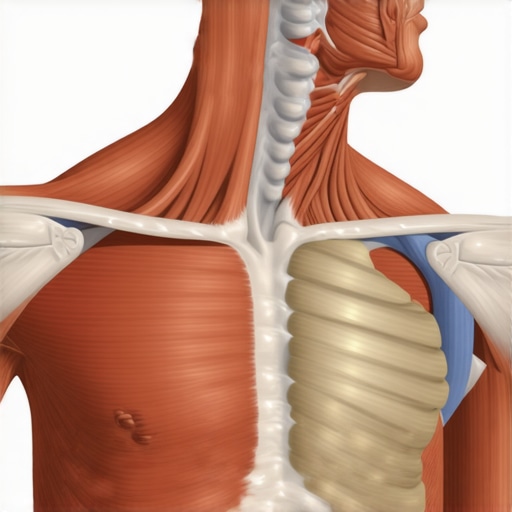
For months, I brushed off the discomfort, thinking it was just a sign of aging or hours spent at the desk. But then, I noticed my posture was changing—I was leaning forward, shoulders rounding, and my neck constantly feeling strained. It was a cycle I couldn’t break alone. I soon learned that this forward push of the neck often stems from something as simple yet overlooked as chest tightness. Turns out, a stiff chest can pull the shoulders forward and elevate the upper spine, making you look and feel like a turtle poking its head out a little too far. According to research, poor chest mobility is a common culprit behind neck and shoulder tension (source: Neck pain solutions from the pros).
Here’s the Promise: Better Mobility, Less Pain
Today, I want to share the exact steps I took to reverse this pattern, and more importantly, how you can do it too. We’re going to uncover the root of the problem and learn simple, effective strategies to restore your chest mobility and realign your neck naturally. Trust me, regaining control over your posture isn’t just about looking better—it’s about feeling better, moving freely, and finally saying goodbye to that persistent stiffness and pain.
Are you tired of feeling stiff and limited? If yes, keep reading. I promise, relief is closer than you think and surprisingly accessible.
Is All Mobility Fixing a Magic Bullet or Just Hype?
I’ll admit early on, I fell for quick fixes that didn’t deliver. I thought stretching my neck would do the trick — but that was a mistake. The real breakthrough came when I targeted my chest and shoulder area, understanding that tightness there was pulling everything out of alignment. A simple but essential shift in focus made all the difference. So, if you’ve been frustrated by fleeting relief or ineffective treatments, I understand — and I’ve been there. For a more comprehensive guide, check out how chiropractic care can transform your mobility.
Now, let’s dive into the practical steps that helped me and can help you reclaim your comfort and health. Ready? Let’s go.
Open Up Your Chest Before It Tightens Further
Start your day with a gentle chest opener to counteract tightness that pulls your shoulders forward. Stand beside a wall, extend your arm, and gently turn your body away from the wall. Hold for 20 seconds, then switch sides. This biomechanical stretch acts like loosening a stubborn hinge, preventing your shoulders from rounding and your neck from overcompensating—each time I did this, I felt my shoulders relax, and my neck felt less strained.
Targeted Foam Rolling to Break Up Tension
Utilize a foam roller on your upper back and chest muscles to release knotty tissue that constricts mobility. Lie facing up and position the roller horizontally across your upper thorax. Roll slowly, spending extra time on tight spots. I discovered that a 2-minute session worked wonders—my chest felt softer, and my shoulders sat back more naturally, reducing neck strain. Learn more about effective foam rolling techniques here.
Incorporate Dynamic Shoulder and Arm Movements
Engage in mobility drills like arm circles and cross-body stretches to enhance flexibility and blood flow. Stand tall, extend your arms, and make small circles forward, gradually increasing size, then reverse. Follow with a cross-body shoulder stretch, pulling your arm across your chest. These dynamic moves act like drilling lubricants in a rusty hinge, making your shoulder and chest muscles more supple. Over a week, I added these to my routine, and I noticed my upper back loosened, easing the pull on my neck.
Zig-Zag Breathing for Posture Reset
Practice diagonal breathing to reinforce proper posture. Inhale deeply, imagining your breath filling your lower ribs, then expand your chest as you exhale, consciously relaxing your shoulders. This practice helps realign your breathing patterns and reduces high-tension zones. I integrated this during work breaks, and it made a noticeable difference—my breathing became more relaxed, and my neck no longer felt tight after long periods at my desk.
Prioritize Consistency and Careful Progression
Remember, these techniques aren’t instant fixes but ongoing habits. Begin with low intensity, focus on controlled, mindful movement, and increase gradually. If pain persists or worsens, consult a professional—consider booking an appointment to explore deeper causes. Reclaiming your mobility will take time, but with persistence, you’ll move more freely and comfortably. If you’d like personalized guidance, reach out through our contact page, or explore comprehensive strategies at these expert solutions.
Many people believe that addressing neck and back pain is just about stretching or taking painkillers, but in my experience, there’s a deeper nuance often overlooked. A common misconception is that pain always originates from the site of discomfort—think of the neck or lower back—when, in reality, the root can lie elsewhere, such as poor breathing patterns or subtle spinal misalignments. Consequently, interventions that focus solely on symptomatic relief without correcting underlying factors can lead to temporary improvements at best.
Why do so many advanced treatments still fall short?
Studies have shown that addressing only the symptoms without understanding the complex interplay between your nervous system, posture, and lifestyle habits often results in persistent or recurring pain (source: Understanding Back Pain). For instance, many think that chiropractic adjustments are a quick fix, but without proper follow-up on the habits and muscle imbalances that perpetuate misalignment, the relief fades. Moreover, a frequent trap is assuming that greater mobility always equals better health; in some cases, forcing movement into stiff areas without proper preparation can exacerbate pain or cause new issues.
Common myths that trip people up
One pervasive myth is that neck cracking or popping is dangerous. While excessive or forceful cracking can be harmful, gentle mobilizations—when performed correctly—can promote healthy joint function. The danger arises primarily when untrained individuals try to self-manipulate or rely solely on quick cracking without underlying correction. Another misconception is that pain is a sign of damage needing rest, whereas evidence suggests that controlled movement and targeted rehabilitation often provide faster, more durable relief (see Mobility post-injury).
How to avoid these pitfalls and progress wisely
First, focus on a comprehensive assessment that considers posture, breathing patterns, and muscle balance rather than solely local pain. For example, improving diaphragmatic breathing can reduce neck tension significantly, a nuance many professionals overlook. Additionally, refrain from rushing into aggressive stretching or manipulation; instead, prioritize gentle mobilizations combined with strengthening exercises that support proper posture. Remember, real change often takes time and consistency. Connect with pros who understand these nuances at chiropractic care designed for long-term results. Have you ever fallen into this trap? Let me know in the comments, and stay tuned for more insights on mastering your mobility and preventing pain from becoming a lifelong burden.Maintaining optimal posture and mobility requires more than just temporary fixes. The right tools and consistent routines help you sustain progress and prevent setbacks. Personally, I rely on specific equipment like foam rollers and massage balls to release muscle tension—these are immediate, effective choices for self-myofascial release that I incorporate daily. I also use ergonomic accessories such as adjustable laptop stands and sit-stand desks to support proper alignment during work hours, which I’ve found crucial in avoiding recurring neck and back pain.
In addition to physical tools, software-based solutions like posture reminder apps can serve as gentle nudges to sit correctly or stretch periodically. For instance, I recommend the [Stand Up! Alarm Reminder](https://quackersspinal.com/mastering-back-neck-pain-relief-tips-from-the-pros-300), which prompts me to reset my posture and perform mobility drills at regular intervals, reinforcing healthy habits over time.
Predicting where this trend is going, I believe we’ll see increasingly sophisticated wearable devices that monitor muscle tension and spinal alignment in real-time, providing instant feedback and personalized adjustments. This integration of technology could revolutionize long-term maintenance, making it more proactive and less reliant on periodic treatment sessions.
How do I maintain my progress over time?
Consistency is key. Establishing daily habits—such as morning chest openers, targeted foam rolling, and mindful breathing exercises—ensures that mobility gains are not short-lived. I also prioritize periodic professional assessments to identify subtle misalignments before they become painful episodes. Regular chiropractic visits, guided by a comprehensive understanding of my unique needs, serve as an essential anchor in this maintenance regimen. To explore personalized strategies, you can reach out through our consultation page.
Remember, tools alone won’t do the trick; integrating them into a disciplined routine creates sustainable results. Don’t shy away from trying advanced techniques like deep tissue release or postural retraining supported by professional guidance—these are game-changers. For a tangible example, I recommend trying the foam rolling strategies discussed in this detailed guide to ensure you’re maximizing benefits without causing harm. Keep evolving your approach, and your mobility will stay resilient against daily strains and long-term degeneration.
3 Lessons That Changed My Perspective on Mobility and Pain Relief
First, I learned that quick fixes rarely offer lasting results. Relying solely on neck stretches or superficial treatments without addressing underlying muscle imbalances only leads to short-term relief. Instead, focusing on holistic approaches like chest mobility and posture retraining provided the real breakthrough. Second, I discovered that patience and consistency are vital—there’s no overnight fix, and persistent effort yields long-term freedom from stiffness. Third, I realized that understanding the roots—like breathing patterns and spinal alignment—empowers you to take control of your health, rather than feeling at the mercy of pain cycles.
My Go-To Tools for Lasting Relief
I swear by my foam roller and massage balls, which I regularly use for my chest and upper back to release tension that pulls my neck out of alignment. Ergonomic accessories like adjustable desks and supportive pillows keep my posture in check during long work hours. I also trust reputable resources, such as these proven strategies for back pain relief, which offer evidence-based advice that I’ve found truly effective. For ongoing support, booking a consultation through our contact page has been invaluable in fine-tuning my approach.
The Power of Taking Charge of Your Movement
Remember, real change comes from embracing a mindful, consistent routine. Whether it’s dedicating a few minutes daily to chest openers, integrating mobility drills, or practicing mindful breathing, each small step adds up. Your body has incredible resilience and capacity to heal when given the right tools and habits. Don’t hesitate to start today—your future self will thank you. How have you taken charge of your neck and back health recently? Share your approach below and join the community committed to movement and relief.