
Why Your Shoulder Blade ‘Wings’ and How to Fix It
Have you ever felt a strange protrusion or wing-like appearance around your shoulder blades? Maybe you noticed it during a quick glance in the mirror after a long day, or perhaps someone pointed it out during a workout. That moment of realization can be startling—I remember the first time I saw my reflection and thought, “Is this normal?” It wasn’t just a fleeting concern; it became a source of frustration, discomfort, and even self-consciousness. For years, I ignored it, chalking it up to poor posture or getting used to my body’s quirks. But over time, I learned that this ‘winging’ really impacts mobility, causes pain, and can even signal underlying issues that need attention.
Understanding the Winged Shoulder Blade and Its Impact
The term “winged scapula” describes a condition where the shoulder blade protrudes outward, away from the ribcage, resembling wings. This isn’t something to brush off as just a cosmetic issue; it can be a sign of weakened muscles, nerve problems, or poor movement patterns. When your shoulder blades wing out, your ability to lift, reach, and even maintain proper posture gets compromised. I personally experienced a decrease in lift strength and a lingering discomfort that affected my day-to-day activities. Recognizing that the problem was more than skin deep made me realize I needed to address the root causes rather than just cover up the symptoms.
What’s more, studies have shown that shoulder instability can lead to further musculoskeletal issues, including neck pain, back discomfort, and decreased athletic performance. It’s a domino effect—once your shoulder blade starts to wing out, the entire upper body may struggle to work harmoniously. The good news? With targeted strategies, proper mobility exercises, and sometimes professional guidance, you can correct the imbalance and regain control of your movement.
Before diving into the how-to, I want to share an important lesson I learned early on: the biggest mistake I made was neglecting the importance of proper muscle engagement. I tried to strengthen my shoulders without addressing the underlying nerve or posture issues, which only made things worse. If you’re facing a similar situation, understanding the cause is crucial—and that’s exactly what I’ll help you unravel next.
Is Winging Your Shoulder Blade Really That Serious?
It’s common to dismiss a winged scapula as just a minor annoyance, but ignoring it can lead to chronic pain and limited range of motion. Think of it like a warning light on your car’s dashboard—if overlooked, it might cause bigger problems down the line. From personal experience, proactive steps are worth the effort; they can prevent long-term issues and boost your mobility. To get started, I recommend exploring some effective techniques that have helped many, including myself, such as targeted exercises and posture adjustments. Want to learn how? Stay tuned for the practical tips that follow!
If you’ve noticed this problem in yourself or a loved one, don’t wait. Fixing a winged shoulder blade is achievable—and you don’t have to do it alone. Discover the secrets that can transform your shoulder health and bring back comfortable, confident movement.
Target Your Scapular Stabilizers with Precise Exercises
Start by focusing on strengthening the muscles that hold your shoulder blades flat against your ribs, specifically the serratus anterior and lower trapezius. A simple yet effective move is the wall slide: stand with your back against a wall, arms raised like a goalpost, and slowly slide your arms upward, maintaining contact with the wall. I once struggled with this, initially feeling like I was just flapping my wings without purpose, but after consistent practice, I noticed my scapula tightening and returning to a normal position. To optimize this, do 3 sets of 10 repetitions daily and gradually increase as you gain strength.
Relearn Proper Posture Through Conscious Reinforcement
Posture correction is vital. Imagine your spine as a stack of perfectly balanced blocks—any misalignment causes instability. When I caught myself slouching at my desk, I paused and reset my posture: feet flat on the ground, chest open, shoulders back but relaxed. Regularly checking your position helps reprogram your muscles and brain to adopt better habits. Use a mirror or record yourself to become aware of subtle slouchers. Incorporate posture checks every 20 minutes during activities to keep your back aligned, which prevents further winging and supports muscle engagement.
Improve Mobility Using Targeted Thoracic and Shoulder Movements
Limited thoracic spine rotation often exacerbates scapular winging. Think of your thoracic spine like a flexible hinge that controls arm movement. Enhancing its mobility creates a better foundation for shoulder stability. One practical technique is the thoracic extension over a foam roller: place the roller across your upper back, support your head with your hands, and gently extend your upper back over the roller. I did this in front of my TV, feeling awkward at first, but over a week, my shoulder movement became more fluid. Perform 2-3 sets of 10 reps daily to increase flexibility and reduce compensatory winging behaviors.
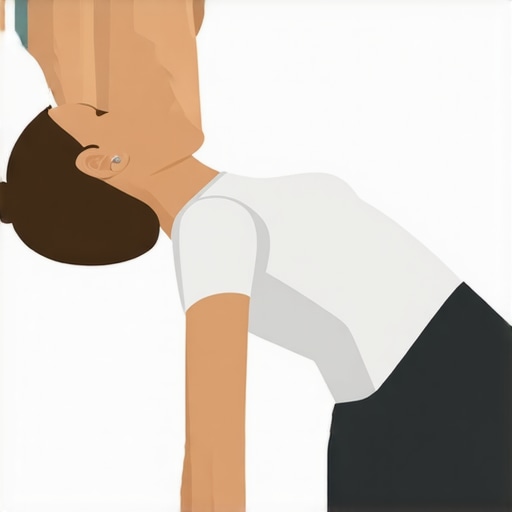
Illustration of thoracic extension over foam roller for shoulder mobility.
Address Nerve and Muscle Imbalances with Specific Release Techniques
Sometimes, nerve compression or muscle tightness hampers scapular control. Utilizing self-massage tools like lacrosse balls against trigger points near your upper back and armpits can alleviate tightness. Remember, if these issues persist, consulting a professional for targeted chiropractic or physical therapy can accelerate recovery. I initially struggled with persistent tightness, but incorporating these releases helped free trapped nerves, allowing proper muscle activation to take hold. Spend 5-10 minutes daily on these releases, focusing on tender spots to facilitate nerve and muscle healing.
Incorporate Functional Movement Patterns for Long-term Stability
Finally, restoring movement demand that you incorporate functional exercises that mimic daily activities. For a start, try banded pull-aparts: hold a resistance band at shoulder-width, pull apart, squeezing your shoulder blades together. Imagine pulling the wings back into their natural position. Doing 3 sets of 15 reps daily foster proper muscle coordination and prevent winging recurrence. Remember, persistence is key—initial attempts may feel clumsy, but with time, you develop coordinated strength that keeps your shoulders stable and wings tucked away.
Many individuals believe that back and neck pain are simply the result of strain or poor posture, but in reality, there’s often a deeper layer of misunderstanding. A common myth is that visiting a chiropractor is a quick fix; however, while adjustments can provide relief, relying solely on them without addressing underlying movement patterns often leads to recurring issues. Expert sources indicate that sustained improvement requires integrating mobility exercises, posture retraining, and nerve health considerations, rather than quick fixes alone. An often-overlooked trap is focusing only on the symptomatic area, neglecting the interconnectedness of the entire kinetic chain. For example, poor ankle mobility can cascade upward, contributing to spinal discomfort. This is where a nuanced understanding becomes crucial—addressing just the pain location overlooks the root cause, which may be far away from the symptom. Have you ever fallen into this trap? Let me know in the comments.
Why Do So Many Well-Intentioned Approaches Fail Long-Term?
Many people assume that chiropractic adjustments or stretching alone are enough. They might feel immediate relief, but without correcting movement habits and muscle imbalances, pain often returns. For instance, repeatedly stretching a tight hamstring without strengthening or mobilizing the hip joint can lead to compensations that strain the lower back over time. A comprehensive approach, like the strategies outlined in our posts on back health, emphasizes restoring proper neural communication and muscle coordination––not just alleviating pain. Research in a 2022 study published in the Journal of Bodywork and Movement Therapies supports this, demonstrating that combining adjustments with mobility and stabilization exercises yields more permanent results than either method alone. Insightful practitioner advice suggests that assessing and improving the entire biomechanical system is essential—otherwise, you’re just chasing symptoms. To deepen your understanding, check our guide on back pain recovery to learn more about combining chiropractic care with proactive movement practices.Maintaining your spine’s health and mobility over the long term requires the right tools and consistent effort. I personally rely on a combination of specialized equipment and thoughtful routines that have proven effective in preventing setbacks and promoting sustained wellness. One indispensable item is a quality foam roller, specifically the deep-tissue type, which I use daily to release muscle tension around my thoracic and lumbar regions. This practice not only alleviates persistent knots but also enhances my mobility, making other exercises more effective. For targeted nerve and muscle release, I incorporate lacrosse balls, positioning them against trigger points in less accessible areas; this simple technique has dramatically reduced my discomfort and improved nerve function, especially around my shoulders. Incorporating these tools into a daily routine creates a proactive approach that pays dividends over time, reducing the need for emergency interventions and keeping movement fluid.
When it comes to tracking progress and aligning exercises properly, I recommend using a smart device or app like PhysiApp or Exercise.com, which allows me to customize routines, monitor adherence, and modify movements based on my evolving needs. These digital tools streamline my workflow, ensuring I stay consistent and avoid common pitfalls like overtraining or neglecting mobility work. Looking ahead, I believe the integration of wearable tech with AI-driven feedback systems will become even more sophisticated, providing real-time corrections and personalized insights to optimize spine health.
So, how do I maintain back and neck mobility over time? The key is consistency combined with targeted techniques. Incorporate daily self-massage with lacrosse balls, use a foam roller for larger muscle groups, and leverage digital apps for routine management. Remember, small daily habits build resilience and prevent long-term issues. If you’re serious about long-term mobility, I highly recommend trying the thoracic extension over a foam roller — you’ll notice immediate improvements in your range of motion and comfort. For more detailed strategies, explore our comprehensive guides on revitalizing your mobility and maintaining spinal health, such as [this resource](https://quackersspinal.com/revitalize-your-mobility-proven-strategies-for-back-pain-relief). Staying proactive today paves the way for a healthier, more active tomorrow.
The Hardest Lesson I Learned About Back and Neck Mobility
One of the biggest insights I wish I had discovered sooner is that quick fixes rarely lead to lasting relief. I spent years chasing after temporary alleviations, like stretching without addressing underlying nerve or muscle issues, which only prolonged my discomfort. True progress came when I embraced a comprehensive approach—combining mobility exercises, posture retraining, and mindful habits. It taught me patience and that consistent, targeted effort outperforms fleeting remedies.
The Common Traps That Sabotage Long-Term Healing
Early on, I believed that visiting a chiropractor would instantly fix my issues. While adjustments provided relief, I soon realized that neglecting daily active care allowed problems to reemerge. Combining chiropractic care with self-led mobility routines and posture awareness ensured sustained improvements. This lesson reinforced that healing is a process, not a quick fix—integrated efforts yield resilient results.
Why I Now Prioritize Movement Over Static Stretching
For years, I relied heavily on stretching to ease tightness. However, I learned that dynamic movements and functional exercises better restore strength and stability. Incorporating targeted mobility drills, like thoracic extensions over a foam roller, created lasting changes. Moving diligently each day has transformed my understanding—mobility is earned through active engagement, not passive stretching alone.
Curated Resources That Changed My Approach to Back and Neck Health
- Effective Neck Pain Management Guide — An actionable step-by-step resource I trust for addressing chronic neck discomfort without medication. It emphasizes movement and neural health.
- Revitalize Your Mobility Program — The comprehensive routines and tips in this guide have been instrumental in rebuilding spinal flexibility and strength.
- Understanding Back Pain: Better Posture and Movement — This resource deepened my understanding of the interconnectedness of posture, muscles, and nerves, inspiring me to approach recovery holistically.
- Chiropractic Secrets to Boost Neck Comfort — A trusted source for integrating chiropractic insights with active care, ensuring a balanced approach to health.
Your Turning Point: Embrace Action and Transformation
Taking charge of your back and neck mobility can lead to a vibrant, pain-free life. My journey taught me that consistent effort, informed choices, and patience are the keys to lasting change. Don’t let discomfort hold you back—start small, stay committed, and watch how your movement improves over time. Your healthier, more mobile future is within reach.
What small step are you ready to commit to today to improve your back or neck mobility? Share below—I’d love to hear your story!
,