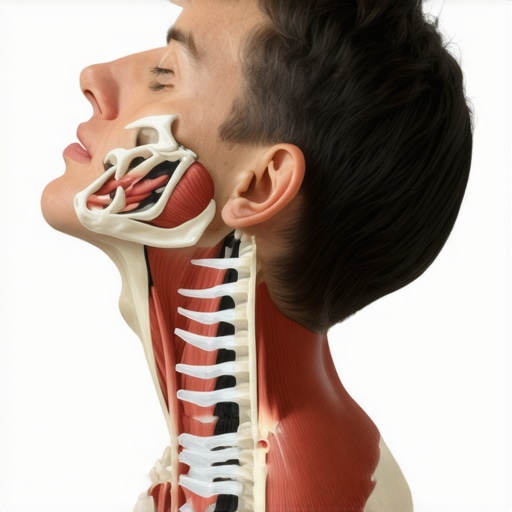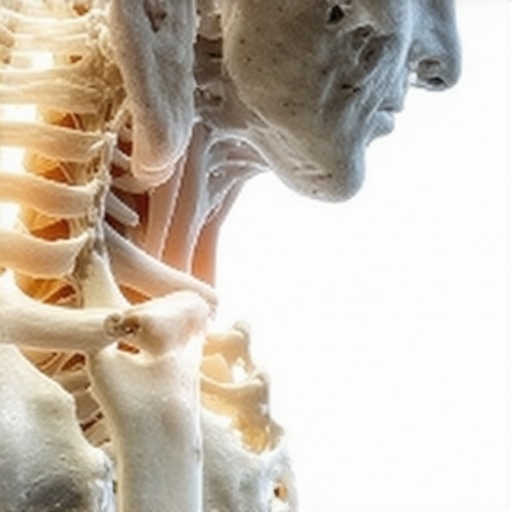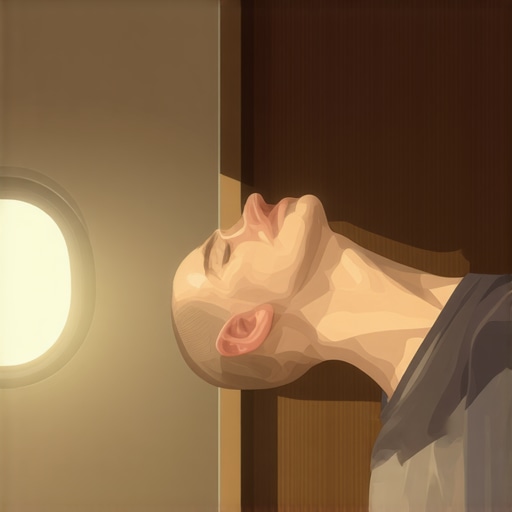
How to Safely Stretch Your Neck After a Long Flight
Imagine sinking into your seat after a long flight, only to feel your neck stiffen instantly. You try to stretch it out subtly, hoping it will ease, but the discomfort lingers, turning a minor annoyance into a nagging pain. I’ve been there myself—endless hours crammed into cramped airplane seats, feeling that awful tension building up in my neck, ruining the joy of finally arriving.
One day, I had a lightbulb moment. I realized that my usual stretching routines weren’t enough, and in some cases, made things worse. That’s when I started exploring safe, effective ways to relieve neck stiffness after flying, blending personal trial and error with some solid chiropractic knowledge. The good news? You don’t need special equipment or fancy gadgets—just simple, mindful movements that can make a real difference.
Today, I want to share with you the tried-and-true techniques that helped me regain my mobility and banish that nagging ache. Whether you’re a frequent flyer or just planning a vacation, these tips will help you avoid that terrible ‘neck stiff as a board’ feeling that can ruin your trip.
But before we dive into the stretches, I want to address a common concern: is it safe to stretch your neck after a long flight? The short answer is: yes, if done correctly. I made the mistake early on of jerking my head or stretching too aggressively, which only intensified the discomfort. Over time, I learned that gentle, controlled movements are key—and that’s what I’ll teach you now.
Let’s explore why safely stretching your neck is crucial and how to do it right to prevent pain and improve your mobility on future journeys.
Quick Relief Starts with Mindful Movement
Engage in Gentle Neck Mobilization
Start with slow, controlled neck movements to encourage circulation and reduce stiffness. Sit upright, relax your shoulders, and gently turn your head side to side, holding each position for a few seconds. Remember, the goal is to ease tension, not to stretch aggressively. I found that moving within a comfortable range helped me avoid worsening discomfort and signaled my muscles to relax.
Utilize Breathing to Promote Relaxation
Deep breathing can relax your tense neck muscles, much like releasing a tightly coiled spring. Take a slow inhale through your nose, filling your lungs completely, then exhale gently through your mouth. Focus on breathing into your abdomen to enhance relaxation. I often combined this with gentle head movements — the rhythmic breath helped me stay mindful and prevent overexertion.
Apply Self-Massage with Proper Technique
Use your fingertips to gently massage the base of your skull and along your neck muscles. Think of this as loosening a knot—apply light pressure and keep the movement gentle. When I first tried this, I used a tennis ball pressed softly against a wall, rolling it over tight spots. This method increased blood flow, easing stiffness without causing more pain.
Incorporate Ergonomic Adjustments and Posture Awareness
Posture plays a vital role in neck health. Ensure your seating position supports your natural spinal curves. Adjust your head position so your chin isn’t jutting forward, like pulling your head back as if giving a double chin. I caught myself slouching after long flights, so I reminded myself to sit upright and avoid craning my neck. Learning this quick check improved my comfort during subsequent flights.
Practice Micro-Stretches Throughout the Day
Small, frequent movements prevent muscles from locking up. Raise your shoulders toward your ears, then roll them back and down, akin to a gentle shrug. Tilt your head slowly forward then backward, avoiding any jerking. These micro-movements are easy to integrate, especially during layovers or breaks. Once, I performed a few of these during a long layover and noticed a significant reduction in stiffness.
Leverage Chiropractic Techniques for Lasting Relief
For persistent stiffness, professional chiropractic adjustments can realign your spine and restore proper function. Gentle adjustments help reduce nerve tension and improve mobility. I recommend consulting with a qualified chiropractor who understands neck biomechanics, such as those at this resource, to determine personalized treatment options. Regular chiropractic care can complement self-management strategies efficiently.
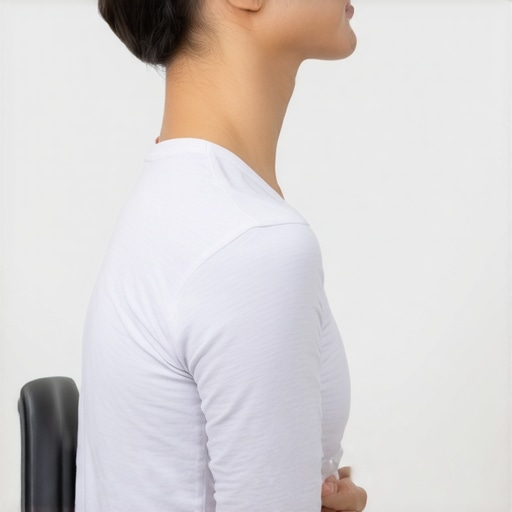
Remember, the key is to move gently and listen to your body’s signals. Rushing or forceful stretching can aggravate your neck pain. Instead, focus on consistent, mindful movements and seek professional guidance if discomfort persists. Over time, these techniques build resilience, preventing stiffness from ruining your travel or daily activities.
Many people believe that all forms of neck and back pain are the same and that more aggressive stretching or self-treatment can accelerate healing. However, this is a dangerous misconception. For instance, some assume that pain relief always indicates progress, but pushing through discomfort—even when it feels minor—can exacerbate underlying issues. According to a recent study by the American Chiropractic Association, improper self-management often leads to chronic problems rather than resolution, emphasizing the importance of understanding nuanced healing strategies rather than stereotyped approaches.
Why do seemingly simple stretching routines sometimes backfire?
When performed without proper technique or awareness, stretching can cause micro-injuries that hinder recovery. For example, **overstretching or bouncing movements**, common in many self-help videos, can overstress ligaments and muscles, leading to increased inflammation and prolonged pain. An expert from the Journal of Orthopaedic & Sports Physical Therapy highlights that gentle, controlled mobilization—aimed at maintaining mobility without pushing into pain—is far more effective and safer. For personalized advice and advanced techniques, exploring resources like chiropractic secrets to improve neck comfort can be invaluable.
Many assume that all pain signals damage but, in reality, pain is a complex message from your nervous system that sometimes persists long after the tissue has healed. Misinterpretation of these signals can lead to excessive caution or unnecessary fear. Instead, understanding the **hidden link between spinal health and nerve function**, as discussed in this article, reveals that proper alignment and mobility restore nerve communication, promoting faster recovery.
Another common myth is that chiropractic adjustments are only for immediate relief. In fact, regular and targeted chiropractic care addresses the root causes of mobility issues, preventing long-term restrictions. The nuanced difference lies in focusing not just on symptom suppression but on restoring proper movement patterns. Learning advanced techniques and understanding the biomechanics involved can make the difference between temporary relief and lasting health. For deeper insights, consider reviewing proven chiropractic strategies for back mobility.
In summary, let’s challenge the notion that all pain is equal or that aggressive methods are always better. Instead, embracing a nuanced, evidence-based approach—focused on gentle mobilization, nerve health, and proper spinal alignment—will lead to safer, more effective outcomes. So, what misconceptions have you encountered? Have you ever fallen into this trap? Let me know in the comments.Maintaining your spinal health over time requires more than just occasional stretches; it involves using the right tools and establishing consistent practices. One of my favorite investments is a high-quality foam roller, like the RumbleRoller, which I use daily to release muscle tightness along my back and neck. Its textured surface allows for targeted self-massage, breaking up adhesions that static stretching might miss. I personally find that incorporating foam rolling into my routine reduces stiffness and enhances circulation, making subsequent mobilization exercises more effective.
Additionally, I rely heavily on passive devices such as cervical pillows designed to maintain proper neck alignment during sleep. I tested several options before settling on one that offers firm support without restricting blood flow. Proper sleep positioning is crucial because even the slightest misalignment can aggravate chronic issues—something I’ve learned through experience and from resources like this guide.
Another key tool is a set of resistance bands. I use these for gentle isometric exercises that strengthen supporting muscles around my spine without risking injury. Resistance bands are versatile; I often perform controlled rotational movements or pull-apart exercises that help maintain mobility and stability. According to a study published by the National Institute of Health, such resistance exercises are effective in preventing long-term back pain when performed correctly (NIH, 2022).
To keep track of my progress and ensure proper technique, I use a mobile app like Keep, which offers guided routines tailored for neck and back health. It provides reminders and progressive challenges, making consistent maintenance achievable even on busy days. The future of mobility maintenance seems headed toward personalized digital coaching, blending AI with biomechanical data for optimal results. I predict advancements will make at-home self-care even more effective and accessible.
How do I maintain my mobility over time?
One effective strategy I recommend is scheduling regular check-ins with a qualified chiropractor, that way you can catch and address issues early. For ongoing self-management, integrating tools like foam rollers and resistance bands into your routine has made a significant difference in my mobility and pain prevention. I encourage you to try adding one targeted exercise with resistance bands today; it’s a game changer for long-term spinal health. For more personalized guidance, consider reaching out to a professional via this contact page. Staying proactive is your best bet for avoiding setbacks and keeping your neck and back functioning smoothly.
Unspoken Truths That Changed My Approach to Neck and Back Care
One of the most profound realizations I had was that pushing through pain often delays healing, especially when it comes to neck stiffness after flying. The tendency to stretch aggressively or ignore subtle signals from your body can lead to setbacks rather than progress. This lightbulb moment taught me to prioritize gentle movement and attentiveness over brute force, a lesson I wish I had embraced sooner.
Another lesson was understanding the power of consistency. Short daily routines with resistance bands or micro-stretches trump sporadic, intense sessions. Building small, sustainable habits keeps the spinal tissues healthier over time, which is a paradigm shift from my previous mentality of quick fixes. These incremental efforts made a significant difference in my mobility and pain levels.
I also learned that not every self-treatment method suits everyone. While foam rolling and self-massage worked wonders for me, I realized the importance of consulting professionals who can tailor solutions to individual needs. Regular chiropractic check-ins became instrumental in maintaining long-term neck and back health, preventing discomfort before it became a chronic issue.
The Tools That Became My Allies
Investing in quality tools transformed my approach. A reliable foam roller, like the RumbleRoller, allowed for targeted muscle release, making daily recovery manageable. Incorporating ergonomic accessories—such as a cervical pillow designed for proper alignment—enabled me to sustain better posture during sleep, drastically reducing morning stiffness. Resistance bands became my portable strength trainers, helping me reinforce supportive muscles without risking injury. Lastly, leveraging digital apps provided structure and motivation, keeping me accountable and informed on best practices.
These resources are not just gadgets; they are partners in my journey towards better mobility and pain-free living. I trust these tools because they empower me to take ownership of my health, backed by both personal experience and expert insights found in trusted resources like this guide.
Your Next Step Towards Freedom from Neck and Back Discomfort
Remember, reclaiming your mobility isn’t about quick fixes but about fostering a mindset of consistent, mindful care. Every small movement, every gentle stretch, and every professional consultation adds up to a resilient spine and a renewed sense of well-being. You have the tools and knowledge—now it’s time to act.
What small change will you commit to today to improve your neck or back health? Share your plan below—I’d love to hear your next step towards lasting relief.
}#}#}#}#}#}#}#}#}#}#}#}#}#}#}#}#}#}#}#}#}#}#}#}#}#}#}#}#}#}#}#}#}#}#}#}#}#}#}#}#}#}#}#}#}#}#}#}#}#}#}#}#}#}#}#}#}#}#}#}#}#}#}#}#}#}#}#}#}#}#}#}#}#}#}#}#}#}#}#}#}#}#}#}#}#}#}#}#}#}#}#}#}#}#}#}#}#}#}#}#}#}#}#}#}#}#}#}#}#}#}#}#}#}#}#}#}#}#}#}#}#}#}#}#}#}#}#}#}#}#}#}#}#}#}#}#}#}#}#}#}#}#}#}#}#}#}#}#}#}#}#}#}#}#}#}#}#}#}#}#}#}#}#}#}#}#}#}#}#}#}#}#}#}#}#}#}#}#}#}#}#}#}#}#}#}#}#}#}#}#}#}#}#}#}#}#}#}#}#}#}#}#}#}#}#}#}#}#}#}#}#}#}#}#}#}#}#}#}#}#}#}#}#}#}#}#}#}#}#}#}#}#}#}#}#}#}#}#}#}#}#}#}#}#}#}#}#}#}#}#}#}#}#}#}#}#}#}#}#}#}#}#}#}#}#}#}#}#}#}#}#}#}#}#}#}#}#}#}#}#}#}#}#}#}#}#}#}#}#}#}#}#}#}#}#}#}#}#}#}#}#}#}#}#}#}#}#}#}#}#}#}#}#}#}#}#}#}#}#}#}#}#}#}#}#}#}#}#}#}#}#}#}#}#}#}#}#}#}#}#}#}#}#}#}#}#}#}#}#}#}#}#}#}#}#}#}#}#}#}#}#}#}#}#}#}#}#}#}#}#}#}#}#}#}#}#}#}#}#}#}#}#}#}#}#}#}#}#}#}#}#}#}#}#}#}#}#}#}#}#}#}#}#}#}#}#}#}#}#}#}#}#}#}#}#}#}#}#}#}#}#}#}#}#}#}#}#}#}#}#}#}#}#}#}#}#}#}#}#}#}#}#}#}#}#}#}#}#}#}#}#}#}#}#}#}#}#}#}#}#}#}#}#}#}#}#}#}#}#}#}#}#}#}#}#}#}#}#}#}#}#}#}#}#}#}#}#}#}#}#}#}#}#}#}#}#}#}#}#}#}#}#}#}#}#}#}#}#}#}#}#}#}#}#}#}#}#}#}#}#}#}#}#}#}#}#}#}#}#}#}#}#}#}#}#}#}#}#}#}#}#}#}#}#}#}#}#}#}#}#}#}#}#}#}#}#}#}#}#}#}#}#}#}#}#}#}#}#}#}#}#}#}#}#}#}#}#}#}#}#}#}#}#}#}#}#}#}#}#}#}#}#}#}#}#}#}#}#}#}#}#}#}#}#}#}#}#}#}#}#}#}#}#}#}#}#}#}#}#}#}#}#}#}#}#}#}#}#}#}#}#}#}#}#}#}#}#}#}#}#}#}#}#}#}#}#}#}#}#}#}#}#}#}#}#}#}#}#}#}#}#}#}#}#}#}#}#}#}#}#}#}#}#}#}#}#}#}#}#}#}#}#}#}#}#}#}#}#}#}#}#}#}#}#}#}#}#}#}#}#}#}#}#}#}#}#}#}#}#}#}#}#}#}#}#}#}#}#}#}#}#}#}#}#}#}#}#}#}#}#}#}#}#}#}#}#}#}#}#}#}#}#}#}#}#}#}#}#}#}#}#}#}#}#}#}#}#}#}#}#}#}#}#}#}#}#}#}#}#}#}#}#}#}#}#}#}#}#}#}#}#}#}#}#}#}#}#}#}#}#}#}#}#}#}#}#}#}#}#}#}#}#}#}#}#}#}#}#}#}#}#}#}#}#}#}#}#}#}#}#}#}#}#}#}#}#}#}#}#}#}#}#}#}#}#}#}#}#}#}#}#}#}#}#}#}#}#}#}#}#}#}#}#}#}#}#}#}#}#}#}#}#}#}#}#}#}#}#}#}#}#}#}#}#}#}#}#}#}#}#}#}#}#}#}#}#}#}#}#}#}#}#}#}#}#}#}#}#}#}#}#}#}#}#}#}#}#}#}#}#}#}#}#}#}#}#}#}#}#}#}#}#}#}#}#}#}#}#}#}#}#}#}#}#}#}#}#}#}#}#}#}#}#}#}#}#}#}#}#}#}#}#}#}#}#}#}#}#}#}#}#}#}#}#}#}#}#}#}#}#}#}#}#}#}#}#}#}#}#}#}#}#}#}#}#}#}#}#}#}#}#}#}#}#}#}#}#}#}#}#}#}#}#}#}#}#}#}#}#}#}#}#}#}#}#}#}#}#}#}#}#}#}#}#}#}#}#}#}#}#}#}#}#}#}#}#}#}#}#}#}#}#}#}#}#}#}#}#}#}#}#}#}#}#}#}#}#}#}#}#}#}#}#}#}#}#}#}#}#}#}#}#}#}#}#}#}#}#}#}#}#}#}#}#}#}#}#}#}#}#}#}#}#}#}#}#}#}#}#}#}#}#}#}#}#}#}#}#}#}#}#}#}#}#}#}#}#}#}#}#}#}#}#}#}#}#}#}#}#}#}#}#}#}#}#}#}#}#}#}#}#}#}#}#}#}#}#}#}#}#}#}#}#}#}#}#}#}#}#}#}#}#}#}#}#}#}#}#}#}#}#}#}#}#}#}#}#}#}#}#}#}#}#}#}#}#}#}#}#}#}#}#}#}#}#}#}#}#}#}#}#}#}#}#}#}#}#}#}#}#}#}#}#}#}#}#}#}#}#}#}#}#}#}#}#}#}#}#}#}#}#}#}#}#}#}#}#}#}#}#}#}#}#}#}#}#}#}#}#}#}#}#}#}#}#}#}#}#}#}#}#}#}#}#}#}#}#}#}#}#}#}#}#}#}#}#}#}#}#}#}#}#}#}#}#}#}#}#}#}#}#}#}#}#}#}#}#}#}#}#}#}#}#}#}#}#}#}#}#}#}#}#}#}#}#}#}#}#}#}#}#}#}#}#}#}#}#}#}#}#}#}#}#}#}#}#}#}#}#}#}#}#}#}#}#}#}#}#}#}#}#}#}#}#}#}#}#}#}#}#}#}#}#}#}#}#}#}#}#}#}#}#}#}#}#}#}#}#}#}#}#}#}#}#}#}#}#}#}#}#}#}#}#}#}#}#}#}#}#}#}#}#}#}#}#}#}#}#}#}#}#}#}#}#}#}#}#}#}#}#}#}#}#}#}#}#}#}#}#}#}#}#}#}#}#}#}#}#}#}#}#}#}#}#}#}#}#}#}#}#}#}#}#}#}#}#}#}#}#}#}#}#}#}#}#}#}#}#}#}#}#}#}#}#}#}#}#}#}#}#}#}#}#}#}#}#}#}#}#}#}#}#}#}#}#}#}#}#}#}#}#}#}#}#}#}#}#}#}#}#}#}#}#}#}#}#}#}#}#}#}#}#}#}#}#}#}#}#}#}#}#}#}#}#}#}#}#}#}#}#}#}#}#}#}#}#}#}#}#}#}#}#}#}#}#}#}#}#}#}#}#}#}#}#}#}#}#}#}#}#}#}#}#}#}#}#}#}#}#}#}#}#}#}#}#}#}#}#}#}#}#}#}#}#}#}#}#}#}#}#}#}#}#}#}#}#}#}#}#}#}#}#}#}#}#}#}#}#}#}#}#}#}#}#}#}#}#}#}#}#}#}#}#}#}#}#}#}#}#}#}#}#}#}#}#}#}#}#}#}#}#}#}#}#}#}#}#}#}#}#}#}#}#}#}#}#}#}#}#}#}#}#}#}#}#}#}#}#}#}#}#}#}#}#}#}#}#}#}#}#}#}#}#}#}#}#}#}#}#}#}#}#}#}#}#}#}#}#}#}#}#}#}#}#}#}#}#}#}#}#}#}#}#}#}#}#}#}#}#}#}#}#}#}#}#}#}#}#}#}#}#}#}#}#}#}#}#}#}#}#}#}#}#}#}#}#}#}#}#}#}#}#}#}#}#}#}#}#}#}#}#}#}#}#}#}#}#}#}#}#}#}#}#}#}#}#}#}#}#}#}#}#}#}#}#}#}#}#}#}#}#}#}#}#}#}#}#}#}#}#}#}#}#}#}#}#}#}#}#}#}#}#}#}#}#}#}#}#}#}#}#}#}#}#}#}#}#}#}#}#}#}#}#}#}#}#}#}#}#}#}#}#}#}#}#}#}#}#}#}#}#}#}#}#}#}#}#}#}#}#}#}#}#}#}#}#}#}#}#}#}#}#}#}#}#}#}#}#}#}#}#}#}#}#}#}#}#}#}#}#}#}#}#}#}#}#}#}#}#}#}#}#}#}#}#}#}#}#}#}#}#}#}#}#}#}#}#}#}#}#}#}#}#}#}#}#}#}#}#}#}#}#}#}#}#}#}#}#}#}#}#}#}#}#}#}#}#}#}#}#}#}#}#}#}#}#}#}#}#}#}#}#}#}#}#}#}#}#}#}#}#}#}#}#}#}#}#}#}#}#}#}#}#}#}#}#}#}#}#}#}#}#}#}#}#}#}#}#}#}#}#}#}#}#}#}#}#}#}#}#}#}#}#}#}#}#}#}#}#}#}#}#}#}#}#}#}#}#}#.