Why Your Sofa is Quietly Killing Your Lumbar Curve
I remember the exact moment I realized my favorite sofa was secretly sabotaging my back. It wasn’t the quick twinge while watching TV or the occasional stiffness—it was a nagging, persistent ache that refused to go away. After weeks of shrugging it off as normal, I finally had a lightbulb moment: my sofa’s design and my everyday habits combined to grind down my lumbar curve over time. That revelation transformed not only my understanding of back pain but also my entire approach to everyday comfort.
Why Spotting Your Sofa’s Hidden Role Can Change Everything
Many of us underestimate how much our furniture choices impact our spinal health. Your sofa, that cozy spot where you unwind after a hectic day, might look innocent. But if it’s poorly designed—say, overly soft, too flat, or lacking proper lumbar support—it can subtly cause your spine to adapt poorly. Over months or years, these small misalignments add up, leading to chronic discomfort and reduced mobility.
Personally, I learned the hard way that neglecting supportive seating isn’t just about immediate soreness; it can undermine your lumbar health quietly. That’s why I started paying closer attention to my sitting habits and the furniture I used. The good news? Once I made some adjustments and learned simple strategies, my back pain reduced significantly. I’ll share these insights, rooted in expert advice, so you can avoid the same pitfalls.
Is Back Support Really That Important or Just a Marketing Gimmick?
Early on, I made the mistake of believing that any chair or sofa would do. I thought my back was too
Start with a Proper Assessment of Your Sitting Habits
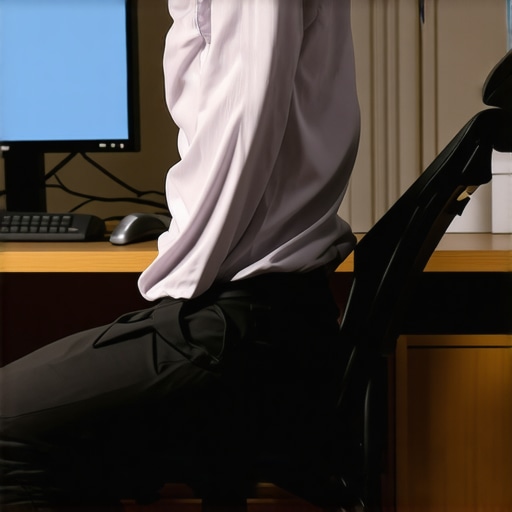
Reflect on how you spend hours each day. For instance, I noticed I slouched in my chair during work, which worsened my back pain. To identify problematic patterns, set aside 10 minutes to observe your posture while working or relaxing. Use a mirror or record yourself to spot habits like slouching or craning your neck. Once you recognize these habits, gradually correct them by adjusting your workspace ergonomics or adopting better sitting practices. For detailed strategies, explore this comprehensive guide.
Many people believe that back pain and neck discomfort are simply signs of aging or inevitable parts of life. However, this oversimplification masks underlying nuances that, if misunderstood, can lead to ineffective treatments and worsening symptoms. A prevalent myth is that all pain necessitates aggressive interventions like surgery or medication, but in many cases, these approaches overlook the importance of addressing root causes such as spinal misalignments or mobility deficits. According to leading experts, *correcting spinal mechanics through chiropractic care* can be more effective for long-term relief than symptom-focused treatments alone. Educating yourself on these nuanced aspects helps prevent common mistakes, like ignoring lifestyle factors or undervaluing movement therapy.
One critical trap to avoid is mistaking temporary relief for lasting resolution. For instance, a painkiller might dull symptoms temporarily, but without improving mobility or correcting structural issues, pain tends to recur. Implementing targeted exercises and spinal adjustments, as detailed in resources like proven chiropractic strategies, can promote sustained healing.
Have you ever fallen into this trap? Let me know in the comments.
What about the role of mobility in preventing back and neck pain for advanced readers?
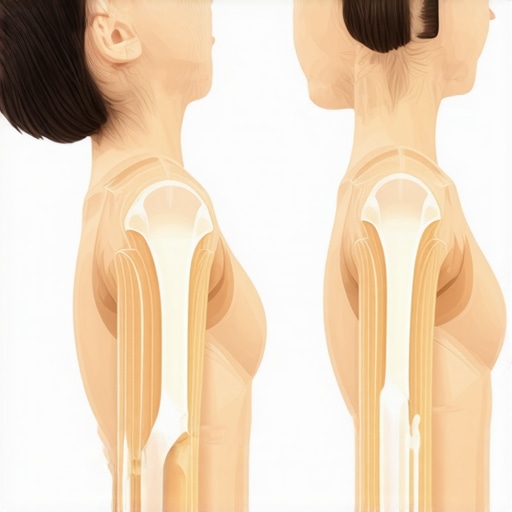
While many focus on static correction, recent studies emphasize that *enhancing range of motion* is pivotal. For example, restricted thoracic spine mobility often contributes to neck pain, as the upper back’s stiffness forces compensations higher up the spine. Active mobility exercises, combined with chiropractic adjustments, can restore harmonious movement patterns. According to a 2022 study published in the *Journal of Spinal Disorders & Techniques*, maintaining optimal spinal mobility reduces the incidence of chronic discomfort and accelerates recovery processes. Learn how chiropractic care can help unlock natural movement and guard against future issues.
In conclusion, recognizing that back and neck pain are often signs of underlying dysfunction—rather than just aging or wear-and-tear—is essential. By avoiding misconceptions and embracing a nuanced, proactive approach, you can significantly improve your quality of life and spinal health. Remember, true progress involves understanding these subtleties, not just masking symptoms. For personalized guidance, consulting experts and staying informed is your best strategy.
Keeping your back and neck in top shape requires more than just occasional stretches; it demands consistent effort and the right tools. One device I personally swear by is the therapeutic foam roller. Unlike regular rollers, I prefer the TriggerPoint GRID because it provides targeted pressure, helping me release stubborn knots in my thoracic and lumbar regions. I incorporate daily mobility exercises with the foam roller to maintain flexibility and prevent stiffness.
Another essential tool is a quality lumbar support pillow. I opt for one with adjustable firmness, ensuring proper alignment whether I’m working or resting. Proper support during prolonged sitting is crucial—especially as I explore techniques like the restoring mobility through chiropractic adjustments.
For digital health, I rely on software apps that promote conscious posture. The Upright GO 2 is a wearable device I use daily; it vibrates gently when I slouch, reminding me to adjust. Combining this with ergonomic software like posture correction apps helps me stay aligned during long work sessions.
Looking ahead, I believe the trend is moving towards integrating these tools with AI-driven analytics to personalize spinal care. Imagine real-time feedback that adapts your exercises and support in response to your movements—making prevention and recovery more effective than ever.
How do I maintain long-term mobility and neck health?
Surround yourself with the right tools—use foam rollers for muscle release, ergonomic supports for sustained posture, and tech like posture monitors to keep your awareness sharp. Regular chiropractic visits, combined with these practical tools, amplify your results and prevent setbacks. I encourage you to try incorporating a foam roller into your daily routine; it’s a game-changer for preventing chronic stiffness. For more advanced strategies, consider exploring techniques for enhancing mobility. Stay proactive, and your spine will thank you for it.Throughout my exploration of back and neck health, I uncovered lessons that transformed my approach—and I believe sharing these insights can save others from unnecessary struggles. One of the most profound realizations was that many of us are living with subtle misalignments that, if overlooked, can snowball into chronic pain. Spotting these hidden issues requires a keen eye and a willingness to question conventional wisdom—like assuming all discomfort is just part of aging. I learned to listen to my body’s signals and seek targeted strategies over quick fixes, which made a world of difference in my recovery. Additionally, investing in proper mobility tools and understanding the importance of maintaining spine harmony became game-changers, fueling my confidence to stay proactive rather than reactive. These lessons aren’t just personal anecdotes—they’re practical truths I wish I had known sooner, and I hope they empower you to take your spinal health into your own hands.