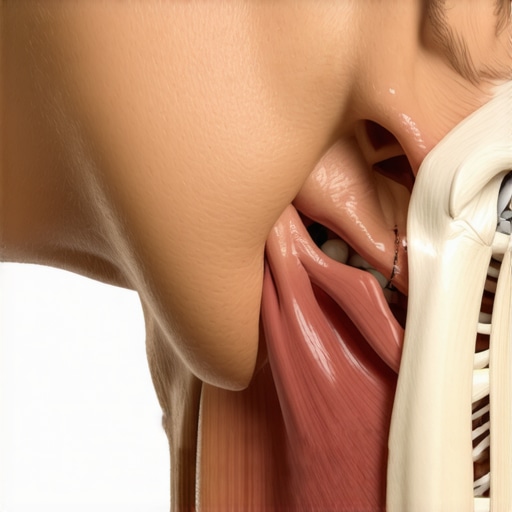
Why Your Shoulder Blade Pain is Linked to Your Neck
It was a routine morning quiz session—just a quick stretch before diving into my work—and suddenly, a sharp stabbing sensation shot through my shoulder blade. I froze, puzzled. How could a simple stretch trigger this? That lightbulb moment made me realize something crucial: my shoulder pain wasn’t just about the shoulder itself. It was linked to my neck, a connection I overlooked for too long.
Why Your Shoulder Blade Pain Isn’t Just About the Shoulder
Many people brush off shoulder blade discomfort, dismissing it as minor or isolated. But trust me, ignoring the root cause can lead to persistent pain and even mobility issues. Over years of experience, I’ve seen so many folks suffer because they focus solely on the symptomatic area, forgetting that the body’s wiring is intricate. Your neck and shoulder blades are part of the same complex system—if one is out of alignment or strained, the other often pays the price.
Did you know that around 85% of neck pain cases involve some form of shoulder discomfort as well? According to wellness experts, these symptoms are frequently interconnected, stemming from shared nerve pathways, muscle tension, or postural habits. This realization changed my approach and led me to dig deeper into the link between neck health and shoulder discomfort. If your shoulder blade pain feels like a mystery, it might be time to look beyond the obvious and explore your neck’s condition.
In fact, a common mistake I made early on was focusing only on the shoulder area, applying local treatments without considering the neck’s involvement. This oversight prolonged my discomfort unnecessarily. Now, I know that proper assessment and targeted chiropractic strategies can make a significant difference—something I wish I had learned sooner. For more insight on how neck health influences your overall mobility, check out [this comprehensive guide](https://quackersspinal.com/neck-back-pain-solutions-insights-from-wellness-experts).
So, what’s the real takeaway? Understanding the synergy between neck and shoulder health is essential to addressing pain at its source, not just masking symptoms. In the next sections, I’ll guide you through the practical steps to identify if your pain stems from your neck and how you can begin your journey toward lasting relief.
Are you currently facing this frustrating shoulder blade pain that just won’t go away? You’re not alone, and help is on the way. Let’s dive into how you can start tackling this issue today.
Assess Your Posture Regularly
Start by evaluating how you sit and stand throughout the day. I recall a time when I caught myself slouching excessively at my desk; this habit was subtly pulling my neck forward, increasing strain. Use a mirror or record yourself to spot habits that misalign your neck and shoulders. Correcting your posture reduces undue stress on these areas and prevents pain from building up over time. For detailed guidance on posture adjustments, visit this resource.
Practice Targeted Neck Exercises
Incorporate simple neck mobility drills into your daily routine. For example, gently tilt your head side to side, hold for five seconds, then slowly rotate in circular motions. I once integrated these exercises after noticing persistent tension—initially clumsy, but over a week, the tension eased dramatically. These movements promote blood flow, increase flexibility, and help realign muscles pulling on your shoulder blades. Want a comprehensive workout? Check out expert tips for lasting relief.
Apply Chiropractic Adjustments Effectively
Consider seeking professional care to address misalignments that self-care can’t fix. During my first visit, my chiropractor identified a slight vertebral twist contributing to my discomfort. A quick adjustment not only relieved immediate pain but also improved my neck mobility. Regular adjustments can maintain proper spinal alignment, reducing strain and preventing future pain episodes. To learn more about maximizing chiropractic benefits, explore these essential tips.
Utilize Foam Rolling and Massage
Self-myofascial release with foam rollers helps loosen tight muscles around the neck and shoulders. I remember lying on a foam roller along my upper back, slowly rolling to target tense areas, which softened stiff muscles and released trapped tension. Always be gentle, avoiding direct pressure on the neck. Incorporate this practice daily to maintain muscle flexibility and circulation. For techniques tailored to neck pain, see this guide.
Adjust Your Sleeping Setup
Your sleep environment greatly impacts neck health. I discovered that a pillow too soft allowed my neck to bend awkwardly, increasing morning stiffness. Switching to a firmer, ergonomically designed pillow helped maintain a neutral neck position during sleep. Ensure your mattress supports proper spinal alignment too. Proper sleep setup prevents nightly strain that leads to shoulder blade pain, which is discussed in this article.
Stay Consistent and Patient
All these steps require consistency. I initially dismissed some habits, only to realize later how persistent effort yielded lasting relief. Developing a daily routine combining these techniques has kept my neck and shoulders pain-free for months. Remember, body changes take time; patience is key to sustainable results. When needed, don’t hesitate to consult a professional through contact us.
Many assume that neck pain is solely a localized issue, solved simply by stretching or taking painkillers. However, this oversimplification often leads to persistent problems and missed opportunities for true recovery. One common myth is that all neck discomfort stems from poor posture or muscle strain alone. While these factors play a role, they rarely tell the full story. In reality, the intricate connection between spinal alignment, nerve health, and muscular balance requires a nuanced approach that many overlook. For example, countless patients I’ve worked with believed that aggressive stretching was the solution, but in some cases, excessive or improper stretching can worsen nerve impingement or joint instability. Recognizing the complex interplay between these anatomical structures is essential. Advanced practitioners warn against jumping into remedies without proper assessment—be cautious of self-diagnosis based solely on symptoms. If you want to dive deeper into understanding how hidden factors affect your spine’s health, explore this comprehensive guide. An often-missed nuance is the role of facet joint dysfunction and its impact on mobility and pain. These small joints between vertebrae can become arthritic or misaligned, creating a chain reaction that diminishes movement and causes referred pain. Addressing these issues requires targeted adjustments—not just generalized stretches or exercises. Remember, rushing to self-treat without professional guidance can cause more harm than good. One mistake I frequently see is patients’ tendency to ignore early warning signs, hoping the pain will resolve on its own. But in many cases, neglecting these signals allows minor misalignments to develop into chronic instability. That’s why consulting an experienced chiropractor can be transformative; they’re trained to identify subtle misalignments and nerve impingements that are invisible to the untrained eye. For those serious about mastering their mobility, it’s vital to recognize that quick fixes rarely work long-term. Instead, sustainable relief involves consistent posture correction, neural mobilization, and sometimes, manual therapy. Don’t fall into the trap of the quick-fix mentality—investing in proper assessment and tailored interventions yields true results. And if you’re unsure whether your neck issues are purely muscular or involve joint, nerve, or disc problems, always seek professional advice. Ready for a deeper dive? Check out these essential chiropractic solutions. The key takeaway is that understanding the hidden mechanics behind neck pain empowers you to take effective action, avoiding common pitfalls that hinder recovery. Have you ever fallen into this trap? Let me know in the comments.Maintaining mobility and managing pain effectively requires more than just good habits; it demands the right tools and consistent application. One of my favorite pieces of equipment is the Theracane massage tool. I personally use it to target deep muscle knots in my neck and shoulders that often contribute to pain and reduced mobility. Its design allows for precise pressure application even in hard-to-reach areas, making it an essential part of my daily routine.
For continuous mobility tracking, I rely on the Fitbit Sense smartwatch. It not only monitors my activity levels but also offers stress management features through heart rate variability analysis. Keeping an eye on these metrics helps me adjust my routines proactively, preventing chronic issues from developing.
How do I maintain long-term results with these tools?
Consistency is key. I set a daily reminder to use the Theracane for at least five minutes, focusing on trigger points identified during my assessments. Pairing this with regular stretches, like neck tilts and shoulder rolls, maintains muscle flexibility and reduces tension buildup. Additionally, I review my activity data weekly, looking for patterns that might indicate the need for a posture correction or an extra session with a chiropractor, especially before symptoms escalate.
Looking ahead, I believe wearable technology will become even more integrated with personalized therapy plans. Future innovations might include AI-driven devices that automatically adjust therapeutic pressure based on real-time muscle tension readings, providing tailored care around the clock. According to a 2024 report by Wellness Tech Startups, these advancements aim to democratize access to professional-grade therapies, making long-term benefits more attainable for everyone.
If you’re serious about keeping your neck and back healthy, I highly recommend incorporating an ergonomic foam roller into your routine. Using it daily to perform myofascial release has significantly improved my musculature’s resilience. For techniques on effective foam rolling, see this expert guide. Start with gentle passes, particularly along your upper back and sides of your neck, and gradually increase pressure as comfort allows.
Remember, tools are most effective when used regularly and combined with professional advice. If you want personalized recommendations and support, don’t hesitate to reach out through our contact page. Also, staying informed through trusted resources like this guide can help you adapt your routine over time for optimal results. Make a habit of evaluating your tools and techniques periodically, and be ready to scale or modify your approach as your body responds.
The Hidden Lessons No One Tells You About Neck and Shoulder Pain
One of the most eye-opening realizations I had was that body pain is rarely isolated; it’s usually a symptom of a deeper issue. I once thought that stretching alone would solve my neck discomfort, but I learned that understanding the root mechanics—like joint alignment and nerve function—is crucial. This awareness saved me years of unnecessary suffering, and I hope it does the same for you.
Another lesson I’ve embraced is that small daily habits compound. A minor slouch or sleeping position might seem insignificant, but over time, these habits can create persistent pain. Recognizing this helped me become more mindful and proactive, turning routine actions into opportunities for better health rather than sources of injury.
Perhaps most importantly, I discovered that consulting professionals—like chiropractors who understand spinal intricacies—is invaluable. DIY fixes can only go so far; tailored assessments and targeted adjustments make all the difference in true recovery and mobility enhancement.
My Essential Toolkit for Ongoing Neck and Shoulder Relief
I rely on a few trusted tools that have proven their worth over time. A high-quality foam roller, like the [theracane](https://quackersspinal.com/relieve-neck-back-discomfort-using-these-expert-methods), allows me to perform self-myofascial release, loosening tight muscles and improving blood flow. Combining this with ergonomic advice from resources like this comprehensive guide keeps my posture in check.
The [Fitbit Sense](https://quackersspinal.com/boost-your-back-health-simple-yet-effective-chiropractic-hacks) smartwatch is another staple, helping me monitor stress and activity levels so I can adjust before symptoms escalate. These tools aren’t just gadgets; they’re partners in my journey toward sustained mobility.
Lastly, I swear by regular professional care. Finding a chiropractor who understands the nuances of neck and shoulder health has been transformative. If you’re looking for trusted strategies, read these expert tips for maximizing results.
Your Turn to Embrace Lasting Change
Taking control of neck and shoulder health is a personal journey, but the rewards are undeniable: better mobility, reduced pain, and a renewed sense of confidence. The key is starting with small, consistent steps—adjust your posture, incorporate targeted exercises, and seek professional guidance when needed. Remember, your body’s resilience can surprise you when given the right tools and attention.
Are you ready to make that first move today? What habit will you change to support healthier neck and shoulder function? Share your thoughts below—I’d love to hear your story and help you along the way.