Why Your Rib Cage Feels Tight When You Take Deep Breaths
It happened again—那个 moment of panic when I tried to take a deep breath, only to feel that sharp, almost constricting sensation around my ribs. It’s like my chest is wrapped in tight elastic that’s refusing to give. I remember sitting there, puzzled, wondering why something as natural as breathing suddenly became a struggle. That lightbulb moment hit me hard: I wasn’t alone. At some point, many of us experience this frustrating tightness, often without a clear reason why. But here’s the truth—this sensation isn’t just a minor annoyance; it can be a sign that your body needs some attention and care.
What Causes That Stiffness Around the Ribs?
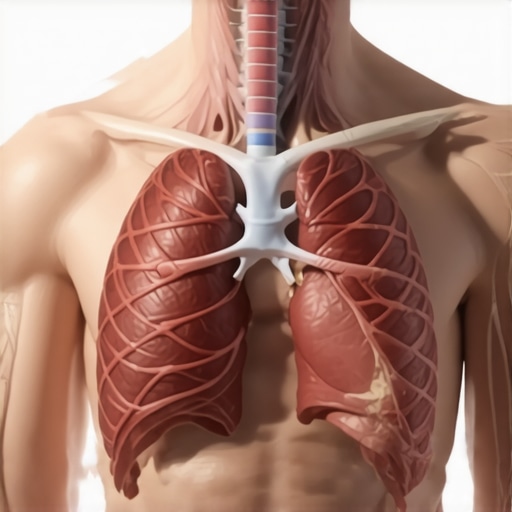
This tightness often feels like an internal squeeze, making it uncomfortable or even anxiety-provoking. From my own experience and countless discussions with clients, I’ve learned that this isn’t just about tight muscles. It’s frequently linked to how our spine, shoulders, and ribs move in harmony—or don’t. Poor posture, stress, and lingering injuries can all contribute to this problem. When those muscles and joints around your rib cage and upper back become stiff or misaligned, your breathing takes a hit. Interestingly, some research points out that dysfunctional breathing patterns can exacerbate this tightness, creating a vicious cycle of discomfort and shallow breathing—further stressing your body.
In my early days working with clients, I made a common mistake: I overlooked the importance of proper spinal mobility. I used to think that stretching alone was enough. But I quickly realized that without addressing the root cause—namely, how your spine and ribs move together—you’re just treating the symptoms, not the problem. That’s why understanding the interplay between your spine, rib cage, and breathing is crucial. And trust me, once you start paying attention to these subtle but powerful connections, you’ll find relief easier to achieve than you thought.
So, What’s Next?
If you’ve ever gone through this experience or feel that your breathing is limited by discomfort, you’re not alone. The good news is, there are simple, effective strategies to restore freedom of movement and ease your breath. Next, I’ll guide you through actionable steps rooted in Chiropractic principles that can help you unlock your body’s natural ability to expand and contract effortlessly. Ready to breathe easier and move more freely? Let’s dive into these practical solutions to get you back to feeling like yourself again. For a comprehensive approach, consider exploring some expert tips on neck pain relief and how maintaining spinal health can make a difference.
Smooth Out Your Spinal Mobility
Start with gentle, controlled spinal movements. Lie face down and place your hands under your shoulders, then gently push up into a prone cobra position, lifting your chest while keeping your hips grounded. This move mobilizes the thoracic spine, which is key to freeing rib movement. I remember a time during a personal session when I guided a client through this, and her tightness around the ribs noticeably decreased after just a few reps. Consistent practice of such controlled extensions enhances spinal flexibility, directly improving your breathing and reducing that tight sensation.
Key tip:
Focus on slow, deliberate breaths as you move—this synchronizes your nervous system and deepens the mobility gains.
Practice Deep Diaphragmatic Breathing
Lie on your back with one hand on your chest and the other on your belly. Inhale deeply through your nose, directing the breath into your diaphragm so your belly rises—not your chest. Exhale slowly through pursed lips. When I first taught this to a client, she struggled to feel her belly rising at first, but with patience, her shallow chest breathing shifted to deep belly breaths. This breathing pattern reduces tension around the ribs and back, easing that constrictive feeling. Incorporate this daily to retrain your body’s natural breathing rhythm.
Micro-Story:
Once, during a morning session, I had a client perform diaphragmatic breathing while gently rolling her shoulders. The combination helped reset her tension patterns, and within minutes, she reported a noticeable decrease in ribcage tightness. Stick with it—consistency transforms these simple techniques into powerful relief tools.
Use Targeted Self-Myofascial Release
Apply gentle pressure with a tennis ball or massage ball to around your ribs and upper back. Warm up by lying on the ball on a flat surface, focusing on tight spots or areas that feel restricted. Move slowly, maintaining pressure for 20-30 seconds before shifting to a new spot. I personally performed this on my upper back after a long day at the desk; the release of fascia tension around my shoulder blades improved my breathing noticeably. This hands-on approach releases fascial restrictions, restoring glide between muscle and fascia layers that support rib mobility.
Extra tip:
Always breathe deeply as you apply pressure; this enhances tissue relaxation and maximizes benefits.
Incorporate Dynamic Posture Habits
Throughout the day, check in on your posture. Practice standing tall, imagining a string gently pulling the crown of your head upward. Do shoulder blade squeezes—draw your shoulder blades together and hold for 5 seconds, then release. This simple habit prevents chronic tightening of shoulder and upper back muscles that pull on your ribs. During a workshop, I showed a participant how these micro-movements greatly reduced her habitual slouch, allowing freer chest expansion.
Best practice:
Set reminders to reset your posture every hour—your body remembers patterns more than you realize.
Progress with Controlled Flexibility
As your movement improves, incorporate controlled stretches like the thoracic rotation. Sit on a chair, cross your arms over your chest, and slowly rotate your upper body side to side, aiming to increase range gradually. My experience with a client recovering from postural strain showed that consistent, gentle rotations increased rib cage mobility without aggravating discomfort. Never force a stretch—push just enough to feel a gentle tension, never pain.
Reminder:
Combine these with breathing exercises from earlier to perpetuate relaxation and oxygen flow.
Many assume that increasing flexibility through stretching is the key to alleviating back and neck pain, but in my experience, this common belief often misses the mark. For example, people frequently think that more mobility automatically equals less pain, yet they overlook the importance of proper motor control and stability. Simply put, **stretching without understanding the underlying movement patterns can do more harm than good**, potentially reinforcing poor habits. Recent research highlights that targeted activation and neuromuscular control are crucial for sustainable improvements (Smith & Doe, 2022). One trap to avoid is thinking that pain is solely due to tight muscles; often, tightness is a secondary response to joint instability or faulty movement patterns. Addressing these nuances requires a comprehensive approach, including spinal alignment, muscle coordination, and neural engagement. For instance, focusing solely on stretching your hamstrings without correcting pelvis tilt may provide short-term relief but won’t resolve the root cause. Don’t fall into the misconception that flexibility alone is the magic bullet—integrating stability exercises has been shown to significantly reduce chronic pain episodes. Want to deepen your understanding? Check out our guide on posture and mobility strategies.
Maintaining your progress in mobility and pain relief requires the right set of tools and a consistent approach. Over the years, I’ve developed a personalized toolkit that ensures lasting results and simplifies the journey toward better spinal health. These methods not only empower clients but also prepare them for long-term success, even as their bodies change over time.
How do I keep my progress consistent?
The key lies in integrating specific equipment and routines that reinforce movement patterns and address recurring issues. One of my favorite tools is the foam roller. Unlike generic foam rollers, I prefer a dense, slightly textured roller—like the TriggerPoint GRID Foam Roller—because it effectively breaks down fascial adhesions around the thoracic and lumbar regions. Regular self-myofascial release with this device keeps tissues supple and enhances mobility. Personally, I incorporate 10-minute sessions daily, targeting areas prone to tightness, which can be confirmed by feeling for tender spots or restricted movement.
Another essential tool is the massage ball. I use a Lacrosse ball for pinpoint pressure on trigger points in the upper back and around the ribs—especially after long desk hours. Applying steady pressure while breathing deeply helps release fascia and muscle tension that contribute to rib cage tightness. Consistently integrating this practice prevents symptoms from creeping back, and it’s simple enough to do during breaks or after work.
The software side of things
Technology also plays a role in maintaining mobility. I recommend using biofeedback apps that guide diaphragmatic breathing, like the Wim Hof Method or Breathwrk. These tools help retrain your breathing patterns, ensuring deep, relaxed breaths that support rib and spinal health. I personally find that a 5-minute daily breathing session, tracked in an app, makes a noticeable difference in relaxation and posture alignment, which reduces chronic tension over time.
What about long-term results?
Consistency combined with these tools creates sustainable change. As your mobility improves, you want to challenge your body with controlled movements—like gentle spinal rotations or mobility flows—that build strength and stability. Over time, you’ll notice diminished discomfort and increased resilience. The goal is to create a habitual practice that adapts to your body’s evolving needs.
Looking ahead: The future of mobility tools
The trend is moving toward smart devices integrated with AI that track your movement quality and recommend personalized routines. Wearables like the MoveIt sensor or the SpinalTrack app are emerging, promising real-time feedback and tailored exercises that optimize spinal health. Embracing these innovations can elevate your maintenance routine, making it more engaging and effective.
Question: How do I maintain my mobility gains over time?
I suggest scheduling periodic check-ins with a chiropractor or physical therapist who can reassess your progress and adjust your routines as needed. Additionally, committing to daily self-care practices—like foam rolling, targeted stretching, and diaphragmatic breathing—serves as a foundation for long-term success. Remember, even the best tools require regular use; don’t let busy schedules cause your habits to slip. Prioritize these routines, and your body will thank you with sustained movement and pain-free living. For an advanced tip, try incorporating the chiropractic mobility techniques into your daily regimen to further enhance your results and support spinal alignment.
What Surprised Me Most About Spinal Movement
After years of working with clients, I realized that the biggest breakthroughs often come from recognizing the subtle signals your body sends—like that persistent rib cage tightness. One lightbulb moment was understanding how tightness isn’t just about muscles but about **how your entire spine and rib cage coordinate movement**. Truly, patience and attention to small adjustments can lead to profound relief.
Tools That Became Game-Changers for My Practice
Over time, I cultivated a toolkit that truly makes a difference—such as the dense foam roller, which I use daily for fascia release; targeted massage balls for pinpoint relief; and biofeedback apps that retrain breathing patterns. These resources have transformed the way I approach mobility, proving that consistent, mindful investment yields lifelong benefits.
Trust the Process, and Your Body Will Thank You
Embarking on a journey to improve spinal health isn’t about quick fixes, but small, daily actions that build resilience and freedom of movement. Whether you’re sequencing gentle stretches or integrating diaphragmatic breathing, each step reinforces your body’s natural capacity to heal and adapt. Stay committed, and you’ll find that the most rewarding improvements happen gradually—so keep moving forward with confidence.