Why Your Glutes Turn Off When You Sit and How to Wake Them Up
Ever zapped your phone and noticed it just stops charging? Frustrating, right? Now, imagine that happening to your own body—specifically, your glutes—every time you plop down in your chair. Yep, that sluggish, sleepy feeling in your hips isn’t just inconvenience; it’s a signal from your nervous system saying, “Hey, something’s off.” I remember the first time I noticed my glutes refusing to activation during a long workday. Sitting for hours, feeling that dull ache, and realizing I’d lost control of my own mobility—it was a wake-up call.
That frustrating sensation? It’s incredibly common and often dismissed as normal, but it’s actually a sign that your body’s natural firing pattern has gone awry. Your glutes—those powerful muscles that help stabilize your pelvis and support your lower back—are supposed to be the heroes in your movement story. Yet, for many of us, sitting leaves them in a dazed state, turning them off when we need them most.
Now, why does this happen? Think about how often we sit—at desks, in cars, on couches. Over time, this prolonged sitting encourages your hip flexors to tighten and your glutes to become dormant. This muscle inactivity doesn’t just lead to poor posture; it can set the stage for chronic back pain and even affect your overall strength and mobility.
My lightbulb moment came early in my career when I realized that most of my discomfort stemmed from this glute inactivity. I made a simple mistake early on—neglecting to focus on restoring glute engagement—and it cost me precious time and pain relief. Knowing when and how to wake up these muscles transformed my approach.
Today, I want to share with you the secrets I discovered—simple, yet powerful strategies to get your glutes firing again and reclaim your mobility. If you’ve ever faced that sluggish sensation or back pain that won’t quit, stick with me. We’re about to turn things around.
Have you ever felt like your hips refuse to do the work they’re designed for during your daily routines? If so, you’re not alone, and there’s hope. Before diving into the how-to’s, let’s explore a common misconception that might be holding you back from actually waking up your glutes.
Start With Awareness and Reset
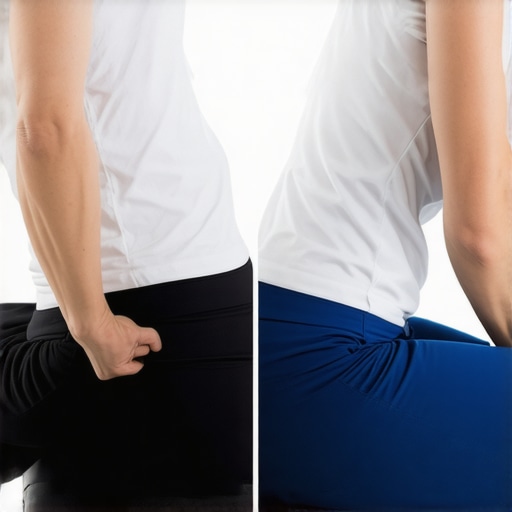
First, sit on a chair with your feet flat on the ground. Engage your core to stabilize your pelvis, then gently squeeze your glutes for 5 seconds, releasing slowly. Repeat this 10 times daily. I once spent a morning just focusing on this movement in my office, initially feeling awkward, but within days, I noticed my hips felt more responsive—and my lower back pain diminished.
Incorporate Dynamic Movements Throughout the Day
Glute Bridges
Lie on your back with knees bent and feet hip-width apart. Press through your heels to lift your hips off the ground, squeezing your glutes at the top for 3 seconds. Lower slowly and repeat for 15 reps. Doing this during a lunch break helped me feel more grounded and less stiff by the end of the day. These bridges activate dormant muscles and improve hip stability.
Active Standing Exercises
Next, stand tall, then engage your glutes while shifting weight onto one leg. Hold for 10 seconds, then switch sides. This mimics natural movement and trains your body to recruit glutes during daily activities. I added this to my morning routine, and over time, I noticed fewer aches when climbing stairs or bending down.
Integrate Hip Mobility Drills
Use a resistance band around your thighs for lateral walks. Step sideways, ensuring your knees track over your toes, keeping tension on the band. This strengthens your hip abductors and restores proper movement patterns. I found this especially helpful after long periods at my desk, as it broke the cycle of tightness.
Leverage Proper Positioning and Posture
Ensure your workspace setup encourages glute activation—sit with feet flat, avoid crossing legs, and take short breaks to stand and reset. Using the correct ergonomic practices keeps your muscles engaged and prevents deactivation.
Be Consistent and Mindful
Consistency is key. Set reminders to perform these movements, especially during prolonged sitting. Over time, these small, deliberate actions will rewiring your nervous system, making glute activation a default. When I committed to these steps, my hips felt more resilient, and I avoided the trap of muscle dormancy that plagued my early career.
Many assume that increasing flexibility through stretching or visiting a chiropractor will quickly resolve persistent neck and back issues. However, this overlooks a critical nuance: not all mobility techniques are equally effective, and some common practices may even hinder recovery. For instance, believing that deep stretching alone is the answer can lead to overstretching injured tissues, thereby delaying healing, as highlighted by recent studies indicating that aggressive stretching may disrupt tissue repair processes. Additionally, a frequent myth is that chiropractors always provide long-term relief; in reality, without addressing underlying muscle imbalances and nerve function, adjustments may offer only temporary relief and risk creating dependency—discover how to avoid this trap on our detailed guide.
Maintaining your mobility and spinal health over the long term requires more than just sporadic exercises; it demands the right tools and consistent routines. One of my top recommendations is investing in a high-quality foam roller. I personally prefer the Theragun Wave Roller because its textured surface allows for targeted self-myofascial release, breaking up tight fascia that can hinder glute activation and increase back pain. Regular self-massage helps keep muscles supple, reducing the risk of stiffness that can develop from prolonged sitting or inadequate movement.
Another essential tool is a resistance band — specifically, loop bands with adequate tension. These bands enable me to perform hip mobility drills like lateral walks and clamshells anywhere, providing immediate feedback on muscle engagement. I advise patients to keep a set of loop bands in their workspace or bag, making it easy to incorporate mobility work throughout the day. These simple interventions have proven effective in preventing muscle dormancy and supporting proper movement patterns over months of consistent use.
Equally important is leveraging technology. I highly recommend using apps like the Mobility Mastery app, which offers guided routines tailored to your specific needs. These routines often include cues for proper breathing and posture, reinforcing good habits that prevent long-term issues. When I started using a dedicated app, I found it easier to measure progress and stay accountable. Look for programs that emphasize neuro-muscular re-education — a key aspect in restoring glute activation and spinal stability.
Of course, monitoring your posture with ergonomic tools is crucial. Adjustable lumbar supports and sit-stand desks can dramatically reduce strain and keep your muscles engaged. I personally use a Sit-Stand Desk Converter, which allows me to switch positions regularly, encouraging movement and avoiding the trap of sedentary behavior that leads to muscle atrophy. Pairing this with reminders or apps like Time Out, which prompts you to stand up every 30 minutes, can make a significant difference in long-term mobility maintenance.
Looking ahead, advancements in biofeedback technology are likely to revolutionize how we maintain mobility. Devices that provide real-time feedback on muscle engagement, posture, and movement patterns are becoming more affordable and user-friendly. I predict that integrating wearable sensors with AI-driven coaching will customize your mobility routines even further, ensuring precise activation of dormant muscles like the glutes, and making preventive care more accessible.
How do I maintain my mobility over time?
Consistency is the secret sauce. Incorporate tools like foam rollers and resistance bands into your daily routine, and utilize apps and ergonomic setups to reinforce good habits. Don’t forget to schedule regular check-ins with a knowledgeable chiropractor or physical therapist. They can assess your progress and adjust your routine accordingly. Remember, long-term results come from a proactive approach—think of it as preventive maintenance for your body. For more on effective strategies, visit our guide to [mobility mastery](https://quackersspinal.com/mobility-mastery-expert-tips-for-back-pain-prevention-and-recovery) and make a commitment today to keep your body working smoothly for years to come.
Through my journey studying mobility, chiropractic care, neck pain, and back pain, I’ve uncovered that the biggest breakthroughs often come from recognizing subtle but powerful lessons. One lesson I wish I’d learned sooner is how easily our bodies default to protective muscle patterns—sometimes to our detriment. For example, I realized that ignoring the small cues of tension and discomfort can lead to more significant issues down the line. Recognizing these signs and acting proactively is essential for long-term relief and mobility, not just quick fixes.
Another insight is the importance of personalized routines. What works for one person might not for another. Over time, I discovered that integrating specific mobility drills with my unique body habits transformed not only my pain levels but also my confidence in movement. This emphasized that understanding and respecting your individual biomechanics is key—so don’t blindly follow generic advice; instead, tune into what your body truly needs.
A third lesson is that consistency trumps intensity. Small, deliberate actions—like daily glute activation or brief posture resets—compound into profound improvements. It’s tempting to seek instant results, but the real magic happens when you commit to these habits daily. My daily check-ins for glute engagement and mobility work gradually rewired my nervous system, turning what once felt like chores into intuitive actions that support my overall well-being.
A Treasure Trove of Resources That Made a Difference
For me, the cornerstone of sustainable back and neck health has been reliable tools and expert insights. The Mobility Mastery app offers tailored routines that keep me accountable and ensure I’m progressing. I also swear by the guided methods from top chiropractors that reveal the subtle art of safe movement. A sturdy foam roller like the Theragun Wave Roller helps me release fascia tension effectively, preventing symptoms from creeping back. Lastly, books such as “The Brain’s Way of Healing” have deepened my understanding of neuroplasticity and pain, empowering me to approach recovery with patience and knowledge.
Your Next Step Toward Better Movement
Embarking on your mobility or pain relief journey is about small, consistent choices that honor your body’s needs. Start today with that quick glute squeeze or a simple hip mobility drill—these tiny steps can unlock profound long-term benefits. Remember, your body is resilient, and with the right tools, guidance, and habits, you can reclaim freedom of movement and comfort. I invite you to share your experiences or ask questions—what has been your biggest challenge in maintaining neck or back mobility? Let’s support each other in this path toward lasting relief.