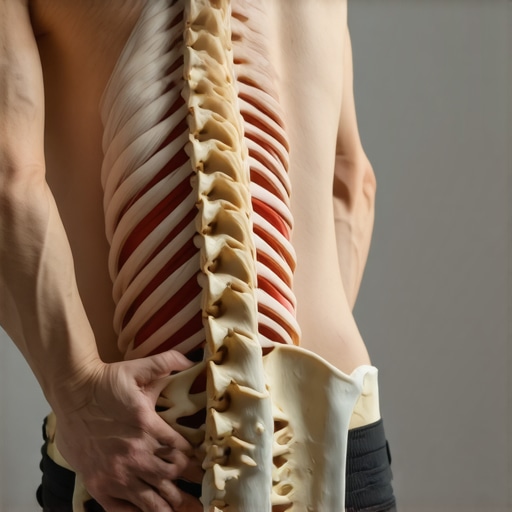
How to carry a heavy bag without throwing your spine out of alignment
Ever felt that sharp jolt in your lower back after lugging around a heavy bag all day? I have. There was a moment when I realized that every time I overloaded my shoulder bag or backpack, I was secretly risking long-term damage. That lightbulb moment made me rethink how I carry things—and it changed my back health for good.
Why Carrying Heavy Loads Without Care Can Wreck Your Spine
Carrying a heavy bag might seem like a minor daily grace or a necessity, but safely doing so is something that often gets overlooked. When I first started loading my bag with textbooks and gadgets, I dismissed the small aches, thinking they’d fade. But over the months, those aches grew into persistent neck stiffness and back pain that kept me from reaching my full mobility potential. Turns out, this is a common story. Studies show that improper overload on one side of the body can create a domino effect, affecting your spinal alignment and causing chronic discomfort here.
What I didn’t realize at first was that my mistake—constantly sling-loading my bag over one shoulder—was gradually skewing my pelvis and pulling my neck into awkward positions. The result? Increased tension, nerve irritation, and even headaches. It’s easy to dismiss these as minor annoyances, but ignoring proper habits can lead to serious, lasting issues. So, if you’ve ever experienced similar pains or just want to prevent future problems, you’re not alone—and I want to help you sidestep my mistake.
A Promise to You: How We’ll Tackle This Together
In the sections ahead, I’ll share practical, proven strategies to carry your bag without damaging your spine. These aren’t just quick fixes; they’re habits that can protect your mobility, reduce pain, and keep you feeling energized and strong day after day. Whether you’re a student hauling books, a professional with a laptop, or a parent juggling errands, these tips are for everyone who wants to stay active without the nagging pain that often accompanies improper carrying techniques.
Is Changing Your Bag Habit Really Worth It?
Don’t let skepticism hold you back. I made the mistake of thinking I could ignore my posture until one day, I could barely turn my head without pain. That was a wake-up call. Small changes can have a huge impact, and I’ll walk you through simple adjustments that are easy to integrate into your routine. Ready to learn how to carry a heavy load without throwing your spine out of alignment? Let’s dive into the practical steps that will make a real difference.
And if you’ve faced this problem before, drop a comment or reach out—I’d love to hear your story and help you find relief. Remember, taking care of your spine today means better mobility and less pain tomorrow. Contact me if you’re ready for personalized advice or a quick spinal checkup.
Master Proper Bag Carrying Techniques
Start by balancing the load equally on both shoulders whenever possible. I remember one day abandoning my habit of slinging my bag over one shoulder, opting instead to switch shoulders frequently. This simple adjustment prevented the usual strain and still allowed me to carry everything needed. To make this effective, use both straps and adjust them so the bag sits snugly against your back, spreading weight evenly. Think of it like evenly distributing weights on a scale—the more balanced, the less strain on any single side.
Distribute Weight Strategically
Use a backpack with padded straps and a waist belt. The belt helps transfer some load from your shoulders to your hips, which are built to bear weight. When I started using this, I noticed less tension in my neck and shoulders after long days. For tricky loads, consider layering your items—keep heavier objects close to your spine and lighter ones further out. This minimizes the leverage effect, reducing the torque on your back and neck.
Adjust Your Posture Constantly
Maintain an upright posture while walking, with shoulders back and relaxed. An analogy I found helpful was imagining my head like a string attached to a helium balloon—if the string pulls forward, my neck tilts and causes tension. I consciously kept my chin tucked slightly, which kept my head aligned over my shoulders. Regularly checking in on your posture prevents painful compensations. Stand in front of a mirror or use a camera to observe your stance periodically, especially when you feel fatigue creeping in.
Incorporate Micro-Movements to Relieve Tension
During breaks, perform gentle stretches focused on your neck and shoulders. A quick trick I learned was rolling my shoulders slowly backward and forward—this acts like resetting tension in a machine. I also did a simple neck tilt, gently bringing my ear toward my shoulder, which released built-up stiffness. These micro-movements resemble a car’s small adjustments that keep the engine running smoothly. Adding these into your routine ensures muscles stay supple and less prone to injury.
Seek Support When Needed
Use ergonomic accessories such as padded straps, waist belts, or even a roller bag for heavier loads. This reduces strain and helps maintain a neutral spine position. When I first started feeling persistent discomfort, I invested in a high-quality backpack with adjustable straps and a sternum strap, which provided extra stability. If pain persists despite these efforts, consult a chiropractor or physical therapist for tailored advice. Professional guidance can help you understand specific imbalances that might contribute to pain, avoiding long-term damage.
Implementing these strategies requires conscious effort at first, but over time they become second nature. The key is consistency—making small adjustments to your carry habits keeps your spine aligned and prevents the gradual build-up of strain. Regularly revisiting these steps — from proper bag loading to posture correction — transforms a simple daily task into a powerful protector of your mobility and comfort. Explore further detailed techniques at this resource, and consider seeking personalized advice to optimize your daily routine.
Many believe that frequent chiropractic adjustments alone can eliminate stubborn back and neck pain, but this oversimplification misses crucial nuances. While adjustments are effective, relying solely on them without addressing underlying lifestyle and posture factors is a common misconception. For example, some assume that once pain subsides after a visit, the problem is permanently fixed—yet, without consistent habit changes, pain often returns. This misleading belief can lead to ongoing reliance on quick fixes rather than pursuing comprehensive solutions.
Are Repeated Adjustments Damaging Your Body’s Natural Balance?
Contrary to popular belief, over-reliance on manual therapies without correcting faulty movement patterns might inadvertently undermine your body’s adaptability. Studies show that excessive adjustments, especially when not paired with strengthening exercises, can lead to decreased joint stability and long-term dependence on care here. It’s essential to see chiropractic as part of a broader strategy that includes posture correction, micro-movements, and lifestyle modifications—it’s about empowering your body rather than creating a crutch. Many people also fall into the trap of thinking that pain is the only indicator of spinal health. However, minor imbalances often exist silently, gradually affecting mobility and predisposing to injuries. Addressing these early requires nuanced assessment and targeted interventions that go beyond surface-level relief.
Furthermore, another common myth is that mobility exercises should be painful to be effective. In reality, gentle, consistent movement and targeted stretches are far more beneficial in restoring optimal function without risking further injury. For example, incorporating simple mobility drills into your daily routine can significantly enhance joint health and promote lasting relief here. Recognizing these nuances helps you avoid the trap of temporary fixes and instead promotes sustainable spinal health.
Keeping It Working: Essential Tools for Sustained Mobility
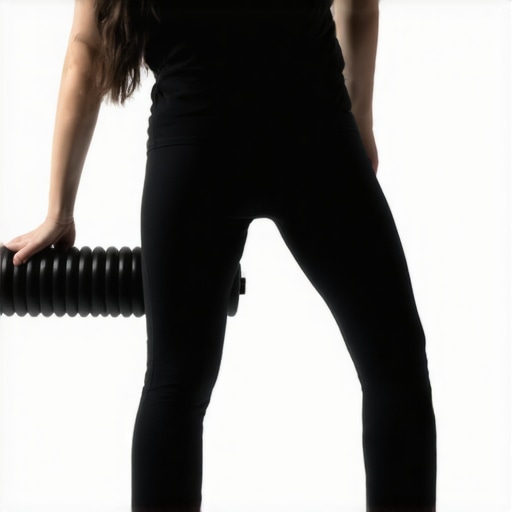
Once you’ve adopted proper carrying habits and regular micro-movements, the next step is ensuring these routines become part of your long-term strategy. I recommend investing in specific tools and implementing proven techniques that support spinal health daily. These tools aren’t just gadgets; they’re allies in maintaining mobility and reducing pain over time. For instance, a high-quality foam roller is invaluable for releasing knots in your mid-back and hips, which often act as culprits in neck and lower back pain. Personally, I use a dense foam roller with a grid texture, as it provides targeted pressure without being too harsh. Regularly rolling out tension, especially after prolonged sitting, can prevent chronic stiffness and improve circulation.
In addition to physical tools, incorporating software or digital resources can also make a difference. I rely on mobility tracking apps that prompt me to perform quick stretches or micro-movements at intervals during the day. These remind me to stay conscious of my posture and prevent the habit of neglecting my spinal health. One particular app I recommend allows you to customize routines targeting neck and back flexibility, ensuring you’re not just practicing random stretches but following a science-backed plan.
Advantage of Biofeedback Devices
Another tool gaining popularity is wearable biofeedback devices that monitor muscle tension and posture in real-time. By alerting you when you’re slouching or overusing certain muscle groups, these gadgets promote self-awareness and facilitate habit correction. I’ve found that consistent use of biofeedback enhances my ability to maintain good posture, especially during long workdays. As technology advances, I predict these devices will become more integrated into daily routines, offering personalized insights that keep your back in check without constant professional intervention.
However, the key to effectiveness lies in proper implementation. Use tools like foam rollers and biofeedback devices regularly, but also pair them with professional guidance—like consulting a chiropractor for tailored advice. Combining physical tools with expert insights maximizes long-term benefits, ensuring your spine stays resilient as you scale your activities or rehabilitate after injury. For comprehensive strategies on maintaining mobility, explore this resource.
How do I keep my spinal health sustainable over the years?
Maintaining spinal health isn’t a one-and-done task; it requires consistency and strategic use of tools that adapt as your body changes. Regularly reassess your habits, invest in quality equipment, and stay educated about new techniques. Remember, the goal is to create a lifestyle that naturally incorporates these practices—making mobility and pain relief part of your daily routine. As research indicates, coupling physical tools with active lifestyle modifications yields the best results, helping you enjoy sustained comfort and movement well into the future. Start today by integrating one new tool, like a foam roller, into your routine, and observe the difference it makes.
What I Never Expected to Learn About Proper Posture
The most surprising lesson was realizing that small, consistent micro-movements could dramatically improve my spine’s resilience. I used to dismiss brief stretching breaks, thinking they weren’t impactful. But once I committed to regular neck rolls and shoulder resets, I noticed less stiffness and more freedom of movement. These micro-adjustments became a personal game-changer, teaching me the value of tiny, repeated efforts over time.
The Hidden Power of Mindful Load Distribution
Initially, I believed that carrying loads properly meant just avoiding overloads. However, I learned that strategic weight distribution — like using a backpack with a waist belt and keeping heavier items close to the spine — can prevent asymmetrical strain. This insight helped me avoid repetitive injuries and underscored how mindful loading habits extend beyond just choosing the right bag; they’re about conscious load management that supports long-term spinal health.
Why Professional Guidance Is a Game-Changer
Despite reading numerous tips online, I discovered firsthand that personalized advice from a chiropractor could pinpoint specific issues I wasn’t aware of—like subtle pelvic tilts or muscle imbalances. Working with an expert complemented my habit changes, making my progress faster and more sustainable. This experience reinforced the idea that expert support accelerates mastery of healthy habits, preventing long-term issues that might develop unnoticed.
Curated Tools That Keep My Spine Happy
A dense foam roller became an unexpected ally, helping me release tension in my mid-back after long sitting sessions. Additionally, wearable biofeedback devices now remind me when my posture begins to slip during work. These tools aren’t just gadgets; they’re vital partners in maintaining mobility and preventing pain, especially during demanding routines or when I’m traveling. I trust these because they provide immediate, actionable insights that reinforce good habits.
Fueling My Journey with Knowledge and Inspiration
Books like “Revitalize Your Mobility” opened my eyes to the importance of combining physical tools with a move-focused mindset. They offer evidence-based strategies that empower me to take charge of my back health daily, rather than relying solely on occasional adjustments. Continuous learning keeps my approach fresh and effective, inspiring sustainable change that feels natural rather than forced.
If You’re Ready for Real Change
Embracing these lessons transformed my spine’s health and mobility—proof that incremental, informed actions make a difference. Whether you’re just starting or seeking to refine your habits, remember that the journey to a pain-free back is ongoing. By integrating these insights and tools into your routine, you’re building resilience and confidence in your body’s ability to stay strong over time. Start today—your future self will thank you.
What micro-movement or habit change have you found most effective in supporting your spinal health? Share your experience below—I’d love to hear how you’re taking charge of your mobility!
,