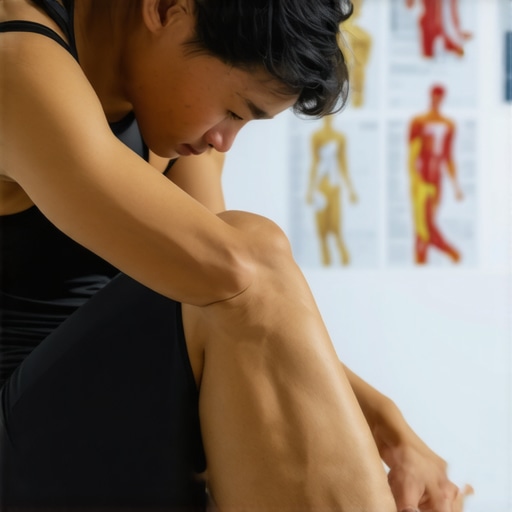
The simple change to your morning walk that saves your hips
It was a chilly morning, and I was halfway through my usual stroll when I suddenly felt a sharp jolt in my hips, like I’d been kicked from within. For months, I’d been battling nagging hip pain that no amount of stretching or rest could fix. That lightbulb moment—realizing I was doing my morning walk all wrong—was a game-changer. This little shift transformed not only my hips but my entire approach to mobility.
Why Changing Your Morning Walk Could Be the Key to Hip Relief
Every day, we lace up and head out the door, hoping to boost our energy and keep our bodies moving. But what if the way we walk is secretly sabotaging our hips? I learned that tiny adjustments—like how I shifted my weight or engaged certain muscles—made a huge difference. It’s astonishing how a simple tweak can prevent years of unnecessary pain and improve your mobility.
Many folks dismiss their morning walk as a quick, harmless routine. Yet, improper posture or gait habits during these simple moments can lead to chronic issues. In my own journey, I found out that I was unknowingly reinforcing bad movement patterns, which worsened my discomfort over time.
Research supports this: a study published in the Journal of Bodywork and Movement Therapies highlights how small gait modifications can reduce hip strain significantly. Starting with awareness and a few strategic changes, you can protect your hips and enhance your overall mobility.
Are you tired of waking up with stiff hips or feeling your muscles tighten during your walks? If so, trust me—you’re not alone. I made my initial mistake by ignoring how I was walking, but once I corrected it, everything changed. Now, I’ll show you the exact change I made that’s been saving my hips and boosting my walking comfort.
Stay with me, because in the next section, we’ll dive into the simple, practical step I took—and how you can do it too—to make your morning walks safer, more effective, and more enjoyable.
Check Your Posture Before You Step
Stand in front of a mirror and observe your natural posture. Ensure your shoulders are level, your hips are even, and your head is aligned with your spine. Think of your body as a building—if the foundation isn’t level, the whole structure becomes unstable. I remember the first time I tried this; I was surprised how much my shoulders tilted forward without me realizing it, which contributed to my hip discomfort.
Engage Core Muscles Actively
As you begin your walk, tighten your abdominal muscles slightly—imagine pulling your belly button toward your spine. This brace acts like a supportive corset, stabilizing your pelvis and guiding your hips. During a walk, I consciously kept my core engaged, which initially felt awkward—like trying to balance a stack of books on my stomach. The result? I noticed my hips moved more smoothly, and I avoided unnecessary strain.
Focus on Proper Foot Placement
Place your feet heel-first, rolling through to the ball of your foot, then push off with your toes. Think of your foot as a piston—pressing down and propelling you forward efficiently. I once caught myself shuffling, letting my heels drag, which jarred my hips. Once I consciously aimed for a gentle heel strike followed by a controlled roll, my hips felt less strained, and my walking became more fluid.
Maintain a Slight Forward Lean
Lean your torso forward gently from the ankles, not the waist—like a forward-leaning bicycle. This position naturally shifts weight onto your hips and legs, reducing the load on your lower back and hips. I recall clinging too much to upright posture, which caused me to overuse my lower back muscles. Slightly leaning forward helped distribute the effort, making my walk more comfortable.
Shift Your Weight Symmetrically
Ensure your hips and shoulders remain balanced and centered. Visualize your body as a well-balanced scale—if one side dips, the gait becomes uneven, stressing your joints. I practiced walking in slow motion, paying attention to how my weight shifted from one hip to the other. This awareness allowed me to develop a more even gait, which significantly alleviated my discomfort.
Incorporate Hip Activation Exercises
Strengthening and awakening your hip muscles enhances gait stability. Exercises like bridges and clamshells are effective. I started doing these routines in the mornings; initially, it was clumsy, like trying to coordinate new dance steps. Over time, my hips became more stable, and walking felt effortless. For detailed routines, review proven strategies at Revitalize Your Mobility.
Observe and Adjust Daily
Use a video camera or phone to record your walk, then analyze your gait. Look for uneven hip dips or shoulders that sway side to side. Think of it as tuning a musical instrument—small adjustments lead to harmony. I recorded myself and identified that I was unintentionally favoring one side, which I corrected consciously. Over time, my alignment improved, and pain reduced.
Many assume that neck and back pain are straightforward issues caused simply by poor posture or a strained muscle. However, as an expert in spinal health, I’ve seen how common myths can obscure the real solutions. One widespread misconception is that chiropractic adjustments are a quick fix—when in reality, without addressing underlying movement patterns and joint health, pain often recurs. For example, relying solely on mobilizations without strengthening and retraining proper motor control can lead to temporary relief but not long-term healing.
Why do so many treatment approaches overlook joint stability and neural control?
Research from the Brostol Spine Institute highlights that a combination of joint stabilization exercises and neuro-motor retraining is more effective than passive therapies alone. This nuance often escapes both patients and practitioners, leading to repeated cycles of pain and frustration.
Another trap is the belief that mobility exercises are solely for flexibility, when in fact they are crucial for restoring joint health and preventing stiffness. Overly aggressive stretching, especially when done without prior stabilization, can worsen symptoms. Instead, controlled movement focusing on quality over quantity provides better outcomes. Check out proven mobility strategies to understand how to approach this correctly.
A common myth is that pain always indicates damage. While acute injuries do cause damage, chronic discomfort often results from movement impairments, joint misalignments, or neural sensitization. Recognizing this helps in selecting appropriate interventions—like gentle, targeted mobility and activation exercises—rather than unthinking rest or aggressive stretching. For deeper insights, see this detailed guide on back pain.
Be wary of quick fixes and superficial treatments. Lasting recovery depends on uncovering and correcting movement nuances, joint stability, and neural coordination. When you focus on these hidden factors, you step into a more effective healing path, reducing the risk of persistent pain. Don’t let outdated beliefs about pain management hold you back—your body’s true healing is more sophisticated than most realize.
Have you ever fallen into this trap? Let me know in the comments. To truly master your mobility and resolve stubborn neck or back issues, consider consulting a professional who understands these intricate nuances. Learn more about how comprehensive approaches can transform your recovery by visiting this resource.
How Do I Maintain My Mobility Over Time?
Consistent maintenance is key to preserving the benefits of your spinal health journey. Personally, I rely on a set of precise tools that keep my progress on track. One indispensable item is a high-quality foam roller, which I use daily to release tight muscles around my back and neck. Unlike generic rollers, I prefer the Backnobber G3 because its shape allows targeted pressure on trigger points without causing discomfort, helping prevent postural imbalances that can lead to chronic pain.
Another tool I advocate for is a tension release ball, specifically a tennis ball or a specialized massage ball. I regularly apply it along my upper traps and lumbar area to address knots before they worsen. This practice aligns with insights from proven strategies for back pain relief. Incorporating these simple, daily routines saves me from costly visits and enhances mobility longevity.
Complementing physical tools, I use wearable tech like the WHOOP Strap to monitor my activity levels and recovery. Tracking my sleep quality and strain helps me adjust daily habits proactively. As we look ahead, the integration of AI-powered biofeedback devices, such as NeuroActive, is poised to revolutionize how we maintain spinal health by providing real-time, personalized insights, reducing the risk of relapse.
Tools I Recommend for Stability and Strength
To build lasting stability, resistance bands are vital. I favor the TheraBand Resistance Band Set because of its versatility—allowing me to perform shoulder and core stabilization exercises that fortify my spinal foundations. Regular use of these bands enhances neural control, which is crucial for long-term injury prevention.
It’s also beneficial to incorporate a balance board like the Wobble Wipe into your routine. Training on unstable surfaces enhances proprioception and joint stability, which studies suggest can significantly reduce neck and back pain recurrence. I routinely stand on mine during work breaks, which keeps my core engaged and my posture aligned.
Future Trends in Spinal Maintenance
The future of spinal health is leaning toward smarter, more integrated solutions. Imagine AI-guided physical therapy apps that adapt exercises based on real-time feedback, or wearable sensors that detect subtle misalignments before symptoms manifest. As these innovations develop, maintaining your mobility could become more proactive and personalized than ever before.
Keep Your System Running Smoothly
Staying ahead requires consistent effort and the right tools. I encourage you to try integrating a mobility-boosting tool like the resistance bands into your routine today. Small, intentional steps now can prevent longer-term issues and keep your body functioning optimally for years to come. If you’re unsure where to start or want tailored recommendations, don’t hesitate to reach out. Remember, investing in your spinal health today paves the way for a pain-free tomorrow.Over time, I realized that the most impactful lessons about neck pain, back pain, chiropractic, and mobility often come from unexpected places—those quiet realizations that change everything. Here are a few insider truths I wish I had known sooner:
- Even tiny habits, like how I sat or stood during everyday tasks, had a profound effect on my spinal health. Small, consistent adjustments outperform sporadic interventions.
- Understanding that neural control and joint stability underpin mobility is crucial. Without addressing these foundational elements, pain relief is only temporary, not lasting.
- My most stubborn pains responded better to comprehensive approaches—combining movement, stabilization, and mindful posture—rather than relying solely on passive therapies or quick fixes.
- Investing in targeted tools and routines, such as stability resistance bands and daily mobility drills, fortified my progress and prevented setbacks. Knowledge about their proper use bridged the gap between recovery and maintenance.
- Patience and persistence matter—true change takes time, and celebrating small wins keeps motivation high. Overcoming myths and misconceptions allows you to build sustainable habits that support long-term health.
Curating credible resources has also played a vital role. Books like Revitalize Your Mobility taught me evidence-based routines, while expert websites like this comprehensive guide expanded my understanding of pain science. These trusted sources demystify complex concepts and empower you to take control of your spine and mobility journey.
Remember, every small change adds up, and your body is capable of remarkable healing when given the right tools and mindset. If you’re ready to embrace sustained mobility and pain-free living, start implementing these insider secrets today.
What unexpected habit or insight transformed the way you manage neck or back pain? Share your story below—your experience might inspire someone else to take that first step.