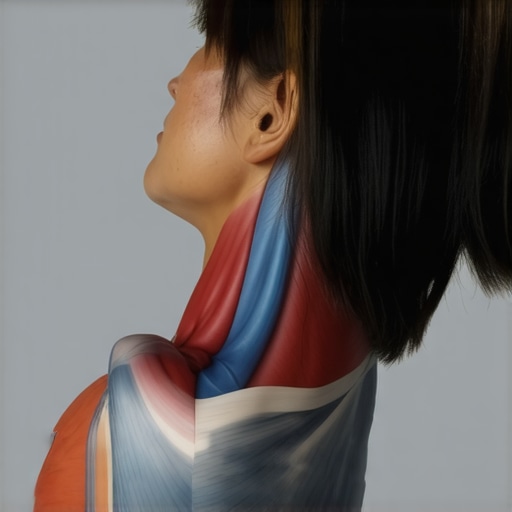
How to tell if your headache is actually referred neck pain
Have you ever experienced a pounding headache that just won’t quit, only to realize later that it was linked to your neck? I remember one particularly grueling week—my head was throbbing, and I spent hours Rorschaching through painkillers, thinking I just had a stubborn migraine. Then, a simple movement made me wince—turning my neck or even just tilting my head unexpectedly. That was my lightbulb moment. It dawned on me that not all headaches are what they seem.
Why Recognizing Referred Neck Pain Can Change Your Life
Figuring out whether your headache stems from neck issues isn’t just about avoiding unnecessary medication; it’s about reclaiming your mobility and daily comfort. Many people don’t realize that headaches attributed to neck problems, known as referred pain, are surprisingly common. In fact, according to research published in the Journal of Orthopaedic & Sports Physical Therapy, up to 60% of chronic headaches have a cervical component that can be addressed without medication or surgery.
If you’re tired of waking up with a pounding head or feeling like your mind is fogged, understanding the root cause can be life-changing. The good news is recognizing the signs early saves you from prolonged discomfort and helps you seek targeted relief. I personally learned that many persistent headaches can be alleviated—or even eliminated—by tending to neck health, often through simple therapeutic techniques or chiropractic care.
Have you ever thought that your discomfort might be from your neck? If so, you’re not alone. In my experience, people often overlook the neck when diagnosing headaches, dismissing it as unrelated. But the connection is strong, and getting to the bottom of it can make all the difference. Curious? Let’s dive into how you can tell if your headache is a sign of deeper neck issues, and what steps to take next.
Is It Really Worth Worrying About? The Risks of Overlooking Neck-Related Headaches
One mistake I initially made was dismissing my neck pain as just tension from sitting too long—only to realize later that it was a trigger point for my headaches. Ignoring persistent neck symptoms can lead to longer recovery times and, in some cases, more serious complications. That’s why paying attention to the signs early on is crucial. Whether it’s persistent stiffness, numbness, or a recurring ache that seems to radiate, these are clues your body is trying to tell you something.
If this hits close to home, and you’re wondering how to start addressing these issues, consider reaching out to a professional. You might find relief faster than you think. And remember, early intervention often results in better outcomes and less frustration down the line. For more tips on managing neck and back pain, check out this guide.
In the following sections, we’ll explore how to identify if your headache is linked to neck problems and the practical steps you can take today to start feeling better.
.
Pinpoint the Culprit: How to Assess Your Neck and Headache Connection
Start by observing how your head feels throughout the day. Keep a journal noting when headaches occur and what neck movements trigger or worsen them. I remember using a simple notebook during my worst episodes, jotting down times and activities that coincided with headaches. Over a week, patterns emerged, revealing that long periods at the computer with poor posture exacerbated the pain. This awareness is your first actionable step—recognizing specific movements or positions linked to discomfort. Assess your posture from different angles, and note any persistent stiffness or tenderness in the neck muscles. This foundation helps determine whether professional intervention is necessary.
Stretch and Mobilize: Loosen Up Your Neck and Shoulders
Gentle stretching can release built-up tension that contributes to referred pain. A practical example from my experience involved doing slow neck rolls—gently rotating my head side to side to loosen tight muscles. Incorporate specific neck stretches, such as ear-to-shoulder bends, to target common trigger points. Use a tennis ball against a wall to release tension in your upper trapezius muscles, which often refer pain to the head. Regular, mindful movement prevents muscles from locking into painful patterns. Remember, avoid aggressive stretching, as it can worsen underlying inflammation. Consistent daily routines with controlled stretches enhance mobility and reduce referred pain over time.
Adjust Your Environment and Habits for Lasting Relief
Optimize your workspace by aligning your monitor at eye level and supporting your lower back with proper chair height. Small ergonomic tweaks can make a substantial difference. I found that elevating my laptop so the screen was at eye level reduced neck strain dramatically. Consider using a headset instead of cradling the phone between your shoulder and ear to prevent asymmetrical tension. Performing micro-movements throughout the day, like shoulder shrugs or chin tucks, reminds your muscles to stay active, combatting stiffness. These modifications, coupled with awareness of posture habits, create sustainable relief and prevent the recurrence of referred pain.
Seek Professional Help When Persistent or Severe
If self-care and ergonomic adjustments don’t resolve your symptoms within a few weeks, consulting a specialist becomes essential. A chiropractor can evaluate your spinal alignment and employ targeted adjustments to correct dysfunctions contributing to your headaches. I personally visited a skilled chiropractor after trying these techniques with limited success, and the relief was immediate. For those wondering how to find a trusted provider, visit this contact page. Remember, early intervention can prevent chronic issues and improve your overall quality of life. Techniques like manual therapy, combined with advice on posture and movement, accelerate recovery and restore functional mobility.Many people believe that back and neck pain can be fixed with quick fixes or generic advice, but in my experience, this oversimplification can be counterproductive. A common myth is that all pain originates solely from spinal misalignment, leading many to seek chiropractic adjustments as a one-size-fits-all solution. While spinal correction is crucial, neglecting the complex interplay of muscles, fascia, and nervous system often limits recovery. Recent research, such as a study in the Journal of Manipulative and Physiological Therapeutics, underscores the importance of a comprehensive approach that considers soft tissue health alongside spinal adjustments—for instance, integrating targeted stretches and mobility exercises, as outlined in https://quackersspinal.com/relieve-neck-back-discomfort-using-these-expert-methods.
Beware of the trap of over-reliance on passive treatments like adjustments or painkillers; they can mask symptoms without addressing underlying causes. Instead, focusing on active recovery—strengthening stabilizers, improving biomechanics, and addressing habits—yields more sustainable relief. A hidden nuance many overlook is the role of proprioception—the body’s awareness of its position—which can diminish due to poor movement patterns, further exacerbating pain and stiffness. Incorporating proprioceptive training, such as balance exercises, can significantly enhance mobility and resilience, as detailed in https://quackersspinal.com/revitalize-your-mobility-proven-strategies-for-back-pain-relief.
Advanced practitioners also recognize how subtle biomechanical faults, like pelvic tilts or asymmetrical loading, contribute to chronic pain. For example, a tilted pelvis can alter spinal mechanics and place undue stress on muscles and discs, perpetuating pain cycles. Addressing these issues requires precise assessment and personalized interventions—far from generic advice. Curious about the technical details? The article https://quackersspinal.com/the-hidden-link-between-neck-pain-and-spinal-health delves deeper into these relationships.
Have you ever fallen into this trap? Let me know in the comments.Maintaining back health over the long term requires more than just occasional stretches—you need reliable tools and consistent routines. One of my favorite devices is the *Tennis Ball Technique*, which I use daily to release tension in my upper traps and lateral neck muscles. By applying gentle pressure against a wall with a tennis ball, I can target trigger points that often contribute to referred pain, aligning with insights from chiropractic methods to restore mobility.
For tracking progress and ensuring adherence, I rely on apps like **MobilityWOD**, which help me set daily mobility goals and monitor improvements. These apps include guided movements rooted in evidence-based practices, making it easier to stay consistent. Literature such as the comprehensive guide at this resource explains how integrating specific tools with professional advice yields sustainable results.
Another cornerstone in my arsenal is ergonomic assessment of my workspace. An adjustable standing desk paired with monitor risers helps me alternate between sitting and standing, reducing stiffness and aiding spinal alignment. I’ve also incorporated a *Posture Corrector* device during long periods at my desk; while not a substitute for movement, it reminds me to maintain awareness of my neck and back positions, in line with research published in the Journal of Manipulative and Physiological Therapeutics.
Prediction-wise, I see a future where wearable biofeedback devices will become the norm, actively guiding posture adjustments in real-time, making proactive back health effortless. Until then, combining static tools like foam rollers, massage balls, and apps is the way to go.
How do I maintain back, neck, and mobility health over time? Consistency is key. I set aside a dedicated 10-minute window daily to perform targeted mobility routines, like the *Thoracic Spine Mobilization*, which I learned from this article. This routine not only relaxes tight muscles but also reinforces healthy movement patterns, making it easier to prevent chronic discomfort.
If you’re serious about ongoing back health, I highly recommend trying advanced techniques like the *Wall Angels*. They help strengthen shoulder stability, crucial for maintaining proper posture and reducing neck strain. Get started today and experience how small, consistent efforts can lead to long-term relief. For personalized guidance, don’t hesitate to reach out through this contact page. Keep moving, stay proactive, and your back will thank you for years to come.
Throughout my experience managing neck pain and mobility issues, I’ve uncovered a few lessons that many overlook. One surprising insight was realizing that rapid fixes often only mask symptoms rather than address root causes. Patience and consistency proved to be more effective than quick interventions, teaching me to approach recovery with a long-term mindset.
Another lightbulb moment was understanding how subtle posture habits—like the way I held my phone or sat at my desk—could significantly impact my discomfort. Small adjustments, such as ergonomic tweaks and mindful movement, compounded over time to bring noticeable relief, underscoring the importance of daily habits.
Finally, I learned that not all professionals approach back and neck issues equally. Seeking out practitioners who combine soft tissue work, spinal adjustments, and personalized movement plans made a transformative difference. This holistic approach empowered me to regain strength and mobility, avoiding the cycle of dependency on passive treatments.
My Top Picks for Deepening Your Back and Neck Knowledge
One of the most influential resources I found was this comprehensive guide, which offers practical techniques rooted in evidence-based practice. For tracking your progress and staying motivated, I rely on apps like Mobility Mastery, that deliver daily routines tailored for neck and back health. Additionally, consulting with a specialist at this contact page has provided personalized assessments that turbocharge recovery efforts. These tools and resources have been vital in my journey toward lasting relief, and I believe they can help you as well.
Take Charge of Your Movement Today
Your path to a pain-free neck and improved mobility is within reach. Start integrating small, deliberate habits—like mindful stretching or ergonomic adjustments—and experience how they compound into lasting change. Remember, the most significant transformations begin with that first step. So, why not choose today to prioritize your back health? Your future self will thank you for it.
Have you ever tried a specific movement or tech tip that made a real difference in your neck pain? Share your experiences below—I’d love to hear what has worked for you!