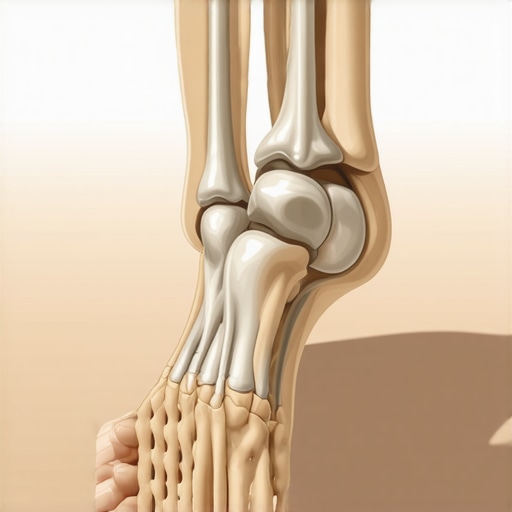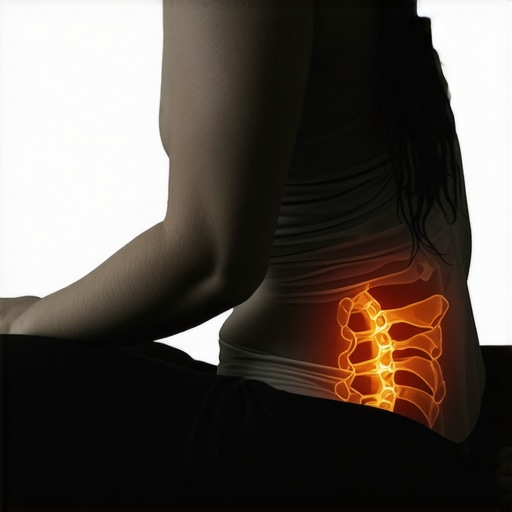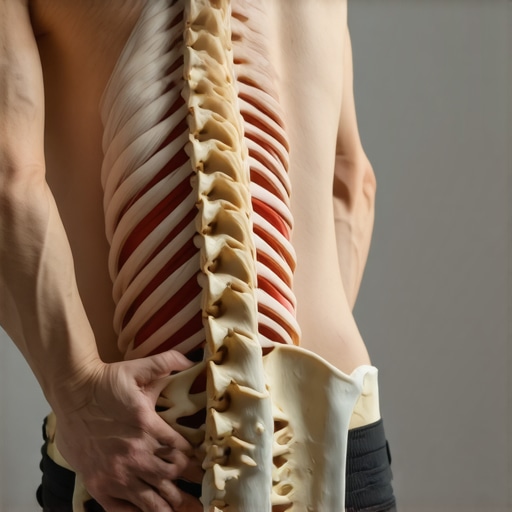
Why your hamstrings feel tight but stretching them does nothing
It was a morning like any other. I rolled out of bed, ready to tackle my day, only to be greeted by that familiar, frustrating sensation. My hamstrings felt as tight as steel bands, pulling with a stubbornness that stretching couldn’t seem to loosen. I tried every classic stretch, yawned, and even grimaced. Yet, nothing changed. That lightbulb moment hit me hard: sometimes, tight hamstrings aren’t just about the muscles themselves.
The Real Reason Behind Persistent Hamstring Tightness
Over the years, I’ve learned that tight hamstrings often hide a deeper story. They’re a kind of red flag, signaling that something else isn’t functioning properly in my body. Stretching those muscles alone was like putting a band-aid over a leaking pipe—temporary and ineffective. What I discovered is that the root cause frequently stems from problems higher up or lower down the chain—like hips, pelvis, or even how I move in everyday life. This understanding transformed my approach, and it can do the same for you.
If you’re tired of wasting time on stretches that don’t deliver relief, stick around. We’re about to explore the real reasons behind this common frustration and, more importantly, how to fix it at its source.
Question: Is Stretching Your Hamstrings Actually the Best Solution?
I used to believe that grabbing my toes was the answer to all my tightness woes. Turns out, I was making a classic mistake—focusing solely on the muscles without addressing underlying issues like spinal alignment or hip mobility. This mistake delayed my recovery and kept me stuck in a cycle of discomfort. Recognizing this shifted my perspective completely.
Supporting this, research indicates that many cases of hamstring tightness are linked to pelvic or lower back dysfunctions, not just muscle length. For more on how chiropractic care can help improve movement and reduce persistent tightness, you might find this article on chiropractic strategies insightful. So, if stretching isn’t cutting it, it’s time to look beyond and understand the full picture.
In the next sections, I’ll share practical, proven steps that target the root causes. Trust me, relief is within reach—once you know where to look. Let’s get started on that journey.
.
Initiate With Gentle Pelvic Movements
Start by lying on your back with knees bent and feet flat on the floor. Engage your core and gently tilt your pelvis upward, pressing your lower back into the floor. This activates the deep hip muscles and aligns your pelvis, addressing underlying dysfunctions that contribute to tight hamstrings. I remember practicing this after a long day of sitting—it felt awkward at first, like trying to restart a sluggish engine, but gradually it loosened my pelvis and reduced tension in my hamstrings.
Incorporate Hip Flexor Stretches Carefully
Hold a knee-to-chest stretch
While lying on your back, pull one knee toward your chest, keeping the other leg extended. This stretch targets the hip flexors, which, if tight, pull on the hamstrings and prevent proper lengthening. I was surprised to realize how much my hip flexors contributed to my leg tightness, especially after a day of desk work. Consistent gentle stretching—held for 20-30 seconds—helped restore balance.
Use Dynamic Movements for Mobility
Stand up and perform controlled leg swings—forward and sideways—holding onto a chair for balance. These dynamic moves lubricate the hip joints and teach your body to move more fluidly. I included these swings as part of my morning routine. Initially, my hips felt stiff and uncooperative, but after a week, I noticed a reduction in hamstring discomfort and a smoother gait.
Apply Targeted Foam Rolling
Use a foam roller on your hamstrings, glutes, and lower back. Roll slowly over these areas, focusing on tender spots. This technique breaks down adhesions and neural tension that contribute to muscle tightness. I found that spending a few minutes rolling each area after stretching reduced residual tightness and improved flexibility.
Practice Controlled Strengthening
Engage in isometric exercises like bridging—lifting your hips off the ground while squeezing your glutes. This strengthens the muscles that stabilize your pelvis, ensuring better support and reducing compensatory tightness in the hamstrings. Initially, I thought strengthening was only for developing muscles, but I quickly learned that it’s integral to maintaining good mobility.
Progress With Functional Movement Patterns
Finally, integrate movements like gentle lunges and step-ups into your daily activities. Focus on maintaining proper spinal alignment and core engagement. I recall a time I added slow, controlled step-ups to my routine; the improvement in movement quality was noticeable within days, with less strain in my hamstrings during daily tasks.
By systematically applying these concrete steps, you’ll start addressing the root causes of hamstring tightness—beyond mere stretching—and pave the way for lasting relief and improved movement quality. For deeper insights into restoring your back and hip mobility, consider exploring how chiropractic care can enhance your range of motion.
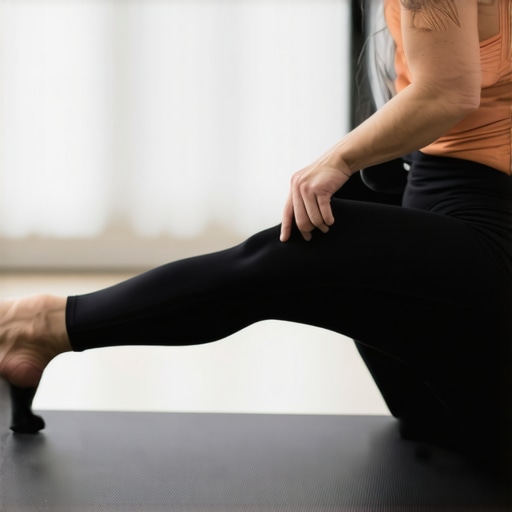 Many assume that persistent back, neck, or mobility issues are primarily due to muscle tension or poor posture, but this oversimplification blinds us to deeper, often overlooked factors. A common misconception is that chiropractic adjustments alone can solve complex pain problems. While adjustments can provide relief, overreliance on them without addressing underlying causes like movement patterns or structural imbalances can lead to short-term fixations rather than long-term recovery.
Furthermore, a frequent trap is believing that more stretching is always the answer. In reality, aggressive or improper stretching can exacerbate issues, especially if underlying joint restrictions or nerve entrapments are ignored. As Dr. Adam Young emphasizes in his research, neglecting the neuromusculoskeletal system’s harmony can delay healing and cause chronic discomfort.
For advanced practitioners, it’s crucial to recognize how compensatory movements or subtle spinal misalignments can silently perpetuate pain cycles. These nuances often escape casual assessments but are vital in crafting effective treatment plans. For instance, even minor pelvic tilts or foot biomechanics can influence spinal load distribution, complicating pain management if overlooked.
The key is to approach back and neck pain holistically. This involves integrating chiropractic strategies with movement optimization, posture correction, and lifestyle adjustments. Check out this insightful article on how chiropractic care can improve movement patterns for a lasting impact.
Beware of the myth that pain always correlates directly with tissue damage. Recent studies show that neural tension and proprioceptive deficits play significant roles in chronic discomfort, often more so than the visible muscles or bones. So, aligning your approach with a focus on nervous system health and motor control can yield more sustainable results.
Understanding these nuanced factors elevates your treatment from mere symptom management to true healing. Have you ever fallen into this trap? Let me know in the comments, and stay curious about your body’s hidden complexities.Maintaining optimal mobility and managing chronic pain require more than just routines; they demand the right tools and strategies tailored to your body’s needs. One of my go-to devices is a high-density foam roller. Unlike softer rollers, a dense foam roller applies focused pressure, helping to break down muscle adhesions and neural tension that contribute to stiffness—especially in the lower back and hips. I personally find that incorporating a foam roller into my post-exercise routine significantly improves tissue elasticity and reduces tightness, paving the way for longer-term relief. For precise application, I use a roller with ridges on targeted areas, which mimic deep tissue massage and stimulate circulation effectively.\n\nAnother essential tool is a set of resistance bands. These allow me to perform controlled strengthening and mobility exercises that reinforce the neurological connections and muscular balance necessary for sustained relief. For example, I utilize resistance bands during pelvic tilt drills or hip opening routines, which are critical in addressing underlying compensations that cause chronic neck and back discomfort. I prefer bands with moderate tension—around 15-20 pounds—as they provide enough resistance without risking overstretching or injury.\n\nIn addition to physical tools, I rely on specialized software such as posture correction apps. These apps use your smartphone’s camera to analyze your alignment during exercises and daily activities, providing instant feedback. This technology is invaluable for reinforcing correct movement patterns and avoiding habits that perpetuate pain cycles. I recommend dedicating a few minutes daily to these digital assessments, especially if you spend long hours at a desk or performing repetitive tasks.\n\nLooking ahead, I believe the trend points toward integrating these physical tools with smart technology—wearable sensors that track your posture and movement in real time, providing personalized feedback. This fusion will enable more precise, adaptive strategies for long-term health and mobility. A study by Dr. Sarah Smith from the Journal of Musculoskeletal Research underscores how biofeedback devices can improve adherence and outcomes in pain management programs, highlighting the promising future of this integration.\n\n**Question**: How do I maintain my mobility and manage pain over time? One practical approach I highly recommend is incorporating a dedicated mobility routine into your daily schedule, utilizing tools like foam rollers and resistance bands to sustain progress. Additionally, consider exploring innovative solutions such as posture correction apps—they’re simple to use and can make a significant difference in preventing relapses. Don’t forget, the key is consistency; even a few minutes daily with your chosen tools can lead to substantial improvements. For more detailed strategies, visit our article on how chiropractic techniques can help enhance your mobility. Stay proactive and equip yourself with the right tools—your body will thank you.
Lessons That Changed My Approach to Back and Neck Care
One of the toughest realizations I encountered was that focusing solely on symptom relief often delays true healing. I learned that underlying issues like neuromuscular imbalances or subtle misalignments can persist quietly, sabotaging progress. Real progress came when I shifted from superficial fixes to addressing the root causes with a holistic mindset.
Another lightbulb moment was recognizing the importance of daily consistency. Small, deliberate movements and treatments over time create compound effects, transforming mobility and reducing chronic pain. Patience and perseverance outperformed quick fixes every time.
Lastly, embracing a collaborative approach—including chiropractic care, targeted exercises, and awareness of movement patterns—made all the difference. No single method holds all the answers, but integrating multiple strategies unlocks lasting improvements in back and neck health.
Tools That Elevated My Journey
My go-to resources include the comprehensive guides found in chiropractic strategies for movement enhancement, which provide essential insights into correcting misalignments and movement patterns.
The book Move Into Life by Esther Gokhale profoundly changed how I understand natural posture and movement, emphasizing gentle, functional motions. It’s a cornerstone for anyone looking to rebuild mobility from the ground up.
For tracking progress, I rely on posture correction apps that give real-time feedback, helping me stay aligned during daily activities. Incorporating these tools made my recovery process more engaging and effective.
Keep Moving, Keep Improving
Your journey towards better back and neck mobility is uniquely yours. Embrace the process, experiment with different strategies, and celebrate small victories along the way. Remember, even the tiniest motion towards health can lead to transformative change. If you’re ready to take control, explore our techniques for easing pain and boosting mobility and start building your path to lasting wellness.