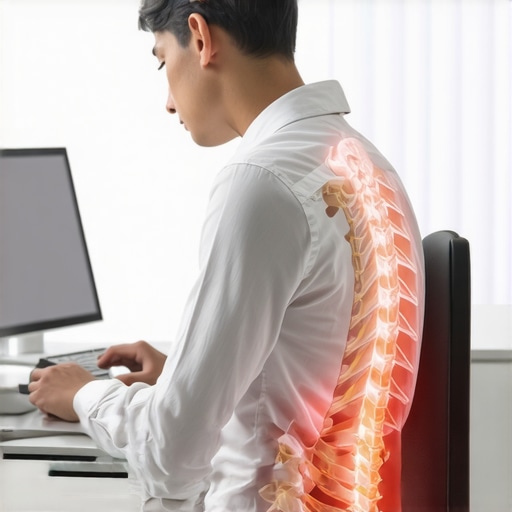
Why your old sneakers are the hidden cause of your knee and back pain
Have you ever experienced that sudden twinge in your knee while climbing stairs or felt a dull ache in your lower back after a long day? I remember one morning, I woke up expecting a routine day but was met with searing discomfort that seemed to come out of nowhere. It was then I realized something surprising: my trusty old sneakers, which I thought only served as footwear, might have been secretly sabotaging my mobility and causing chronic pain.
The Hidden Culprit: Old Sneakers and Their Role in Pain
Many of us overlook the importance of proper footwear. I used to wear the same sneakers for years, thinking they were comfortable, cheap, and convenient. But as I dug deeper, I learned that worn-out shoes can significantly alter your gait, putting unnecessary stress on your knees, hips, and back. This realization was a game-changer. I started paying attention to the shoes I wear and noticed a remarkable difference after switching to supportive, well-cushioned footwear.
Is Footwear Really That Important?
Absolutely. The foundation of our mobility begins from our feet. When shoes lose their structure and support, our bodies compensate, leading to misalignments and pain. In fact, a study published in the Journal of Foot and Ankle Research found that inappropriate footwear can increase the risk of experiencing musculoskeletal pain, including in common areas like the knees and back. Early on, I made the mistake of dismissing my footwear and thinking that my pain was purely related to posture or aging. Trust me, I learned the hard way that your shoes are a crucial piece of the puzzle.
Wondering if this applies to you? If you’ve been battling persistent aches despite good posture and regular stretches, your footwear might be the sneaky culprit. Next, let’s explore how to identify if your shoes are causing more harm than good, and what steps you can take to reclaim your comfort and mobility.
Assess Your Shoes for Hidden Damage
Start by inspecting your current footwear. Remove insoles and check the tread for uneven wear, especially on one side. If the heel is worn down more on one edge or the sole appears lopsided, your shoes are likely affecting your gait. I once neglected this step and kept wearing a pair with a crooked sole until a persistent knee ache forced me to replace them, which immediately reduced discomfort. Recognizing uneven wear is crucial because it indicates your shoes aren’t providing proper support, leading your body to compensate and causing pain.
Replace Old Sneakers with Supportive Alternatives
Choose the Right Fit
Go for shoes that fit snugly but comfortably, with enough room in the toe box. Try on shoes at the end of the day when your feet are most swollen to ensure they won’t be tight during daily activities. Remember, a proper fit prevents unnecessary pressure on joints, aligning your body intelligently and reducing strain.
Prioritize Support and Cushioning
Look for footwear with firm midsoles, arch support, and shock-absorbing insoles. I switched from worn-out sneakers to orthopedically supportive shoes and noticed my lower back ache softened significantly within days. If you’re uncertain, consult a specialist who can recommend suitable brands or custom orthotics, which are proven to improve gait and reduce pain.
Implement a Gait Correction Routine
Once you have supportive shoes, work on correcting how you walk. Mimic the feeling of your shoes’ support by consciously engaging your core and aligning your pelvis when walking. A simple trick is to imagine balancing on a tightrope—focus on keeping your hips level and avoiding overstriding. I practiced this during my daily walk and found my posture improved, and I felt less strain in my knees. For more advanced techniques, exploring [mobility mastery tips](https://quackersspinal.com/mobility-mastery-expert-tips-for-back-pain-prevention-and-recovery) can provide targeted exercises to improve gait and prevent future issues.
Track and Adjust Your Footwear Habits
Keep a log of when you replace shoes, typically every 6 to 12 months depending on wear. Rotate between two pairs to prevent overuse of a single pair that may wear unevenly. Regularly reassess your shoes’ condition and replace as needed. I learned this the hard way when ignoring wear patterns led to recurring aches, which only improved after a new, well-supported pair was introduced.
If pain persists despite these steps, consider consulting a professional. Visiting a chiropractor can help address alignment issues originating from improper footwear and gait mechanics. For tailored strategies, check out [chiropractic secrets for back mobility](https://quackersspinal.com/chiropractic-secrets-to-regain-full-mobility-after-injury).
Incorporate Strengthening Exercises
Complement your footwear improvements with exercises that strengthen foot and ankle muscles. Use resistance bands to perform ankle dorsiflexion and plantarflexion movements daily. Strengthening these muscles stabilizes your gait and reduces reliance on supportive shoes over time. I added ankle strengthening routines into my morning stretch, which enhanced my overall balance and reduced ankle fatigue, ultimately alleviating pressure on my knees and back.
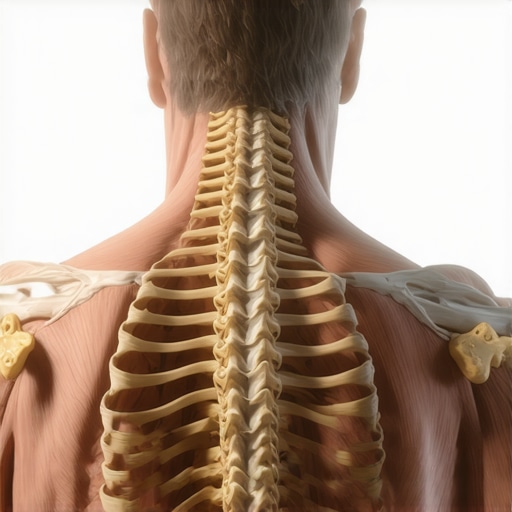
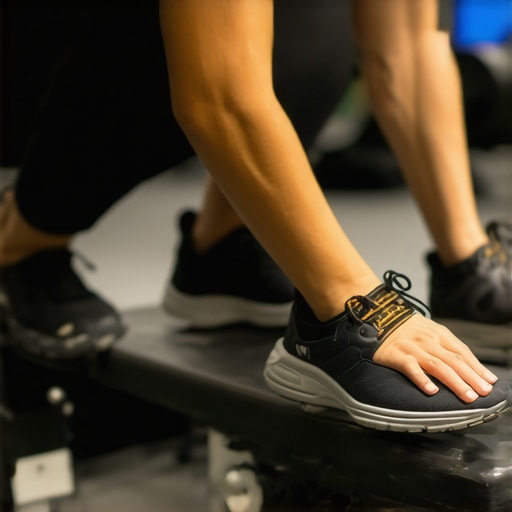 While many believe that simple stretches or quick fixes will resolve chronic back and neck issues, the reality is far more nuanced. A common misconception is that pain originates solely from the affected area, leading individuals to focus only on local treatments like massage or generalized exercises. However, emerging research highlights that spinal health is a complex interplay involving posture, movement patterns, and even foot mechanics. For instance, a study in the journal Spine emphasizes the significance of understanding global movement dynamics instead of isolated symptom treatment. Another trap many fall into is underestimating the role of proper spinal alignment; believing that pain is just aging or temporary neglects the potential for long-term correction through targeted chiropractic interventions. Plus, there’s a prevalent myth that visiting a chiropractor is mainly for quick relief, but in reality, consistent care and personalized strategies foster durable improvements. If you’ve tried a one-size-fits-all approach with limited success, you’re not alone. Instead of masking symptoms, a comprehensive approach that addresses underlying causes will serve you best. Want to explore how to avoid these pitfalls? Check out how chiropractic care can truly transform your mobility and pain levels. Don’t fall into the trap of ignoring your body’s signals; chronic pain is a complex message, not just an isolated issue.
Advanced Question: How does spinal misalignment influence neurological pathways contributing to pain and dysfunction?
Recent neurophysiological studies suggest that misalignments can alter nerve signaling and muscle activation patterns, exacerbating symptoms and delaying recovery. For an in-depth explanation, see this comprehensive guide to understanding back pain and proper posture. Recognizing these nuances helps us move beyond superficial treatments and targets the root causes for meaningful healing. Remember, knowledge is power—equipping yourself with a deeper understanding can pave the way for lasting relief. Have you ever fallen into this trap? Let me know in the comments.
Tools I Trust to Keep Your Body Moving
Maintaining mobility and alleviating pain over the long term requires not just knowledge but effective tools that support your wellness journey. I’ve personally found that integrating specific equipment and routines into daily habits makes a significant difference in sustaining results achieved through chiropractic care and targeted exercises. Here are the tools I recommend to keep your back and neck functioning optimally.
High-Quality Foam Rollers for Myofascial Release
For years, I relied on a dense, durable foam roller to help release tension in my lower back and hips. Unlike softer rollers, the rigid surface of a high-density foam roller penetrates deeper into my muscle fascia, helping to prevent chronic tightness. Regularly rolling my lumbar and pelvic regions alleviates stiffness and prepares my body for movement, reducing the risk of flare-ups. I suggest choosing a length of at least 36 inches for versatility and to facilitate full spinal rolls. Incorporating foam rolling into your routine daily or after long periods of sitting can maintain soft tissue flexibility, which is crucial for long-term relief.
Smart Posture-Cromponent Devices for Real-Time Feedback
To avoid reverting to poor habits, I use wearable posture correction devices that provide instant feedback when I slouch or lean forward — especially during desk work. These devices, like a posture sensor clip, vibrate gently to remind me to maintain spinal alignment. This real-time correction helps retrain my muscles over time, reducing reliance on external supports and promoting muscular endurance. For sustained benefits, I always pair these with awareness exercises shared in simple chiropractic hacks.
Adjustable Lumbar Supports for Ergonomic Seating
Proper support at my workstation makes a profound difference. I use a customizable lumbar pillow that adjusts in height and firmness, aligning my lower back as I sit. This simple adjustment prevents my pelvis from tilting forward and reduces strain on my spinal discs. If you’re spending hours seated, I recommend investing in a support that can be tailored to your body, because maintaining spinal neutrality while working is essential for preventing chronic pain.
Digital Mindfulness and Exercise Apps
I combine my physical tools with technology, utilizing apps that remind me to take breaks, perform mobility drills, and guide me through stretches. These routines typically include targeted movements for neck, thoracic, and lumbar regions, emphasizing proper form and gradual progression. Regular practice strengthens my muscles, improves posture, and prevents the recurrence of pain episodes. For enhanced results, explore programs that integrate evidence-based exercises, like those recommended in Mobility Mastery tips.
Designing Your Personalized Maintenance System
My strategy involves combining these tools with consistent chiropractic visits, concentrating on long-term gains rather than quick fixes. I schedule sessions every few months to assess my alignment and make necessary adjustments, ensuring my tools support ongoing health. As neurophysiological research indicates, maintaining proper spinal mechanics can positively influence nerve signaling, which underpins pain reduction and functional improvement (source). This integrated approach helps me stay active and pain-free, and I encourage you to develop your own toolkit based on what suits your lifestyle.
How Do I Maintain My Back and Neck Over Time?
Consistency is key. Regularly perform mobility exercises, use your supportive tools, and keep touchpoints with your chiropractor. Incorporate habits like foam rolling, posture awareness, and stretches into your daily routine. Remember, monitoring your progress and adjusting your tools as needed ensures sustained improvement. The future of pain management leans toward personalized, tech-supported routines that empower you to take control of your spinal health.
Imagine integrating these tools into your daily life—you’ll find your mobility improving and discomfort diminishing. Start with one item, like a foam roller or posture sensor, and build from there. Small, consistent efforts lead to lasting results. For detailed exercises and routines tailored to chronic neck and back pain, check out these proven strategies. Don’t wait—take action today to keep your body working the way it should!
Throughout my journey in understanding back pain and mobility, I’ve uncovered lessons that transformed my approach and could do the same for you. One of the most striking realizations was how often we overlook the profound influence of seemingly minor habits, like footwear choices, on our long-term health. A simple routine, such as regularly inspecting the wear patterns on shoes, can preempt chronic issues before they become ingrained. Additionally, I learned that patience and consistency in implementing supportive tools and exercises lead to sustainable relief, rather than quick fixes that fade away. Perhaps most unexpectedly, I discovered that understanding the neurophysiological connections between spinal alignment and nerve signaling offers deep insights into pain management, beyond just physical adjustments. Embracing this knowledge empowers you to take control of your mobility and reduces reliance on temporary remedies.