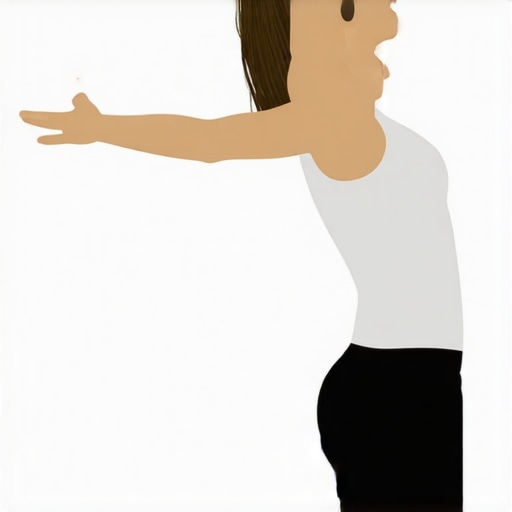
The simple move to fix your posture while standing in line
Ever been in a long line at the grocery store or DMV, feeling that familiar ache creeping into your neck or lower back? I remember one particular afternoon when I was stuck waiting for what felt like forever, and suddenly, that dull, persistent pain flared up again. It was then I realized—the way I was standing was a major culprit. I had been slouching, letting my shoulders roll forward, and my hips sway just enough to throw my alignment off. That realization was a lightbulb moment for me, and let me tell you, fixing my posture became more than just a chore—it’s now a quick, simple habit I practice daily.
A Hands-On Solution for Instant Posture Improvement
If you’re like me, spending time in lines or waiting without thinking often leads to poor posture and discomfort. But the good news is, there are straightforward moves you can do without any special equipment. These techniques help reset your spine, engage your core, and realign your head and shoulders—all in just a few seconds. I’ve tested them out myself, and they work wonders in reducing that nagging pain that seems to pop up out of nowhere. Today, I’ll guide you through these simple steps that’ll make a noticeable difference next time you’re stuck in that endless queue.
Is This Really Effective or Just Another Fad?
I used to dismiss quick fixes like this, thinking they were too simple to make any real change. Early on, I made the mistake of ignoring my body’s signals and assuming discomfort was just part of aging. This misguided assumption delayed my recovery and worsened my posture over time. But I’ve learned that consistent small adjustments—like properly aligning your posture while standing—are backed by experts. In fact, some quick chiropractic techniques can provide immediate relief and set the stage for longer-term improvements. For more on how minor habits affect back health, check out this resource.
So, if you’ve ever experienced that sudden stiffness or pain when you’ve been in line for a while, stick around. I’ll walk you through my favorite easy-to-remember move that can instantly improve your stance and prevent future discomfort. Ready to stand tall and feel great even in the longest lines? Let’s get started with the first step.
**
Quick Fixes to Reset Your Posture Instantly
When you find yourself stuck in line, your body tends to slump, shoulders rounding forward, head tilting down—the classic sign of poor alignment. To counter this, stand with your feet hip-width apart, gently engaging your core by pulling your belly button towards your spine. Imagine tightening a corset around your waist—this stabilizes your pelvis and supports your lower back. Then, lift your chest slightly and draw your shoulders back, as if you’re trying to hold a pencil between your shoulder blades. This small adjustment helps realign your spine, reducing strain and preventing pain from worsening. I applied this technique during a recent grocery trip when I felt my neck tighten from leaning forward; within seconds, my posture improved, and discomfort diminished.Many people think they fully understand neck pain and the benefits of chiropractic care, but beneath the surface lie misconceptions that can hinder true recovery. For instance, a common myth is that all neck pain stems purely from muscle strain, leading individuals to overlook the underlying spinal alignment issues that might be at play. As an expert in spinal health, I’ve seen how focusing solely on muscle relief without addressing joint misalignments can result in short-term alleviation but long-term persistence of symptoms. This is where specialized chiropractic techniques, like those detailed in chiropractic hacks, offer targeted solutions.
Another misconception involves mobility exercises. Many believe stretching is universally beneficial, but improper or overzealous stretching can actually exacerbate neck and back pain, especially if done without proper guidance. For example, aggressive neck stretches might temporarily improve flexibility but can also strain compressed nerves or worsening joint instability if done incorrectly. Recognizing the subtle differences in mobility interventions, and understanding their proper applications, is essential for sustained relief. Expert tips on mastering back and neck mobility can be found in mobility mastery resources.
*What many overlook* is that underlying postural habits and spinal joint health are critical in the maintenance of neck and back wellness. For example, poor ergonomic setups, habitual forward head posture, or uneven gait patterns can be overlooked causes of chronic discomfort. Correcting these requires a nuanced approach that combines chiropractic adjustments with movement education—something that can’t be achieved through generic stretches or pills alone. As highlighted in this comprehensive guide, the synergy of posture correction and mobility work produces superior results.
Be cautious about quick fixes; some therapies or exercises promising instant relief may neglect deeper alignment issues. For instance, self-administered cracking or over-reliance on foam rollers without professional guidance can create micro-injuries or instability. Instead, integrating tailored chiropractic care with movement strategies ensures safe and lasting improvements.
In summary, understanding the nuances in neck pain and mobility involves more than grasping basic anatomy. It’s about recognizing the intricate dance between joint alignment, muscular support, and habitual patterns. Deep knowledge and precise application are what truly make a difference in long-term spinal health. Click here to explore expert strategies for sustainable back and neck wellness.
Have you ever fallen into this trap? Let me know in the comments.
Maintaining your spinal health over time isn’t just about occasional stretches or visits to the chiropractor; it requires the right tools and consistent habits. From ergonomic equipment to specialized devices, having the proper gear can make a significant difference in how well your back and neck stay functional and pain-free. I personally rely on a few key tools that I’ve found invaluable for preserving mobility and preventing setbacks.
My Favorite Ergonomic Workspace Setup
First and foremost, I invest in an adjustable standing desk, which allows me to switch between sitting and standing throughout the day. This simple change reduces pressure on my lumbar spine and encourages better posture. Proper monitor height is crucial—I ensure my screen is at eye level, preventing me from leaning forward and straining my neck. An adjustable monitor arm makes this easy and helps maintain alignment. For me, this setup has noticeably minimized daily discomfort and has become a cornerstone of my long-term wellness routine.
Essential Mobility Aids and Tech
Beyond ergonomic furniture, I incorporate tools like foam rollers and massage balls to keep my muscles supple. When used correctly, these tools help break down fascia restrictions and improve circulation—reducing the risk of chronic tightness that can lead to pain. I also use a cervical traction device, which gently decompresses my neck after long hours of screen time. According to a study on cervical health, sustained gentle traction can relieve nerve pressure and enhance mobility when used regularly.
In recent years, wearable tech like posture trackers has also become invaluable. These devices vibrate gently when I slouch or deviate from optimal alignment, providing real-time feedback that encourages better habits. Devices such as Upright or Lumo Lift have helped me internalize proper positioning and reinforce good postural behaviors. This continuous reminder system is a game-changer for long-term maintenance.
Where does this all head in the future?
I’m optimistic about how emerging technologies will further personalize our spinal health strategies. Smart devices integrated with AI might soon adapt to our habits, offering tailored exercises and corrective cues. Virtual reality could provide immersive mobility training, making rehab more engaging and effective. As research advances, we can expect even more precise, user-specific interventions that seamlessly fit into daily life.
How do I sustain my mobility and spinal health long-term?
The key lies in consistency and listening to your body. Incorporating these tools into your daily routine—alongside regular movement and proper ergonomics—ensures lasting benefits. Remember, no single device will work wonders without consistent effort. For deeper insights into maintaining mobility and preventing setbacks, I recommend exploring this resource. Try integrating one of these advanced tools today and notice how it transforms your ability to stay active and pain-free over time.
Over the years, I’ve realized that the journey toward better spinal health isn’t just about quick fixes or isolated exercises; it’s about embracing a deeper understanding of our habits and the subtleties of alignment. One of my toughest lessons was recognizing how easily complacency sneaks into our routines, leading us to overlook small but impactful changes that can prevent chronic pain. Learning to listen to these signals—and acting promptly—has been a game-changer. Another insight was understanding that effective relief often comes from personalized, expert-guided strategies rather than generic advice. This realization encouraged me to invest in real solutions like targeted chiropractic care and ergonomic adjustments, which have yielded lasting results. Lastly, I discovered that building awareness around everyday movements and postural habits empowers us to maintain long-term mobility. Small mindful adjustments—like proper desk setup or simple standing postures—compound over time, transforming our overall health. These lessons have reshaped my perspective and underscored that lasting change requires patience, knowledge, and consistent effort. I hope sharing these insights inspires you to approach your spinal health with curiosity and dedication, ultimately leading to sustained comfort and mobility.