Why you should never sit with a wallet in your back pocket
Ever experienced that nagging ache in your lower back after a long day? I used to shrug it off as just part of aging or a hectic schedule. But one day, I had a lightbulb moment that changed everything—realizing that something as simple as my wallet was silently sabotaging my spine.
Why a Wallet in Your Back Pocket Can Be More Than Just Uncomfortable
It might seem harmless to keep your wallet in your back pocket, especially if you’re on the go or trying to minimize what you carry. But over time, this habit can lead to serious issues like misaligned hips, chronic back pain, and even nerve impingements. I learned this the hard way, noticing how the dull ache in my lower back worsened whenever I sat for extended periods. The realization hit me when I observed that my wallet was always there, snug in my right pocket, pushing my pelvis out of its natural position.
Many people don’t realize that sitting with a wallet can cause a tilt in the pelvis, leading to imbalance and strain on the spinal discs and muscles. According to recent studies, even mild asymmetries in posture can cause long-term discomfort and mobility issues if left unaddressed. My mistake early on was dismissing this habit as trivial. If I had known then what I know now, I would have tackled the root cause sooner and avoided unnecessary pain.
What You Can Expect to Learn
Today, I’ll share proven strategies to identify and correct this common yet overlooked mistake. We’ll explore why it matters to your spinal health, how to spot the signs early, and simple adjustments you can make to protect your back. If you’ve ever felt that nagging discomfort after sitting, this guide is for you.
Have you ever caught yourself sitting with a wallet in your back pocket, not realizing the hidden toll it takes on your body? If so, you’re not alone. Many of us fall into this trap without knowing its impact. The good news is, with a few mindful tweaks, you can prevent pain before it takes hold.
Let’s dive into the real reasons why this habit can be damaging and what you can do to sit smarter today. For more tips on easing neck and back discomfort, check out our expert methods at https://quackersspinal.com/relieve-neck-back-discomfort-using-these-expert-methods. And if you’re wondering whether it’s worth addressing these subtle issues, I can tell you—your future mobility will thank you.
Adjust Your Sitting Technique for Better Spinal Health
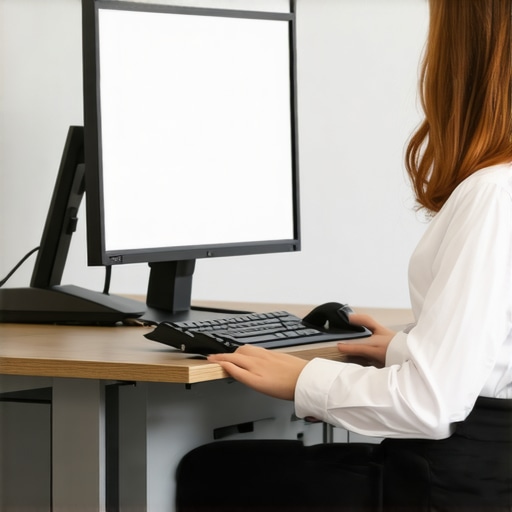
To prevent the pelvis from tilting unevenly, start by sitting with your hips all the way back in the chair, ensuring contact and support under your thighs. Place both feet flat on the ground, shoulder-width apart, to stabilize your pelvis. Avoid crossing your legs, which can exacerbate asymmetry, and periodically shift your weight from one side to the other to maintain balance. I once caught myself slouching and noticed my wallet was still in my back pocket; after removing it and adjusting my sitting posture, I felt an immediate relief—confirming how a simple habit impacts spinal alignment.
Use a Posture Reminder SystemTransition to Portable Lifestyle Changes
Switching your wallet from the back pocket to an inside bag or front pocket reduces pelvic tilt caused by insertion asymmetry. When carrying a bag, keep it evenly balanced on both shoulders or use a backpack designed with lumbar support. At home or in the office, prioritize ergonomic seating—adjust your chair height so your knees are level with your hips, and use lumbar support if needed. Personally, I started carrying only essentials in my wallet and stopped slipping it into my back pocket; this small change, combined with conscious sitting habits, significantly alleviated my back pain. For comprehensive tips on spinal alignment and mobility, visit this resource.Many people believe that chiropractic adjustments are a quick fix for back or neck pain, but this oversimplification overlooks critical nuances. The common myth that a single chiropractic session can permanently resolve complex spinal issues can lead to frustration and mismanagement. In my experience, effective treatment involves understanding the nuanced relationship between spinal health, mobility, and underlying habits. For example, focusing solely on adjusting vertebral misalignments without addressing postural habits or movement patterns often results in recurrent pain. This is why a comprehensive approach, including mobility exercises and lifestyle modifications, tends to produce better outcomes.
What are the potential pitfalls of relying exclusively on spinal adjustments?
Relying only on adjustments without ergonomic corrections or strengthening routines can create a false sense of security. Patients might delay making necessary lifestyle changes, such as improving workstation ergonomics or strengthening core muscles, which are essential for long-term spine health. Studies have shown that the most successful outcomes come from integrated programs combining chiropractic care with movement therapy and patient education. For instance, understanding the hidden link between neck pain and spinal posture can dramatically improve treatment strategies, as discussed in detail at this resource. Moreover, neglecting to recognize the role of habitual habits—like carrying heavy bags or poor sitting postures—can undermine even the best chiropractic interventions.
Why do many patients overlook the importance of movement variability?
Movement variability, or the ability to move in multiple directions and through different ranges, is a crucial aspect of spinal resilience. Many individuals develop stiffening patterns, often unconsciously, due to sedentary lifestyles or repetitive movements. This reduction in mobility can make the spine more susceptible to pain and injury. Advanced approaches recommend not just focusing on static adjustments but enhancing mobility through targeted exercises, which may be more effective in the long run. For expert tips on improving your spine’s resilience, visit this article.
Are some chiropractic techniques potentially harmful when misapplied?
Indeed, some advanced techniques, if improperly performed or overused, can cause adverse effects. High-velocity manipulations, for instance, require precision and should always be administered by trained professionals. Overapplication or aggressive adjustments may lead to soft tissue injuries or neurological symptoms. Therefore, understanding which methods are appropriate for your specific condition is vital. Always consult experienced clinicians who emphasize a holistic approach, integrating adjustments with biomechanics correction and patient education. This comprehensive view aligns with the latest research on spinal health, such as the findings in this resource. Remember, effective care is about tailored, nuanced strategies rather than one-size-fits-all solutions. Have you ever fallen into this trap? Let me know in the comments.Maintaining long-term spinal health requires more than occasional adjustments; it involves investing in the right tools and routines that support your progress daily. One of my personal essential tools is a high-quality foam roller, specifically the TriggerPoint GRID. I use it nightly to release muscle tension in my back and hips, preventing stiffness that can lead to pain. Unlike cheap rollers that can cause more harm, the GRID’s textured surface helps effectively target trigger points without overstimulation, promoting better mobility and circulation. Additionally, I incorporate adjustable lumbar supports into my workspace, such as the BackJoy SitSmart, which keeps my lower back in proper alignment during extended sitting periods. This simple addition has significantly reduced my lower back discomfort and improved posture over time. For strengthening, I rely on a resistance band set like the Theraband CLX, which allows me to perform targeted exercises that improve core stability and spinal support without expensive gym memberships. I personally favor resistance bands over weights because they provide variable resistance and safer, joint-friendly options. Regarding software, I’ve found that posture reminder apps like Ergonomics 2.0 help me stay mindful of my alignment throughout the day. Setting reminders every 20 minutes encourages me to check and correct my sitting posture, preventing habit formation that can cause pain down the line. As trends in health technology progress, integrating wearable devices such as the Upright Go 2—an unobtrusive posture trainer—might become standard practice for continuous biofeedback and accountability. These tools don’t just provide immediate relief; they promote sustainable habits, making spinal health an integral part of your lifestyle. How do I maintain my mobility over time? Consistency is key, combined with using the right equipment to reinforce proper movement patterns and postures daily. For example, regularly performing mobility drills such as the deep squat with a resistance band or the doorway stretch can unlock tight muscles and restore your range of motion. I encourage you to try a targeted mobility routine, like the one detailed in our guide on restoring your movement, to keep your spine flexible and healthy. Remember, cutting-edge tools and consistent habits are the foundation for a resilient spine. To make lasting gains, incorporate these instruments into your routine—your future self will thank you for it.
Over the years, I’ve discovered that real progress in spinal health comes from embracing nuanced insights rather than quick fixes. One of the toughest lessons I learned was that habits like carrying a wallet in your back pocket can silently sabotage your posture, a detail easily overlooked but deeply impactful. Recognizing this shift in understanding pushed me to prioritize small, mindful changes that compound into significant relief, reaffirming that consistency beats intensity when it comes to back and neck wellness. Additionally, I realized that relying solely on treatments without addressing underlying movement habits is like patching a leaking pipe without fixing the root. This insight transformed my approach into one that combines adjustments, mobility exercises, and lifestyle tweaks for sustainable benefits. Lastly, understanding that tools and routines—like ergonomic supports and targeted stretches—are not just accessories but vital components of a resilient spine has empowered me to maintain long-term health, inspiring others to do the same.