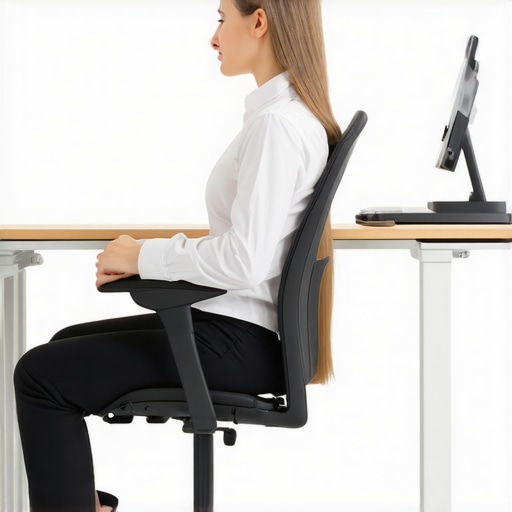
The 90-Degree Rule for Office Chairs That Prevents Sciatica
It was a typical Monday morning when I realized I couldn’t ignore the nagging pain in my lower back anymore. Sitting at my desk, I felt a dull ache morph into sharp discomfort, and I knew I had to do something. That lightbulb moment led me down a path of discovery about the importance of proper posture, especially when it comes to office chairs. I used to think my chair just needed a better cushion or a stronger backrest, but what I didn’t realize was that a simple rule—keeping my hips and knees at a 90-degree angle—could make all the difference in preventing sciatica and chronic pain.
Why Your Office Chair May Be Sabotaging Your Spine
Many of us spend hours sitting each day, often unknowingly setting ourselves up for long-term discomfort. The problem isn’t just the sitting itself but how we posture ourselves. If your chair doesn’t support your natural spinal curve or causes your hips to tilt forward or backward, you might be unknowingly aggravating your sciatic nerve. That persistent pain, numbness, or tingling down your leg? It could be linked to poor sitting habits and misaligned hips, making the simple act of working at your desk a source of ongoing agony.
Here’s the honest truth: I made the mistake early on of ignoring the importance of seat height and positioning. I thought a fancy chair was enough, but without applying the 90-degree rule—ensuring your hips, knees, and ankles are all roughly at a 90-degree angle—I was just asking for trouble. Trust me, small adjustments can lead to tremendous relief. For more insights on correcting poor posture, check out this effective guide. But how do you know if you’re doing it right?
Is the 90-Degree Rule Actually Worth the Hype?
I’ll admit, I was skeptical at first. I wondered if a simple angle could really impact my sciatic pain. The truth is, it’s not just hype; it’s backed by experts in spinal health. Maintaining that ergonomic position helps distribute weight evenly, reduce pressure on the lower back, and keep your hips aligned—ultimately preventing nerve compression. But implementing this rule isn’t always straightforward, especially when trying to adapt your current workspace.
If you’re like me and want practical ways to improve your sitting habits, it’s worth exploring how minor modifications in your chair setup can lead to significant improvements. It’s about more than comfort—it’s about protecting your spinal health and staying active longer without pain. Ready to discover the specific steps to take? Let’s dive into how you can optimize your sitting posture and prevent that fiery sciatic flare-up.
Start with Precise Seat Adjustments
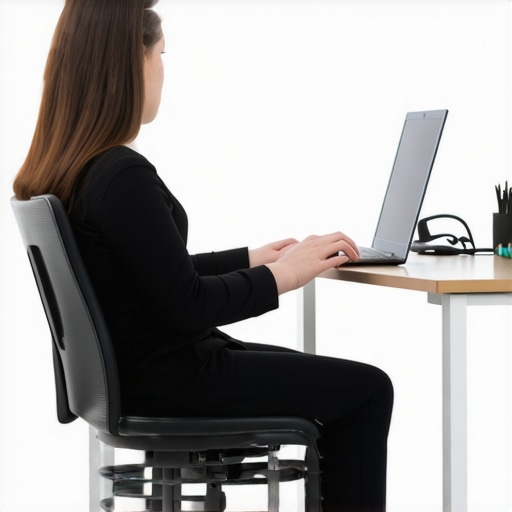
First, set your chair height so your hips are level with or slightly above your knees. Use a adjustable chair or stack books under your feet if necessary. This positioning prevents hips from tilting forward, reducing pressure on your lower back. I once spent hours with my feet dangling, causing my pelvis to tilt and pain to escalate. After correcting my seat height, I noticed immediate relief and felt more balanced.
Align Your Pelvis Properly
Ensure your pelvis is in a neutral position—no tilting forward or back. Sit back fully in your chair, using lumbar support if needed. A pillow or lumbar roll can help maintain natural spinal curves. I experimented with a rolled towel behind my lower back, which noticeably improved my comfort over the course of a day. Proper pelvic positioning directly impacts the tension on your sciatic nerve and can eliminate persistent numbness.
Optimize Your Posture During Work
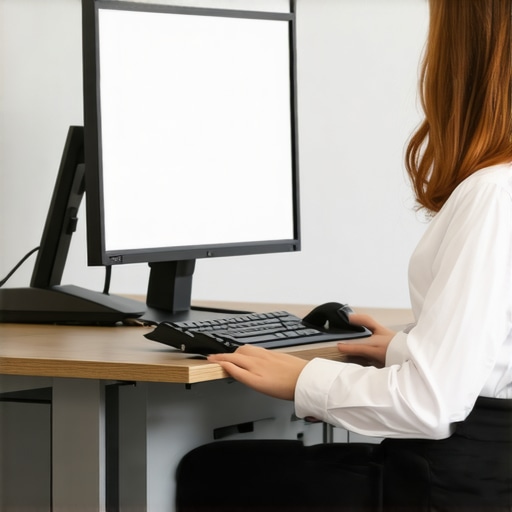
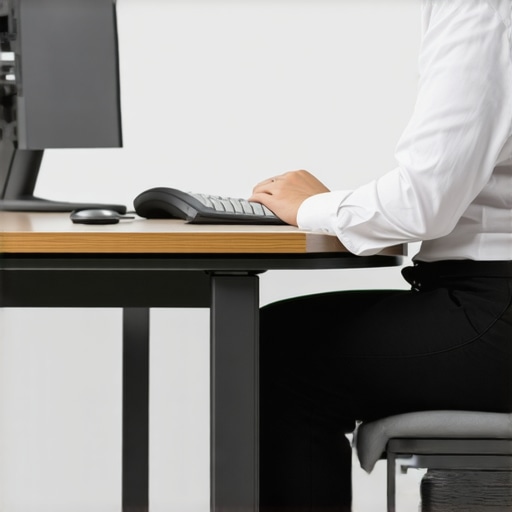
Keep your monitor at eye level to avoid craning your neck. Position your keyboard and mouse close so your elbows stay at approximately 90 degrees, reducing shoulder strain. When I consciously kept my monitor at eye level and kept my wrists straight, I noticed a significant decrease in neck tension and headaches.
Implement Micro-Movements to Prevent Stiffness
Every 20-30 minutes, stand up and stretch or walk briefly. Incorporate stretches like the seated spinal twist or shoulder rolls. I found that these tiny movements improve circulation and keep joints mobile, preventing stiffness that often aggravates underlying neck and back issues. For detailed mobility strategies, consider visiting this resource.
Adopt Proper Sitting Habits with Ergonomic Tools
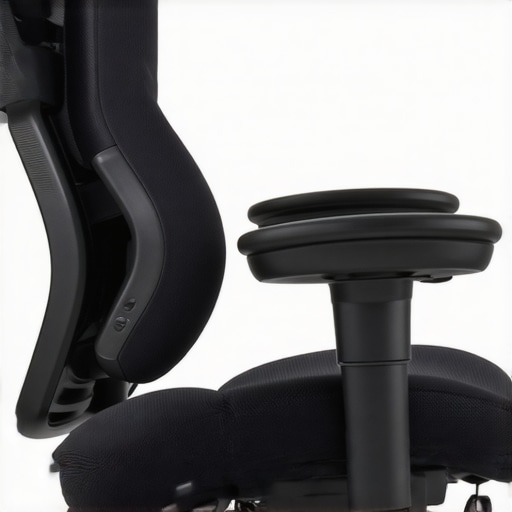
Use ergonomic accessories like adjustable footrests, monitor risers, or ergonomic keyboards to maintain proper alignment. Adjust your chair’s backrest to support the lumbar curve fully. I attached a lumbar cushion and experienced immediate relief, highlighting how small tools can reinforce good habits.
Incorporate Breathing and Core Stabilization
Practice diaphragmatic breathing to reduce muscle tension. Engage your core muscles gently to support your spine during prolonged sitting. I practiced deep breathing during quick breaks, which lowered my stress levels and eased muscle tightness around my neck and shoulders. Regular core engagement acts like a natural brace, supporting your pelvis and spine throughout the day.
Seek Professional Guidance When Needed
If persistent pain remains, consult a chiropractor to assess your spinal health. They can provide tailored adjustments and mobility exercises. I visited this clinic after weeks of trying to self-correct, and their adjustments made a notable difference in my posture and pain levels.
Remember, these steps aren’t quick fixes but integrated habits that promote ongoing spinal health. Consistently applying these methods can transform your workday from painful to comfortable, helping you stay productive and pain-free.
Many people believe that if they just get a quick massage or take some painkillers, their neck or back pain will disappear. But as an expert in spinal health, I’ve seen that these common approaches often miss the deeper issues. One overlooked nuance is that most individuals focus solely on symptomatic relief, neglecting the root causes like movement patterns, postural habits, or underlying joint dysfunction. This oversight can lead to persistent pain cycles and even worsen the problem over time.
A widespread myth is that all chiropractic adjustments are equally effective for everyone. In reality, the effectiveness depends heavily on personalized diagnostics and understanding the unique biomechanics of each person. For example, a study published in the Journal of Manipulative and Physiological Therapeutics highlights that targeted, tailored treatments yield better long-term outcomes than generic adjustments, emphasizing the importance of precise evaluation.
Are You Ignoring Movement Quality and Neuromuscular Control?
Discovering and correcting movement dysfunctions is crucial. Many assume that strengthening muscles alone will resolve pain, but without addressing neuromuscular control, imbalances persist. Functional movement assessments can reveal subtle compensations, such as improper firing patterns of stabilizing muscles, which contribute to chronic discomfort.
Beware of the trap of static stretching as a primary remedy. While flexibility is important, over-softening tight muscles without improving joint stability can lead to increased injury risk. Instead, a comprehensive approach should include motor control exercises that retrain proper movement patterns, something I often recommend to my clients via detailed mobility strategies.
Considering advanced questions, like how neuromuscular adaptations influence chronic pain, can significantly enhance treatment efficacy. For deeper insights, exploring expert advice on stabilizing movement and neuroplasticity can be transformative. If you’re curious about integrating these nuanced techniques into your recovery plan, I suggest reviewing our detailed guide on back pain recovery and how chiropractic care can support these processes — visit this link for more.
A common mistake I see is patients rushing into aggressive interventions without thorough assessment. This can cause misaligned expectations and even exacerbate the pain. Always opt for a holistic, individualized approach—focusing on improving both structural alignment and movement quality—for enduring relief. For personalized guidance, don’t hesitate to reach out. Remember, understanding the intricacies of your spine and nervous system leads to smarter recovery decisions.
Have you ever fallen into this trap? Let me know in the comments.Maintaining your spinal health and mobility over time demands more than just good habits; it requires the right tools and methods to support your journey. One of my top recommendations is an adjustable ergonomic chair with customizable lumbar support. I personally use the Herman Miller Aeron because it allows precise adjustments to seat height, tilt, and lumbar support, enabling me to maintain optimal posture during long workdays. This tool has been instrumental in preventing recurring back pain and supports healthy spinal curves.
Alongside a quality chair, incorporating a foam roller like the RumbleRoller is vital for my daily mobility routines. I use it for my thoracic and lumbar regions to release fascial restrictions and improve tissue elasticity. Regular self-myofascial release not only guards against stiffness but also enhances circulation, promoting long-term recovery. For mobility drills, I rely on an Excel Kettlebell which I’ve used for years to perform controlled swings and stabilizer strengthening exercises. Its ergonomic handle and balanced weight help me engage my core effectively, supporting my lumbar stability and preventing injury.
Technology plays a supportive role too. I recommend a posture assessment app like Upright to track your sitting habits and remind you to correct your position. These apps utilize sensors to analyze your ergonomics and provide personalized feedback, making it easier to sustain good habits. Over time, consistent use of such tools cultivates awareness and keeps your spinal health on track.
Prediction suggests that future advancements in smart wearable devices will further personalize spinal care, integrating real-time biofeedback to optimize posture dynamically. As technology evolves, we’ll be better equipped to intervene early, preventing chronic issues from developing.
How do I maintain neck and back mobility in the long run? The key is integrating regular mobility exercises, like the simple Pigeon Pose, into your daily routine, and using tools like lumbar supports and self-myofascial release tools efficiently. If you’re ready to take that next step, I highly suggest trying a combination of an ergonomic chair upgrade and daily foam rolling to sustain your progress. Remember, consistency is crucial—small daily investments lead to lasting results. For more detailed strategies, check out this resource.
Remember, the right tools empower you to stay proactive. Don’t hesitate to explore advanced modifications that suit your lifestyle, and consider professional guidance when needed. To get personalized recommendations tailored to your unique needs, visit this contact page today.
Why I Was Missing the Real Cause of My Pain
One of the biggest lessons I learned is that pain isn’t always about the obvious injury or discomfort. Often, the root lies in unnoticed movement habits or subtle misalignments. For me, neglecting small posture cues snowballed into persistent sciatic pain, showing me the importance of paying attention to the details.
How Personal Experience Shaped My Approach to Spinal Health
Dealing with my own back discomfort taught me to prioritize personalized solutions over generic advice. This experience made me realize that the most effective strategies are tailored—addressing unique biomechanics and daily habits—leading to lasting relief rather than temporary fixes.
The Power of Small Adjustments and Consistent Habits
I’ve come to appreciate that tiny changes—like setting my monitor at eye level or incorporating brief mobility breaks—can have a profound impact over time. Consistency in these small actions creates a cumulative effect, transforming overall spinal health and preventing future pain.
Curated Tools That Made a Difference for Me
Using ergonomic chairs like the Herman Miller Aeron helped me maintain proper posture, preventing unnecessary strain. Self-myofascial tools like foam rollers allowed me to release fascial restrictions and improve tissue elasticity. And digital tracking apps kept me aware of my sitting habits, reinforcing good posture routines. These tools collectively supported my journey toward a pain-free back.
Embrace Your Healing Path and Stay Curious
The road to lasting neck and back health is ongoing. It requires curiosity, commitment, and a willingness to adapt. Remember, what worked for me might inspire your own unique approach. Always seek professional guidance when needed, and keep exploring new methods to enhance your mobility and spinal resilience.