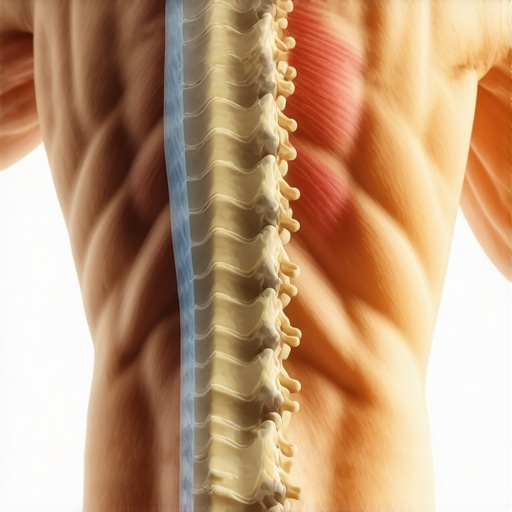
I remember the exact moment I realized my relentless workday on concrete was taking a toll. It was after a long shift—you know that dull, persistent ache that slowly becomes a sharp, stabbing pain in your lower back? I struggled to stand upright, feeling like my spine was a fragile stalk about to snap. That lightbulb moment hit me hard: my daily habit of walking, standing, and shuffling across endless concrete surfaces was slowly destroying my lumbar health.
The Real Cost of a Concrete-Heavy Day
Like many of you, I used to brush off those aches, thinking they were just part of ‘hard work.’ But over time, those pains turned into chronic discomfort, limiting my mobility and making even simple tasks feel daunting. I realized that ignoring proper back care wasn’t just risking a temporary annoyance; it could lead to serious issues like herniated discs or long-term postural problems. My personal experience became a wake-up call—concrete floors are unforgiving and can silently sabotage your lumbar spine if you’re not careful.
What I didn’t know then was that many of us are unknowingly creating habits that contribute to spine degradation—whether it’s at work, home, or during daily errands. The good news? There’s hope. I discovered evidence-based strategies that helped me turn things around. Today, I want to share how understanding the dangers of constant concrete walking and implementing mindful mobility techniques can save your back from years of unnecessary pain. And trust me, this isn’t just theory—I’ve been there, and I’ve learned what truly works.
Is Consistently Walking on Concrete Actually Worth the Hype?
Early on, I made the mistake of thinking I just needed a better pair of shoes or an ergonomic mat. I believed that my back pain was inevitable, part of the ‘wear and tear.’ But the truth is, I was overlooking how my daily habits—like poor posture during long standing periods—were accelerating deterioration. An important fact I came across is that standing on hard surfaces can increase spinal compression by up to 20%, leading to more pain and stiffness (source: Back Pain Recovery).
This realization pushed me to delve deeper into mobility and posture correction techniques, which have been game-changers. So, do you often find yourself sore after a long workday? Or perhaps your back feels tight even when you’re not working? If so, you’re not alone—many people face the same struggles without knowing there’s a proactive way to tackle them.
Now, let’s explore how simple adjustments and targeted exercises can drastically reduce your back pain and help you regain freedom of movement. Are you ready to stop suffering in silence and start moving with ease? If so, keep reading; your back will thank you.
**
,
Prioritize Dynamic Movements Throughout the Day
Start incorporating simple, controlled movements into your routine—like hip circles, gentle twists, or calf raises—every hour during your shift. I vividly remember one day when I set a timer on my phone for every 30 minutes; I would do 10 slow hip rolls and a few ankle circles. The result was a noticeable decrease in stiffness by the end of the day. These micro-movements prevent static postures that stiffen your spine, just like oil prevents a machine from grinding to a halt.
Stretch Your Hip Flexors and Hamstrings
Tight hip flexors and hamstrings pull on your pelvis, throwing your lumbar spine out of alignment. I recommend the kneeling lunge stretch for hip flexors—step one foot forward, keep your back knee on the ground, and gently push your hips forward. Hold 30 seconds and switch sides. I practiced this after a long shift, and within a week, I felt less lower back tension. Regularly stretching these muscles restores balance, much like tuning a guitar ensures its strings are in harmony.
Strengthen Your Core with Purposeful Exercises
Your core is the foundation of your back health. Implement exercises like bird-dogs or planks, focusing on quality movements over quantity. I once spent a morning practicing bird-dogs, focusing on engaging my abs and glutes correctly. At first, it was a bit messy—arms and legs wobbling—but over time, I felt my back become more resilient. Think of your core as the braces on a building: strong support keeps everything upright, reducing strain on your lumbar spine.
Optimize Your Posture During Breaks and Commutes
Use ergonomic principles even during short stretches. For example, when waiting in line, stand with feet shoulder-width apart, knees slightly bent, and distribute weight evenly. During commutes, adjust your car seat to support your lumbar curve—I’ll admit, it took me a few tries to find that sweet spot. Proper posture minimizes undue compression on the discs and ligaments, just like a well-maintained suspension system smoothens a bumpy ride.
Dedicated mobility routines, such as the quick 2-minute spine stretches, can be game changers. I started doing these routines twice a day, especially after noticing persistent stiffness. These movements loosen tight muscles and improve joint function, much like routine oil changes keep a car running smoothly. For tailored guidance, consider consulting experts or exploring resources like Mobility Mastery Tips.
Seek Professional Help for Persistent Discomfort
When pain persists despite your efforts, a professional assessment becomes vital. I reached out to a chiropractor after a week of these habits; their targeted adjustments and advice finally relieved lingering discomfort. Chiropractors can identify specific restrictions or misalignments that impede mobility, acting like a mechanic diagnosing a stubborn engine. Get in touch at Contact Us for expert advice tailored to your needs.
Commit to a Consistent Routine
Consistency is key. Every new habit, no matter how small, compounds over time. I found that setting daily reminders and tracking my progress enhanced my commitment. It’s like watering a plant—regular care yields stronger growth. Invest in your back health today by integrating these actionable steps; your future self will thank you for it.Many believe that neck pain and limited mobility are straightforward issues rooted solely in muscle strain or poor posture, but as an expert in chiropractic care, I can tell you there’s more nuanced complexity involved. A common misconception is that regular stretching alone can resolve chronic pain, yet studies show that overzealous stretching without proper diagnosis may actually worsen conditions, especially when movement is not tailored to the underlying cause (source: Mastering Back and Neck Pain Relief).
Another trap many fall into is thinking that immediate relief from chiropractic adjustments indicates the root problem is cured. However, post-adjustment, if you return to habitual poor ergonomics or neglect mobility exercises, the pain will likely return. True long-term results come from integrating targeted mobility routines, as outlined in Mobility Mastery Tips, with appropriate chiropractic care.
One of the most overlooked nuances is the role of nerve pathways in neck and back pain. For instance, nerve impingement in the cervical spine can cause symptoms that mimic muscular issues, leading many to treat only the superficial symptoms. Advanced diagnostics, such as nerve glide techniques, can uncover these hidden causes, enhancing treatment effectiveness. For insights on such approaches, visit Nerve Glide Techniques.
What about the myths surrounding chiropractic adjustments causing dependency? Many fear that frequent visits might make their spine ‘lazy’ or reliant on manual corrections. In truth, chiropractic care aims to restore natural function, and ongoing maintenance, similar to dental check-ups, is often necessary for chronic issues. Understanding this avoids unnecessary fear and promotes a proactive approach.
Now, a sophisticated question for you: how do variations in spinal anatomy influence the effectiveness of specific mobility or chiropractic interventions? Recognizing individual differences can significantly tailor treatments for optimal outcomes. I recommend exploring personalized strategies via Enhance Mobility Naturally with Chiropractic.
Have you ever fallen into this trap? Let me know in the comments. Awareness of these nuanced factors is key to truly understanding what your body needs for lasting relief and optimal function.
How do I maintain mobility and back health in the long run?
Consistency is key when it comes to preserving your spinal wellness, and having the right tools makes all the difference. One device I swear by is the TheraBand Resistance Loop. I use it daily for targeted mobility exercises, especially for strengthening weak pelvic and core muscles that support the lumbar and cervical regions. Its versatility allows me to perform gentle stretches and strengthening routines without excessive effort or equipment, making it an essential part of my routine.
Another game-changer has been my Foam Roller. I prefer the Troy Essential Foam Roller because it provides optimal density—firm enough to release muscle tension but gentle on sensitive areas. I incorporate foam rolling into my morning routine to improve tissue pliability, prevent adhesions, and support better posture throughout the day. Regular use helps me maintain a supple back and neck, reducing the risk of chronic stiffness or pain.
For hands-on mobility work, I find Periform’s Silicone Stick invaluable. Its ergonomic design helps me perform deep tissue self-massage along my paraspinal muscles and facilitates joint mobilizations that are hard to reach otherwise. Incorporating this into my daily practice aids in keeping my neck and back flexible, especially after long periods of sitting or repetitive movements.
In terms of software and tracking, I use the Mobility Mastery app. This app offers guided routines tailored to my specific needs and monitors my progress over time, helping me stay motivated and consistent. The trend in digital tools is moving toward personalized programs, which I believe will become the norm in spinal health management. As a result, I’m optimistic about integrating AI-driven assessments to refine routines further as technology advances.
Lastly, I highly recommend scheduling periodic check-ins with your chiropractor or physical therapist, especially if you’re working on long-term improvements. They can provide specific adjustments and expert advice, ensuring you’re progressing correctly. To find out more about how chiropractic care complements these tools, visit Enhance Mobility Naturally with Chiropractic.
What’s next for spinal health tools?
Looking ahead, I believe wearable biofeedback devices will become more mainstream. These gadgets could alert you when your posture deviates or when muscles are under strain, offering real-time correction and preventing long-term damage. Imagine a small sensor that vibrates gently if you slouch or tilt your neck excessively—helping you develop better habits effortlessly.
Incorporating advanced tools now can set the stage for sustained health. For example, I suggest trying chiropractic techniques that boost mobility combined with simple self-massage tools to maintain flexibility and reduce discomfort.
Remember, the goal is to establish a routine that integrates these tools seamlessly into your daily life. And the best part? Many of these devices are affordable and portable, making long-term adherence easier. So, pick one or two tools that resonate with you and start today.
The Tough Love That Made Me Reconsider My Back Habits
One of the most profound lessons I learned was realizing that persistence without awareness can backfire. I used to dismiss soreness as just part of working hard, but I discovered that neglecting proper spinal care during those long concrete days led to years of silent damage. That lightbulb moment inspired me to prioritize mindful movements and proactive habits, transforming my attitude toward back health and helping me uncover personalized strategies that actually worked.
My Top Secrets for Lasting Back Relief
Over the years, I’ve curated a set of practical tools and routines that go beyond common advice. From integrating resistance bands like Chiropractic Techniques for Mobility to using foam rollers such as the Troy Essential Foam Roller, these resources keep my spine flexible and resilient. The key is consistency—combining these tools with tailored exercises and regular professional care helps me stay active and pain-free. Exploring these resources has truly been a game-changer in my journey to spinal health.
Let Your Experience Empower Your Next Step
Taking charge of back health isn’t about quick fixes but cultivating habits that nurture your body daily. You have the power to rewrite your story of mobility and comfort. Whether it’s adopting micro-movements, investing in therapeutic tools, or seeking expert guidance at professional consultations, every step counts. Remember, progress is a journey—embracing your unique needs and making steady improvements will lead you toward a stronger, more resilient back. Your future self will thank you for starting today.
Ever had that sinking feeling after a workout where your neck or lower back feels worse, almost as if the exercise is punishing your spine instead of helping it? I sure have. There was a time when I thought pushing harder meant better results, only to realize I was unknowingly pushing my discs to the…
It hit me during a lazy Sunday afternoon, sinking into my couch after a long week—my back, neck, and shoulders felt tighter than ever before. That familiar dull ache began to creep in, making me realize how much my favorite relaxation spot might be secretly working against me. Have you ever spent hours curled up…
It hit me one morning, groggy and tense, standing in the shower, when I realized how often I hold my breath during stressful moments—sometimes without even noticing. That seemingly small habit was quietly adding more strain to my already aching spine. Have you ever felt that tightness in your neck or that dull ache lingering…
It happened on an ordinary morning. I was trying to boost my flexibility, feeling confident I could master that perfect stretch. Instead, I ended up with a sharp twinge in my lower back, a reminder that some exercises carry hidden risks. That moment was a lightbulb for me—questioning whether the Jefferson Curl, a popular mobility…
It happened again—the dreadful, sharp jolt in my lower back during a mundane afternoon. One minute I was sitting comfortably, and the next, my muscles clenched as if they’d decided to betray me. I was frustrated, helpless even, because I’d tried everything: stretching, heat packs, even rushing to my chiropractor. But nothing seemed to work…
It hit me one morning—waking up with a stiff neck, feeling like I’d been trying to carry the weight of the world on my shoulders all night. I’d been experimenting with barefoot walking, convinced it was the natural way to heal my aching back and improve my posture. But instead, my discomfort only worsened. That…