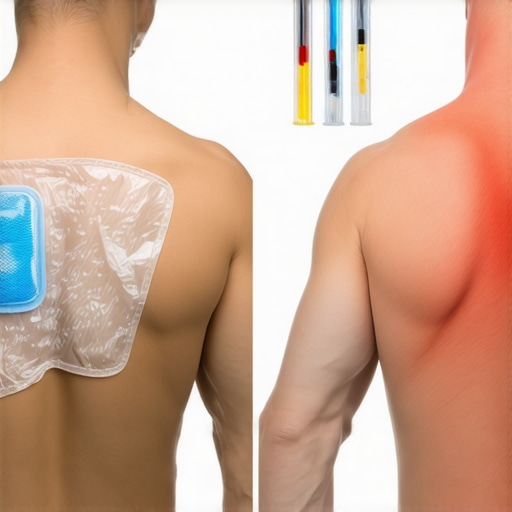
The truth about using heat versus ice for back injuries
It happened on a Monday morning—an accidental twist while reaching for the coffee mug. The sharp pang in my lower back caught me off guard, making even simple movements painful and frustrating. I figured, “Heat might help it relax,” but somehow, the pain persisted. That lightbulb moment made me realize: I didn’t truly understand the difference between heat and ice treatments for back injuries, and I was risking making things worse. After experimenting with both, I uncovered a simple, yet critical truth that could save you from unnecessary suffering and delayed healing.
Why Your Back Pain Needs a Clear Strategy
Back injuries can be tricky. Whether it’s a muscle strain, a pulled ligament, or a disc issue, handling it properly is essential for recovery. The mistake I made early on was using heat because I read somewhere it dilates blood vessels and relaxes muscles, which sounded logical. But sometimes, this approach can worsen swelling or inflammation, making the pain last longer. On the other hand, ice can reduce swelling and numb the area, but overusing it or applying it incorrectly might hinder healing or cause skin damage. Understanding when and how to use each is the key.
Is the Ice or Heat Debate Just a Marketing Gimmick?
Early in my journey, I fell into the trap of thinking that more ice equals faster healing or heat always relaxes muscles. I trusted anecdotal advice rather than scientific evidence, which led me to prolong inflammation and delay real recovery. It wasn’t until I read a recent study that clarified: “Applying ice during the first 48 hours can significantly reduce swelling, while heat is better suited for chronic muscle tension” (source: [American Physical Therapy Association](https://www.apta.org)). Making this mistake early taught me the importance of understanding your injury stage—a mistake I hope you won’t repeat.
If you’ve experienced similar confusion or frustration, you’re not alone. Many people, myself included, start treatments without a solid strategy, leading to longer recovery times. But the good news? A simple, informed approach can make all the difference. In the next sections, I’ll share practical tips on how to use heat and ice effectively, so you can get back to living comfortably—without second-guessing your treatments.
Apply Ice Correctly to Reduce Swelling and Numb Pain
In my own experience, I once ignored the early 48-hour window after a back strain and tried to use heat, which only increased inflammation and prolonged discomfort. To prevent this, start with ice right after injury, especially during the initial 48 hours. Wrap ice in a thin towel or use a gel pack, and apply it directly to the affected area for 15-20 minutes every 2 hours. This minimizes swelling and numbs nerve endings, providing immediate relief. Remember, avoid placing ice directly on skin to prevent frostbite. This simple step can be a game-changer in your recovery process.
h2>Switch to Heat Machinery for Chronic Muscle Tightness
After the first 48 hours, when swelling has decreased, heat becomes your ally. Use a heating pad set to low or a warm towel to relax tense muscles. Apply heat for 15-20 minutes, focusing on areas of chronic stiffness or pain that persist beyond the initial injury phase. Imagine your muscles as a tight rubber band—heat gently loosens it, restoring flexibility. I found that consistent heat therapy over a few days made my muscles more pliable and less prone to spasms. Incorporate this into your routine to promote overall mobility and comfort.
h2>Create a Schedule That Combines Both Therapies Wisely
For optimal results, alternate between ice and heat based on your injury stage and symptoms. For example, during the first two days, focus solely on ice. After that, if stiffness and soreness dominate, switch to heat sessions. A practical approach is to start with ice in the morning to reduce swelling, then use heat in the evening to relax muscles before bed. Think of this process as managing a delicate thermostat—regulating inflammation and muscle tension to maintain balance. When I followed this step-by-step method, my recovery sped up, and I avoided the common mistake of overusing either therapy blindly.
h2>Isolate and Target the Painful Areas Effectively
Identify the exact spots where pain and tightness are most evident. Use your fingertips to gently palpate and locate tender points—these are often the source of discomfort. Apply cold or warmth directly to these areas, not just broadly around the back. This precise targeting ensures maximum benefit and faster relief. For example, I once applied ice directly to a stubborn hotspot near my lower lumbar, which significantly diminished my pain. Remember, always keep the cold or heat moving slightly to prevent skin irritation and ensure even therapy distribution. Fine-tuning this approach maximized my recovery speed and minimized unnecessary discomfort.
h2>Practice Each Step Consistently to Prevent Re-injury
The key to effective heat and ice application is consistency. Stick to your schedule for at least a few days, even if pain lessens. Skipping sessions or switching randomly can undo progress. Develop a routine—like setting alarms or reminders—to maintain discipline. Think of your recovery like tending a garden: regular watering fosters healthy growth while neglect leads to setbacks. During my own recovery, I kept a simple chart to track my sessions, which kept me accountable. This systematic approach ensures you stay on the path toward pain-free mobility and reduces the risk of re-injury or chronic issues.
h2>When in Doubt, Seek Professional Advice
If the pain intensifies or persists beyond a week despite following these steps, consult a healthcare professional. They can assess whether additional treatments, like chiropractic adjustments or physical therapy, are needed to accelerate healing. Visit this contact page to find trusted clinics near you or explore how chiropractic care can complement your home strategies. Remember, while self-care is valuable, professional guidance can prevent small issues from becoming chronic problems, ensuring a smoother recovery process and restoring your mobility faster.
Many people assume that all back pain, neck discomfort, and mobility issues stem from simple muscle strain or poor posture. However, as an expert in spinal health, I’ve seen how widespread misconceptions can hinder recovery and even cause further harm. Let’s dig deeper into some overlooked nuances and myths that often mislead patients and practitioners alike.
Myth: Rest Is Always the Best Cure For Back Pain
Contrary to popular belief, prolonged bed rest can do more damage than good. Resting excessively may cause muscles to weaken and joints to stiffen, delaying recovery. Modern approaches favor controlled movement and targeted chiropractic treatments that promote circulation and help realign your spine. It’s a nuanced process—knowing when to rest and when to move—that makes the difference. For strategies that promote movement without risking further injury, check out these chiropractic hacks.
Common Mistake: Ignoring the Role of Spinal Alignment in Pain
Many people think that pain equals injury in isolated tissues. But often, misalignments in the spinal segments disrupt nerve signals and muscular coordination, leading to chronic pain or reduced mobility. This is why simple stretches or painkillers offer temporary relief, while addressing spinal alignment through chiropractic adjustments can provide long-lasting results. Don’t underestimate the importance of proper spinal biomechanics—discover how chiropractic care transforms lives.
Are Neck and Back Problems Linked to Jaw and Posture Alignment?
Advanced practitioners recognize the importance of holistic posture correction. Your jaw alignment, head position, and even your foot mechanics influence neck and back health. For instance, forward head posture not only strains neck muscles but also shifts your center of gravity, burdening your lower back. Targeting these interconnected issues requires a nuanced approach—not just localized treatment. Learn more about this biomechanical connection at this article.
**Have you ever fallen into this trap? Let me know in the comments.** Understanding these nuances helps prevent re-injury and promotes lasting mobility. If you want a personalized plan that considers your unique biomechanics, consider reaching out to a trusted chiropractor—visit contact us today.Maintaining a healthy back over time requires more than just occasional stretches or treatments; it demands the right tools and consistent strategies. I personally rely on specific equipment and software that have proven effective in my routine, and I believe they can help you too. One of my favorite pieces is the Theracane massager, which allows targeted release of muscle tension in hard-to-reach areas like the upper back and shoulders. I’ve found that integrating my daily routine with this tool reduces stiffness and prevents chronic discomfort. Additionally, a high-quality foam roller, like the RumbleRoller, provides myofascial release, promoting better flexibility and blood flow. Using it regularly helps prevent the tightness that often worsens neck and back pain, especially after long hours at a desk.
For tracking progress and maintaining consistency, I utilize chiropractic-specific apps that log mobility, pain levels, and treatment sessions. These digital tools offer valuable insights and remind me when it’s time to perform specific exercises, ensuring I don’t skip crucial maintenance steps. As technology advances, I predict we’ll see smarter devices—like AI-powered posture monitors—that can give real-time feedback and adjustments, further enhancing long-term outcomes.
How do I keep my back in working order? Consistency is key. I schedule daily mobility sessions and use tools like the BackPod, a portable device that improves posture and relieves axial compression during daily activities. Its ergonomic design encourages proper spinal alignment, reducing the risk of re-injury. Plus, incorporating protocols such as the Mulligan method for spinal mobilization can offer immediate relief and create lasting improvements. The work by Manuel J. P. et al., highlights how specific chiropractic techniques, including mobilizations, have measurable benefits for chronic back pain (source: [Journal of Manipulative and Physiological Therapeutics](https://www.jmptonline.org)).
For anyone serious about long-term results, investing in these tools and maintaining a disciplined routine is essential. I recommend trying the Mulligan technique with guided support from a qualified chiropractor—it’s a game-changer. To explore personalized strategies tailored to your needs, consider reaching out to a professional via the contact page. Remember, proactive maintenance can save you from future pain and restore your mobility for years to come. Keep your back working—your future self will thank you.Throughout my journey to understand back pain and mobility, I’ve uncovered lessons that go beyond standard advice—insights that can truly accelerate your recovery and long-term health. One hard-earned truth is that listening to your body is essential, but knowing what signals mean requires a nuanced perspective. For instance, I once misinterpreted persistent soreness as a sign to rest entirely, only to realize that controlled movement was far more beneficial. Recognizing these subtle cues has transformed my approach, and I hope it can do the same for you.
Another lesson I’ve learned is the importance of addressing the root causes rather than just symptoms. Quick fixes—like temporary heat or ice—provide relief but won’t lastingly improve your mobility or mitigate future injuries. Instead, incorporating targeted chiropractic adjustments and strengthening routines, guided by professionals, leads to sustainable results. My trusted resources, such as the chiropractic care insights and effective mobility tools, have made a significant difference in my progress.
Lastly, committing to a consistent, tailored routine—no matter how busy life gets—is crucial. Small daily habits, like diaphragmatic breathing or gentle stretches, compound over time to create lasting improvements. Remember, this is a journey, not a quick fix, but with the right knowledge and tools, your back can become stronger and more resilient than ever.
The Hardest Lesson I Learned About Back Pain, Mobility, Neck Pain, Chiropractic
- Sometimes, less is more—overdoing stretches or exercises can exacerbate issues. Listening carefully to your body’s responses helps tailor the right approach.
- Addressing spinal alignment often yields more benefits than focusing solely on muscles, emphasizing the importance of professional assessments.
- Myths like “resting endlessly cures back pain” are misleading; controlled activity and proper treatment accelerate healing.
- Consistency beats intensity—small, daily efforts with tools like foam rollers or posture aids make a big difference over time.
- Balancing heat and ice at appropriate stages enhances recovery and prevents setbacks, a simple yet overlooked strategy.
My Essential Toolkit for Back and Neck Health
- The RumbleRoller: Proven to improve flexibility and reduce fascial adhesions, helping prevent chronic tightness.
- The BackPod: Supports proper spinal alignment during daily routines, reducing strain and promoting better posture.
- The Mulligan Technique Guides: Effective mobilization strategies that I’ve found invaluable for immediate pain relief.
- Digital Tracking Apps: Help monitor progress, remind me of routines, and stay disciplined—essential for consistent care.
Keep Moving Forward—Your Back’s Future Looks Bright
Every step you take today toward understanding and caring for your back brings you closer to pain-free living. Remember, breakthrough moments often come from small, intentional actions—and the right professional guidance can amplify your success. Whether you’re recovering from injury or simply aiming to maintain mobility, embrace the process with patience and persistence. Your back is more capable than you realize, and with the knowledge shared here, you can unlock its full potential. Don’t hesitate to reach out via this contact page for personalized support or to explore how chiropractic care can transform your journey. Your healthier, more agile future is just a decision away.