The ‘Bird Dog’ variation that fixes wobbly core muscles
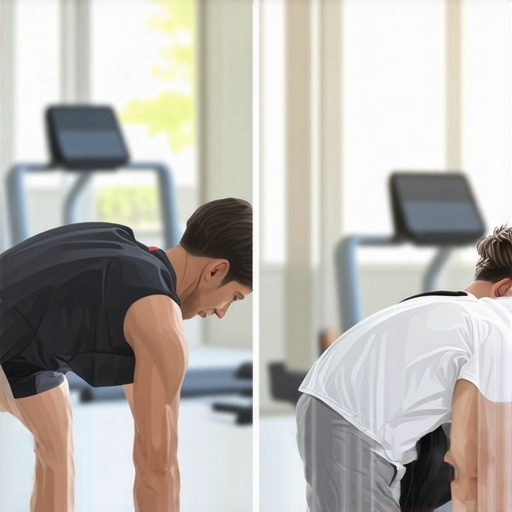
Have you ever felt that jarring wobble in your core every time you try to get up from a chair or bend down to pick something? That unsettling sensation of your muscles not quite holding you steady—that was my wake-up call. I spent years battling inconsistent stability, often feeling like my body was betraying me during even simple movements. It wasn’t until I discovered the true potential of the ‘Bird Dog’ variation, specially designed to fix wobbly core muscles, that everything changed. Today, I want to share how a small tweak to my exercise routine transformed my strength and confidence—and how it can do the same for you.
Why Fixing Wobbly Core Muscles Matters More Than You Think
Weak or unstable core muscles aren’t just about bad posture or aesthetic concerns; they’re the silent culprits behind back pain, poor balance, and increased injury risk. When your core isn’t steady, other parts of your body overcompensate, leading to a chain of problems like neck strain, shoulder discomfort, and even knee pain. I used to dismiss these issues as isolated incidents, but I eventually realized they all stemmed from one root cause: a wobbling core. According to research, core stability is fundamental to overall mobility and quality of life, especially as we age (https://quackersspinal.com/enhance-mobility-naturally-with-chiropractic-care). Fixing this wobbly weakness became my priority, and that’s when I discovered a game-changing variation of the ‘Bird Dog’.
Does the ‘Bird Dog’ Really Worth the Hype?
Now, I’ll be honest—I made my share of mistakes early on. My first attempt was too quick, focusing on speed rather than control, which only emphasized my instability. I underestimated how crucial proper form was for building genuine strength. Once I slowed down, engaged my core intentionally, and modified the movement—specifically targeting those wobbly muscles—the results became undeniable. This isn’t some flashy fad; it’s a proven strategy that, when executed correctly, can radically improve your core stability and overall mobility. For additional tips on how to recover and enhance your back health, check out proven strategies for back pain relief. Ready to get now into the practical steps? Let’s dive into how you can adapt the ‘Bird Dog’ for maximum impact and real results.
Set Your Foundation with Proper Positioning
Start on all fours, aligning your hands directly under your shoulders and knees under your hips. Imagine the base of a table—stable and level. Engage your abdominal muscles gently to activate your core, as if pulling your belly button towards your spine. During my first try, I noticed that if I let my hips sag or rise too high, my wobble intensified. Keeping a neutral spine and avoiding arching or rounding is crucial for core stability.
Slow and Focused Movement Builds Strength
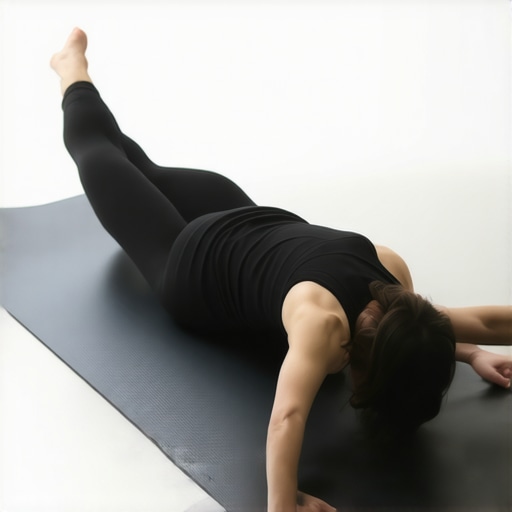
Lift your right arm and left leg simultaneously, extending fully without twisting your torso. Think of this move as balancing on a fragile rock—precision over speed. I remember trying to rush through reps, but it led to instability and a shaky feeling. By slowing down to a controlled pace, I forced my muscles to engage intentionally, which gradually improved my control and reduced wobbling. Aim for 5-second holds on each side, maintaining steady breathing.
Tip: Use a Mirror or Record Yourself
Watching yourself in a mirror or recording can reveal subtle form flaws—like over-arching your back or shifting hips—that contribute to instability. During my practice, noticing a slight tilt in my pelvis helped me adjust my engagement, leading to smoother, more controlled movements.
Gradually Introduce Variations for Greater Challenge
Once comfortable, add subtle challenges, such as holding the position longer or incorporating small pauses. For example, pause at the top of each extension for a few seconds, as if anchoring your muscles to a steel post. This tremor-proofed my core by encouraging deeper muscle activation. The goal is to sustain stability even with slight, controlled perturbations, similar to how chiropractors work on stabilizing your spinal segments for improved mobility and reduced pain (see how chiropractic care enhances mobility).
Focus on Breathing and Muscle Engagement
Proper breathing supports core activation. Inhale deeply through your nose, expanding your abdomen, then exhale slowly as you hold your position or switch sides. During my training, I discovered that shallow breathing heightened my wobble, but controlled breaths stabilized my muscles, much like a calming ritual that deepens muscle control and spinal support (learn back pain relief strategies here). Practice this until it becomes second nature, integrating it into your daily routine.
Consistency is Key to Long-Term Stability
Perform these movements 3-4 times a week, gradually increasing sets and hold times. Remember, just like regular chiropractic adjustments restore your spinal alignment and function, consistent core work fortifies your body’s foundation, preventing wobbliness and enhancing mobility (see how chiropractic transforms back recovery). My initial messy attempts eventually turned into controlled, confident movements that supported my daily activities with less wobbling and more strength.
Many individuals believe that chiropractic care is primarily about quick adjustments to relieve pain, but the reality is much more nuanced. A common misconception is that once your pain subsides, your spinal health is fully restored. However, studies show that sustained improvements require addressing underlying movement patterns and neuromuscular control, not just symptom relief (see how chiropractic care enhances mobility). Overlooking this can lead to recurrent issues even after multiple treatments.
Why Stop at Symptom Relief? The Hidden Layers of Spinal Wellness
Many people get stuck in the cycle of temporary pain relief without tackling the root cause. For instance, a misaligned pelvis might temporarily improve after an adjustment, but if core stability and ergonomic habits aren’t addressed, misalignments often recur. This trap is where advanced practitioners focus on restoring proper movement mechanics and muscle balance, preventing future problems. Relying solely on passive treatments can lull patients into false security. Research indicates that combining chiropractic adjustments with targeted mobility exercises produces long-term benefits (discover proven back pain strategies).
Are Neck Issues Just About the Spine?
Absolutely not. Neck pain, often dismissed as a localized problem, can stem from what’s known as the upper cervical misalignment or muscular imbalances originating from the shoulders or even the jaw. Many practitioners overlook the impact of holistic head and neck posture, which plays a vital role in sustaining neck health. The myth that neck pain resolves solely through cervical adjustments ignores the interconnectedness of the entire kinetic chain. Failing to address these nuances can lead to persistent discomfort and even referral pain elsewhere. For an in-depth approach, exploring online resources like expert tips for neck pain relief can be enlightening.
One mistake I’ve seen frequently is neglecting the importance of neuromuscular retraining after chiropractic interventions. Merely realigning the spine without retraining muscles to support proper posture often results in relapse. The key is integrating active mobility and stabilization exercises tailored to your unique biomechanics. Remember, the body is a complex system, and addressing just one part without considering the whole can be a costly oversight.
If you want to avoid common pitfalls and truly optimize your spinal health, combining precise adjustments with bespoke movement strategies is essential. Don’t fall into the trap of passive care alone; instead, embrace the holistic approach that addresses the root causes. For comprehensive guidance, check out simple yet effective chiropractic hacks.
Have you ever fallen into this trap? Let me know in the comments, and share your experiences with spinal health misconceptions.
Tools I Recommend for Long-Term Mobility and Back Resilience
Maintaining optimal spinal and muscular health isn’t a one-time effort; it requires the right tools and consistent practice. Over the years, I’ve incorporated specific equipment and techniques that have proven invaluable in my journey toward lasting mobility. Among these, the use of a high-density foam roller and a set of stability balls stand out. I personally prefer the RumbleRoller because its textured surface provides deeper tissue release, helping me break down knots and improve tissue elasticity—key factors in preventing stiffness and discomfort.
Furthermore, I integrate resistance band exercises into my routine, particularly the therapy-grade bands like the TheraBand. They allow me to perform controlled, precise strengthening movements that enhance neuromuscular control, which is essential for fixing wobbly cores and limiting injury recurrence.
For digital tools, I rely heavily on mobility and posture-tracking apps such as chiropractic-based mobility guides. These apps help me monitor my progress and ensure I stay aligned with my mobility goals. They are especially useful for tracking improvements and reminding me to incorporate exercises that reinforce spinal stability.
When dealing with neck and back pain, applying targeted heat or cold therapy can make a significant difference. I keep a gel pack that I can warm or chill, depending on my needs. For a more long-term solution, I recommend investing in a posture corrector — but only as an adjunct to active exercises, not a crutch. The goal is to relearn good movement patterns, which is where tools like foam rollers, resistance bands, and apps come into play.
What about future trends in spinal health maintenance?
Looking ahead, I believe integrating smart wearable technology will revolutionize how we maintain spinal health. Devices capable of real-time posture monitoring and biofeedback will empower individuals to catch and correct misalignments before they develop into pain or injury. This proactive approach could drastically reduce the reliance on reactive treatments like chiropractic adjustments or physiotherapy sessions.
How do I sustain my mobility and prevent setbacks over time?
Consistency is crucial. Incorporating daily mini-movements, using tools like massage rollers and resistance bands, and staying mindful of posture through digital feedback create a resilient foundation. Regularly revisiting cornerstone practices—like the targeted core exercises I discussed earlier—ensures your progress isn’t lost. Remember, the key is making these habits stick, not just quick fixes.
For those ready to take it further, I recommend trying advanced techniques such as the nerve glide I’ve found particularly effective in reducing nerve-related neck and back discomfort (see how nerve gliding can help). Start with just a few minutes a day, and watch how your mobility improves—not just temporarily, but over the long term. Small, consistent efforts with the right tools will keep your spine working and your body strong for years to come.
The Hard Lessons About Core Wobbles and Chiropractic Secrets
One of the deepest realizations I’ve had is that true stability doesn’t come from quick fixes or passive treatments—it’s about intentional movement and understanding your own body’s cues. I used to dismiss my wobbliness as a minor issue, but each instability was a sign that I was neglecting foundational strengths. Discovering that targeted exercises, especially refined variations of the ‘Bird Dog,’ could rewiring my neuromuscular control, showed me the power of proactive habits over reactive solutions.
Tools That Turn Routine Into Resilience
Over years, I’ve curated a toolkit that keeps my spine aligned and my core responsive. The RumbleRoller, for example, became more than a foam roller; it became a catalyst for tissue health that supports stability. Using resistance bands like TheraBand helps me retrain muscles to engage correctly. Digital apps that track my posture remind me of consistent alignment, turning long-term wellness into daily wins. These tools work best when they’re part of a mindful routine—making mobility a lifestyle, not just a weekly task.
Embracing the Journey: Your Next Step Awaits
Remember, the road to back health and functional stability isn’t a sprint; it’s a journey of self-awareness and discipline. Every controlled movement, like the slow, deliberate ‘Bird Dog’ rep, is a step toward reclaiming your strength and independence. If you’re ready to work smarter, not harder, incorporating what I’ve shared can radically change your mobility story. Start small, stay consistent, and don’t hesitate to explore new tools or techniques that resonate with you. Your body reward for perseverance will be a core that supports you confidently through all of life’s moments.
What Surprised You Most About Fixing Your Wobbly Core?
Have you ever experienced a movement that suddenly clicked—like realizing a tiny correction made a huge difference? Share your lightbulb moments below, and let’s inspire each other to prioritize our spinal health and mobility.
,