The secret link between flat feet and chronic back pain
I vividly remember the moment I realized something was seriously off with my body—my back was aching relentlessly, and despite countless visits to chiropractors, nothing seemed to make it better. Then, one day, during a routine check, my podiatrist casually pointed out, “Have you ever considered your feet might be contributing to that back pain?” That lightbulb moment changed everything.
Why Your Feet Hold the Key to Lasting Back Relief
It might sound surprising, but your feet—yes, those humble, often-forgotten structures at the bottom of your legs—can have a profound impact on your back health. When your arches are flat, or you have fallen arches, it alters your gait and posture, leading to uneven weight distribution. Over time, this imbalance stresses your spine and muscles, resulting in chronic back pain that seems to persist no matter what you try.
Research supports this connection. A study published in the Journal of Foot and Ankle Research found that individuals with flat feet are more likely to suffer from lower back pain due to altered biomechanics. Essentially, if your feet aren’t providing a stable foundation, your entire musculoskeletal system has to compensate, often at the expense of your back.
Have you ever considered how your footwear or foot posture might be silently sabotaging your back?
In my early days of dealing with back pain, I made a crucial mistake—I ignored the role of my feet. I assumed that neglecting their condition wouldn’t make much difference. Spoiler alert: it does. Proper support and alignment start right at the ground up. To truly address chronic back pain, you need to look beyond the obvious and consider the full chain—from your feet to your spine.
In the upcoming sections, I’ll share practical insights and proven strategies to tackle this hidden culprit. If this resonates with you, stay tuned—you might find the solution hiding beneath your feet.
And if you’re ready to take action now, don’t hesitate to reach out for personalized guidance. Your journey to a pain-free back could start today.
Assess and Correct Your Foot Posture
The first step was recognizing my flat feet affected my back. I used a mirror and simple self-assessment techniques to observe whether my arches collapsed when standing or walking. To get accurate insights, I visited a podiatrist who performed a comprehensive gait analysis. This revealed my fallen arches and their as-yet-unnoticed impact on my spinal alignment. Knowing the root cause enabled me to move forward effectively.
Choose Supportive Footwear and Custom Orthotics
Once I identified my flat feet, I replaced worn-out shoes with ones offering firm arch support. I also considered custom orthotics recommended by my podiatrist. Properly fitted orthotics serve as a foundation, restoring normal foot biomechanics and preventing overpronation that could twist my knees and hips, thereby reducing spinal strain. Consistent use showed notable improvement in my back comfort within weeks.
Integrate Targeted Foot and Leg Exercises
I incorporated specific exercises to strengthen the intrinsic muscles of my feet and calves, which help maintain arch integrity. One effective move was the towel curl: I placed a towel on the floor and used my toes to scrunch it toward me, improving foot muscle tone. Additionally, calf raises increased the support of my ankle and foot structures, further stabilizing my gait. These exercises are simple to do daily and, over time, reinforce proper alignment.
Practice Gait and Posture Awareness During Daily Activities
To ensure lasting change, I paid mindful attention to how I stood, walked, and sat. I kept my weight evenly distributed on both feet, avoided collapsing arches, and maintained a slight bend in my knees when standing. When walking, I focused on a heel-to-toe stride emphasizing stability. This conscious practice reprogrammed my movement patterns, preventing future misalignments and reducing back discomfort.
Implement Portable Self-Help Techniques
I used brief foot rolls with a tennis ball during work breaks to relieve tension in the foot muscles. This also stimulated circulation and maintained arch mobility. Combining this with regular stretching of the calves and Achilles tendons helped keep the supportive muscles flexible and resilient.
Monitor Progress and Seek Professional Support
Tracking my symptoms highlighted the correlation between foot support and back pain. I scheduled periodic check-ins with my chiropractor, who integrated foot posture assessments into my overall spinal health plan. For persistent issues, seeking guidance from experts can accelerate recovery and provide personalized modifications.
Remember, addressing foot posture isn’t a quick fix; it demands consistency and awareness. Small daily adjustments, like choosing supportive footwear and practicing strengthening exercises, can lead to significant improvements in back health. If you’re unsure where to start or need tailored advice, consider reaching out for personalized guidance.
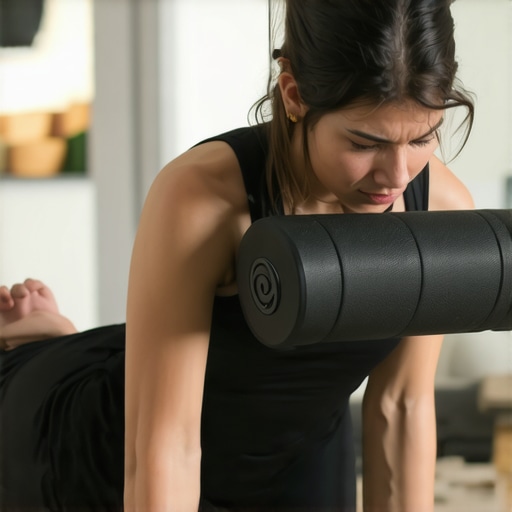
Many people believe that increasing mobility is always about stretching more or moving aggressively, but in reality, this can sometimes backfire if not done correctly. The myth that “more movement equals better health” often leads to overexertion, exacerbating existing pain or injury instead of alleviating it. As experts point out, *quality over quantity* truly matters—controlled, targeted movements tailored to your body’s specific needs are far more effective than generic routines. An advanced mistake many make is assuming that pain during mobility exercises signals progress; in truth, it often indicates tissue irritation or improper technique—pushing through pain can deepen the injury, especially in delicate areas like the cervical spine or lumbar region. For example, when dealing with chronic neck pain, some practitioners advocate aggressive stretching, but research suggests that *mobilizations combined with joint-specific techniques* provide better, long-term relief (see [chiropractic secrets to boost neck comfort](https://quackersspinal.com/chapel-neck-comfort-and-function)). Moreover, misunderstandings about spinal stability often lead to neglecting the importance of core engagement alongside mobility work, which can cause instability or even worsen alignment issues. This synergy between stability and mobility is critical—neglecting it is a nuanced mistake that hampers recovery. On the topic of advanced errors, many overlook the significance of *neuromuscular control*—training your nervous system to activate muscles properly during movement. Without this, increased mobility might only unlock more range temporarily, without addressing underlying control deficits, leading to recurrent pain. A study in the *Journal of Orthopaedic & Sports Physical Therapy* emphasizes that proprioceptive and motor control exercises are essential for lasting results (see: [mobilization techniques for back pain](https://quackersspinal.com/revitalize-your-mobility-proven-strategies-for-back-pain-relief)). 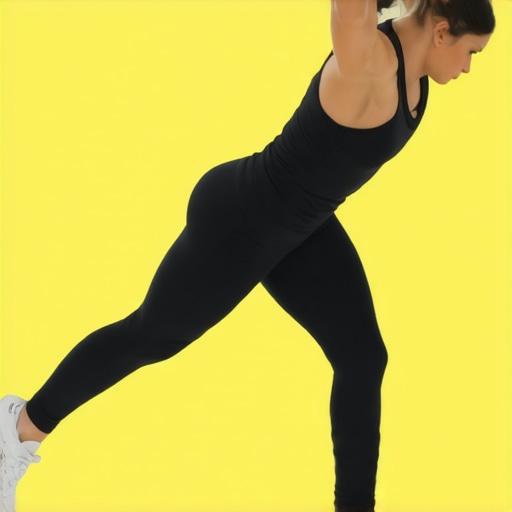 Properly managing mobility involves understanding these nuances, avoiding common pitfalls, and integrating stabilization strategies. Otherwise, you risk falling into the trap of ‘more is better,’ which can lead to increased injury risk or delayed recovery. Have you ever fallen into this trap? Let me know in the comments. If you’re ready to approach your mobility and pain management more intelligently, consider exploring proven chiropractic methods discussed in [these techniques](https://quackersspinal.com/boost-mobility-ease-pain-chiropractic-techniques-unveiled). Remember, a balanced approach—combining mobility, stability, and control—is key to lasting relief and improved function.Maintaining your back and neck health over the long term requires not only diligent practice but also the right equipment and methods that support your progress. Personally, I swear by a few trusted tools that have become staples in my routine, helping me keep my mobility optimal and pain-free. First among these is the foam roller, specifically the deep-tissue type, which I use daily to release tension along my thoracic and lumbar spine. The trigger point for me is the thoracic region, where tightness often leads to neck and shoulder discomfort. Using a 36-inch foam roller allows me to perform my own self-myofascial release, boosting circulation and restoring movement.
Another essential piece is a high-quality handheld massage ball. I prefer a firm, dense rubber ball that can target specific trigger points—particularly in areas where my muscles tend to knot up, like the piriformis or around the scapulae. I find that rolling these spots for a couple of minutes daily helps prevent the buildup of adhesions that could limit mobility or cause pain.
For precise mobility work, I incorporate a resistance band set designed for rehab and mobility exercises. These bands facilitate controlled, joint-friendly stretches that improve flexibility without risking overstretching or injury. I often use them for gentle cervical rotations or lumbar rotations, especially after long periods of sitting or poor posture during work hours.
Beyond physical tools, I leverage software solutions for guided exercises and posture tracking. Apps like PhysiApp or PocketPhysio provide tailored routines that I review weekly to ensure I’m progressing correctly. They also serve as reminders, helping me stay consistent — a vital aspect of long-term maintenance.
Looking ahead, I believe technology will continue to evolve toward integrating AI-driven assessment tools that analyze movement patterns in real-time via smartphone cameras. Imagine an app that not only guides your exercises but also detects asymmetries or improper techniques instantly, providing corrective feedback. This trend could significantly democratize high-quality chiropractic care and self-maintenance, making it accessible on-demand.
**How do I maintain my spinal health over time?** Consistency is key. I set aside time daily for quick self-myofascial releases and mobility drills, complemented by periodic visits to my chiropractor for professional assessments. Maintaining a journal of symptoms and improvements helps me adjust my routine proactively. Remember, progress isn’t linear—being attentive and adaptable makes all the difference. If you’re ready to step up your self-care game, I recommend trying a dedicated foam rolling session or using a resistance band for targeted stretches today. Want personalized guidance tailored to your specific needs? Reach out for expert support and keep your mobility thriving.
What I Wish I Knew When Starting My Journey
- Small Changes Create Big Shifts: I learned that consistent, minor adjustments—like proper footwear support—can profoundly impact long-term spinal health, far beyond intense workouts or aggressive stretches.
- Listening to Your Body Is the Real Guide: Ignoring subtle signs of imbalance often leads to bigger problems. Personally, tuning into my body’s signals helped me identify issues early, preventing chronic pain cycles.
- Biomechanics Are a Chain Reaction: Discovering how foot posture affects neck tension reshaped my approach; addressing foundational problems offers relief that clinics alone can’t provide.
- Education Empowers Recovery: Equipping myself with knowledge about mobility and posture allowed me to take control, making self-care routines more effective and personalized.
- Professional Support Complements Self-Help: Regular check-ins and expert guidance ensured I stayed on track and avoided common pitfalls, especially when incorporating new exercises or techniques.
Tools That Transformed My Approach to Mobility and Pain
- Foam Rollers: My go-to for releasing muscle tension along my spine and hips, promoting flexibility and circulation.
- Massage Balls: Targeted trigger point relief helps prevent muscle adhesions that could limit movement and cause discomfort.
- Resistance Bands: Facilitating safe, controlled stretches designed for rebuilding strength and stability in my neck and back.
- Mobile Apps and Guides: Digital routines keep me accountable, ensuring I perform exercises correctly and consistently—crucial for sustainable progress.
Your Next Steps Toward Mobility and Comfort
Transforming your back and neck health is entirely within your reach. The key is embracing a balanced approach—combining mindful movement, proper support, and learned techniques. Remember, progress may be gradual, but each small step moves you closer to lasting relief. If you’re ready to make meaningful changes, reach out for tailored guidance. Your journey to a healthier, more mobile you begins today.