Why your sports bra might be causing upper back pain
It was a morning just like any other, but as I reached for my water bottle during my workout, a sharp twinge shot through my upper back. Suddenly, I couldn’t ignore it anymore. That strange, persistent ache was telling me something—I had been ignoring a hidden culprit: my sports bra. Yes, you read that right. That seemingly harmless piece of workout gear might be the sneaky villain behind your stubborn upper back pain.
Why Your Sports Bra Could Be Sabotaging Your Mobility
For years, I thought back pain was just part of aging or overdoing it at the gym. But after some research and personal trial, I discovered that the fit and support of my sports bra played a surprisingly big role in my discomfort. Ill-fitting or overly tight sports bras can cause undue strain on your shoulders, neck, and upper back, leading to chronic discomfort over time. Many women overlook this detail, thinking pain comes from workouts or posture alone. However, evidence suggests that improper support can disrupt your spinal alignment, which exacerbates back issues (source: https://quackersspinal.com/why-your-core-routine-is-failing-your-spine).
So, what can we do about it? Well, today, I want to share with you how I identified the problem and the simple steps I took to fix it. If you’ve been battling upper back pain and have tried everything without success, it might be time to take a closer look at your sports bra.
Are you tired of waking up with that nagging ache? Do you worry your workout gear might be doing more harm than good? You’re not alone—many women face this dilemma. But don’t worry. The good news is, with a few adjustments, you can prevent this kind of pain and regain your comfort and mobility.
Is All Sports Bra Support Actually Necessary or Just a Marketing Gimmick?
One mistake I made early on was assuming that more support always meant better. I held onto an ultra-tight sports bra because I thought it would minimize bounce. Turns out, that was a mistake. Excessive compression can restrict your movement and cause muscle strain, rather than help. Learning to balance support and comfort is key. Want to dive deeper into how to choose the right gear and improve your posture? Check out this helpful guide on mobility and back pain relief strategies.
So, have you recently checked your sports bra’s fit? Are you noticing any upper back tension or discomfort after your workouts? If so, let’s explore how adjusting your gear and posture can make a real difference in your back health. Up next, we’ll look at practical ways to ensure you’re wearing the right support and protecting your spine.
Assess Your Sports Bra Fit Carefully
My first real step was to evaluate my sports bra’s fit. I measured my band and cup size using a soft tape, ensuring it wasn’t too tight or too loose. I remembered how a snug but not constricting fit felt—similar to finding the right pair of shoes that hold your foot without pinching. Once I knew my accurate size, I purchased a supportive bra designed for my activity level. This process was like tuning an instrument—precision matters for harmony in support and comfort.
Choose the Right Support Level for Your Exercise
Next, I broke away from the misconception that maximum support equals better. I experimented with different support levels—some bras with less compression allowed more natural movement, reducing strain on my upper back. Think of this like adjusting car suspension; softer on rough roads but firm enough to control. I found that a balanced support minimized discomfort during my workouts and maintained better posture, like a good chiropractor would recommend.
Adjust Your Workout Routine to Address Posture
Beyond gear, I made specific changes to how I moved. Incorporating deliberate pauses during exercises prevented me from over-tensing my shoulders. For instance, in a set of push-ups, I paused my shoulder blades at the top to reset my posture, avoiding that hunched-up feeling. This active awareness is akin to a driver checking mirrors regularly—small adjustments make a big difference over time.
Incorporate Mobility and Stretching Exercises
I added targeted stretches to my daily routine. One effective move was the doorway pectoral stretch, which opened my chest and relieved upper back tension. Holding this stretch for 30 seconds, twice a day, was like giving my muscles a gentle reset—preventing tightness from building up like a clogged drain. Regular mobility work keeps the spine flexible and supports proper ergonomics, much like routine oil changes keep a vehicle running smoothly.
Perform the Dead Bug for Core Stability
One specific exercise I adopted was the dead bug. It strengthened my core, akin to reinforcing the foundation of a house. Lying on my back, I extended opposite arm and leg, then moved systematically, engaging deep core muscles that support spinal alignment. I initially performed this erratically, flailing my limbs. But with focus and slow, controlled movements, I noticed my back felt more supported—less prone to strain during workouts.
Practice Proper Lifting and Movements
Everyday activities like lifting groceries or tying shoelaces became opportunities to apply better mechanics. I learned to hinge at my hips instead of bending at the waist, much like a fisherman leaning forward to reel in a catch—using my hips, not my back. This step, combined with core engagement, prevented undue stress on my lumbar spine, which I realized was crucial after experiencing a tweak from lifting improperly.
Leverage Chiropractic Strategies for Long-Term Relief
Finally, I consulted with a chiropractor who specialized in spinal mobility. They used techniques similar to tuning a musical instrument—adjusting the pelvis and cervical spine to optimize support. Regular adjustments, combined with active exercises, created a synergistic effect, diminishing my upper back pain significantly. Learn more about these strategies at this chiropractic approach.
Implementing these steps was messy at times—struggling with the right support, feeling awkward doing new exercises. But the cumulative effect restored my back, improved my posture, and made my workouts more enjoyable. Remember, addressing your sports bra fit and supporting your mobility is a process—patience and consistency are your allies in this journey.
Many people believe that neck and back pain are simply the result of aging, poor posture, or a single injury. However, as an expert in chiropractic care and mobility optimization, I can tell you that these issues are often misunderstood, leading to missed opportunities for effective relief. One widespread myth is that static stretches alone can resolve chronic discomfort. While stretching is helpful, relying solely on it without addressing underlying support and movement patterns can be a trap that prolongs pain. For instance, many assume that neck pain stems solely from joint misalignments, but research indicates that muscle imbalances and movement inefficiencies play a significant role in persistent discomfort (source).Maintaining your spinal health isn’t a one-time effort; it requires the right tools, consistent practice, and some know-how. As someone deeply engaged in chiropractic care and mobility strategies, I’ve found specific equipment and methods that genuinely make a difference in preserving long-term results. These tools are chosen for their proven effectiveness and how seamlessly they integrate into daily routines.
First, I advocate for using a **Tennis Ball** for targeted muscle release. I personally keep one at my workspace to quickly alleviate upper back tension that develops after prolonged sitting. The simplicity of rolling a tennis ball against a wall or on a sore spot helps release trigger points effectively, like a mini massage in seconds. To maximize benefit, incorporate the nerve glide technique described in our nerve glide guide—a method I highly recommend trying today.
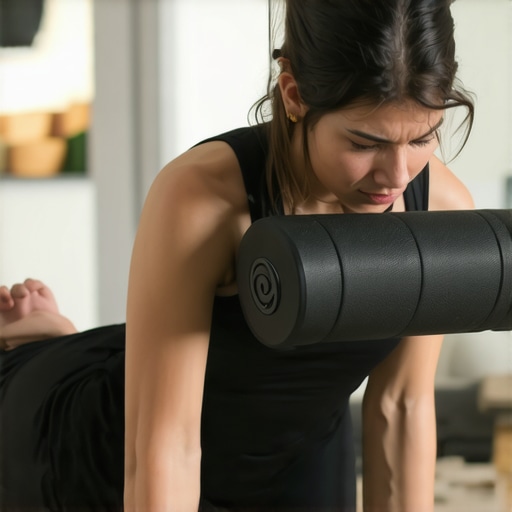
Next up is a **Foam Roller**, but not just any will do. I suggest a **Firm, Textured Foam Roller** that can target deep tissue adhesions without slipping. I use it weekly to perform mymyofascial release, especially on my lower back and hips, which helps keep my mobility flexible and pain-free. It’s akin to periodic tune-ups for your spine—preventing issues before they start. For optimal use, refer to this expert-approved foam rolling routine.
Another key tool is a **Chiropractic Adjustment App**—a digital platform that guides me through personalized mobility exercises and tracks my progress. I subscribe to a reputable service that pairs with my chiropractor’s recommendations, ensuring consistency between in-office treatments and home care. These apps often feature video tutorials demonstrating proper technique, similar to what I experienced during my restoration sessions. Technology like this is where I see future trends heading—more integrated, accessible, and tailored to individual needs.
Finally, investing in an **Adjustable Ergonomic Chair** has transformed my workspace. Proper support reduces strain on my neck and back, especially during long work hours. When selecting a chair, I prioritize models with adjustable lumbar support and a breathable mesh back. Regularly reassessing my posture with ergonomic tools ensures I stay aligned and prevent chronic pain, as detailed in our ergonomic guidance.
**How do I maintain my mobility and protection over time?** Consistency is key. Incorporate these tools into your daily routine and adjust them as your needs evolve. For example, as your mobility improves, you might switch from foam rolling to more advanced stretching or strengthening methods. Regular check-ins with a chiropractor can help fine-tune your approach, especially since studies show that periodic manual therapy sustains long-term benefits (source).
Pro tip: Try using the nerve glide technique with the tennis ball today. It’s a quick, powerful way to unlock stubborn nerve-related discomfort and can be easily integrated into your routine. Don’t wait for pain to worsen—taking small, consistent steps now will pay off in a healthier, more mobile future.
Small Shifts, Big Gains: What I’ll Never Forget About Spinal Care
My journey uncovered that even tiny adjustments in how I support and move my body could dramatically change my comfort level. It taught me that lasting relief isn’t about quick fixes but about respecting my body’s subtle signals—like that delicate tension in my upper back after workouts. Recognizing these cues early allowed me to modify my habits before pain worsened, proving that mindfulness in daily routines is a cornerstone of spinal well-being.
Another lesson I learned was the importance of patience. Genuine progress often demands consistency over weeks or even months. There’s a temptation to seek immediate relief, but true healing involves honoring your body’s timeline. Embracing this approach transformed my perspective, making me more forgiving of minor setbacks, and more committed to my mobility goals.
Tools I Trust for a Resilient Spine
For anyone serious about maintaining or improving spinal health, I recommend starting with a high-quality foam roller for gentle myofascial release. Pair that with a guided mobility device to keep exercises effective and engaging. A chiropractic adjustment app can also be a game-changer, offering tailored routines and progress tracking right at your fingertips. These tools have empowered me to take control of my spinal health, and I believe they can do the same for you.
Finally, investing in an ergonomic chair tailored to support your natural spinal curves made a world of difference. Proper support and consistent movement are like a duet—working together to keep your back resilient and pain-free.
Step Into a Pain-Free Future Today
Your journey towards a healthier, more mobile spine begins with a single step—be it adjusting your posture, trying a new mobility tool, or dedicating time to gentle stretches. Remember, small, consistent actions compound over time, leading to profound improvements. Don’t let discomfort dictate your daily life—embrace the possibility of a more vibrant, pain-free future. Your back and neck will thank you for it. Are you ready to make that shift today?